

Illustration: The Touch & Go
Student Pilots Can Legally Navigate Military Airspace With Proper Clearance
With adequate knowledge of regulations and coordination with air traffic control, student pilots are permitted to fly through certain military-controlled airspace during training.
The gist
Student pilots can transit military airspace legally if they follow ATC procedures and understand the rules.
Navigating military airspace can be daunting, especially for student pilots still building their confidence and experience. However, it is entirely possible for training pilots to legally fly through certain military-controlled corridors provided they adhere to pertinent regulations and coordinate with air traffic control (ATC).
Military airspace is often highly controlled and can include restricted zones, warning areas, and corridors designated for specific uses ranging from training to operations. Student pilots, under instruction or solo with proper endorsements, must obtain ATC clearance when entering these areas to ensure safety and compliance. ATC facilitates safe transit by managing traffic and informing pilots about any active military activities or restrictions.
Understanding the classification of the airspace and the rules that apply is critical. Some military corridors are designated so that non-military arrivals and departures must pass through them, making student access a common necessity. Pilots in training benefit from familiarizing themselves with sectional charts, Notices to Airmen (NOTAMs), and military procedures which outline how to interact with the controlled airspace.
Flight instructors often incorporate sessions on communicating with military controllers and procedures for clearance into their syllabi, preparing students to handle such interactions confidently. This training reinforces crucial skills in radio communication, situational awareness, and airspace management.
The ability for student pilots to transit military airspace not only expands their operational experience but also underscores the need for rigorous training in airspace rules. As military and civilian operations continue to coexist closely around busy airports, this knowledge ensures safety and integration in complex airspace environments.
Looking ahead, enhancements in airspace use and communication technology may further streamline these interactions, but adherence to current protocols remains essential. Student pilots seeking to navigate such areas should prioritize education and procedural compliance to maintain safety and legality.
More in Military/Defense
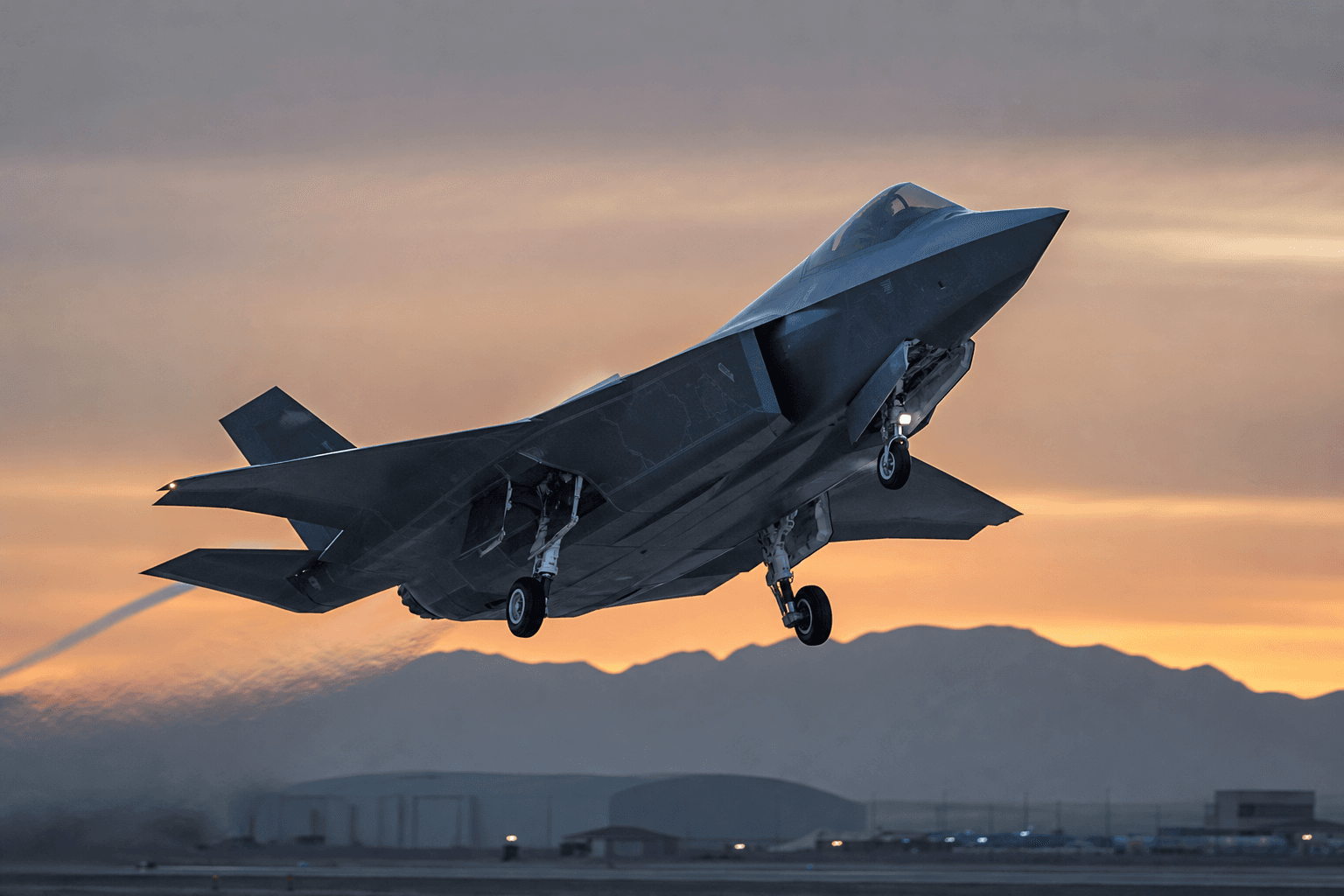
5 Fighter Jets Already In Development That Will Make The F-35 Look Outdated By The 2030s
The F-35 was revolutionary when it entered service. Let's look at five, sixth-generation aircraft that are going to surpass it.
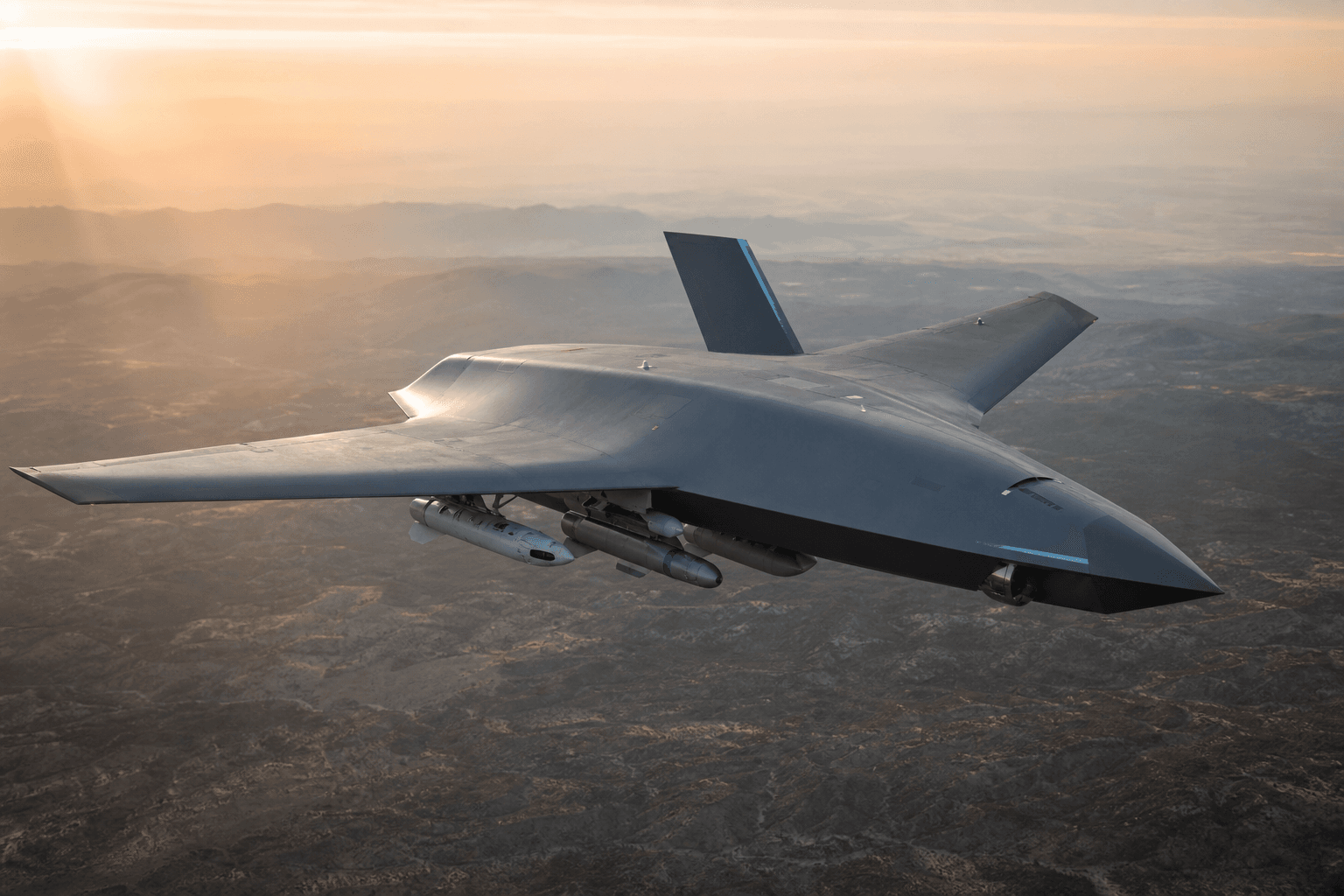
Boeing unveils advanced MQ-28 capabilities, extended combat reach
- More than 25% percent larger wing expands mission range and boosts stores capacity
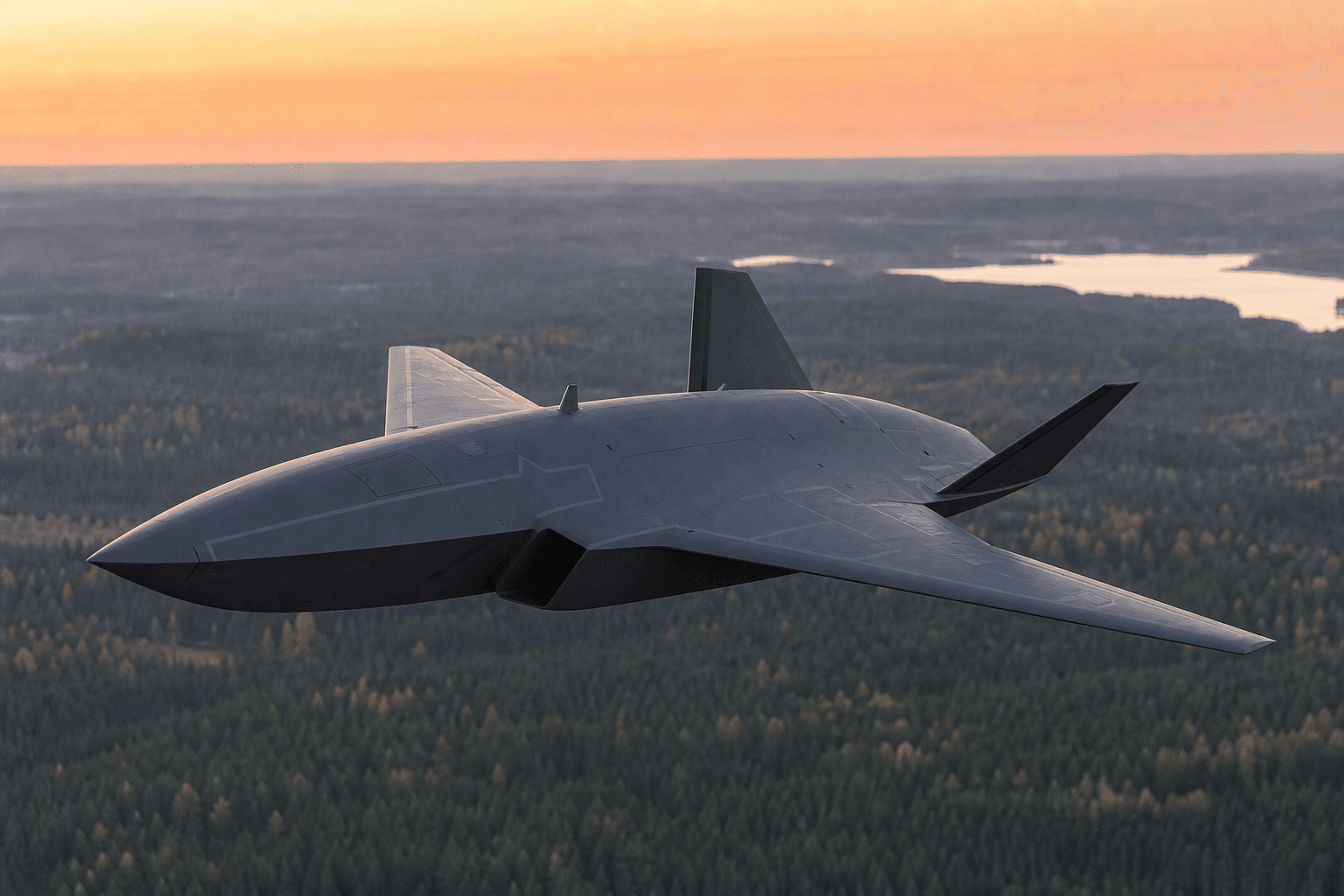
Boeing Expands German MQ-28 Ghost Bat Industry Team
- Diehl Defence and Rohde & Schwarz join Rheinmetall in Boeing's German MQ-28 Ghost Bat industry team

GAO: F-35 Readiness Continues to Decline
F-35 readiness continues to fall even as the Pentagon launches a $13.7 billion plan to fix long-standing sustainment problems.