

Illustration: The Touch & Go
F-35 Readiness Declines Amid $13.7 Billion Pentagon Sustainment Effort
The Pentagon unveils a $13.7 billion plan to tackle persistent F-35 sustainment challenges as aircraft readiness rates continue to drop.
The gist
The Pentagon's $13.7B initiative to improve F-35 sustainment comes as readiness rates keep declining.
The operational readiness of the F-35 stealth fighter fleet continues to deteriorate even as the U.S. Department of Defense rolls out a major funding plan to address entrenched sustainment issues. The Pentagon has announced a $13.7 billion initiative aimed at resolving the long-standing maintenance and availability challenges that have hindered the Joint Strike Fighter's reliability and deployability.
The F-35 program, a cornerstone of the U.S. military’s future air combat capabilities, has struggled for years with achieving consistent mission-capable rates across the Air Force, Navy, and Marine Corps variants. These readiness shortfalls have impeded the ability of warfighters to fully leverage the aircraft’s advanced stealth, sensor fusion, and weapons systems. The new sustainment funding is designed to overhaul maintenance processes, supply chain logistics, and parts availability, which are key factors contributing to the ongoing readiness decline.
Maintaining the vast and complex F-35 fleet is an unprecedented challenge due to the aircraft's cutting-edge technology and global scale. The Pentagon’s $13.7 billion plan underscores recognition of the critical need to improve sustainment infrastructure and support services. It targets improvements in aircraft availability that directly affect operational planning and deployment cycles for frontline squadrons.
This latest funding commitment comes as F-35 readiness rates remain below the Pentagon’s operational targets, limiting the fighter’s immediate combat effectiveness. Persistent sustainment issues have been a sore spot for the program, affecting not only U.S. military units but also international partners who operate the jet. The initiative aims to reverse this trend and boost confidence in the F-35 as a reliable asset for future conflicts.
Looking ahead, the Pentagon faces the challenge of demonstrating tangible improvements from this investment. Success will depend on streamlining maintenance workflows, reducing repair turnaround times, and fixing supply chain bottlenecks. The outcome will shape the F-35's role in evolving global threat environments and support strategic air superiority.
The sustained readiness problem highlights broader implications for military aviation programs integrating advanced technology while balancing operational demands. The new $13.7 billion funding plan represents a critical effort to stabilize the F-35 fleet’s availability status and ensure it meets the operational needs of U.S. and allied forces in the coming years.
More in Military/Defense
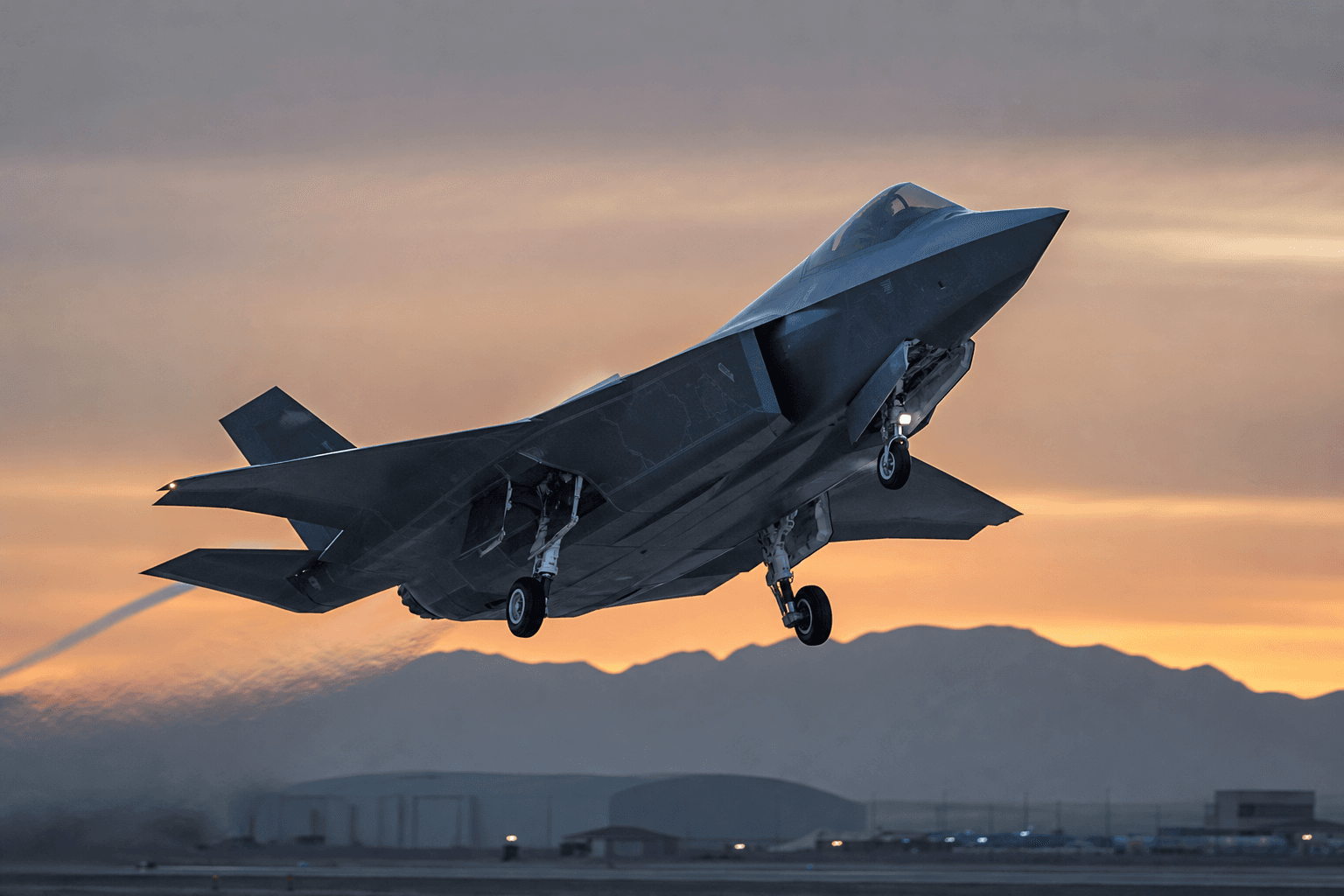
5 Fighter Jets Already In Development That Will Make The F-35 Look Outdated By The 2030s
The F-35 was revolutionary when it entered service. Let's look at five, sixth-generation aircraft that are going to surpass it.
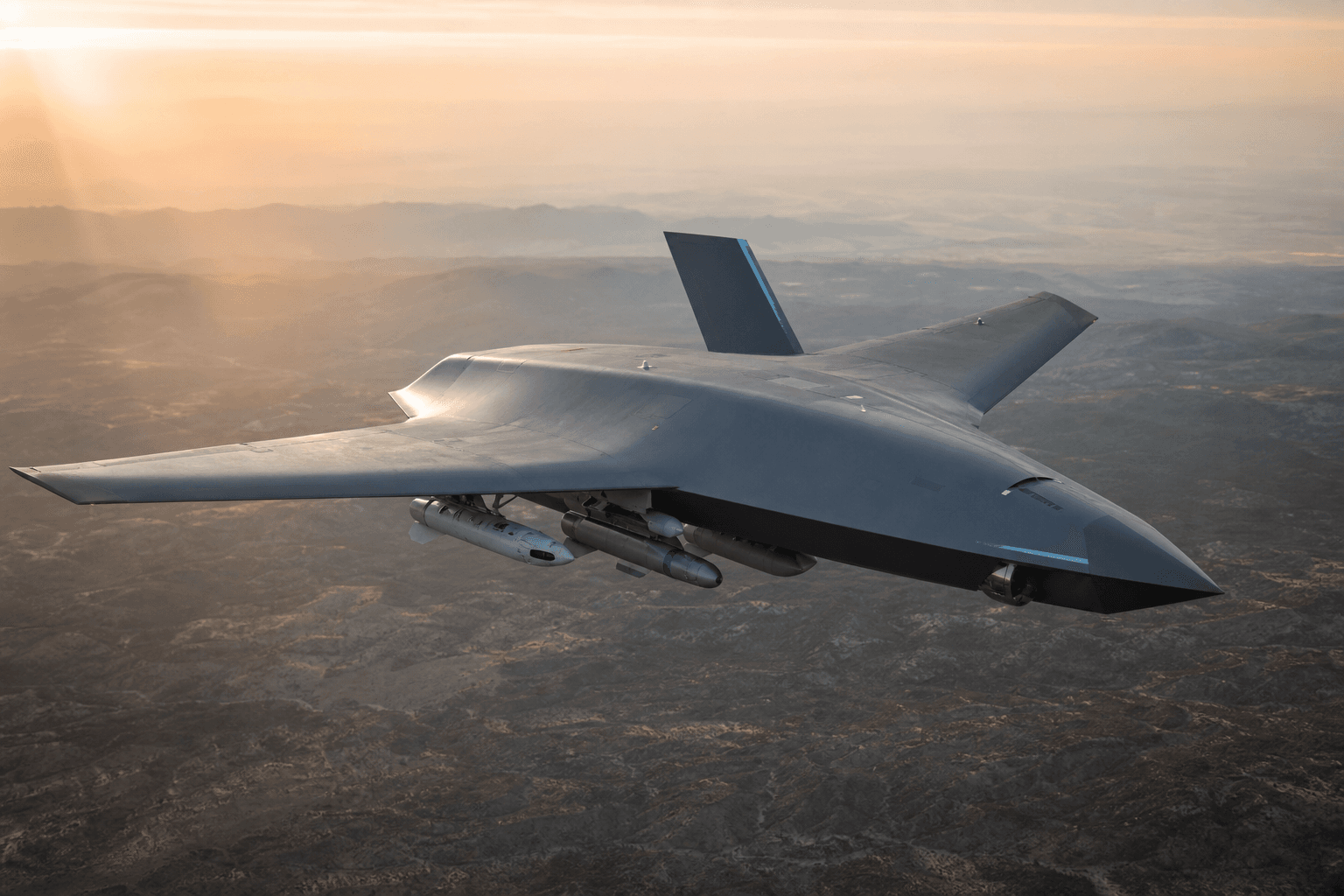
Boeing unveils advanced MQ-28 capabilities, extended combat reach
- More than 25% percent larger wing expands mission range and boosts stores capacity
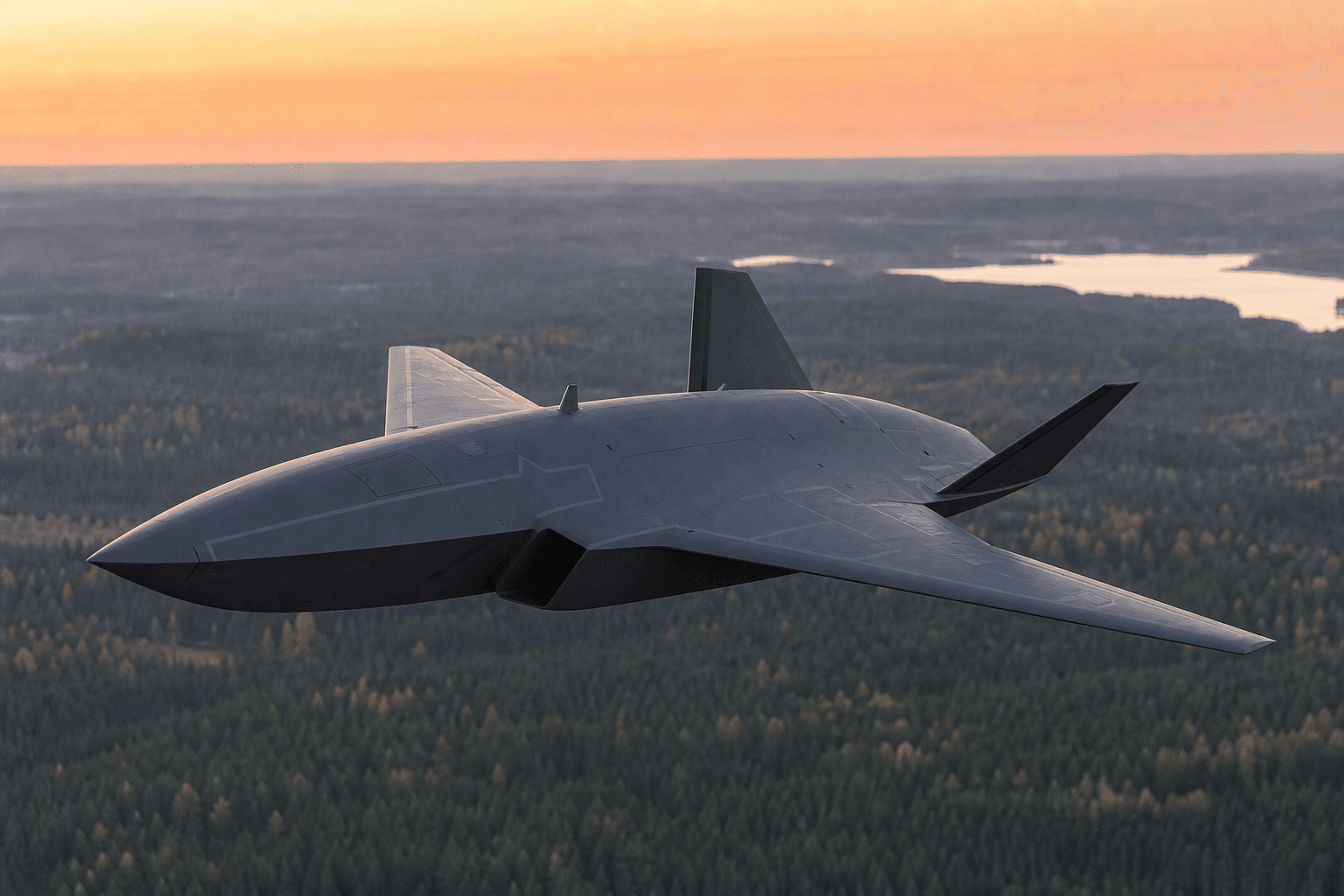
Boeing Expands German MQ-28 Ghost Bat Industry Team
- Diehl Defence and Rohde & Schwarz join Rheinmetall in Boeing's German MQ-28 Ghost Bat industry team

Can Student Pilots Fly Through Military Airspace?
It's just a matter of understanding the rules and ATC requirements for transitioning through the controlled corridor during training.