

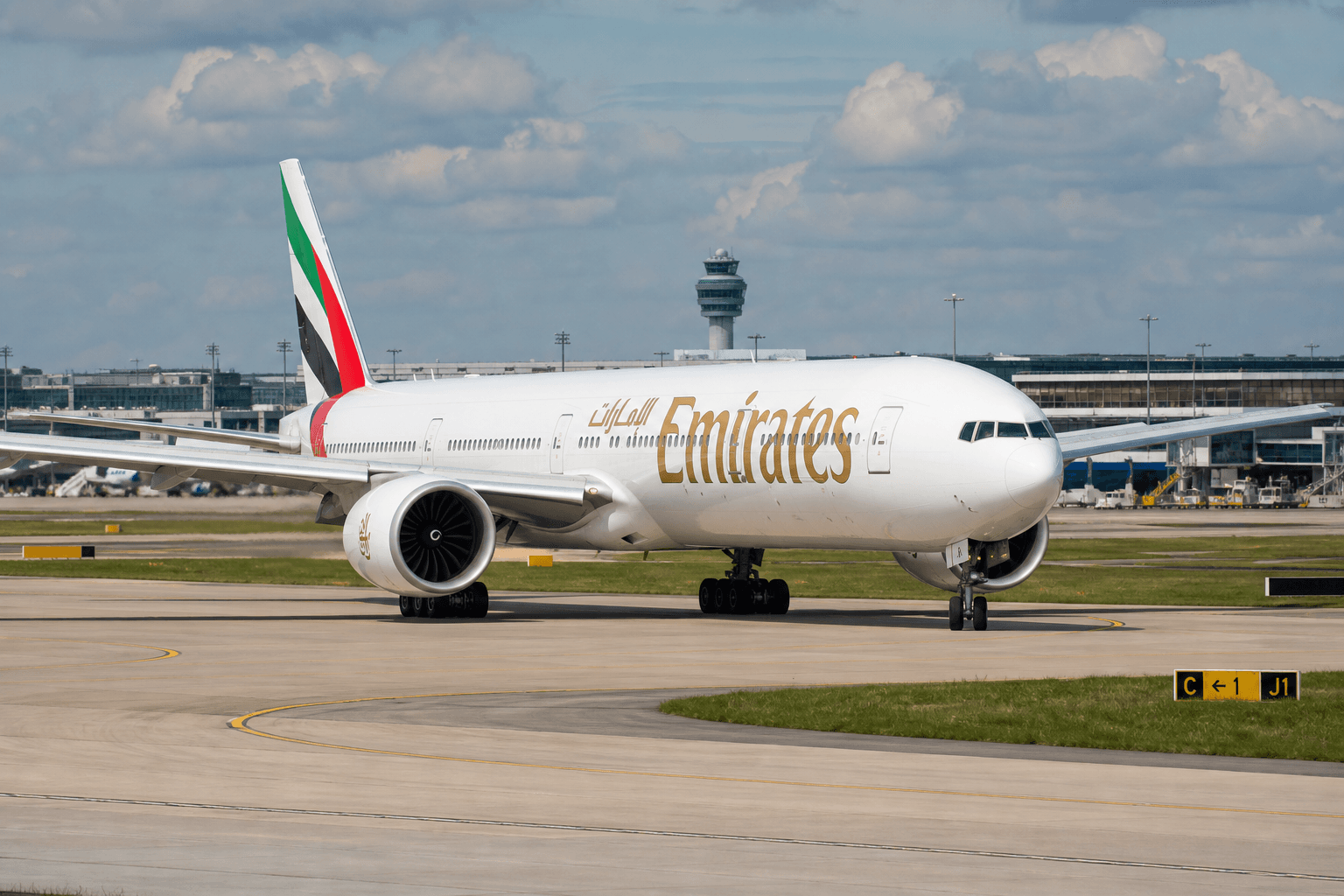
Illustration: The Touch & Go
GE90 Remains Exclusive Engine for Boeing 777-300ER Due to Technical and Economic Factors
Boeing's 777-300ER is exclusively powered by GE90 engines, a decision shaped by intricate requirements, cost considerations, and timeline constraints.
The gist
The Boeing 777-300ER runs only with GE90 engines because of strict design requirements and economics.
The Boeing 777-300ER airliner continues to rely solely on General Electric's GE90 engine, with no alternative powerplants available. This exclusivity stems from a complex combination of engineering requirements, financial implications, and scheduling demands involved in aircraft and engine integration. The GE90 has been engineered to meet the 777-300ER’s performance and reliability expectations, making it a critical component of the aircraft’s design.
From the outset, Boeing designed the 777-300ER to operate with the GE90, a high-thrust engine capable of supporting the extended range and payload demands of this large wide-body aircraft. The engine’s specifications align precisely with the aircraft’s needs, including thrust output, fuel efficiency, and compatibility with the 777’s structural design. This deep integration means swapping in a different engine design would entail extensive reengineering.
Economic factors further discourage consideration of alternative engine options. Developing or certifying a different engine for the 777-300ER would involve significant costs and time, outweighing potential benefits. Airlines' expectations for commonality and reliability also funnel demand towards the known GE90, reinforcing the status quo and stability for operators who rely on established maintenance and support networks.
The timetable pressures for new engine development and certification for an airliner as complex as the 777-300ER play a pivotal role. Delays or complications could jeopardize airline delivery schedules, creating financial and operational ripple effects. This strategic importance of timing limits the feasibility of introducing any other engine type on this airframe.
Looking ahead, while engine technology continues to evolve, the entrenched position of the GE90 in the 777-300ER program underscores broader industry trends towards optimizing existing engine-aircraft pairings rather than reengineering platforms mid-life. Manufacturers and operators alike prioritize incremental performance improvements and lifecycle cost management within established platforms rather than pursuing alternative powerplants.
More in Airlines
Norse Atlantic details take-up from rights issue
Scandinavian budget carrier had offered new shares as well as conversion of bonds. Long-haul budget carrier Norse Atlantic has disclosed that 78.8% of the subscription rights for its recent new share issue were validly exercised. The airline had offered just under 2.04 billion new shares at a price of NKr0.50, to raise gross proceeds of…
Ryanair CEO O'Leary Extends To 2032 In Deal Worth €150M, Nears 40 Years At The Helm
This €150M deal ensuresO'Leary's leadership steers Ryanair through a decade of growth, as the airline eyes 300 million annual passengers by the 2030s.
Cranky on the Web: Avelo's New City, The Air Show on IATA
A new airline is coming to Cleveland. Here's what travelers should know – Cleveland.com Imagine you aren't familiar with Avelo, but they come to your town for the first time. How do you describe the airline? I spoke with the Cleveland paper to explain that this is truly basic air transportation. And though nobody is...
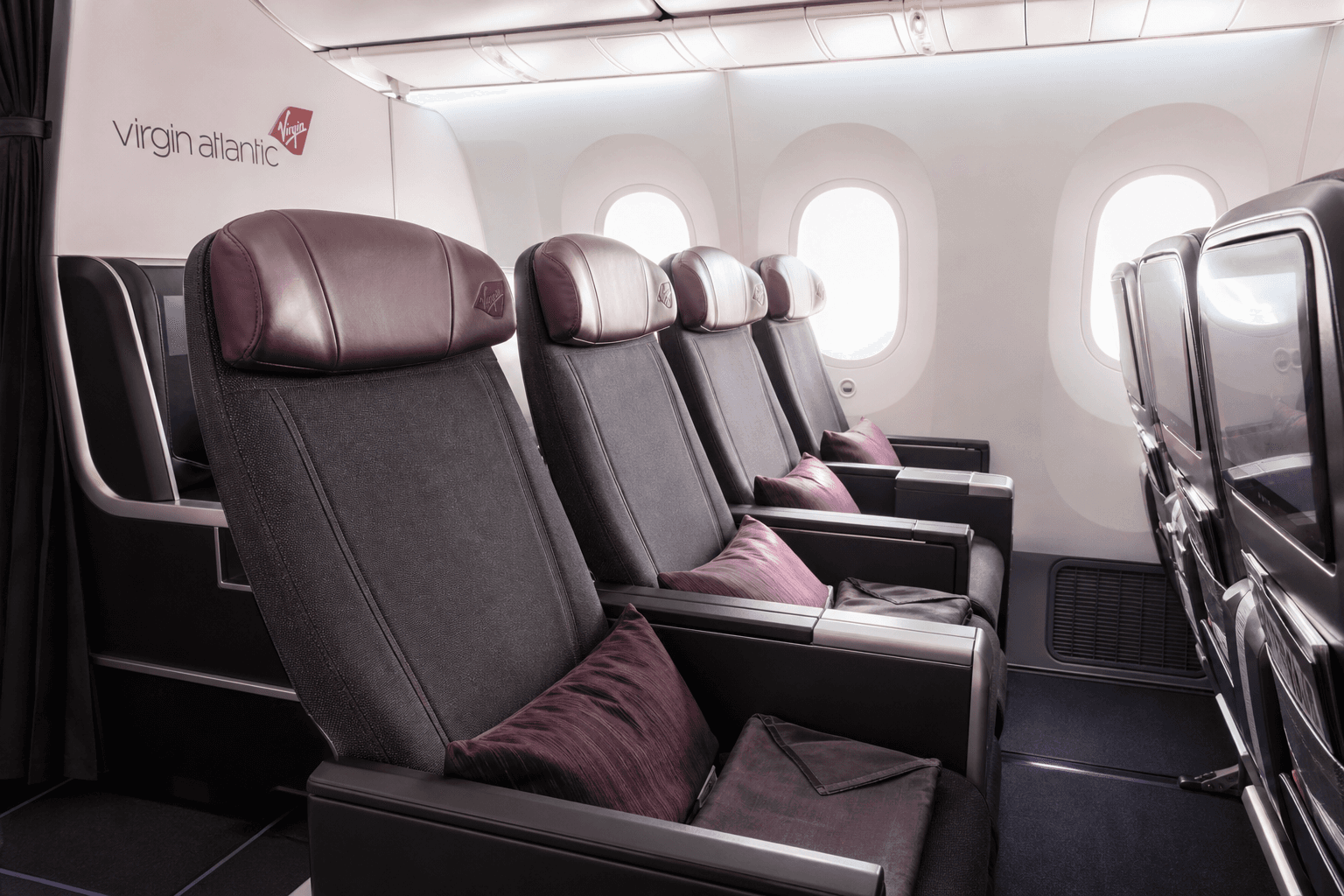
The Airline That Invented Premium Economy Just Built A 42-Inch Seat Nobody Else Can Match
When looking at premium economy offerings, there is only one airline where you can find a 42-inch seat.