

Illustration: The Touch & Go
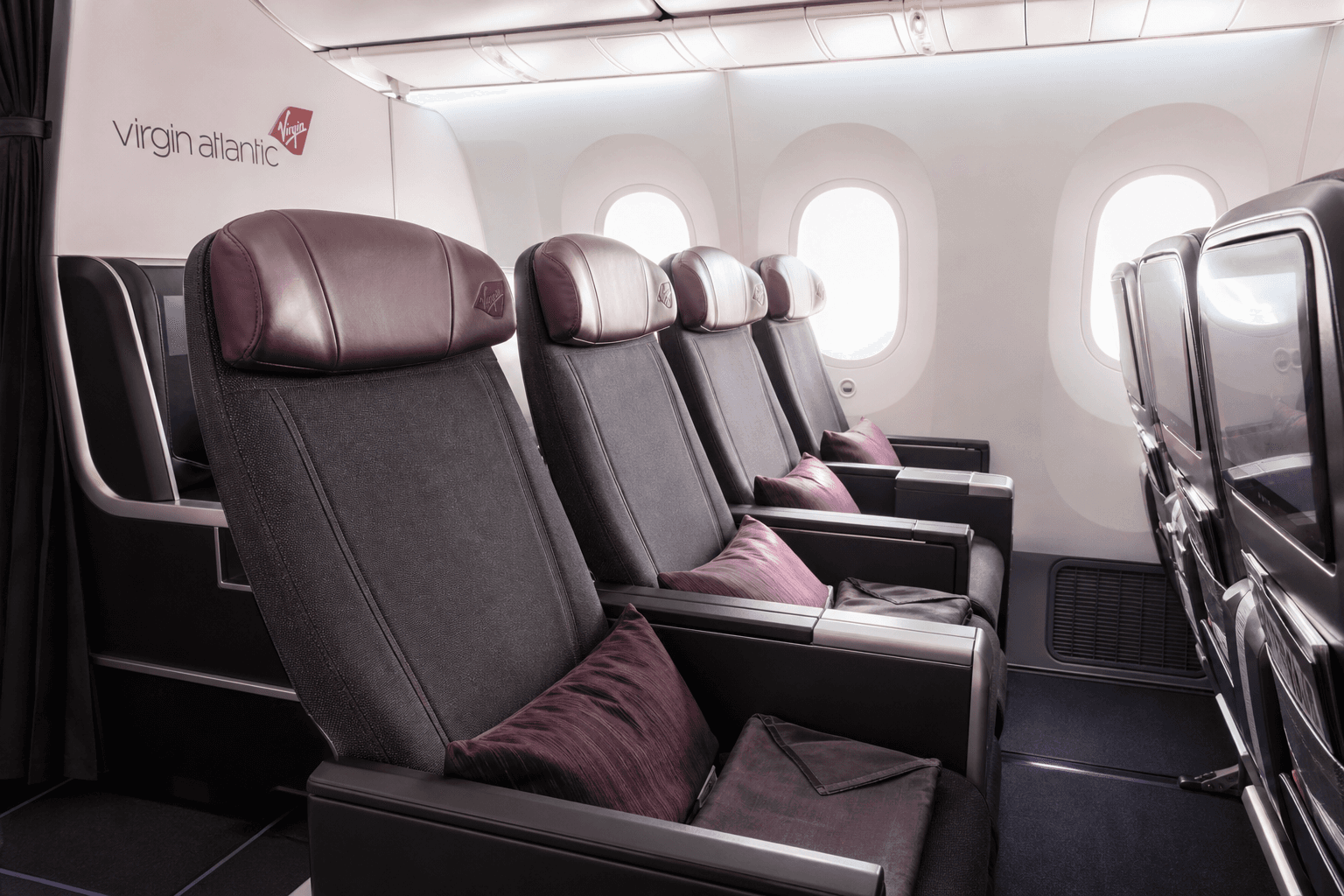
EVA Air launches direct Taipei-Washington route with unmatched 42-inch premium economy seats
EVA Air unveils a new transpacific route from Taipei to Washington Dulles featuring a premium economy cabin with a 42-inch seat pitch, delivering exceptional comfort and challenging legacy carriers.
The gist
EVA Air debuts a 14-hour nonstop Taipei-Washington flight boasting industry-leading 42-inch premium economy seats to attract high-yield travelers.
EVA Air has inaugurated a new four-times-weekly direct service connecting Taipei Taoyuan International Airport (TPE) and Washington Dulles International Airport (IAD), marking its tenth gateway in North America and significantly expanding its transpacific network. This new corridor stretches 7,860 miles, delivering a 14-hour eastbound journey and about 15.5 hours westbound, providing nonstop access that bypasses traditional crowded West Coast hubs, particularly for travelers in the political and corporate heartland of the US capital region.
Historically, passengers traveling between the Washington area and East Asia faced the inconvenience of routing through congested West Coast airports such as Los Angeles or San Francisco, adding hours and complexity to trips. The new direct route eliminates these transfers and associated risks like baggage mishandling, streamlining travel for over 40,000 annual passengers and tapping into a premium customer segment that values efficiency and comfort.
EVA Air has strategically chosen to operate this route with its latest Boeing 787-9 Dreamliners configured in a three-class layout optimized for balance and profitability. The aircraft seats 278 passengers—26 in Royal Laurel business suites, 28 in premium economy, and 224 in standard economy. Notably, the premium economy cabin occupies just four rows in a spacious 2-3-2 arrangement, breaking from industry norms with an exclusive 42-inch seat pitch, an unprecedented feature in this market segment.
The airline's premium economy seats include an advanced cradle-motion system that simultaneously moves the cushion forward and up, delivering eight inches of recline without impinging on the space of the passenger behind. Additional amenities include a 15.6-inch high-definition touchscreen, personal electronic device holders, and multiple power outlets, catering to passengers who prioritize workspace and comfort on ultra-long-haul flights.
This distinct cabin offering contrasts with competitors who typically employ tighter configurations with 38-inch pitches and denser eight-abreast layouts that reduce shoulder space. By scaling down to seven-abreast seating and prioritizing roominess, EVA Air creates a scarce, high-value product that commands premium pricing and disrupts legacy carrier dominance on East Coast transpacific routes.
The choice to establish the route into Washington Dulles specifically targets a region with immense corporate, diplomatic, and diaspora travel demand. The new service projects over $61 million in annual economic impact for the region and provides an independent carrier a foothold that directly challenges US domestic legacy airlines, which traditionally control much of the premium traffic through their alliances.
This direct East Coast service fundamentally shifts traffic flows, relieving pressure on overcrowded West Coast hubs. Connecting flights through Los Angeles or San Francisco have long added delays and complexity to transpacific journeys for East Coast travelers. EVA Air’s nonstop alternative simplifies itineraries and enhances traveler satisfaction, especially for corporate clientele and government officials who require efficient connections.
The premium economy product aligns tightly with corporate travel policies that often restrict booking business class but permit premium economy on very long-haul flights. Thus, EVA Air's offering expands its appeal to business travelers who seek comfort but face budget or policy constraints, positioning the airline to capture lucrative market share in a competitive and evolving transpacific landscape.
By pioneering a spacious premium economy seat and launching it on a selective nonstop East Coast flight, EVA Air is resetting expectations for comfort and service in this cabin segment. This approach may influence competitors to re-evaluate their cabin densities and configurations on long-haul routes to maintain premium passenger bases and revenue per seat mile.
Read more
All Airlines →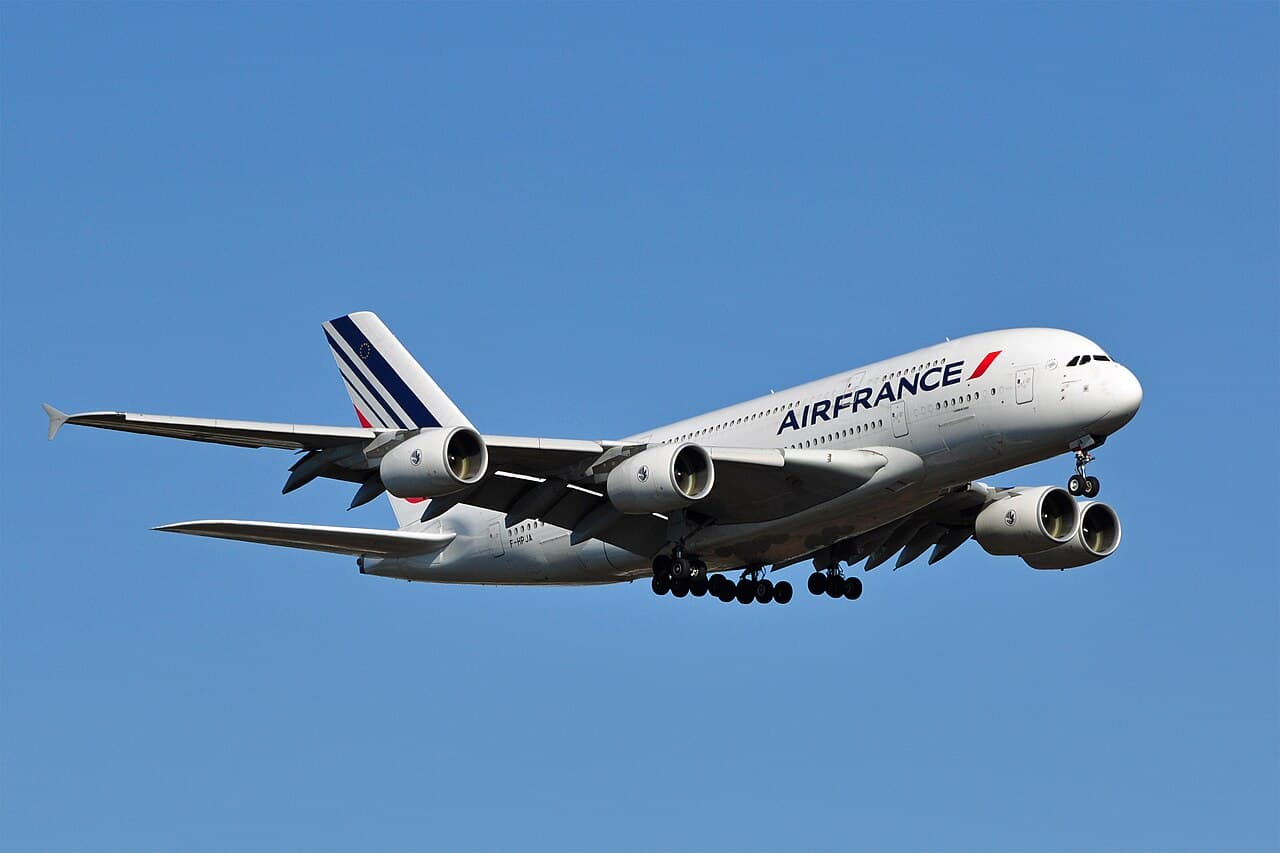
Qantas Operates 11 Ultra-Long Nonstop Flights with Melbourne-Dallas Route as Longest
August is the summer in the Northern Hemisphere but the winter Down Under. This month, Qantas is the world's 24th-largest operator by long-haul flights. It'll be a while until the carrier's Airbus A321XLRs fly long-haul . There is little need to mention the A350-1000ULR until the first route is scheduled .
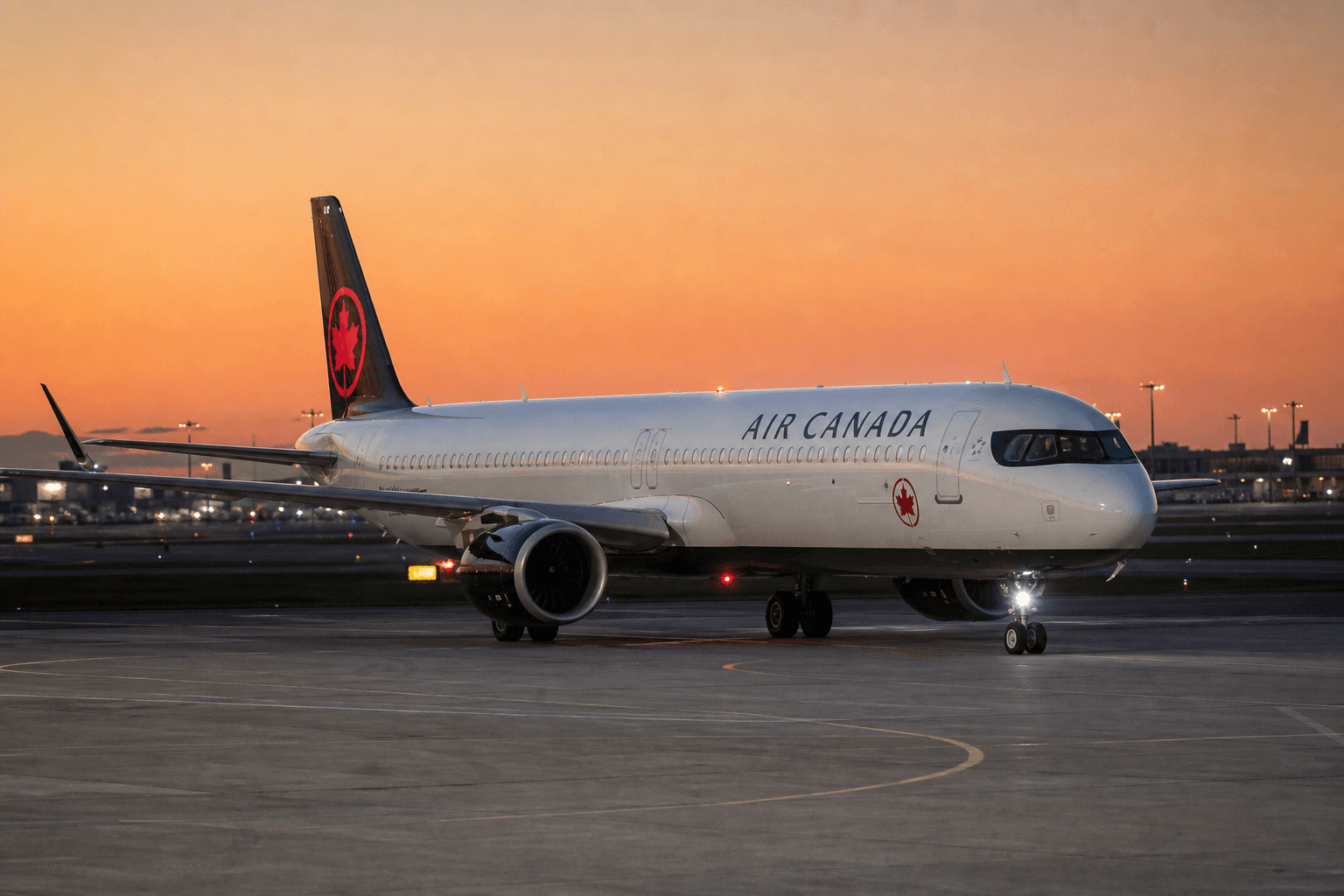
Air Canada launches new long-haul routes to Tenerife and Sapporo for 2026/27 winter
Air Canada has been steadily expanding its international network in recent years. The airline has added several new destinations so far this year and increased its presence across leisure markets. It is continuing this expansion with more additions for the 2026/27 winter season .
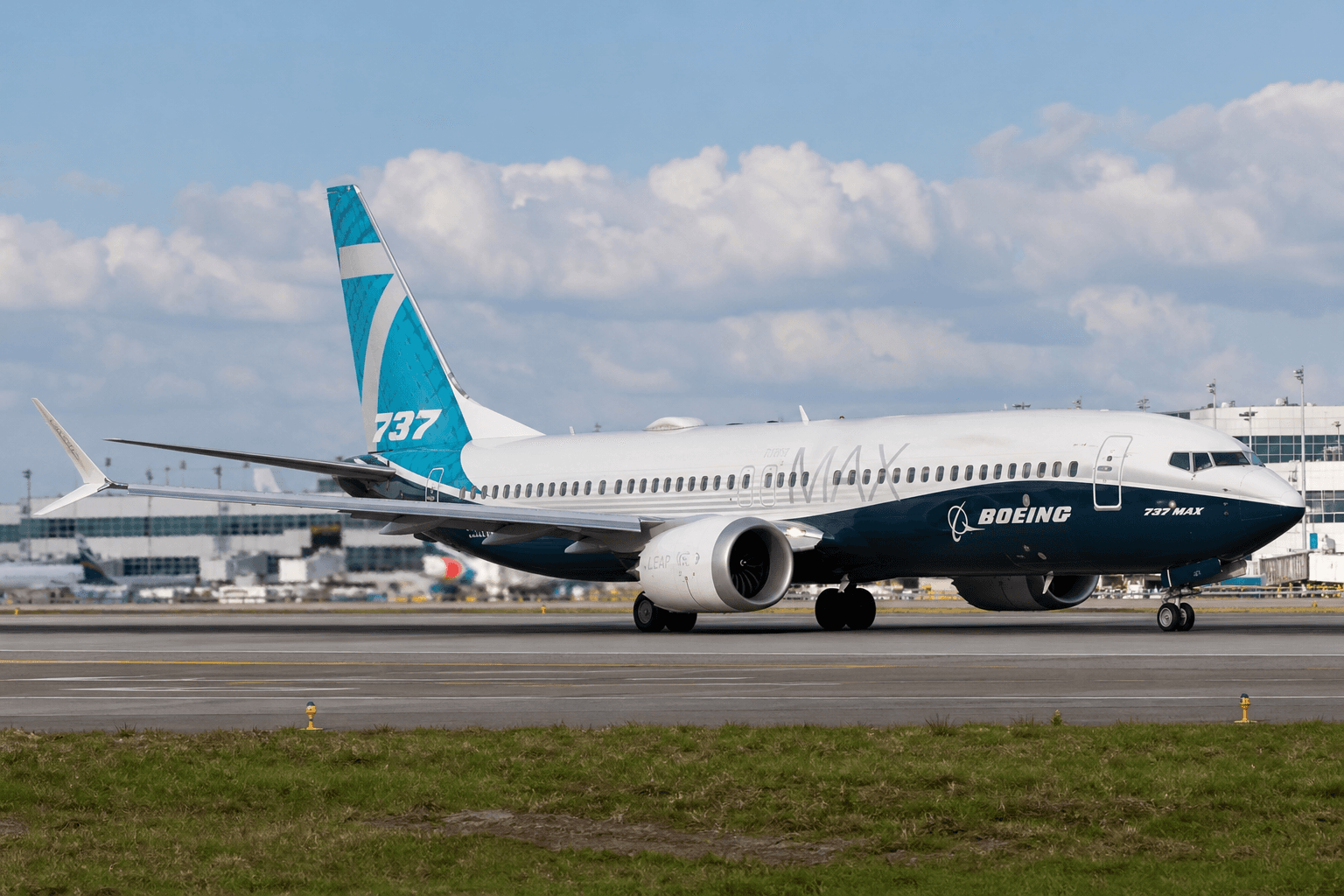
Boeing Delivers 53 Jets in July Amid Airbus Lead in 2026 Production Race
Boeing handed over 53 commercial airplanes in July 2026. The total marks steady progress in the company’s recovery. It also highlights ongoing competition with rival Airbus. ezstandalone.cmd.push(function () { ezstandalone.showAds(119); }); The deliveries included 39 Boeing 737 MAX jets and 10 787 Dreamliners. Boeing also delivered three 767s and one 777 Freighter. These numbers come from the company’s monthly orders and deliveries report. Modest Gain for Boeing, Clear Lead for Airbus July’s total rose about 10 percent from the same month last year. In July 2025, Boeing delivered 48 airplanes. That earlier figure included 37 MAX jets and eight 787s.Still, the July 2026 result fell short of recent highs. ezstandalone.cmd.push(function () { ezstandalone.showAds(127); }); Boeing delivered 60 planes in May and 64 in June. Production timing and customer readiness can cause these monthly swings. Airbus outpaced Boeing in July . The European manufacturer delivered 67 aircraft to 39 customers. That figure included a strong mix of A320-family jets plus several A220s and A350s. ezstandalone.cmd.push(function () { ezstandalone.showAds(128); }); Year-to-date through July 31, the gap remains clear. Airbus has delivered 418 planes. Boeing has delivered 367. Airbus continues to hold the monthly and cumulative lead. Photo Credit: Boeing Boeing’s Production Focus Boeing continues to raise 737 MAX output. The company aims to stabilize rates near 47 jets per month. Regulators earlier lifted tighter limits after past safety issues. The higher pace supports backlog reduction and customer needs. ezstandalone.cmd.push(function () { ezstandalone.showAds(129); }); The 10 Dreamliner deliveries stand out. Boeing delivered 13 of the jets in June but only six in May. Seat certification delays slowed some earlier handovers. July’s total shows progress at the South Carolina factory. Fresh Orders Maintain Momentum July also brought new business for Boeing. Uganda Airlines signed for four 787-9 Dreamliners and four 737 MAX 8s. This marked the African carrier’s first direct order with Boeing. The deal supports fleet growth and more efficient routes. AerCap ordered 15 more 787-9s. The lessor already holds a large Dreamliner portfolio. This addition expands its offerings to airline customers. ezstandalone.cmd.push(function () { ezstandalone.showAds(130); }); Boeing recorded 38 gross orders in July. These covered 18 of the 737 MAX, 19 of the 787, and one 777X. Eight 737 MAX cancellations offset some of the gains. Net orders for the month stood near 30 after adjustments. Through the end of July, Boeing logged 429 net orders for the year. Airbus posted a much stronger sales month with 204 gross orders. The European firm continues to build a larger backlog overall. Photo Credit: Boeing The Bigger Picture Deliveries serve as a useful proxy for factory output. Not every completed plane leaves in the same month it rolls off the line. Customer readiness and final checks can shift the timing. ezstandalone.cmd.push(function () { ezstandalone.showAds(131); }); Boeing trails Airbus in monthly deliveries and year-to-date totals. Yet Boeing’s focus remains clear: steady production increases, quality improvements, and backlog fulfillment. Narrowbody MAX jets drive most volume. Widebody 787s add higher-value activity. Both manufacturers face supply-chain pressures as they chase ambitious full-year targets. Airbus aims near 870 deliveries for 2026. Boeing works to close the gap through higher rates and consistent output. The July data shows Boeing moving in the right direction after earlier challenges. New orders from airlines and lessors keep the pipeline healthy. Industry watchers will track the next rate increases and how the two rivals perform through the rest of the year. ezstandalone.cmd.push(function () { ezstandalone.showAds(132); });
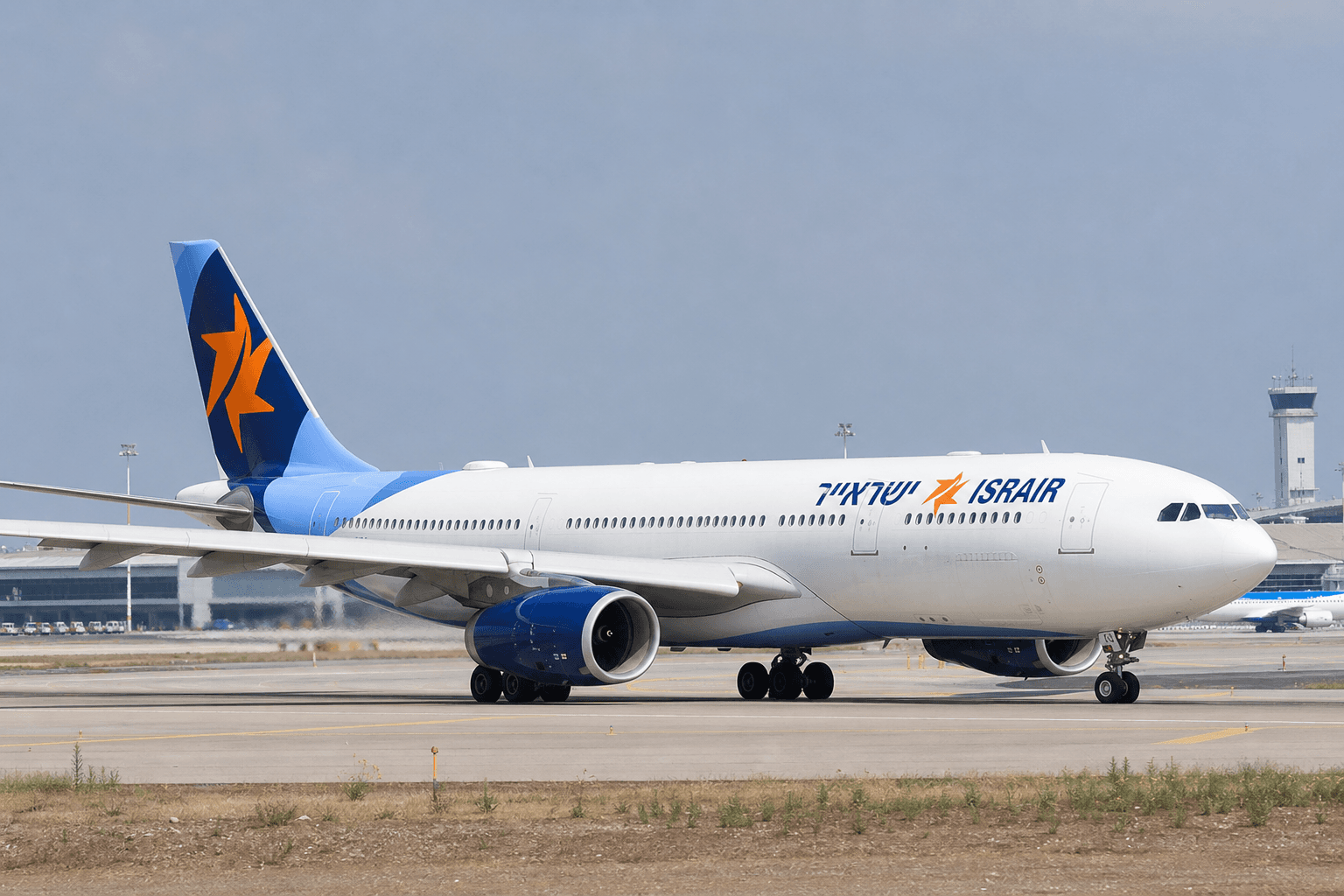
Israir revives ex-American Airlines A330s for upcoming New York-Tel Aviv flights
American Airlines retired its relatively young Airbus A330-200s during the pandemic, leaving itself short of long-haul aircraft just as international demand returned. Now two of those ex-American jets belong to Israir, which plans to use them for Tel Aviv–New York service — potentially bringing American's old planes back to a market American itself still has not resumed.
The Daily Touch & Go
The day's best aviation news in your inbox. Free, no spam.