
Multiple unknown drones breach restricted airspace at Australian F-35 base
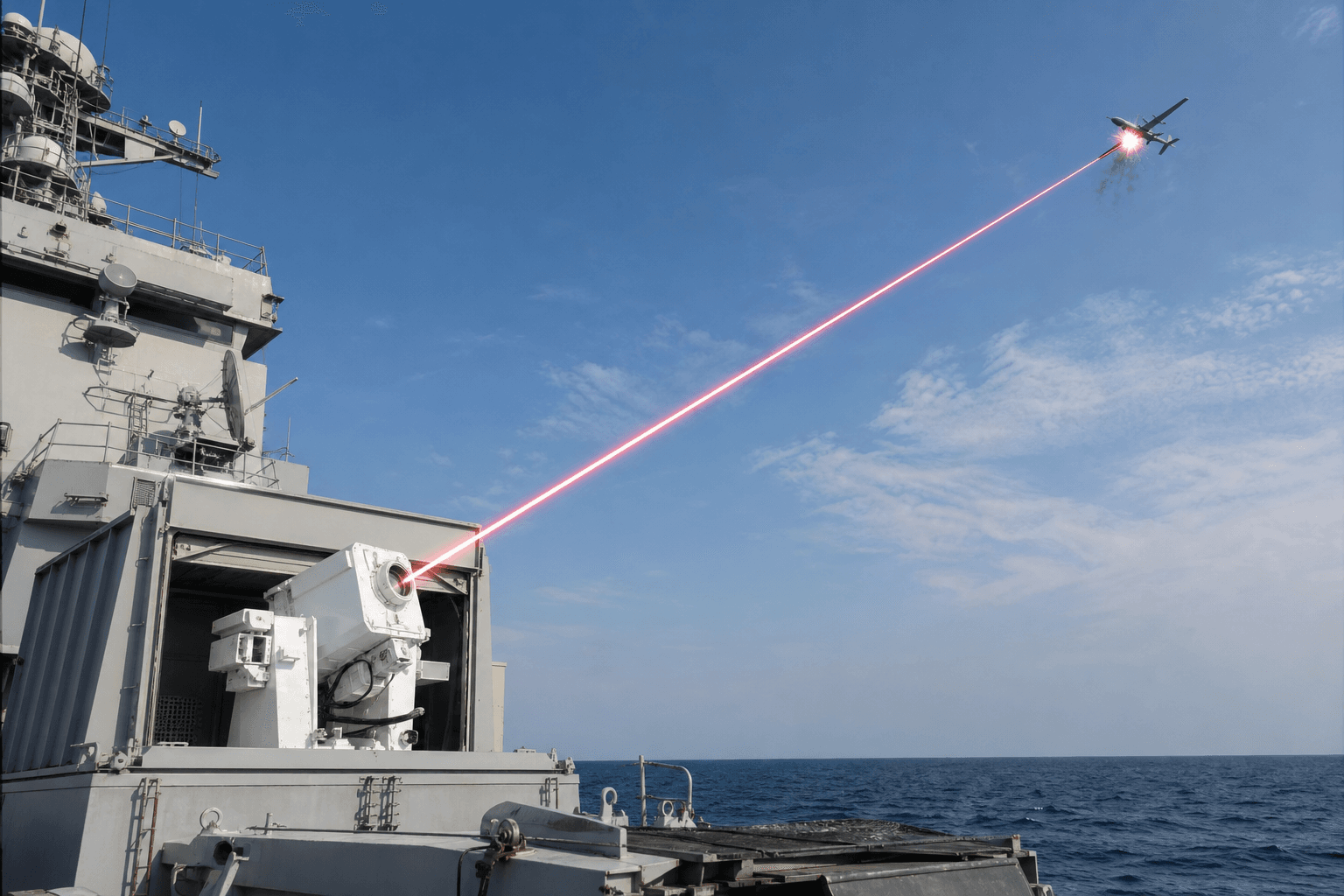
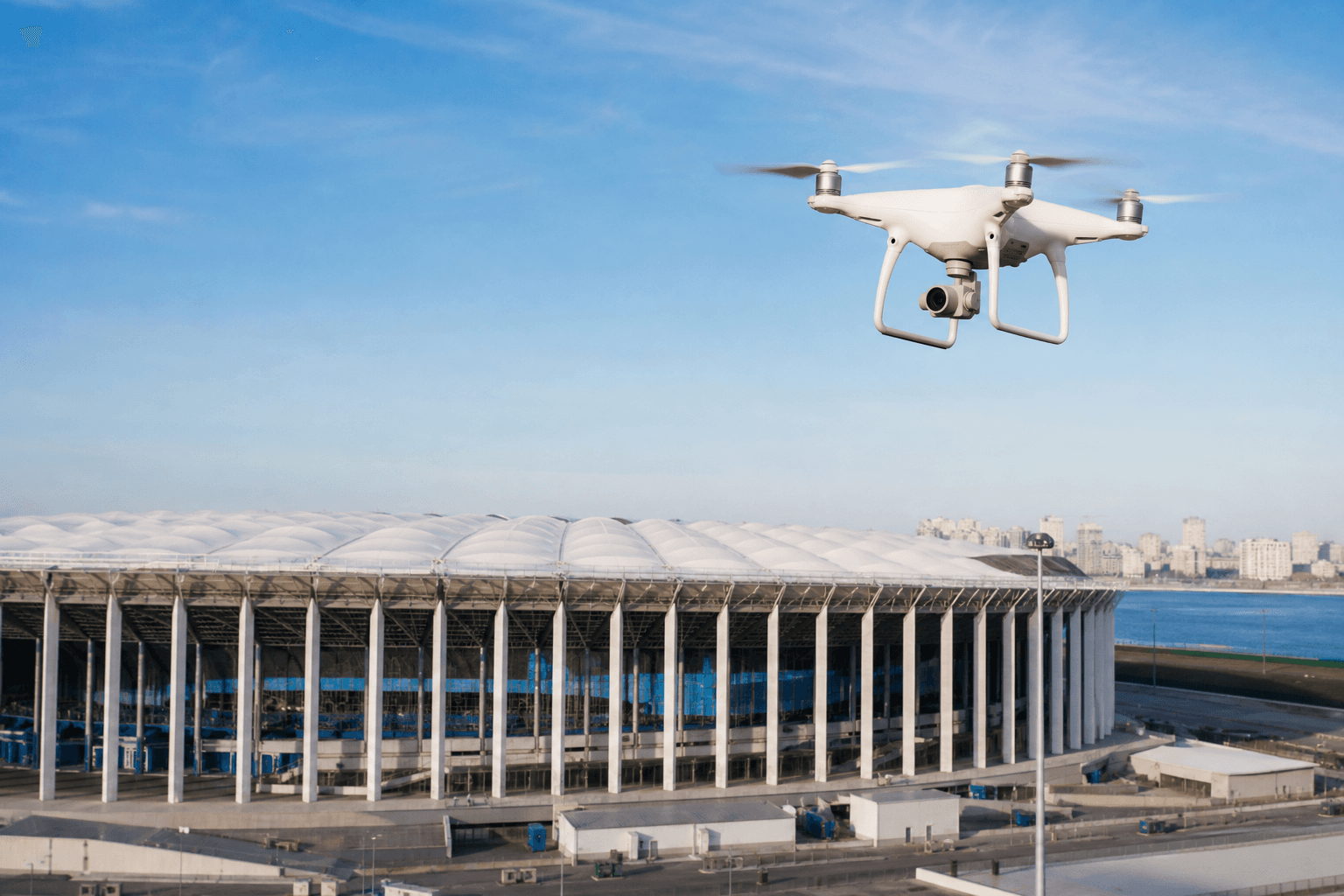
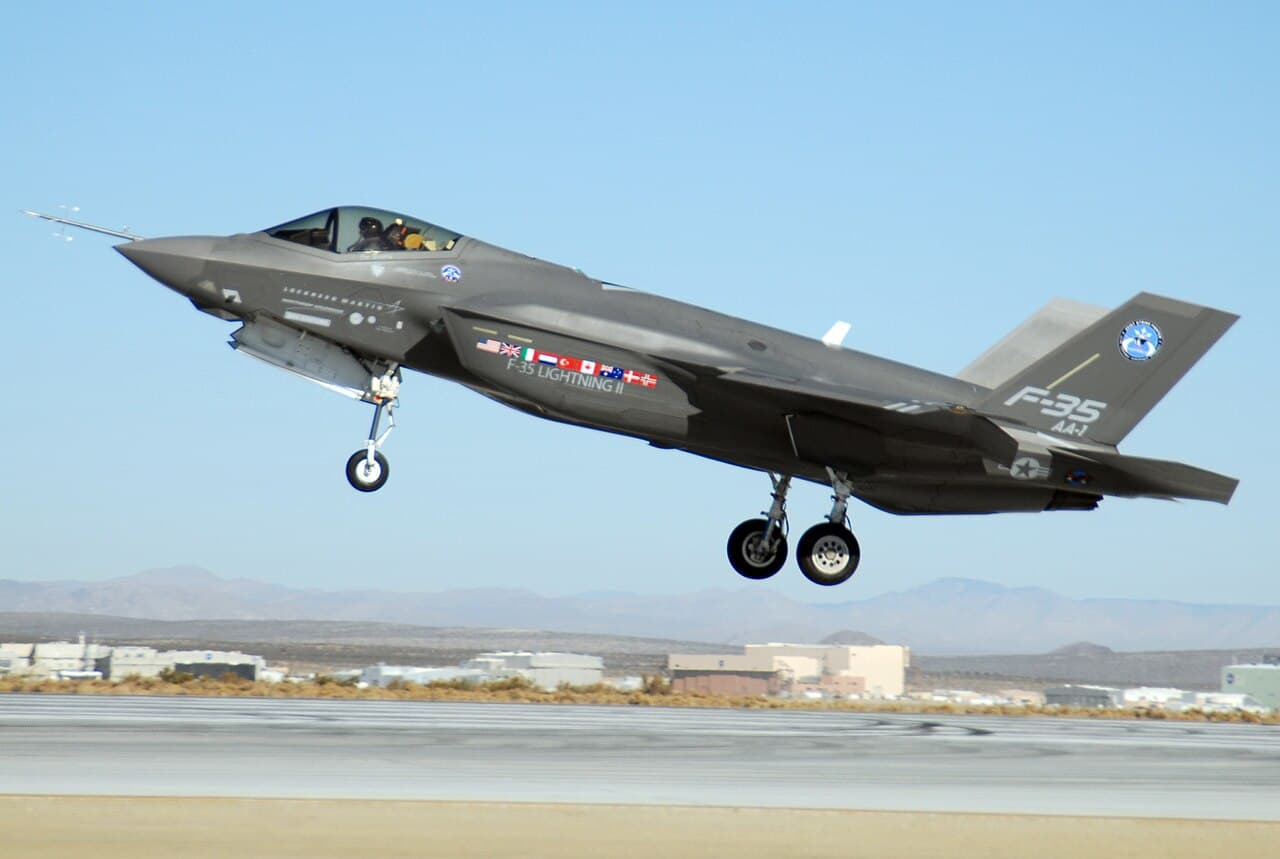
The incident is the latest in a string of drone incursions into secure facilities around the world. The air base housing some of Australia’s most sensitive military aircraft was overflown by multiple drones of unknown origin over the course of three days. RAAF Williamtown in New South Wales is home to the bulk of Australia’s inventory of Lockheed Martin F-35A stealth fighters, as well as the country’s Boeing E-7 Wedgetail airborne early warning and control jets. The facility is collocated with the Newcastle commercial airport. Multiple airspace breaches were logged at Williamtown between 11 and 13 July, according to reporting from The Daily Telegraph . Australia’s minister for defence industry, Pat Conroy, acknowledged the incident in a 10 August interview with broadcaster ABC Newcastle . Conroy describes the incursions as “UAS activity over the airport”. “This is sadly something we’re seeing more often, people operating drones near airports, both civilian and military airports,” he adds. Conroy declines to address specific questions about the incident, such as the number and type of drones involved or the impact on either military or civil operations. The Telegraph report claims the Australian Defence Force does not know who was operating the UAS or what the reason was for the incursion. Military personnel at Williamtown apparently resorted to closing the window blinds at base facilities and calling the New South Wales (NSW) police for assistance. An investigation into the matter by the NSW police is now complete, according to Conroy. The defence industry minister adds that Canberra enacted regulatory changes last year to allow Australian military personnel to “seize, disable or destroy drones” and that the government is investing A$7 million ($4.9 million) in new counter-UAS equipment. Actually stopping marauding quadcopters can prove difficult in practice, particularly in civil airspace. While a range of kinetic, directed-energy and electronic warfare measures can be deployed in combat zones, such systems can also pose a risk to commercial aviation, potentially requiring protracted and disruptive ground stops. In February, the civil regulators at the US Federal Aviation Administration (FAA) ordered a hasty closure of the airspace around El Paso, Texas, which included halting flight operations at El Paso International airport. It was later reported that the FAA ordered the ground stop after the Pentagon and US Customs and Border Protection (CBP) deployed a counter-drone laser weapon to the area around El Paso, which sits on the US-Mexico border. The laser’s deployment was a response to drone activity in the area linked to Mexican drug cartels, according to the Trump administration. CBP fired the directed-energy system at what later turned out to be an innocuous party balloon, according to reporting from The New York Times, without coordinating with the FAA. Drone incursions are a growing issue at secure facilities around the world, both military and civilian. Earlier this month, a drone carrying an explosive device impacted a cargo aircraft at Leipzig-Halle airport in Germany but failed to detonate. A second UAS was discovered on the ground carrying a detonator and explosive device. A police bomb disposal unit was able to disarm the device.