
Air Baltic to scale back A220 fleet to around 40 aircraft in strategic overhaul
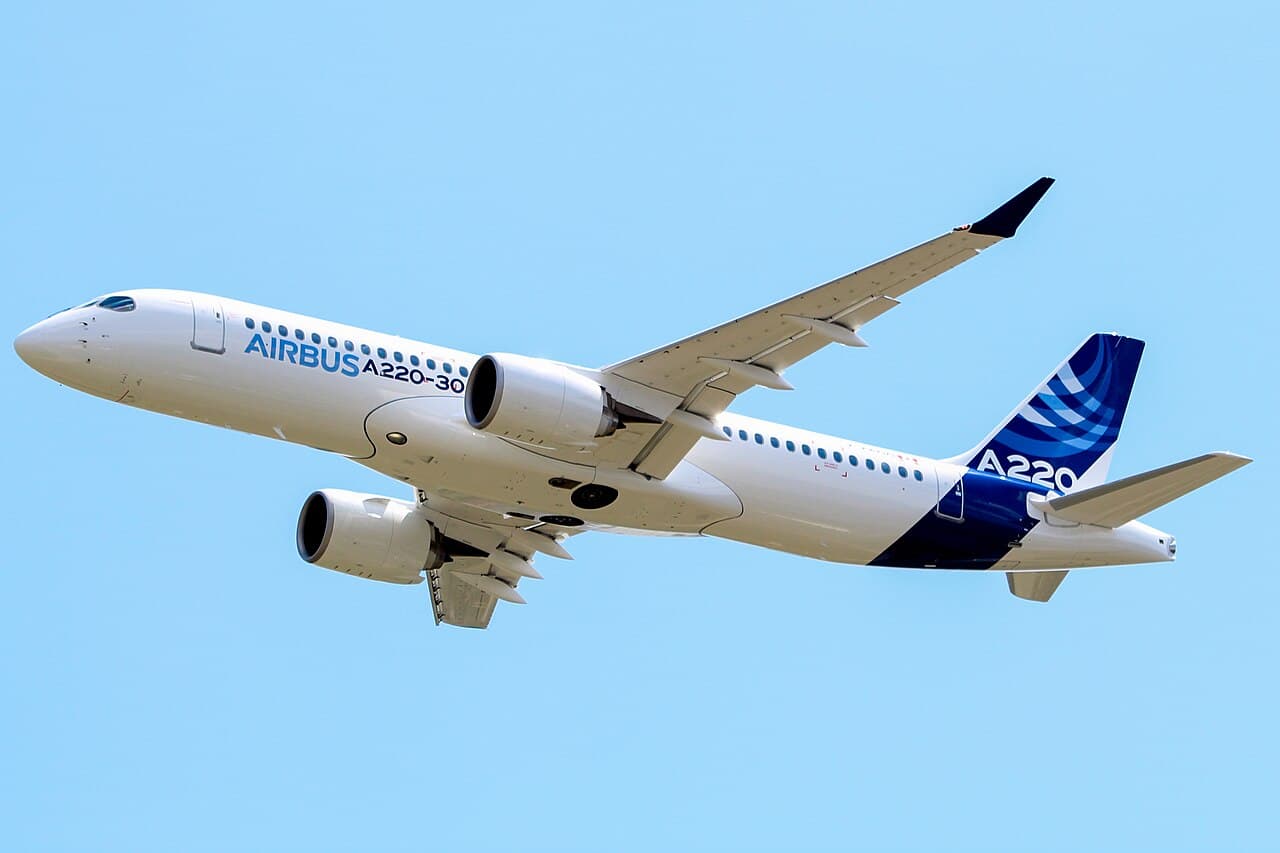
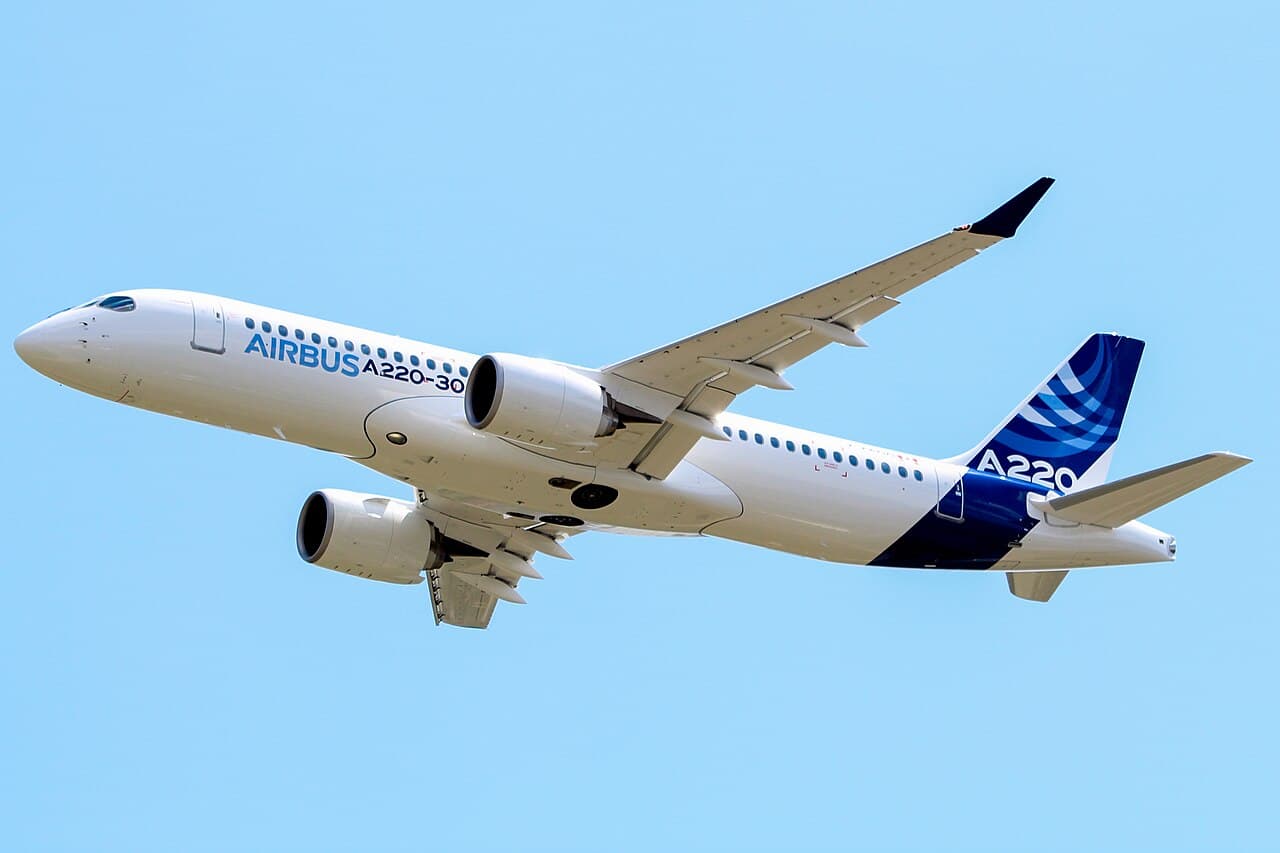
Latvian carrier envisages a long-term fleet of around 40 A220-300s as it works on €225m interim recapitalisation. Air Baltic is to cut its fleet to around 40 Airbus A220-300s under a new long-term strategic plan, supported by moves for an initial interim €225 million ($260 million) recapitalisation. The Latvian carrier operates a fleet of 54 A220s but, under the plan announced today, expects this to fall to 36 by the end of the year and to stand at 41 by 2031. Under the carrier's previous business plan, developed in line with an anticipated IPO, Air Baltic envisaged expansion towards a 100-strong aircraft fleet off the back of “sustained growth” in passenger volumes and ticket revenue across the Baltic region and wider European markets. "Since then, the operating environment has changed materially," the carrier says, citing moderated demand and revenue growth, geopolitical events in the Ukraine and the Middle East and the Pratt & Whitney GTF engine issues which have restricted the carrier's ability to deploy its full fleet. "The revised business plan responds to these developments with a deliberate shift in priorities: financial stability first, growth second,” the carrier says. “It aligns Air Baltic's network, fleet, cost base and capital structure with current market conditions." Earlier this year Air Baltic secured consent from the country's parliament for a short-term state loan of €30 million to prop up its liquidity. The carrier’s medium-term strategy had centred on an IPO to raise capital, but market conditions and the company's financial position left the timing and feasibility of such a venture uncertain. Air Baltic chief executive Erno Hilden, who took the helm in December last year, says: "Every successful airline must continuously adapt to a changing market. Thus, this business plan is about making disciplined choices that strengthen Air Baltic's long-term competitiveness while preserving what matters most – reliable connectivity and operations, together with financial sustainability." Air Baltic's revamped business plans will focus on its Riga hub, but rather than "pursuing broad expansion”, will add depth and frequency on existing routes where demand and profitability are strongest. This will be supplemented by selected point-to-point services and seasonal flying to improve fleet utilisation. While the carrier envisages scheduled capacity initially falling, it sees this surpassing current levels by 2031, reflecting what it terms "a more focused network strategy". The carrier aims to strengthen its commercial partnerships with ACMI customers as part of efforts to boost its profitability. Air Baltic is targeting €45 million in recurring annual benefits from the measures, predominantly generated through cost savings. The carrier's plan also includes measures to recapitalise. It aims to address its near-term liquidity requirements through €225 million of interim financing. "The interim financing is intended to bridge the company to a permanent financing solution and remains contingent on the required bondholder resolutions and other approvals," it says. The carrier's proposed permanent financing package comprises up to €225 million of new debt financing and €100 million of new equity capital. Air Baltic expects to post revenues of around €800 million this year, rising to €1 billion by 2031. The plan envisages its EBITDAR to reach €192 million next year and €300 million in 2031.