

airBaltic Announces Fleet Reduction and Financial Restructuring to Enhance Profitability
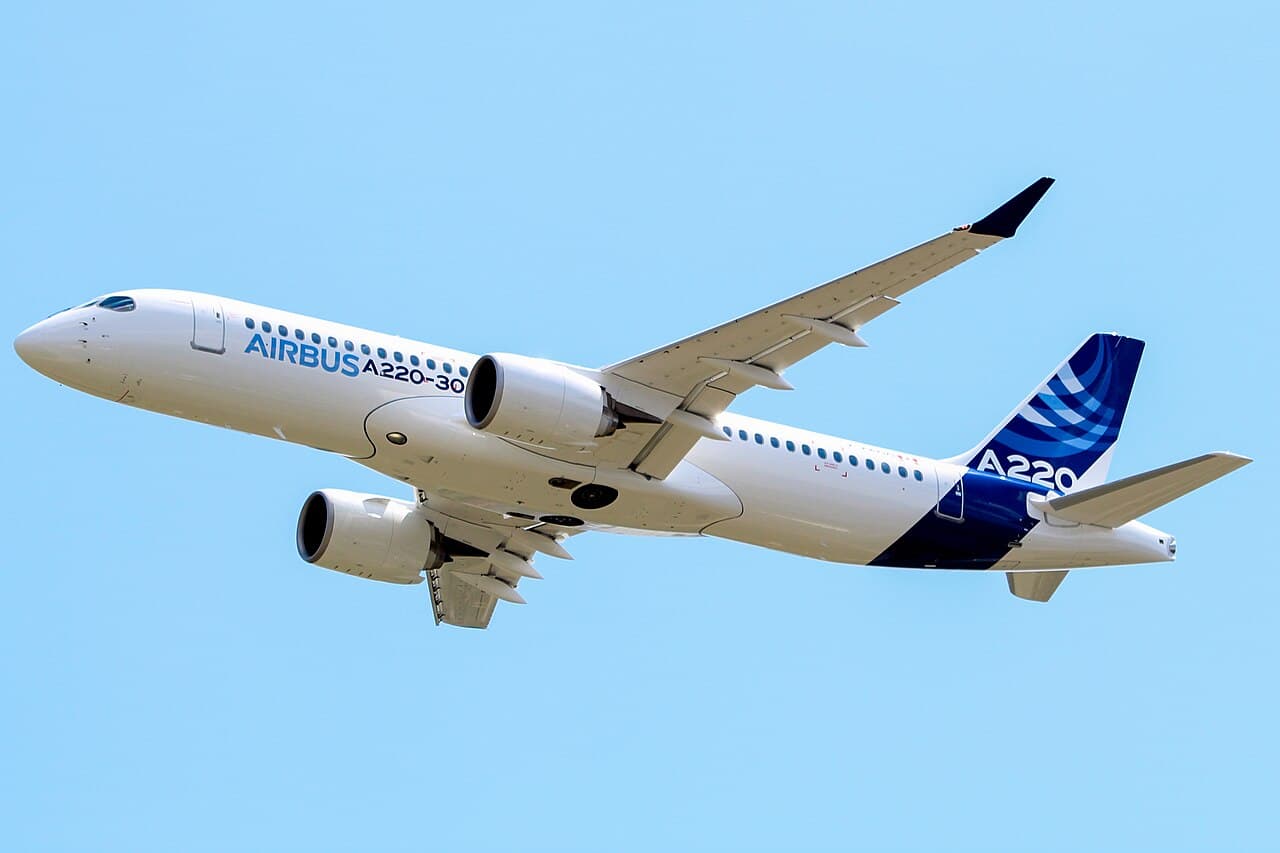
Latvian airline airBaltic has announced a major restructuring plan. The carrier aims to strengthen its balance sheet, shrink its Airbus A220-300 fleet, and boost profitability. Riga will remain its primary hub. The airline expects to operate about 36 A220-300 aircraft by the end of 2026. ezstandalone.cmd.push(function () { ezstandalone.showAds(119); }); This marks a clear reduction from its current fleet of 54 planes. Over the following years, the fleet will grow gradually to around 40 aircraft by 2031. Earlier plans had targeted a much larger fleet of nearly 100 aircraft. Despite the smaller fleet size, airBaltic projects that scheduled capacity will stay broadly stable in the longer term. The airline plans to achieve this through higher aircraft utilisation, a more demand-driven network, and expanded year-round ACMI partnerships. ezstandalone.cmd.push(function () { ezstandalone.showAds(127); }); Financial Targets and Cost Savings airBaltic is targeting roughly €45 million in recurring annual benefits. These gains will come from a mix of cost reductions and new revenue initiatives. Revenue is forecast to rise from €779 million in 2025 to about €800 million in 2027. By 2031, the airline expects revenue to reach approximately €1 billion. EBITDAR is projected to hit around €300 million in the same year. ezstandalone.cmd.push(function () { ezstandalone.showAds(128); }); As part of the plan, airBaltic seeks €225 million in interim financing. This funding will help meet near-term liquidity needs. A longer-term recapitalisation would involve up to €225 million of new debt and €100 million of new equity. Together, these measures total €325 million. The restructuring also proposes converting a portion of the airline’s 2029 Senior Secured Notes into equity. The remaining portion would be replaced by up to €125 million of reduced debt. All financing and recapitalisation steps remain subject to bondholder resolutions and other necessary approvals. ezstandalone.cmd.push(function () { ezstandalone.showAds(129); }); Photo Credit: airBaltic Improved Leverage Outlook Net leverage is expected to improve significantly under the plan. It is projected to fall from 8.94x in 2025 to around 4.8x after the proposed recapitalisation at the end of 2026. By 2031, leverage could decline further to 1.6x. Reasons Behind the Revised Strategy airBaltic said the updated plan reflects several external pressures. These include weaker demand and slower revenue growth, ongoing geopolitical uncertainty, and continued constraints on Pratt & Whitney engine availability. The airline stressed that normal operations continue without interruption. Existing tickets, bookings, and passenger services remain fully unaffected by the restructuring. ezstandalone.cmd.push(function () { ezstandalone.showAds(130); }); Looking Ahead The revised business plan marks a shift toward greater financial discipline and operational focus. By operating a leaner fleet more intensively and securing fresh capital, airBaltic aims to build a more resilient and profitable business over the coming years. The carrier continues to serve its network from Riga while adapting to current market realities. Further updates on the financing process and implementation of the plan are expected as approvals progress. This strategic reset positions airBaltic to navigate current challenges while laying the groundwork for sustainable growth through 2031. ezstandalone.cmd.push(function () { ezstandalone.showAds(131); });