

Lufthansa 787-9 Nose Gear Collapses at Frankfurt with Locking Pin Left in Storage
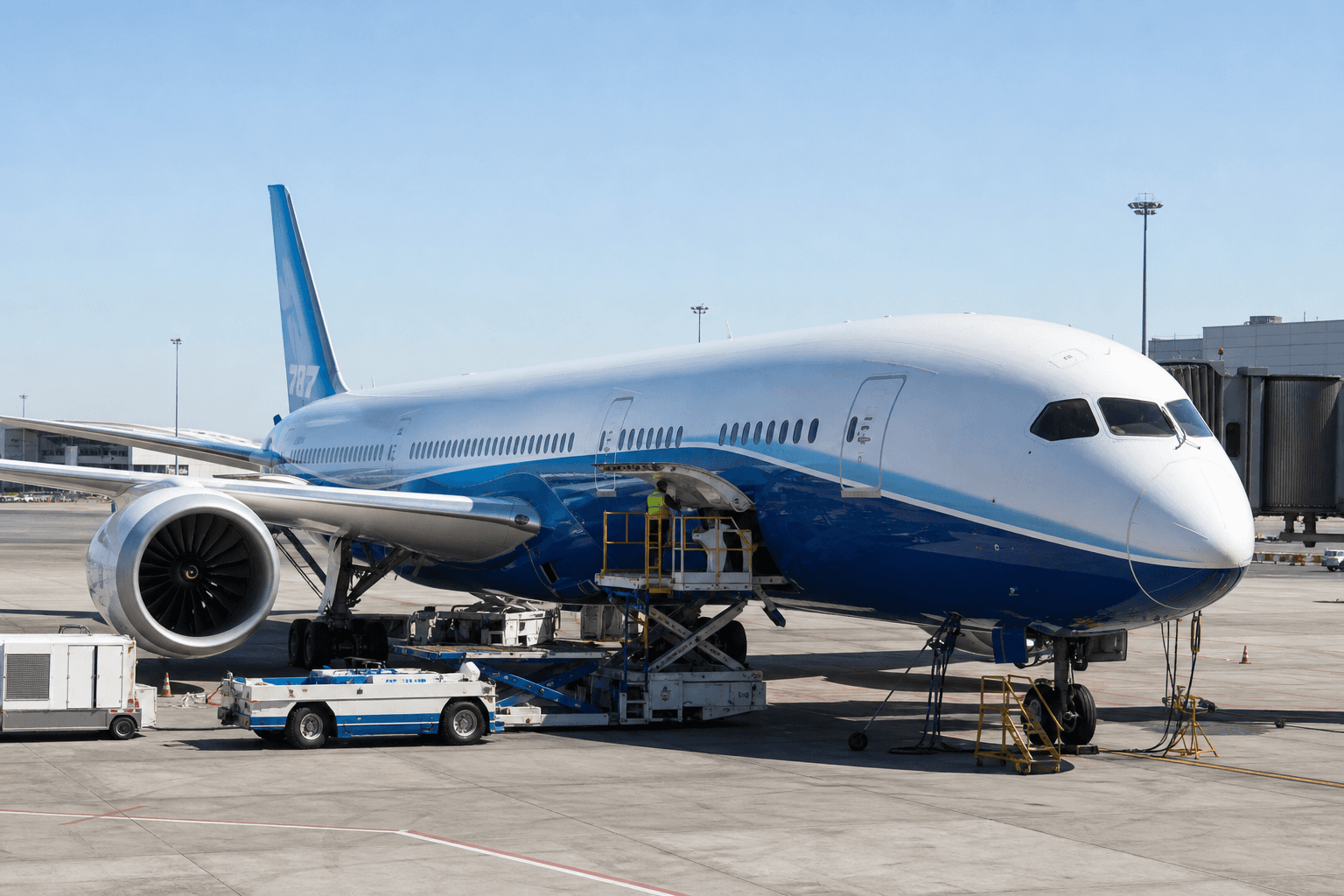
Technicians in cockpit were trying to resolve gear-door control issue before Frankfurt accident that injured 23. German investigators probing a Lufthansa Boeing 787-9 nose-gear collapse at Frankfurt have disclosed that a nose-gear locking pin was found in its storage box after the accident. Four other locking pins had been properly installed in the two main landing-gear assemblies, says investigation authority BFU in preliminary findings. But it says the nose-gear pin "was not inserted into the intended hole", nor was it located in the area of the nose-gear. The aircraft had arrived at Frankfurt Main Terminal 1's gate A15 following a service from Austin on 4 June, and was being prepared for a flight to Los Angeles. When the captain and senior first officer entered the cockpit, two technicians were sitting in the pilots' seat carrying out a test to address an issue with the main landing-gear door control system. As part of the test, the landing-gear lever was to be selected 'up'. But with the locking pin not fitted, the nose-gear retracted when the lever was activated, and the 787's nose and engine nacelles struck the ground. The electrical system simultaneously failed and the aircraft's lights went out. BFU says parts of the fuselage and the nose-gear bay were "severely damaged". Twenty-eight people, including 13 crew members, 13 ground-handling personnel, and the technicians, had been on board. BFU says two of the occupants were seriously injured, with another 20 receiving minor injuries. Six other personnel — five ground-handlers and a technician near the nose-gear — were attending the aircraft. There was a high loader positioned at the open forward cargo door, and it was damaged during the accident. Two handlers in the vicinity of the cargo hold were unharmed, but another stationed on the handling equipment was slightly injured. Two crew members and four other people were ultimately taken to hospital. BFU says that a partition to the avionics compartment was accessed through the forward cargo hold, and a nose-gear locking pin — with its red flag — was found in the locking-pin storage box. While the investigation is continuing, the inquiry points out that the fault isolation manual used in the analysis procedure includes an instruction to fit the landing-gear locking pins. This task also referred to the procedure described in the aircraft maintenance manual for securing the landing-gear with the pins, which includes illustrations on insertion. No flight-recorder information was available because the conditions for recorder activation were not met at the time.