Illustration: The Touch & Go
FAA and EASA to Enhance Collaboration on Advanced Aviation Certification
The FAA and EASA plan frequent leadership reviews to better align certification processes for advanced aviation technologies including flight deck automation and data sharing.
The gist
FAA and EASA aim to streamline advanced aviation approvals through joint reviews enhancing certification and data sharing.
The Federal Aviation Administration (FAA) and the European Union Aviation Safety Agency (EASA) have announced a commitment to enhance cooperation on certifying advanced aviation technologies. Their agreement calls for regular leadership-level reviews focusing on key areas such as certification pathways, flight deck automation, and data-sharing initiatives. This move aims to reduce regulatory complexity and accelerate approvals for emerging aerospace innovations.
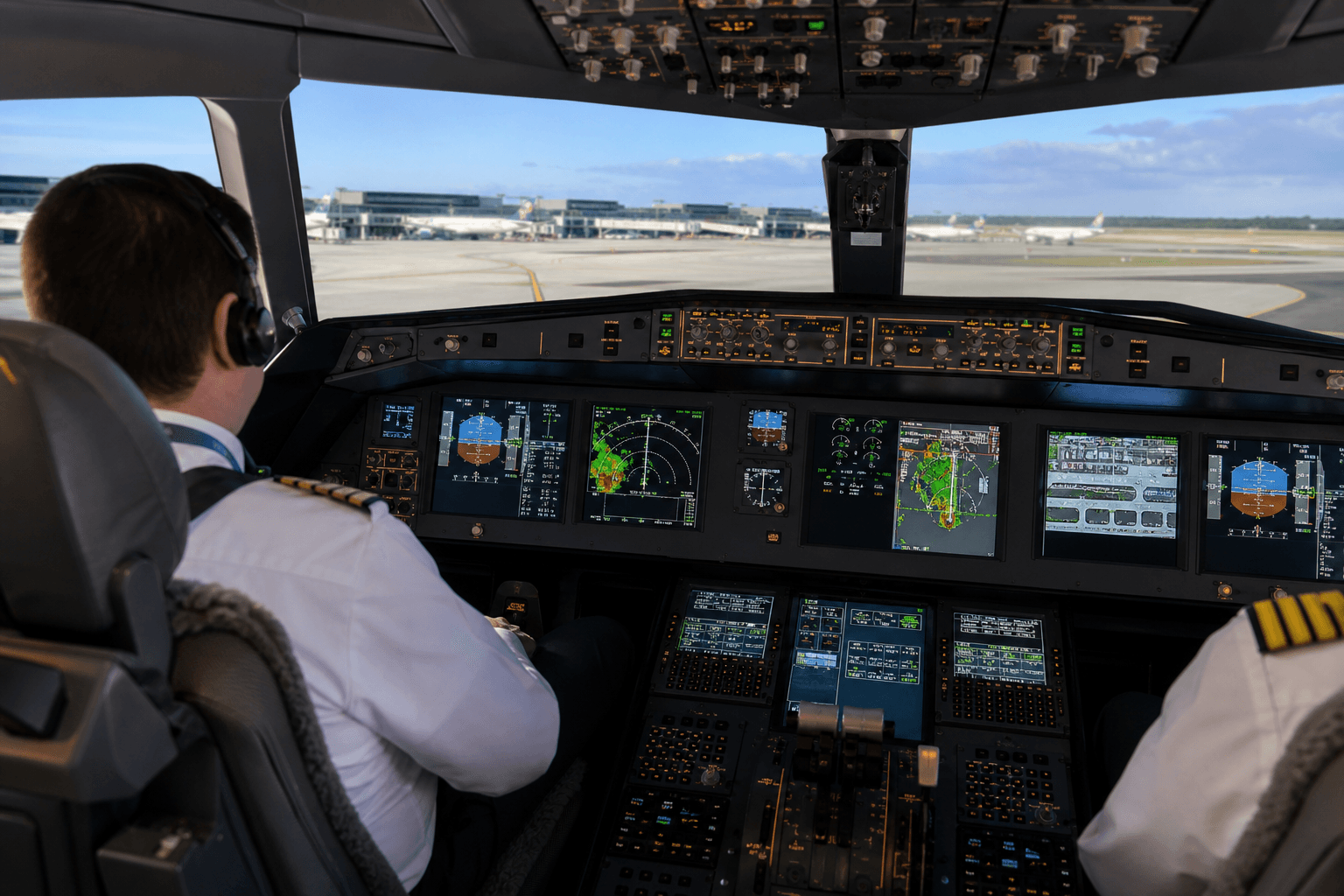
Certification of novel aviation systems often involves navigating varying regional standards, which can delay market entry and inflate costs. By harmonizing approaches through ongoing collaboration, the FAA and EASA seek to create more predictable and efficient certification processes. Flight deck automation technologies, which increasingly integrate artificial intelligence and advanced sensors, are a primary area of focus due to their critical safety implications and potential to transform aircraft operations.
Data sharing between regulatory bodies is another pillar of the agreement. Cooperation in exchanging operational data and certification findings will help both agencies identify risks earlier and streamline oversight tasks. This collaborative data approach is especially important as aviation evolves to incorporate more complex digital systems and autonomous functions.
The agencies' decision emerges amid a surge in advanced aviation projects including electric vertical takeoff and landing (eVTOL) aircraft, urban air mobility concepts, and increasingly automated airplanes. Streamlining certification is essential to enabling these technologies to reach service faster while maintaining safety standards.
Stakeholders in the aerospace industry have welcomed the FAA and EASA's initiative, viewing it as a vital step to support innovation in a competitive global environment. These joint reviews and shared efforts will be instrumental in preparing regulatory frameworks capable of accommodating rapid technological progress in aviation.
Looking forward, this partnership may serve as a model for other international aviation regulators to promote harmonized standards worldwide. Companies developing advanced flight systems can anticipate more synchronized certification guidance, reducing duplicative efforts and fostering global market access.