Aviation SafetyJul 15, 10:27 AM
EASA revamps flight training simulator rules with new capability-based system
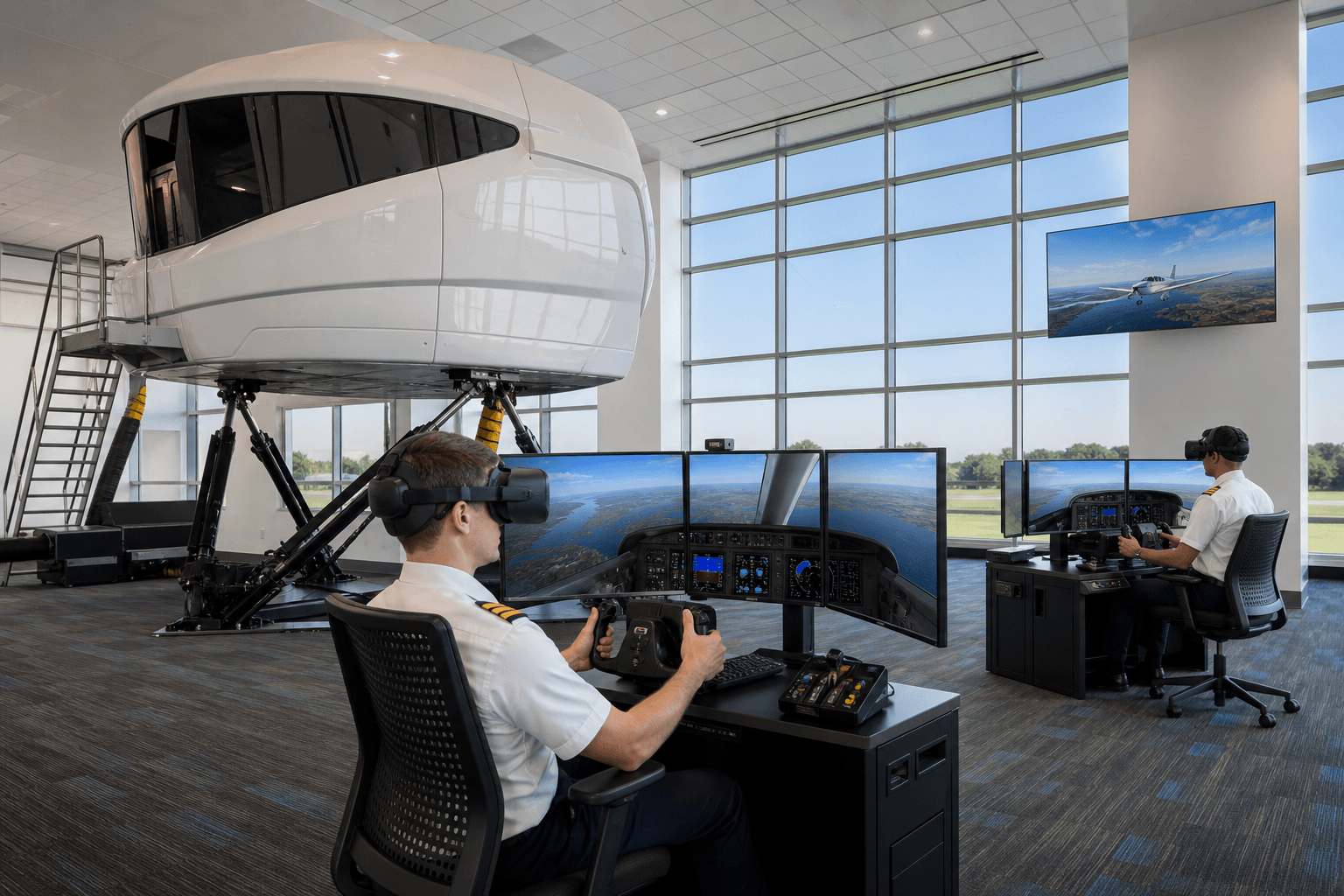
More flexible qualification framework lessens dependence on full-flight simulators. Europe's safety regulator has embarked on an implementation programme after overhauling the qualification framework for flight-simulation training devices. The change shifts away from the previous regulatory structure – founded on fixed device types and levels – to a more flexible capability-based approach, providing more freedom to use systems other than full-flight simulators. This enables training devices to be assessed for "what [they] can actually do", says European Union Aviation Safety Agency (EASA) flight standards director Francesco Gaetani. EASA had previously highlighted the need for a rule change in order to overcome "discrepancies and barriers" that restricted the possibility of obtaining training credits when using different types of training device. It had pointed out that flight-training devices would remain relegated to a limited role, while full-flight simulators dominated the sector, unless the situation was addressed. EASA drew up proposals based on a "capability signature" – essentially a standardised 'fingerprint' of the training device's fidelity levels and features. The new framework has also adapted to account for advances in technology including virtual reality and touchscreen interfaces. "It supports innovation, enables new technologies to be integrated into training and helps ensure that pilots continue to receive effective, high-quality training in an evolving aviation environment," says Gaetani. Approved training organisations will have more freedom to choose simulation devices which are most suited to achieving the necessary training objectives, through an optional 'task-to-tool' methodology. EASA has initiated an implementation support programme, including stakeholder workshops set to begin at its Cologne headquarters in December this year.