


NTSB Issues Advisory to First Responders on Handling Ballistic Parachute Systems After Accident
After a ballistic parachute deployment incident, the NTSB cautions first responders to consult the agency before disabling any undeployed parachute systems at the accident scene.
The gist
NTSB urges first responders to contact them before disarming undeployed ballistic parachutes following accidents to ensure safety.
The National Transportation Safety Board (NTSB) has released important safety advice directed at first responders dealing with accident sites involving aircraft equipped with ballistic parachute systems. These systems, designed to deploy a parachute in emergencies to lower the entire aircraft safely to the ground, can pose unique hazards if not handled properly after an incident.
According to the NTSB, first responders should immediately contact the agency before attempting to deactivate or disable any ballistic parachute systems that have not yet deployed at a crash site. This guidance aims to prevent inadvertent activation or other dangers that could jeopardize rescue efforts or the safety of emergency personnel.
Ballistic parachute systems are increasingly installed on light aircraft and experimental categories as a fail-safe mechanism, enabling pilots to lower the entire plane safely in critical situations. Although the technology enhances safety, the explosive charges used to deploy the parachute canopy present new challenges for emergency crews unfamiliar with them.
The NTSB's advisory underscores the agency's commitment to integrating emerging aviation safety technologies while addressing the operational protocols required to manage their risks effectively post-accident. Coordinated communication between first responders and the NTSB will ensure that these systems are handled safely and efficiently, preserving lives and aiding investigations.
As more aircraft adopt ballistic parachutes, understanding the post-accident safety landscape is crucial. Emergency response teams must be informed and prepared to work collaboratively with the NTSB to mitigate hazards linked to undeployed ballistic parachutes, thereby streamlining rescue operations and safeguarding responders.
This new advisory reflects how aviation safety authorities adapt continuously to technological advancements, balancing innovation with practical emergency response measures. The NTSB's role in guiding first responders on specialized systems like ballistic parachutes will remain essential as aviation technology evolves.
More in Aviation Safety

Crashed B-52H was testing radar upgrade during fatal Edwards incident
The cause of the deadly crash is under investigation. The US Air Force Boeing B-52H bomber that crashed at Edwards AFB on 15 June was being used to test a new radar upgrade for the iconic eight-engined jet. The incident at the base in California's high desert, a primary USAF flight test hub, killed all…
NTSB: GPS Jamming Active Before C90 Accident
Four people were killed when the Beech C90 impacted terrain northeast of Sierra Blanca Regional Airport.
Nature of 'mechanical' issue before fatal Laredo Citation 680A crash yet to be clarified
Business jet en route to Austin came down near Texas highway after crew declared emergency. US investigators expect to produce an initial report on a fatal Cessna 680A Citation Latitude crash near Laredo in around two weeks, but have yet to clarify the nature of an emergency which preceded the accident. The NetJets aircraft (N523QS)…
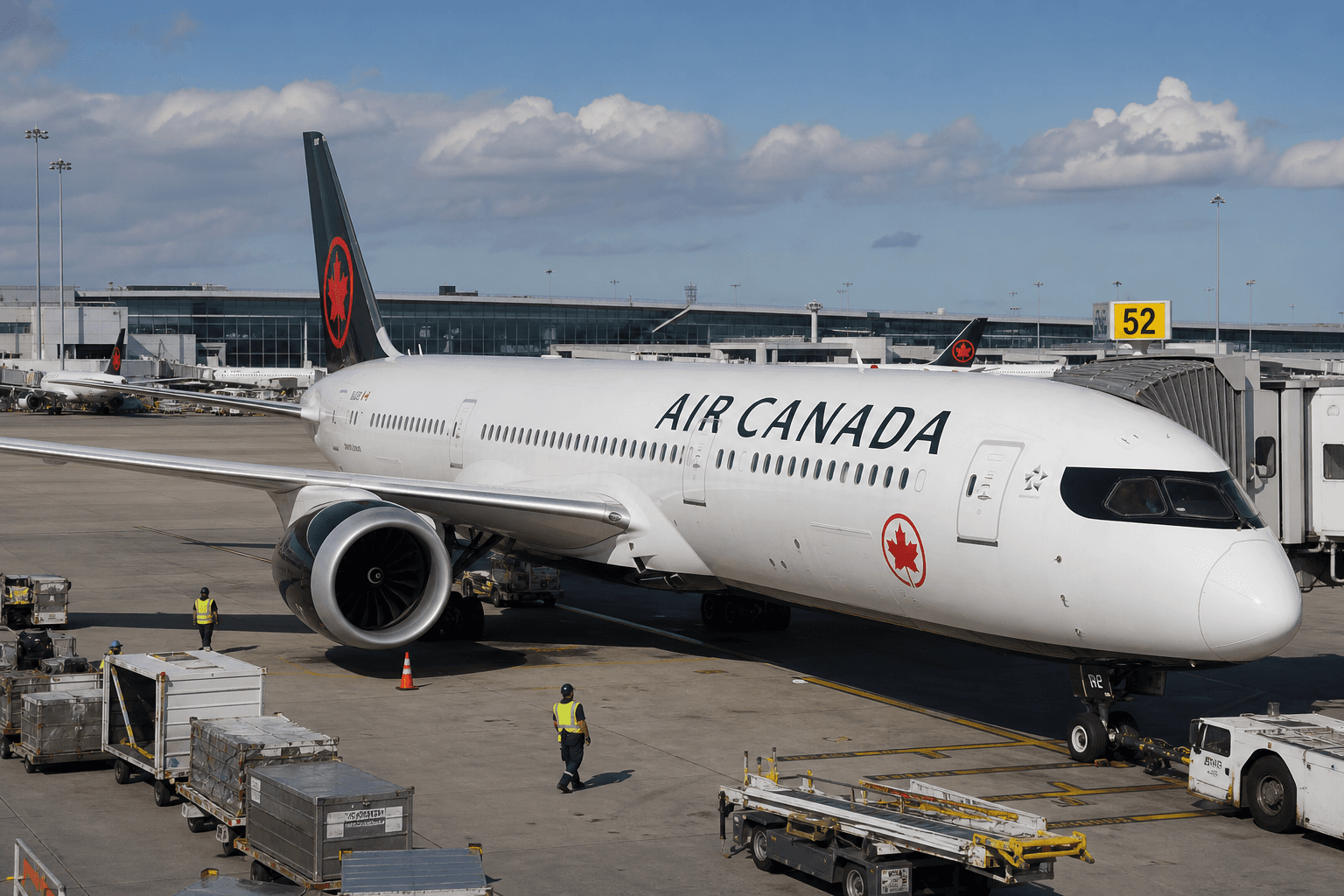
Canada launches pilot-licensing review after ex-Air Canada captain indicted
Authorities charged the former Air Canada captain with fraud and false documentation. Canada's aviation regulator will launch a review of its crew-licensing processes after police two weeks ago indicted a former Air Canada pilot who allegedly flew passenger jets for years without proper licenses. Transport Canada is also urging airlines to more-closely scrutinise the authenticity…