

Image: Matti Blume · CC BY-SA 4.0 · via Wikimedia Commons
NTSB Preliminary Report Links GPS Jamming to Fatal Beech C90 Air Ambulance Crash
The NTSB's initial findings show GPS interference disrupted navigation before a deadly May flight in New Mexico, with the Beech C90 air ambulance impacting terrain while diverting visually.
The gist
GPS jamming impaired navigation in May’s deadly Beech C90 air ambulance crash near Ruidoso, NM, per NTSB preliminary report.
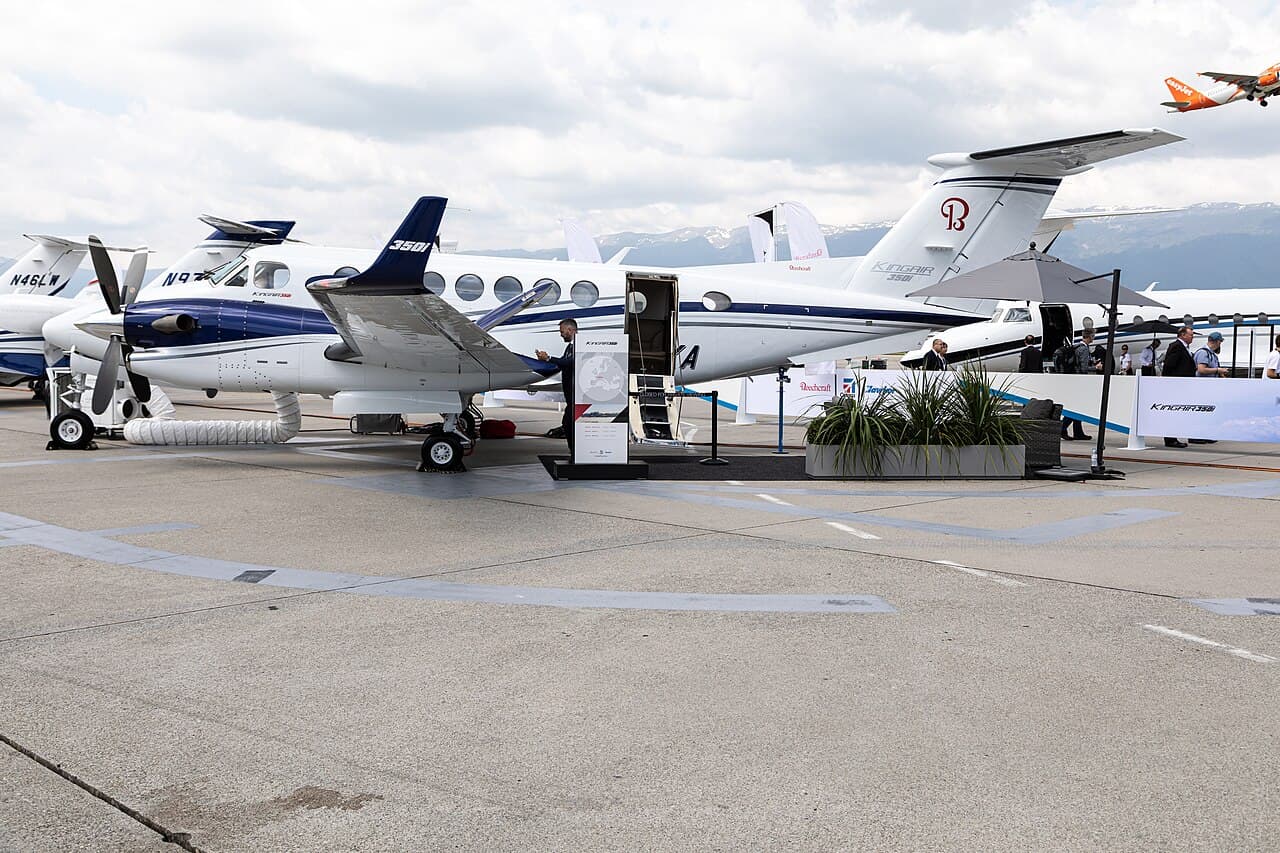
An air ambulance Beechcraft King Air C90 operated by Generations Jets crashed near Lincoln, New Mexico, on May 14 during a Part 135 medical transport flight, resulting in the deaths of both pilots and two flight nurses. The National Transportation Safety Board (NTSB) has released a preliminary report revealing that GPS interference was active during the accident flight, complicating the aircraft’s navigational capabilities. The flight, which originated from Roswell airport around 11:52 p.m. and was bound for Ruidoso, encountered significant GPS outages that played a critical role in the events leading to the crash.
Shortly after takeoff, the flight crew requested an IFR clearance to Sierra Blanca, near the Ruidoso area. At around midnight, air traffic controllers observed the aircraft deviating 1,000 feet above its assigned altitude of 12,000 feet, with the pilot reporting a loss of GPS functionality and requesting heading vectors. Controllers provided manual headings to guide the flight, which had initially planned an RNAV approach to Runway 24 but shifted to an ILS approach after the crew reported GPS failures.
Investigations revealed that the GPS interference was part of a military jamming operation occurring in the vicinity during the timeframe of the flight. Multiple other aircraft also reported GPS outages or difficulties encountering navigation aids within the same airspace segment. This widespread disruption prompted an air traffic controller to request cessation of the jamming from military operations to alleviate navigation problems for affected aircraft.
Flight tracking data from different sources including Spidertracks and ADS-B were analyzed. The NTSB noted discrepancies between the two systems, with GPS altitudes from Spidertracks consistently showing about 600 feet higher than ADS-B readings, and gaps appearing in ADS-B positional reporting. These data irregularities complicated the reconstruction of the aircraft’s exact flight path in the moments leading to the accident.
Around 12:08 a.m., the aircrew reported visual contact with Ruidoso and indicated their intention to proceed with a visual approach and cancel IFR clearance. Albuquerque Center authorized the visual approach clearance to Sierra Blanca. After this radio transmission, no further contact was made with the aircraft. Recorded transponder data shows the airplane descending and executing a turn toward the airport before impacting mountainous terrain at an elevation near 9,950 feet, east of the Capitan Mountains Summit Radio Facility.
Additional factors emerged from preflight briefings, which included NOTAMs indicating that Sierra Blanca’s Automated Weather Observing System was out of service at the time of the flight and alerts about possible GPS, WAAS, GBAS, and ADS-B outages in the area. Moreover, no current METAR or TAF reports were available for the destination airport, and published instrument approach procedures warned against use without updated altimeter settings from local sources.
The terrain around Sierra Blanca poses significant hazards, with the airport elevation at approximately 6,814 feet above sea level and nearby mountains reaching up to 10,201 feet. The crash site location near a peak mirrors concerns about the loss of situational awareness under degraded navigation conditions, especially during nighttime operations on a moonless night. These challenges were compounded by the ongoing GPS jamming that compromised primary navigational aids normally relied upon during flights into mountainous airports.
This accident underscores vulnerabilities in aviation navigation systems exposed by electronic warfare and military operations that can disrupt GPS availability. It also highlights the crucial need for pilots and controllers to be aware of nearby non-aviation activities capable of impacting navigation and for the aviation community to pursue resilient and complementary navigation infrastructures to maintain safety in demanding operational environments.
Read more
All Aviation Safety →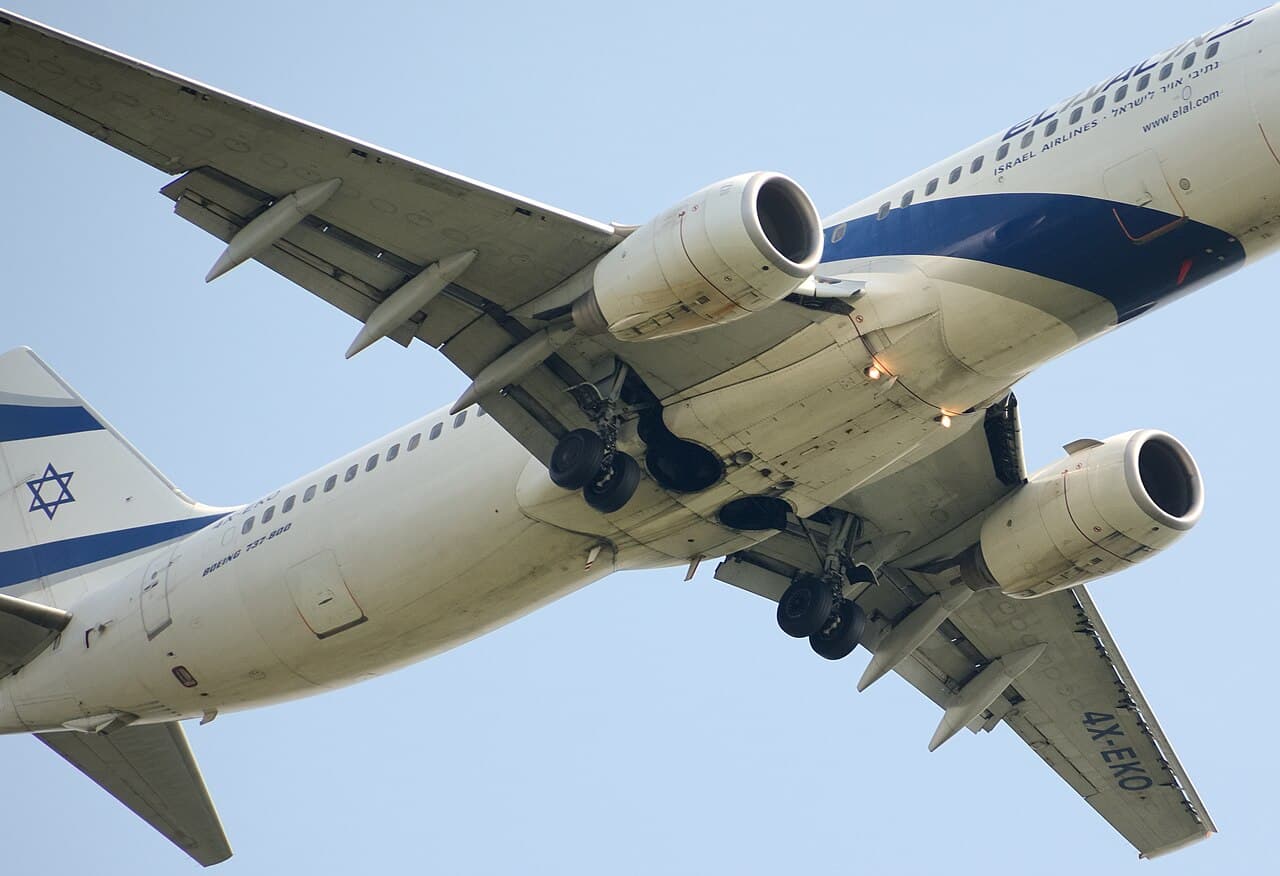
NTSB and Ryanair Disagree Over Cause of Malta Air Boeing 737 Window Blowout Incident
On July 10, a Boeing 737-800 Next Generation jetliner operated by Ryanair's subsidiary Malta Air suffered an uncontained engine failure during initial ascent. While CEO Michael O'Leary placed the blame on foreign object damage, the National Transportation Safety Board has not yet ruled out equipment age or service issues in the CFM56 engine's catastrophic malfunction.

FAA Probes Separation Breach After Marine One and Envoy Air Jet Departured One Minute Apart at DCA
The Federal Aviation Administration ( FAA ) is investigating an incident at Ronald Reagan Washington National Airport (DCA) on Tuesday afternoon, after the presidential helicopter Marine One and a departing regional jet appeared to have lost separation. The helicopter, carrying President Donald Trump, lifted off near the White House at around 2:33 PM local time, just a minute before an Envoy Air Embraer E170 departed from DCA.
Boeing 737 MAX 7 Secures FAA Certification After Lengthy Development Delay
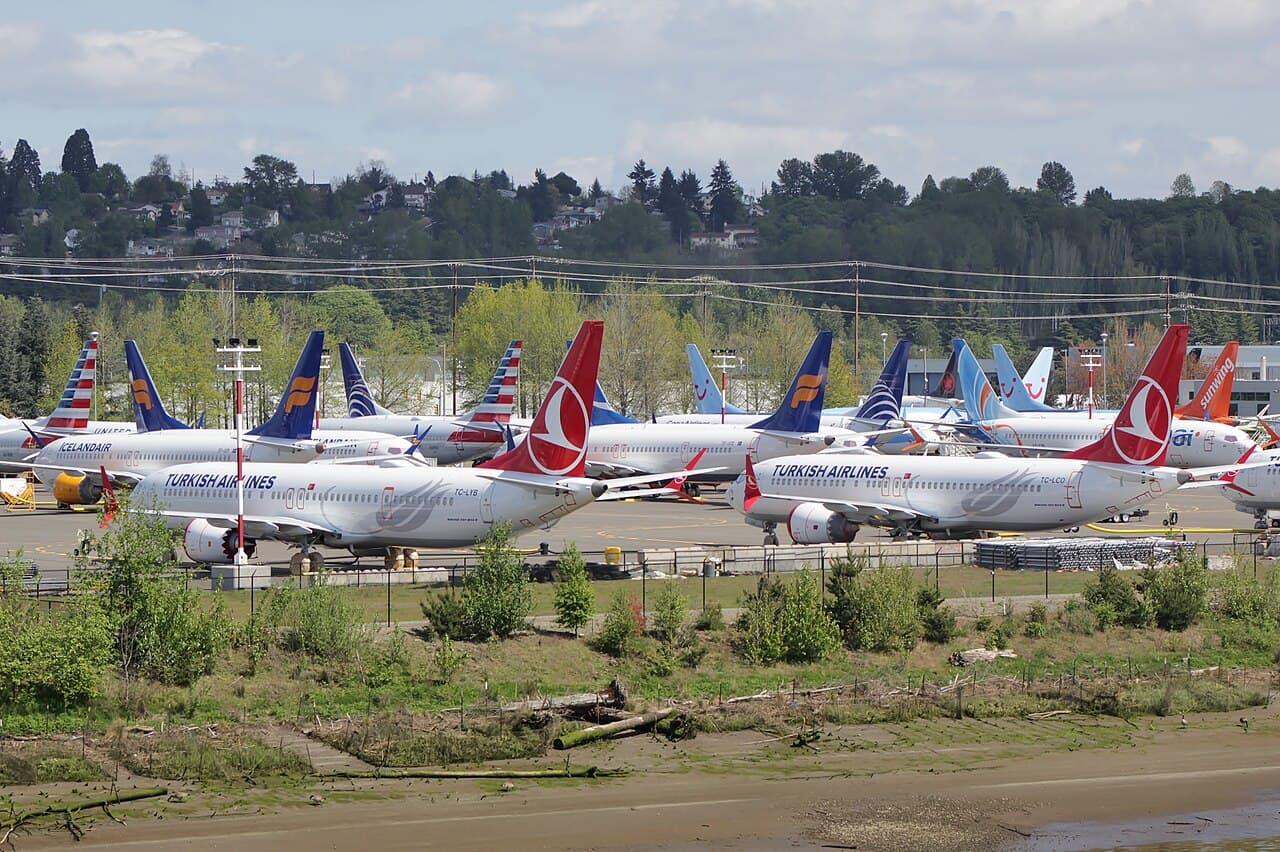
Just over 13 years ago, Boeing and Southwest Airlines came together to launch the 737 MAX 7, the third and smallest member of the 737 MAX family. In May 2013, Boeing was riding high and, alongside its launch customer Southwest , predicted that the Dallas carrier would receive its first 737-7 delivery in 2019. In the following years, the dynamics shifted significantly for Boeing with two fatal Boeing 737 MAX 8 crashes between 2018 and 2019. The worldwide Boeing MAX fleet was grounded, and confidence in the company's manufacturing and quality controls diminished. In November 2020, the Federal Aviation Administration (FAA) finally gave Boeing 's 737 MAX the go-ahead to fly commercially again, but the impact on the 737-7 development had been significant. Original artwork from 2013 (Boeing) Plans for the 737-7's entry into service were rescheduled and even when Boeing thought they were nearly there, further complications arose during the certification process. However, on August 3, 2026, Boeing finally announced the news it had been waiting to deliver for several years, confirming that the MAX 7 had secured type certification from the FAA. "This important certification validates the rigor of our airplane's design and recognizes the determination and resilience of our 737 MAX development team," Stephanie Pope, President and CEO of Boeing Commercial Airplanes, said. Since the test program began in 2018, the 737-7 has completed more than 1,000 hours of flight and ground evaluation and conducted extensive system safety analysis and human factors reviews. During the program Boeing also updated the engine anti-ice system to address a potential condition that was discovered during flight testing. The Federal Aviation Administration has certified the 737-7! This milestone for the longest-range 737 MAX validates the rigor of the design and testing and recognizes #TeamBoeing 's determination and resilience. Certification includes more than 1,000 hours of flight and ground… pic.twitter.com/0S45IjqL3u — Boeing Airplanes (@BoeingAirplanes) August 3, 2026 Boeing said that the regulatory approval "caps a multi-year certification effort" in which the company "demonstrated through comprehensive testing and analysis that the airplane meets all commercial aviation regulations". "Our team of dedicated engineers and test experts worked through challenges, an extended pandemic, and the transition to new certification processes," Pope added. "Through it all, our team stayed focused on completing all requirements and delivering a safe and more capable airplane to our customers." The FAA on 737-7 certification process The FAA issued Boeing an amended type certificate for the new 737-7 and a Production Limitation Record (PLR). In a statement explaining the aircraft's certification process, the FAA said the approval followed almost a "decade of extensive review". The FAA said its work involved resolving complex technical issues and completing a thorough review of the aircraft's design and supporting safety analyses. "Throughout the process, the FAA performed or directly reviewed significant work involving flight controls, system safety assessments, human factors, flightcrew alerting, and other novel, complex, or safety-critical areas, while also requiring testing, design changes, and additional analysis where necessary," the FAA stated. The FAA required Boeing to "incorporate key improvements" that address requirements in the Aircraft Certification, Safety, and Accountability Act and recommendations from the National Transportation Safety Board (NTSB). Anna Zvereva / Creative Commons These included updates to the flight-control software, flightcrew alerting system, and a redesigned engine anti-ice system. "These changes provide pilots with clearer information and warnings and prevent the engine inlet from overheating and potentially weakening the surrounding structure," the FAA said. FAA safety inspectors will remain present at Boeing sites across the US to oversee the manufacturing process and assess the planemaker's Safety Management System (SMS) and safety culture. "Our Boeing team held regular and detailed discussions with the FAA to ensure Boeing understood the requirements and provided transparency of our progress," said Mike Sinnett, Senior Vice President of Product Strategy, Product Development and Development Programs. "With this certification program, Boeing has developed a clearer understanding of the latest regulatory requirements, which is expected to accelerate future airplane development with a renewed emphasis on human factors, safety and quality." Focus moves to Boeing's 737-7 airline customers Focus will now begin to move to Boeing's airline customers that ordered 737-7 aircraft, namely Southwest Airlines, which has purchased around 250 jets. In response to news of the latest certification, Southwest said it was "pleased with the FAA's certification of the Boeing 737-7 aircraft, and we look forward to the plane entering service in the coming months." "Certification is an important step toward continuing to modernize our all-Boeing 737 fleet with upgraded interiors and more fuel-efficient aircraft to fit our customers' preferences and demand patterns," Southwest Airlines added. According to ch-aviation data, there are around 28 assembled 737-7s destined for Southwest currently in storage. The US carrier plans to introduce the aircraft in 2027. Boeing In the most up to date ch-aviation data available, China's Ruili Airlines has ordered two 737-7s, as had Ukraine's SkyUp Airlines. There in an order on the database for a single 737-7 from Indonesia's Jhonlin Air Transport. Luxair, the European launch customer, also ordered four 737-7s at Paris Air Show 2023. WestJet canceled its orders for Boeing's smallest MAX jet as did the now defunct Canada Jetlines. Turkmenistan Airlines also canceled an order for three 737-7s. With MAX 7 type certification now secure it remains to be seen whether more customers will be willing to purchase the aircraft. RELATED Little and large: Boeing rounds off 737-7 and 737-10 certification flight tests
Malaysia probes airport security after pilot caught smuggling drugs on Malaysia Airlines flight
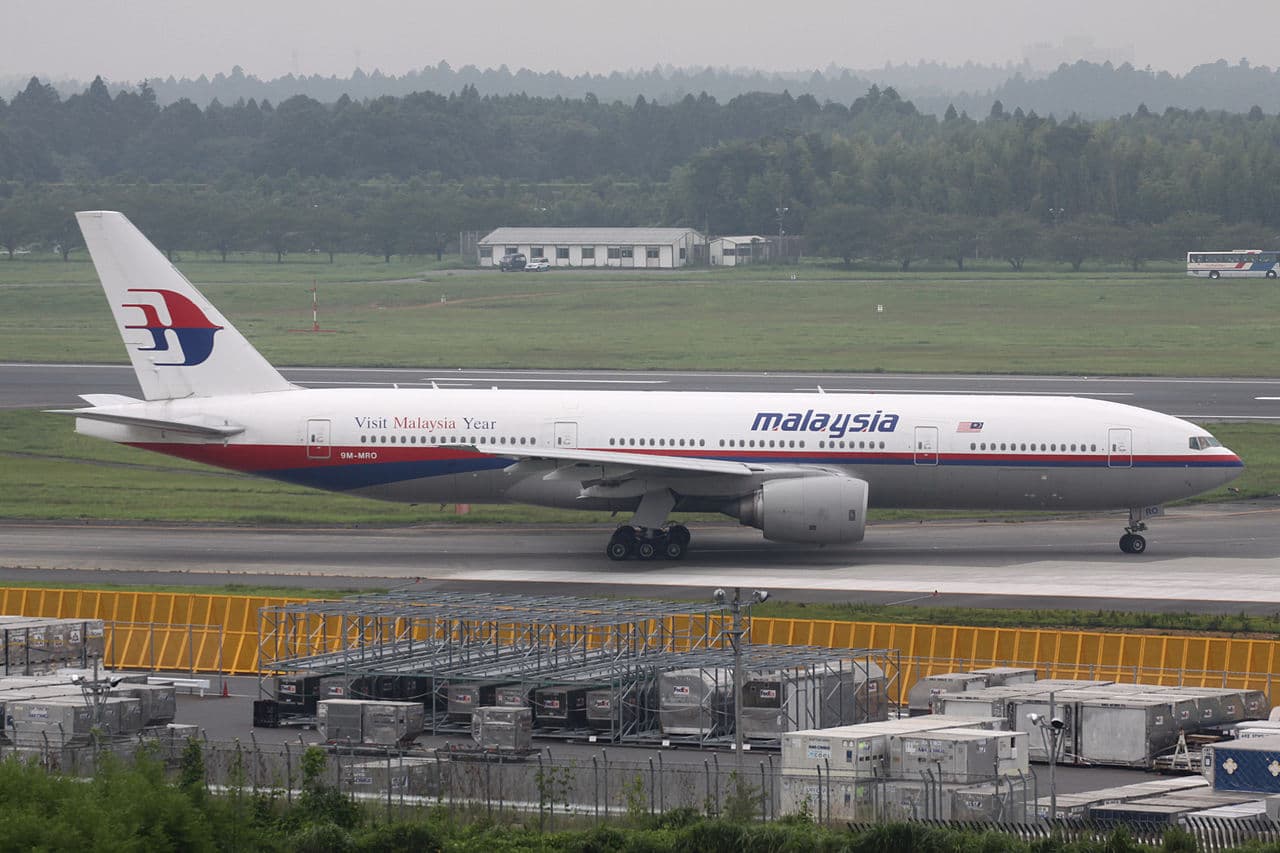
Malaysia's Civil Aviation Authority (CAAM) has opened a regulatory investigation into airport security procedures following the arrest of a Malaysia Airlines pilot in Indonesia on alleged drug smuggling charges, marking the latest development in a case that has prompted parallel investigations in both countries. The regulator announced the probe on August 2, saying it will examine whether all aviation security requirements were fully complied with before the pilot departed Kuala Lumpur International Airport (KLIA). The review will assess airline compliance with aviation security regulations as well as airport screening procedures carried out before the flight leaves Malaysia. The investigation follows an incident that began on July 28, 2026, when Indonesian customs officers detained a Malaysia Airlines pilot after the arrival of flight MH727 from Kuala Lumpur (KUL) at Jakarta's Soekarno-Hatta International Airport (CGK). Authorities allege they discovered approximately 25 kilograms of ecstasy pills and methamphetamine, equivalent to more than 70,000 capsules, concealed in the pilot's luggage. Indonesian officials estimate the seized drugs have a street value of around $10.5 million. On August 1, Malaysian police confirmed they had launched a parallel criminal investigation, reviewing CCTV footage and baggage screening records at KLIA while cooperating with Indonesian authorities. Investigators are also examining whether the case is linked to a wider cross-border drug trafficking syndicate and whether aviation routes were exploited for smuggling operations. CAAM Chief Executive Datuk Captain Norazman Mahmud said the regulator's review will determine whether all applicable security measures were followed before the aircraft's departure. He stressed that flight crew are not exempt from airport security screening and must undergo the same screening procedures as other individuals entering security-restricted areas, including X-ray inspection of cabin baggage and personal belongings, in accordance with Malaysia's Civil Aviation Security Regulations 2019 and the National Civil Aviation Security Program. The authority added that it is collecting evidence and will take enforcement action within its jurisdiction should any breaches of aviation regulations or security requirements be identified. Malaysia Airlines has said it is fully cooperating with the Indonesian investigation while conducting its own internal review.
The Daily Touch & Go
The day's best aviation news in your inbox. Free, no spam.