

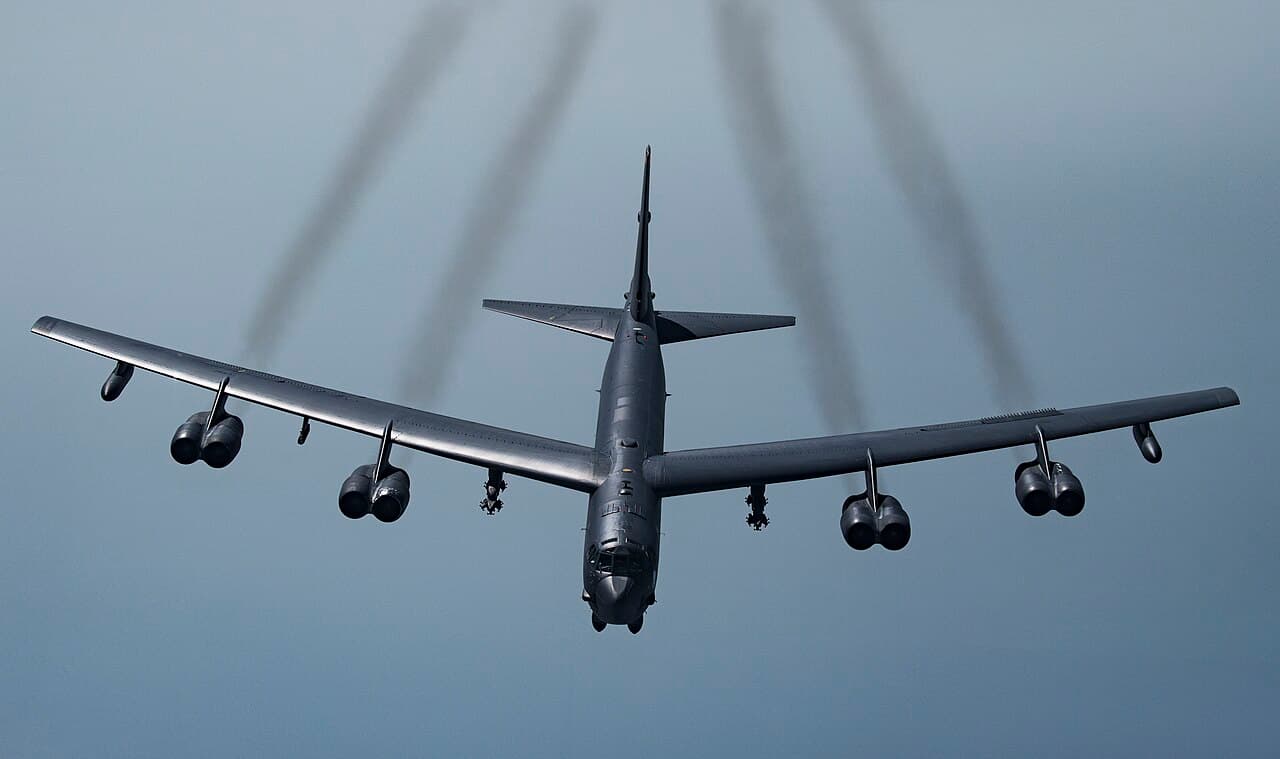
Image: Senior Airman Keifer Bowes · Public domain · via Wikimedia Commons
USAF B-52H Bomber Crashes at Edwards Testing New Radar Upgrade, Killing Eight
A B-52H bomber crashed during a local test flight of a radar modernization program at Edwards Air Force Base, killing all onboard and prompting an ongoing investigation.
The gist
A B-52H bomber testing a new radar system crashed at Edwards AFB, resulting in eight fatalities and a continuing probe.
A Boeing B-52H Stratofortress operated by the US Air Force crashed on 15 June during a radar upgrade test flight at Edwards Air Force Base, California. The plane was engaged in testing an advanced radar system intended to modernize its avionics suite when the fatal incident occurred immediately after takeoff. The crash killed all eight personnel onboard, which included highly experienced USAF test pilots, government civilians, and Boeing staff involved with the program. The deadly event has triggered a full investigation into the causes of the crash.
Colonel James Hayes, deputy commander of the USAF's 412th Test Wing at Edwards, confirmed the aircraft’s role in the Radar Modernization Program, a priority effort to upgrade the bomber’s aging radar capabilities. He described the mission as a local test sortie, noting the aircraft crashed shortly after lifting off the runway, bursting into flames on impact. The accident was described by the Air Force as unsurvivable, occurring fully within the runway boundaries of one of the country's central flight test hubs.
Among those lost were two active duty test pilots from the 419th Flight Test Squadron, recognized as some of the Air Force's most skilled aviators. Also onboard were Boeing test personnel, including a third pilot, weapon systems officers, and flight test engineers from both Boeing and the Air Force. The precise sequence of events during the flight has not been publicly disclosed as the investigation continues under military oversight.
The aircraft involved has not been formally identified by tail number or serial, but a B-52H with tail number 60-0061 was relocated to Edwards AFB in December 2025 for the Radar Modernization Program. This jet had been fitted with Raytheon’s AN/APQ-188 active electronically scanned array (AESA) radar at Boeing’s maintenance, repair, and overhaul facility in San Antonio prior to arriving for testing. This next-generation radar is engineered to replace the dated AN/APQ-166 mechanically scanned radar currently installed on the B-52 fleet.
The legacy Northrop Grumman AN/APQ-166 radar has been acknowledged by the Air Force as aging and deteriorating, prompting urgent efforts to modernize the bomber's sensor suite. The AN/APQ-188, derived from Raytheon's AN/APG-79 radar found on F/A-18E/F Super Hornets and EA-18G Growlers, offers enhanced all-weather navigation and improved targeting capabilities. This upgrade is a key component of extending the B-52’s operational relevance alongside newer airframes.
Air Force Secretary Troy Meink previously emphasized the critical importance of the radar modernization initiative to integrate the B-52 with next-generation fighters and bombers. Meink remarked on the commitment to extending the B-52’s lifespan through these upgrades. The full modernization, designated as the B-52J program, remains in development and includes new Rolls-Royce F130 engines, advanced communications systems tailored for both conventional and nuclear missions, revamped crew compartments, and improved avionics.
The Radar Modernization Program is part of a broader strategy to ensure the historic B-52 fleet remains operational into the 2030s and beyond. The fatal crash underscores the risks inherent in flight testing cutting-edge systems on legacy platforms, even as the Air Force pushes forward with modernization efforts critical to maintaining global strike capabilities.
Edwards Air Force Base, serving as a central hub for the USAF’s flight testing, has a robust infrastructure and experienced personnel dedicated to evaluating and integrating new technologies. The loss of veteran test pilots and engineers dealing with a key radar upgrade project highlights the challenges of sustaining older airframes with modern avionics technology.
The investigation into the cause of the crash remains open as officials analyze data and flight parameters. The incident draws attention to the complexities of upgrading Cold War-era aircraft with advanced digital systems and the role such programs play in USAF strategic planning, with the B-52 expected to remain a cornerstone of bomber operations well into midcentury.
Read more
All Aviation Safety →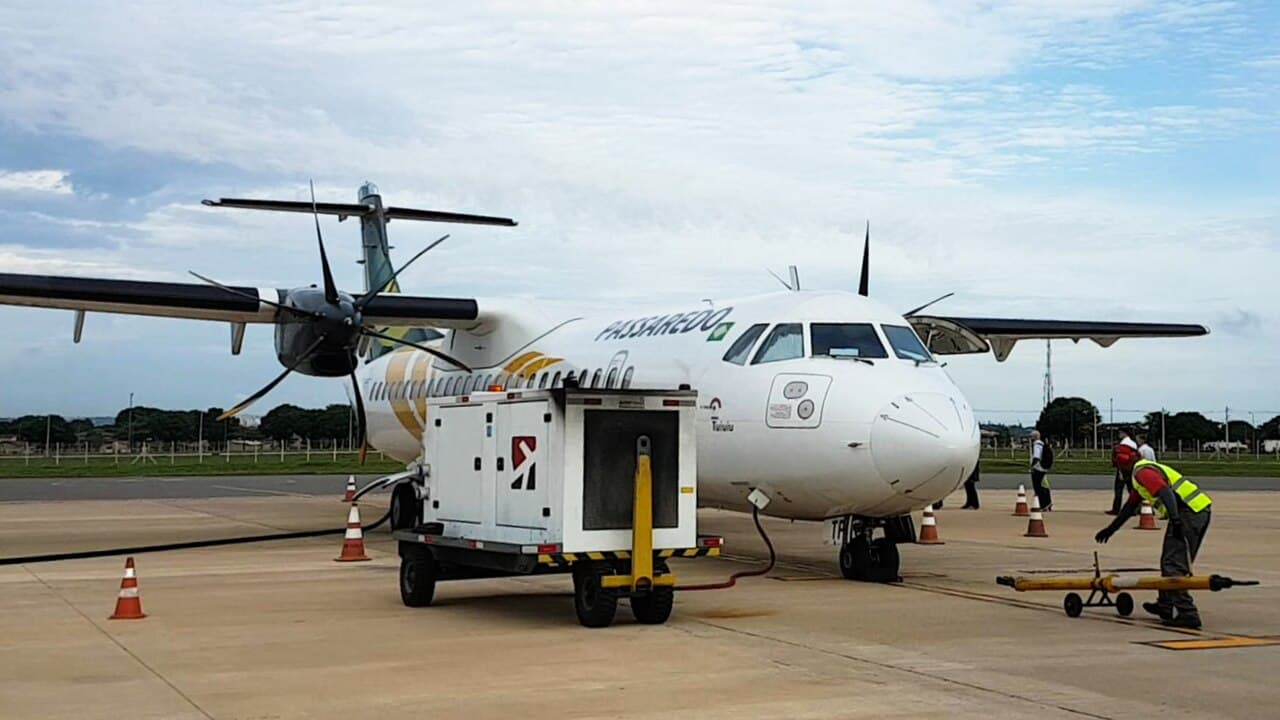
Final Investigation Reveals Multiple Failures in Voepass Flight 2283 Crash
The final report on the tragic Voepass Flight 2283 accident was released on July 23, 2026. Brazil’s CENIPA (Center for Investigation and Prevention of Aeronautical Accidents) spent nearly two years examining the crash that killed all 62 people on board. ezstandalone.cmd.push(function () { ezstandalone.showAds(119); }); The document reveals a chain of failures involving severe icing, crew actions, company practices, and regulatory gaps. What Happened in the Voepass Accident On August 9, 2024, an ATR 72-500 turboprop departed from Cascavel, Paraná, heading to São Paulo’s Guarulhos Airport. The aircraft encountered severe icing conditions during cruise. ezstandalone.cmd.push(function () { ezstandalone.showAds(127); }); Ice buildup degraded its performance, causing a stall and an unrecoverable flat spin. The plane crashed in a residential area of Vinhedo, São Paulo. Sadly, none of the 58 passengers and four crew members survived. CENIPA’s 266-page report identifies 19 contributing factors. It does not blame one single cause. Instead, it shows how multiple issues combined to create the disaster. ezstandalone.cmd.push(function () { ezstandalone.showAds(128); }); Initial Accident Report Severe Icing and Aircraft Problems The report confirms the plane flew through conditions highly favourable to heavy ice formation. The airframe de-icing system was already known to have issues. Investigators found the aircraft should not have been dispatched for this flight. It operated with about 10 inoperative items, including a faulty windshield wiper—a “No-Go” item given the weather forecast. ezstandalone.cmd.push(function () { ezstandalone.showAds(129); }); Previous flights showed recurring de-icing problems. However, crews often failed to log these faults properly. This practice hid the chronic nature of the defects and delayed proper repairs. Crew Actions and Human Factors Cockpit voice recordings revealed that pilots discussed personal topics during critical phases. This distraction contributed to “inattentional blindness.” The crew received multiple alerts: ice detection warnings, “Cruise Speed Low” (sounded about eight times), and “Degraded Performance.” They recognized ice accumulation but did not exit the area promptly or follow manufacturer procedures for minimum safe speeds. When the stall occurred, incorrect control inputs worsened the situation. The report notes the de-icing system was cycled on and off during the flight. ezstandalone.cmd.push(function () { ezstandalone.showAds(130); }); Details of Preliminary Report Company Culture and Maintenance Issues A major finding points to Voepass’s organizational culture. The airline tolerated a “normalization of deviations.” Mechanics and pilots frequently avoided recording problems to keep aircraft flying and meet schedules. Analysis of over 1,200 previous flights confirmed this pattern across multiple crews. Pressure to maintain operations, staff shortages, and fatigue contributed to poor maintenance discipline. Planes were sometimes released in degraded condition. ezstandalone.cmd.push(function () { ezstandalone.showAds(131); }); Regulatory Oversight Shortcomings The report also criticizes Brazil’s civil aviation authority, ANAC. Auditors had identified maintenance and safety issues at Voepass between 2022 and 2024. While some sanctions were applied, these actions proved insufficient to eliminate the risks. Aftermath and Recommendations Following the accident, authorities suspended Voepass operations and later revoked its air operator certificate. CENIPA issued safety recommendations to the airline, ANAC, aircraft manufacturer ATR, and European regulators. These aim to improve de-icing procedures, maintenance logging, crew training, and oversight. The investigation remains technical and preventive. Separate criminal inquiries continue. ezstandalone.cmd.push(function () { ezstandalone.showAds(132); }); VOEPASS Linhas Aéreas, CC BY-SA 4.0 via Wikimedia Commons Lessons for Aviation Safety The Voepass accident final report serves as a stark reminder that disasters often result from many small failures aligning. It highlights the importance of strong safety cultures, proper maintenance reporting, and effective regulatory action. Aviation authorities worldwide can use these findings to strengthen procedures and prevent similar tragedies. Families of the victims and the industry now hope the recommendations lead to real change. Safety must always come before schedules and profits. ezstandalone.cmd.push(function () { ezstandalone.showAds(133); });
American Airlines Boeing 787 Diverts to Dublin After Multiple Flight Attendants Fall Ill Mid-Flight
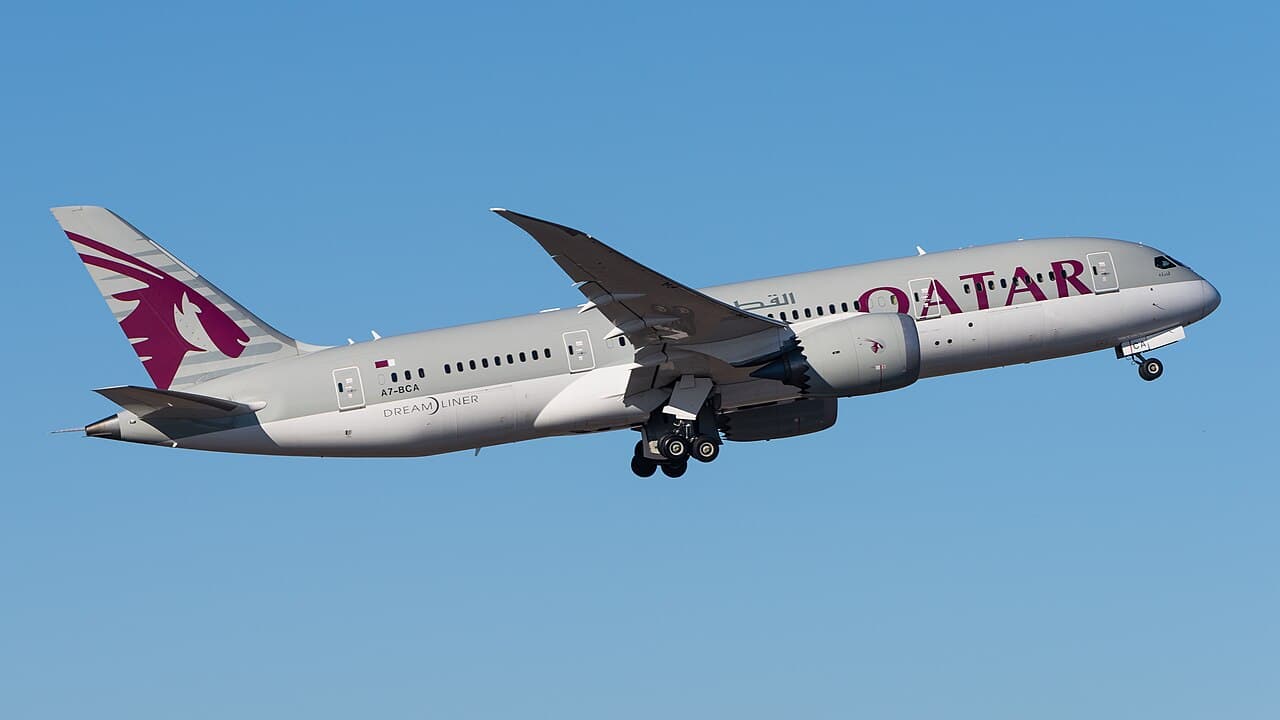
An American Airlines Boeing 787-9 Dreamliner with as many as 284 passengers on board made an emergency landing in Dublin, Ireland, on Saturday afternoon after six of the eight flight attendants on the service from Rome to Philadelphia reportedly felt ill as the plane started its transatlantic service. American Airlines flight AA-719 departed Rome Fiumicino International Airport just before 1 pm local time on July 25 for what should have been a routine eight-and-a-half-hour flight across the pond to the carrier’s Philadelphia hub. Flight Radar 24 shows how American Airlines 719 from Rome to Philadelphia ended up diverting to Dublin on July 25. Data from the light tracking website Flight Radar 24 shows that the seven-year-old aircraft climbed to a cruising altitude of around 38,000 feet as it tracked over France and over the Atlantic Ocean, before the pilots suddenly turned towards Ireland around three hours into the flight. The reason given to air traffic control for the sudden diversion was a medical emergency, although the exact details of what kind of medical episode was taking place weren’t immediately revealed. Sources cited by trusted aviation insider JonNYC on X have, however, reported that six of the flight attendants started to feel dizzy and ill as the plane flew over the Atlantic. Although none of the crew members are believed to have been incapacitated, the pilots decided that the flight couldn’t continue with so many flight attendants feeling ill all at once. The plane landed safely in Dublin on Saturday afternoon, but with no replacement crew to take the passengers to Philadelphia, and the cause of the illness amongst the flight attendants still a mystery, American Airlines had no other option but to cancel the onward flight. on this, I'm told– 100% UNCONFIRMED– "AA 719. Flight divert after 6 of 9 FA's felt dizzy / ill." 100% unconfirmed. https://t.co/2uBxohJ0Bn — JonNYC (@xJonNYC) July 25, 2026 American Airlines has been contacted for comment, but had not responded by the time of publication. There are several potential causes for this sudden mass sickness amongst the flight attendants, although some type of ‘toxic’ fume event (a term that the airline industry prefers to call an ‘odor’ event) is the least likely, given that this flight was operated by a Boeing 787. The Dreamliner is the only commercial passenger aircraft that does not use the so-called ‘bleed air’ system to feed air into the cabin from the outside. The term bleed air is derived from the fact that some of the air being sucked into the engines is then bled into the air conditioning system. This method of delivering fresh air into the passenger cabin has been criticized as campaigners claim the air can become contaminated with vaporized engine oil or other contaminants from the engine, which can make passengers and crew sick if it is fed into the cabin. The more likely cause for this diversion is a fault with the air conditioning packs that supply the air into the cabin. If even one of these packs stops working, the levels of oxygen in the cabin can drop to the point that passengers and crew could start feeling the early symptoms of hypoxia. This wouldn’t necessarily be bad enough to trigger a depressurization emergency, but it would be enough for people to start feeling dizzy, light-headed, and potentially even clumsy and euphoric. This kind of fault is much more likely to affect flight attendants rather than the passengers because they are up and about, running a busy meal service, meaning their bodies require more oxygen to function normally. Another potential cause, although highly unusual, could be a chemical leak from a spilt cleaning product. Yes, this sounds oddly specific, but this is exactly what caused a group of American Airlines flight attendants to feel ill shortly after takeoff from London Heathrow during a flight to Philadelphia in October 2018. Two of the crew members were so badly affected by the smell of the noxious chemicals that they lost consciousness for a short time, leading the pilots to make an emergency diversion to Shannon, Ireland. American Airlines said the incident was caused by a bottle of industrial cleaning solution known as CH2200D, which had been accidentally left in a toilet by the cleaning crew. When the plane took off, the bottle tipped over, and the solution soaked into the carpet, releasing a noxious vapor that overpowered some of the flight attendants.
Inquiry finds poor maintenance discipline and resource strain behind Voepass ATR 72 icing crash
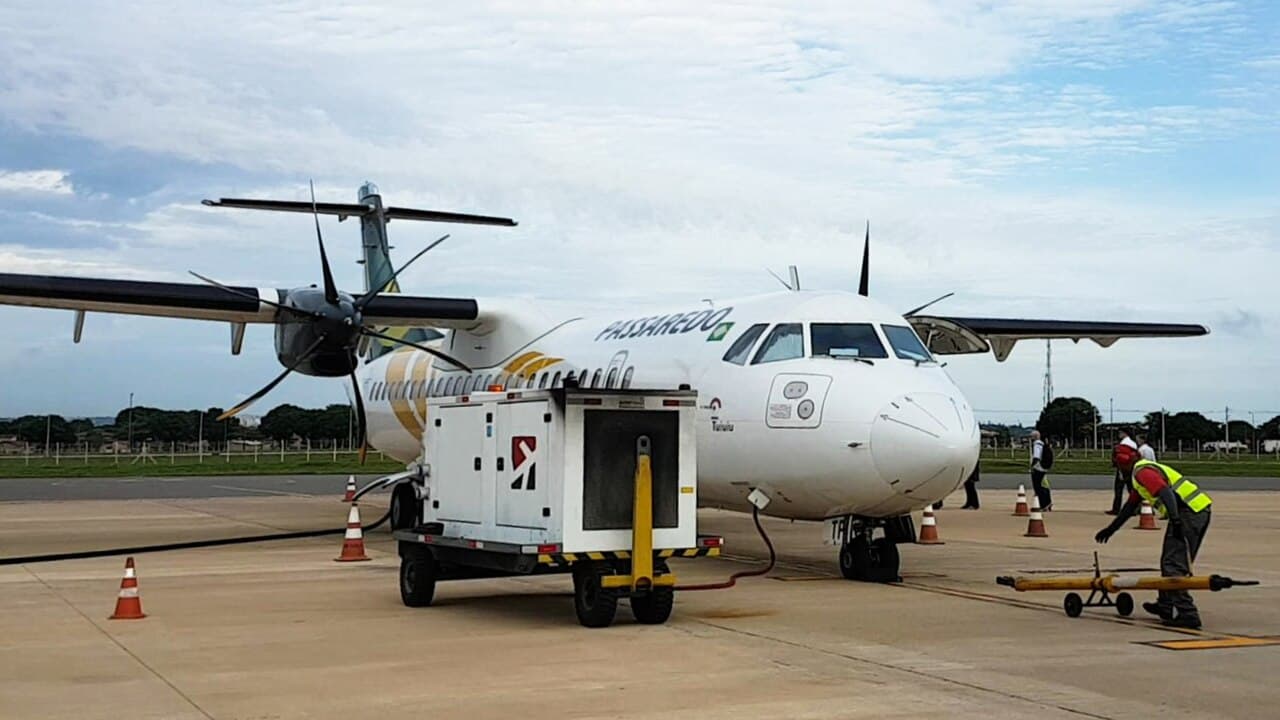
Brazilian probe finds strained resources and pressure to meet flight schedules meant aircraft were knowingly operated in degraded condition. Pressure to ensure continuous aircraft availability despite limited maintenance resources led to poor discipline at Brazilian carrier Voepass, with technical faults left unrecorded and unresolved, investigators have disclosed. Investigation authority CENIPA has highlighted the failure to record an airframe de-icing malfunction in the Voepass ATR 72-500 which fatally stalled as a result of ice accumulation on 9 August 2024. The aircraft was dispatched without restrictions imposed by the minimum equipment list being recorded. Despite the malfunction the ATR was flown through icing conditions on its service from Cascavel to Sao Paulo Guarulhos, entering a flat spin over Vinhedo from which it did not recover. CENIPA has detailed a pervasive, and normalised, culture of deviation from rigorous maintenance practices arising from limited resources – particularly at secondary bases – and the pressure to avoid disruption to aircraft schedules. This even went as far as recording malfunctions as having been resolved, without corrective work being performed, in order to release an aircraft to operation without minimum equipment list restrictions. When the system malfunctioned on a subsequent flight, says CENIPA, it would again be recorded in the technical logbook, thereby "establishing a new rectification deadline". "This conduct resulted in the successive renewal of the [minimum equipment list] item without effective correction of the malfunction, masking its chronic nature and postponing its definitive resolution," it adds. "There was also the practice of replacing an inoperative component with another known to be malfunctioning and dispatching the aircraft for flight." This would similarly enable a new malfunction entry, and continuation of operation based on the minimum equipment list. ‘Superficial manner’ CENIPA says mechanics usually had only a few hours, during night-shift periods, to perform corrective maintenance – especially complex tasks – on aircraft which were scheduled to operate flights the following morning. "The pressure placed on mechanics to expedite the release of aircraft conflicted with the lack of time available for troubleshooting and resolving failures reported in the [logbook]," says the inquiry, "thereby contributing to the performance of maintenance tasks in a superficial manner." CENIPA says maintenance of the de-icing system boots was conducted exclusively at the company's main base at Ribeirao Preto. Despite evidence of airframe de-icing system faults on immediately preceding flights, there was "no record" of such malfunctions in the logbook, it adds. The aircraft was dispatched on its flight to Sao Paulo, under the conditions of the minimum equipment list, with 10 inoperative items – but the airframe de-icing system was not among them. CENIPA's inquiry learned of maintenance problems including qualified personnel shortages, exhausting work schedules, and fatigue, contributing to a "climate of pressure" on mechanics. "At the secondary bases, since the infrastructure was limited, there was an 'operational standard' focused on releasing aircraft with inoperative items dispatched under the [minimum equipment list], with the expectation that definitive resolution of the malfunction would occur when the aircraft returned to the main base," it says. While this model did not, itself, amount to non-compliance with requirements, it led to situations in which deadlines expired with faults remaining unresolved. "In practical terms, these combined actions resulted in aircraft being operated under knowingly degraded conditions, exceeding the time limits established by the regulations in force," says the inquiry. Pressure on pilots CENIPA adds that there was a "culture" among flight crews of not recording malfunctions in the logbook. "It was possible to ascertain that these patterns of deviation were encouraged by the company and directed toward the pilots," it adds. "This informal process constituted a form of pressure on pilots in command, aimed at avoiding the recording of discrepancies that could result in the prolonged unavailability of the aircraft for flight due to the need to correct the reported failures." Problems with the de-icing system, which had been perceived by several crews prior to the accident, were a "clear example" of this absence of formal reporting, it adds. "This conduct evidenced the normalisation of operational deviations in the face of recurrent failures," it says. "This behaviour generated a recurring pattern of verbal communications between pilots and mechanics without proper technical recording." None of the 58 passengers and four crew members survived the crash. Voepass was grounded last year . ATR has responded to the inquiry's conclusions, stating that the accident "further demonstrates that adherence to maintenance, operational procedures and training are essential to prevent re-occurrence". "Flight safety is the primary responsibility of the commercial aviation system and all its stakeholders," it says.

Embraer Unveils Phenom 300EV With Garmin Emergency Autoland and Enhanced Safety Features
Embraer announced the Phenom 300EV on Tuesday as the latest version of its single-pilot light business jet. The manufacturer said the "EV" designation stands for "Evolution." Initial deliveries are expected in 2028. Expanded Safety Systems The Phenom 300EV will include Garmin Emergency Autoland , which can activate automatically or manually following pilot incapacitation and complete an automated landing. Embraer said the Phenom 300EV will be the largest business jet equipped with the system. The aircraft will also receive autobrake for takeoffs and landings. A new Embraer-developed electronic controller will manage the aircraft's rudder-by-wire system and other electronically controlled functions. The Garmin G3000 Prodigy Touch flight deck will add 3D taxiway routing, runway-occupancy alerts, synthetic-vision guidance, FANS 1/A+, RNP AR 0.3 capability and an inertial reference system. Existing systems include autothrottle, Emergency Descent Mode and Embraer's Runway Overrun Awareness and Alerting System. Range And Cabin Updates Embraer lists the Phenom 300EV's maximum range at 2,055 nautical miles under NBAA IFR reserve conditions, an increase from the Phenom 300E's published five-passenger range of 2,010 nautical miles. An increase in maximum zero-fuel weight will provide approximately 430 pounds of additional payload capacity. The aircraft will retain a maximum speed of Mach 0.80 and will use lithium-ion batteries, LED taxi lights and LED landing lights. The cabin will offer factory-installed Gogo Galileo low-Earth-orbit satellite connectivity. Starlink will be available later as an aftermarket installation under a supplemental type certificate. Other changes include a vacuum lavatory, improved temperature controls, an air-ionization system and a redesigned refreshment center. The aircraft will retain a maximum cabin altitude of 6,600 feet.
The Daily Touch & Go
The day's best aviation news in your inbox. Free, no spam.