

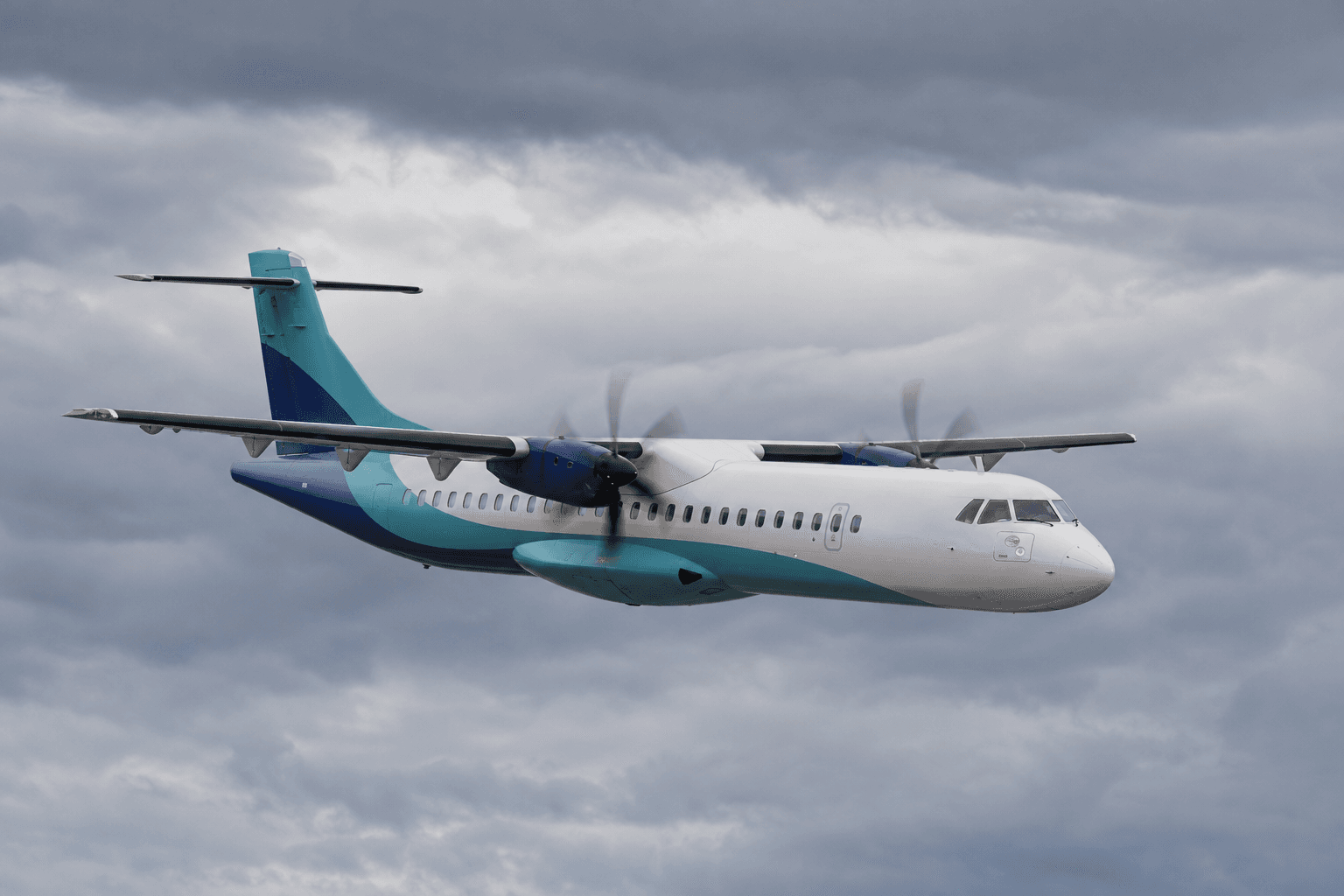
AI-generated illustration
Regulatory
EASA Mandates More Frequent De-Icing Valve Checks on ATR 42 and ATR 72 Aircraft
New airworthiness directive requires shortened intervals for testing de-icing system valves on ATR turboprops, aiming to prevent loss-of-control incidents in icing conditions.
The gist
EASA orders ATR operators to increase frequency of de-icing valve inspections to reduce risk of flight control loss in icing.
The European Union Aviation Safety Agency (EASA) has issued a new airworthiness directive mandating more frequent inspections of de-icing system components on ATR 42 and ATR 72 turboprop aircraft. The notice, published on November 16, 2026, aims to identify and mitigate failures in the pressure regulator and shut-off valves (PRSOVs) that could remain undetected and potentially lead to loss of control during flight in icing conditions. This new directive, AD 2026-0219, replaces a previous mandate from January 2025 and applies across all variants of these ATR models, taking effect from November 30, 2026.
The directive targets functional checks of PRSOVs, which regulate hot air supply essential for ice prevention on wing and tail leading edges. Safety assessments, including a supplier-conducted failure modes and effects analysis, demonstrated that the inspection intervals set in the prior directive were insufficient to guarantee valve reliability under operational stress. The revised requirements reduce the functional check intervals to every 160, 190, or 210 flight hours, depending on specific aircraft modifications and configurations.
Operators must perform the first inspection within a defined transitional timeframe and address any malfunctions prior to subsequent flights. If existing maintenance documentation lacks approved repair procedures, ATR is required to provide appropriate guidance to operators. This enforcement ensures prompt and effective corrective actions to reduce the risk of ice-induced aerodynamic degradation.
The renewed focus on ATR de-icing system integrity follows the fatal August 2024 crash of an ATR 72-500 operated by Brazilian regional airline Voepass, which resulted in 62 fatalities. The Brazilian Aeronautical Accidents Investigation and Prevention Center (Cenipa) released its final report in July 2026, citing the encounter with severe icing conditions, recurrent de-icing system failures, maintenance shortcomings, and inadequate flight crew responses as contributing factors.
Investigators noted that unresolved technical issues affected several ATR aircraft before their return to service, leading to ice accumulation that deteriorated aerodynamic performance and caused a stall culminating in loss of control. Cenipa issued safety recommendations directed to EASA and ATR, urging enhancements to operational procedures and aircraft system reliability related to icing.
Despite the timing, EASA explicitly states that the updated inspection intervals in the latest directive arise from its own technical safety assessments rather than a direct response to the Voepass accident. ATR had issued initial guidance on PRSOV inspections in October 2024 shortly after the crash, with EASA first imposing mandatory inspections in January 2025 before further tightening the requirements now.
In addition to the de-icing system directive, EASA concurrently issued two other airworthiness directives affecting ATR aircraft. AD 2026-0217, released November 12, shortens the inspection interval for horizontal stabilizer structural components following findings of loose fasteners and cracks, with potential manufacturing deviations implicated.
The new directive demands inspections within 20 months from May 28, 2025, instead of 24 months for specific ATR 42-500 and ATR 72-212A variants, focusing on internal stabilizer structure and attachment integrity. Separately, AD 2026-0215, issued November 6, addresses potential assembly defects in passenger oxygen system pressure regulators that could prohibit oxygen flow when activated, requiring inspections within six months or 750 flight hours.
EASA's series of directives reflect continuous oversight and safety reassessments on ATR turboprop fleets to address technical risks identified through continued monitoring, manufacturer feedback, and accident investigations, thereby reinforcing airworthiness compliance for European and global operators.
Originally reported by Air Data News
Read more
All Regulatory →
FAA puts digital air traffic control towers into operation at Florida and Alaska airports
New digital air traffic control towers now serve Bartow Executive and Kenai Municipal Airports, with five more planned to enhance safety and modernize monitoring.
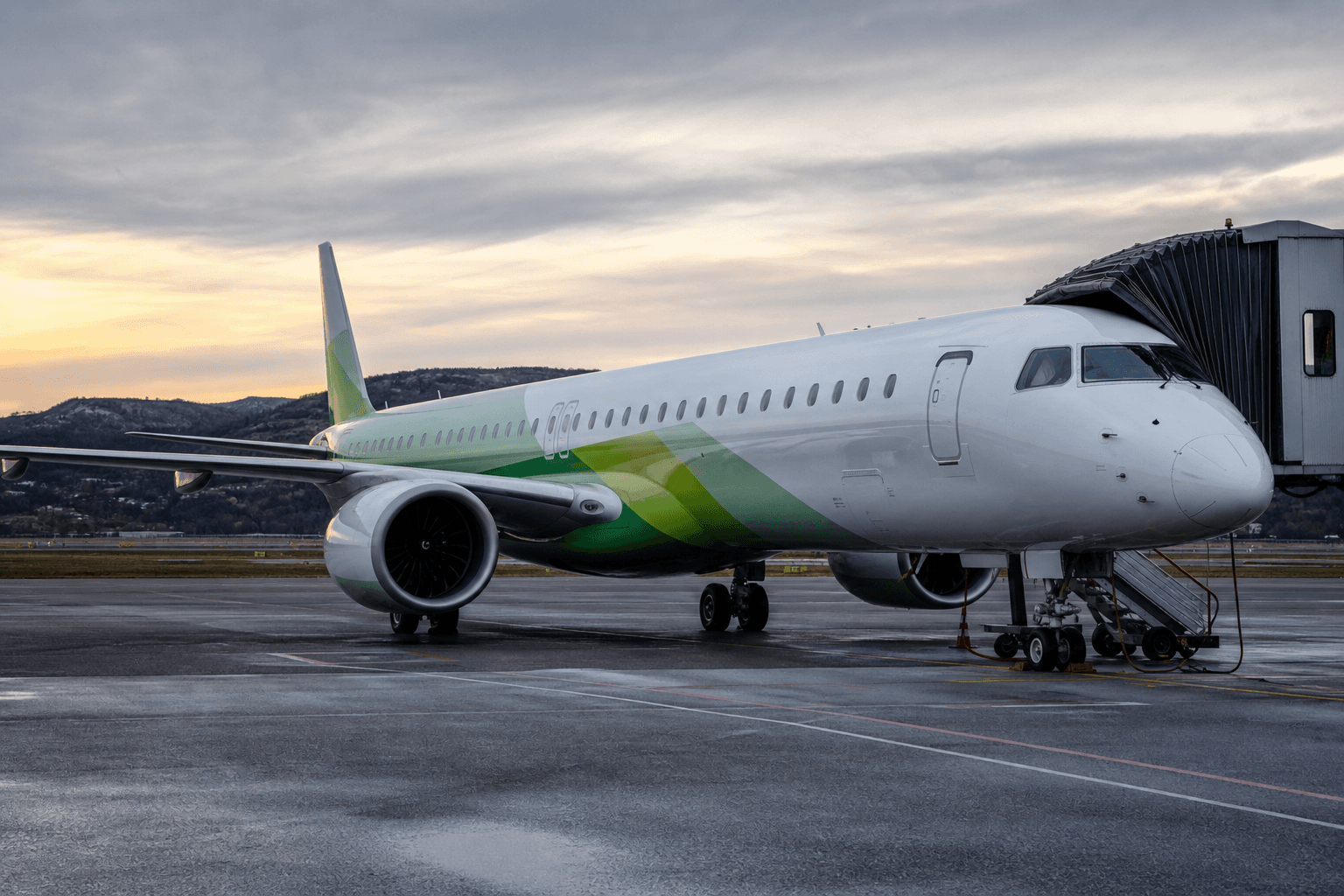
Widerøe Adds Two Embraer E195-E2 Jets to Expand Regional Network
Norwegian regional carrier Widerøe will lease two Embraer E195-E2 aircraft to enhance connectivity between major regional hubs, improving services beyond Oslo.

Air Canada Introduces 22 New International Routes Across Canada Over Four Weeks
Between November 21 and December 17, Air Canada and Rouge will launch 22 new or returning international routes from eight Canadian cities, focusing on Caribbean and Mexican destinations.
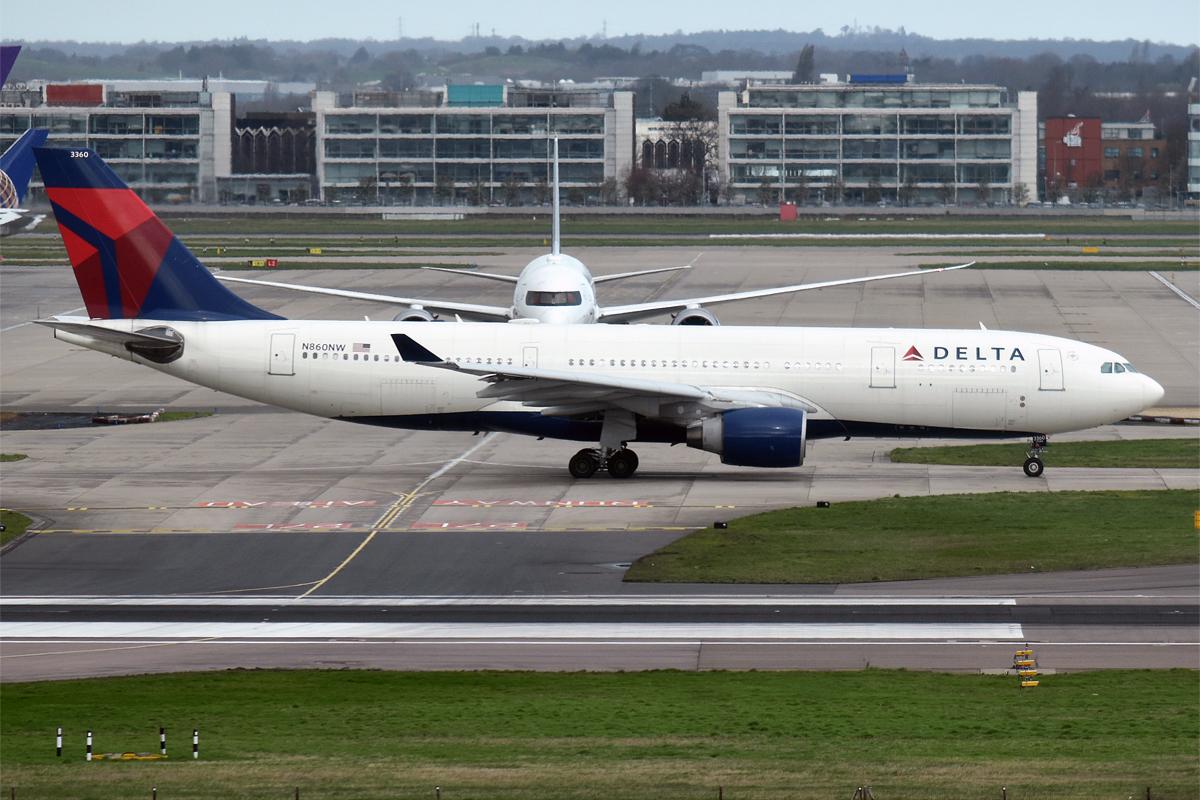
Delta Air Lines Drops Boeing 767 From 12 Routes, Shifts to Newer Widebodies and Narrowbodies
Delta Air Lines has removed Boeing 767 aircraft from four international and eight domestic routes, replacing them with Airbus widebodies and narrowbody jets throughout 2026.
The Daily Touch & Go
The day's best aviation news in your inbox. Free, no spam.