

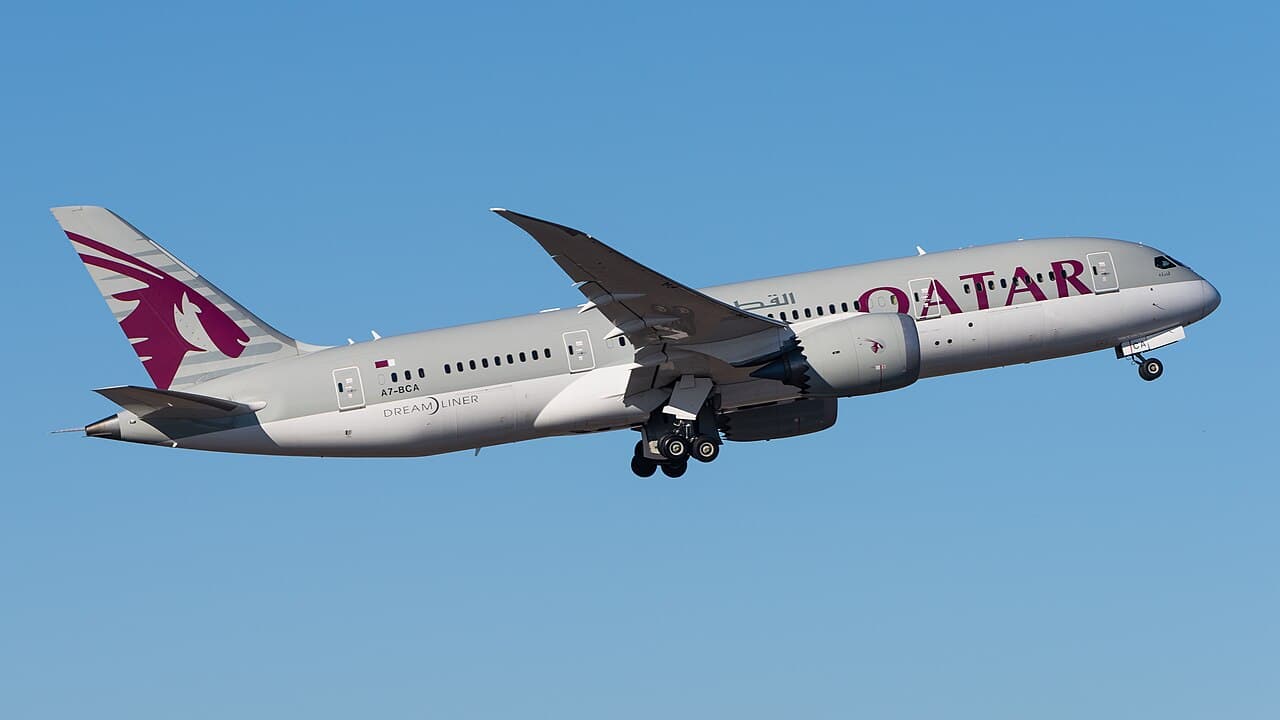
Boeing 787-9 ecoDemonstrator tests shorter engine inlet for reduced noise and fuel burn
Modified Rolls-Royce-powered Boeing 787-9 destined for Lufthansa will be used to evaluate acoustic performance of shorter nacelle structure. Boeing and partners Rolls-Royce and Lufthansa will later this month begin flight tests of a 787 equipped with a package of innovations – including a short engine inlet – designed to improve fuel efficiency and reduce noise emissions. To be performed from a Boeing site in Glasgow, Montana, the tests, running until mid-August, will use a 787-9 variant serving as the airframer's 2026 ecoDemonstrator Explorer aircraft. Powered by twin Rolls-Royce Trent 1000 TEN engines, the Dreamliner will later be delivered to the German carrier. The engines will be equipped with Next Generation Inlets – advanced composite structures that are around 30%, or 38cm (15in), shorter than the production versions. They also feature an expanded acoustic liner that treats much more of the inlet surface, enabling the overall shorter nacelle. Such a design is seen as key for the integration of next-generation fuel-efficient engines – such as Rolls-Royce's UltraFan concept – onto airframes, also contributing lower drag and reduced weight while maintaining noise-attenuation levels. Earlier this decade, Rolls-Royce and Boeing flight tested a short-inlet-equipped Trent 1000 engine aboard the propulsion specialist's since-retired 747-200 flying testbed. Those flights, which accumulated a total of around 7h 30min, suggested a fuel-burn saving of around 0.5% was possible. However, Boeing says the latest round of flights are specifically designed to test the inlet's acoustic performance. In addition, the 787-9 will test modified departure and arrival procedures, including 'Intelligent Operations' flightpaths, to reduce community noise around airports. Boeing says these trajectories are "algorithmically generated using multiple data sources" to identify opportunities for fuel-efficiency and noise benefits. "The more efficient inlet and Intelligent Operations flightpaths we're evaluating on this year's ecoDemonstrator Explorer are among the many promising concepts we're working on," says Boeing chief technology officer Lane Ballard. Tests of the innovations are being conducted through the third phase of the Federal Aviation Administration's CLEEN (Continuous Lower Energy, Emissions and Noise) programme.