

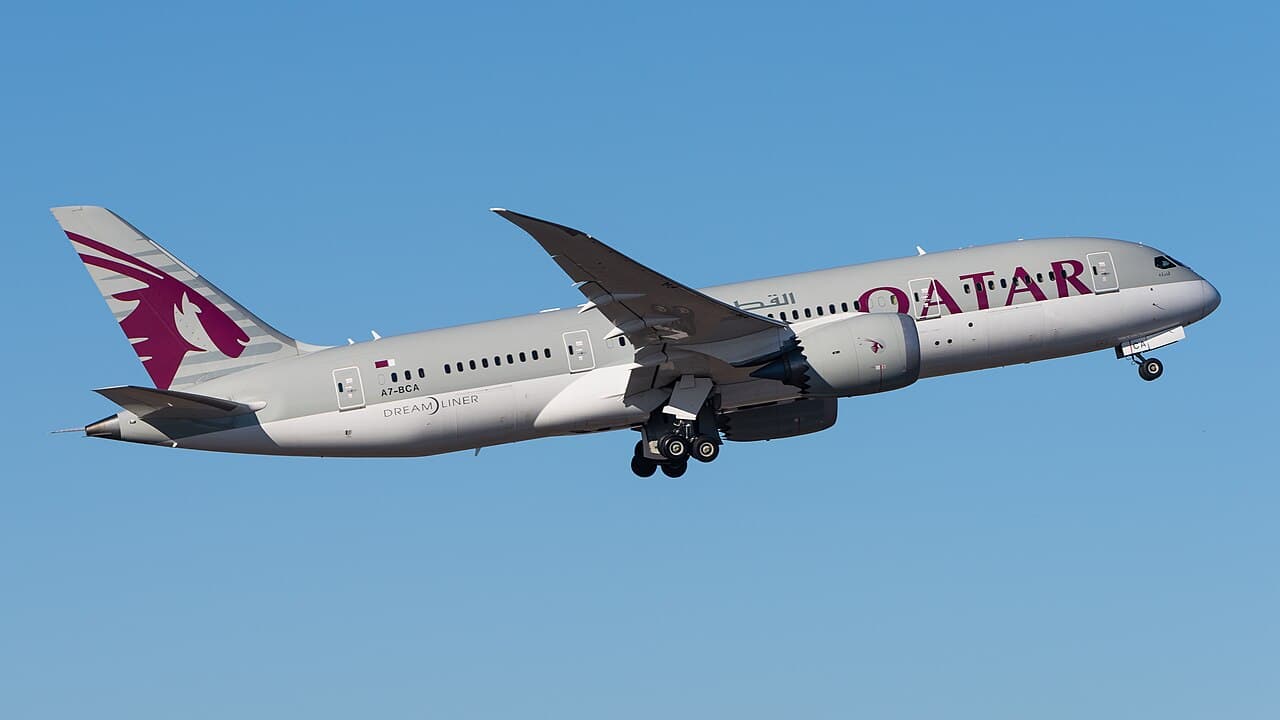
Image: Julian Herzog ( Website ) · CC BY 4.0 · via Wikimedia Commons
Boeing 787-9 ecoDemonstrator tests shorter engine inlet for reduced noise and fuel burn
Boeing's 2026 ecoDemonstrator Explorer, powered by Rolls-Royce Trent 1000 TEN engines, begins flight trials of a shortened composite engine inlet and noise-reducing flightpaths in Glasgow, Montana.
The gist
Boeing and partners test a shorter engine inlet and advanced flightpaths on a 787-9 to cut noise and improve fuel efficiency.
Boeing has initiated flight testing of its 2026 ecoDemonstrator Explorer, a modified 787-9 aimed at validating innovations to decrease noise emissions and boost fuel efficiency. The aircraft, powered by twin Rolls-Royce Trent 1000 TEN engines, is equipped with a new short engine inlet that is approximately 30% shorter than current production nacelles. These tests, conducted at Boeing’s facility in Glasgow, Montana, will run through mid-August as part of a collaborative effort with Rolls-Royce and Lufthansa, to which the aircraft will later be delivered.
The key feature under evaluation is the Next Generation Inlet, an advanced composite nacelle structure trimmed by about 38 centimeters compared with standard designs. This shortened inlet incorporates an expanded acoustic liner covering much more of the inlet’s surface, allowing for sustained noise attenuation despite the reduced length. The composite construction not only aims to reduce weight but also lowers aerodynamic drag, contributing to overall enhanced engine integration on the airframe.
Such a design is significant for supporting the adaptation of newer, more fuel-efficient engines, including Rolls-Royce’s UltraFan concept, to commercial aircraft while maintaining stringent noise standards. Earlier tests took place earlier in the decade when Rolls-Royce and Boeing flew a similar short-inlet version of the Trent 1000 on a 747-200 testbed aircraft. Those preliminary flights logged roughly 7 hours and 30 minutes and suggested potential fuel savings of about 0.5%.
However, the current flight test campaign on the 787-9 will focus specifically on the acoustic performance of the new inlet design. In addition to hardware testing, Boeing is trialing modified departure and arrival procedures labeled ‘Intelligent Operations’ flightpaths. These flightpaths are algorithmically generated from multiple data inputs and designed to optimize both fuel efficiency and reduce community noise impacts around airports.
Boeing’s chief technology officer Lane Ballard emphasized the significance of this research, noting that the shorter inlet and Intelligent Operations flightpaths represent just some of many promising technologies under exploration on this ecoDemonstrator program year. The combined approach of hardware and operational innovations reflects a holistic strategy to improve environmental performance.
This 2026 testing phase aligns with the Federal Aviation Administration’s CLEEN (Continuous Lower Energy, Emissions and Noise) program, continuing its mission to drive down aircraft noise and emissions through cutting-edge technology and procedures. The Boeing 787-9 ecoDemonstrator’s results will provide vital data towards the integration of next-generation propulsion technologies on future aircraft models.
The inclusion of a Lufthansa-bound aircraft reflects a direct link between research and commercial application, offering the airline an advanced, quieter, and more efficient airliner in its fleet. Such industry collaboration is critical for transitioning new technologies from flight test programs into operational service.
As airlines and manufacturers face increasingly stringent environmental regulations, developments like the Next Generation Inlet and Intelligent Operations flightpaths demonstrate a pathway forward to meet noise and fuel consumption targets. The ongoing evaluation of these systems within real-world flight conditions underscores the aviation industry’s commitment to sustainable growth.
Frequently asked questions
- What is the Next Generation Inlet being tested on the Boeing 787-9?
- The Next Generation Inlet is an advanced composite engine nacelle that is about 30% shorter than current versions, with an expanded acoustic liner for noise reduction and aerodynamic improvements.
- Where and when are the flight tests of the Boeing 787-9 ecoDemonstrator taking place?
- The tests are being conducted from Boeing’s site in Glasgow, Montana, starting in July and continuing until mid-August 2026.
- What additional noise reduction measures besides the engine inlet are being tested?
- Modified departure and arrival procedures called Intelligent Operations flightpaths, which are algorithmically generated to reduce community noise and enhance fuel efficiency, are also being tested on the 787-9.
Read more
All Sustainability →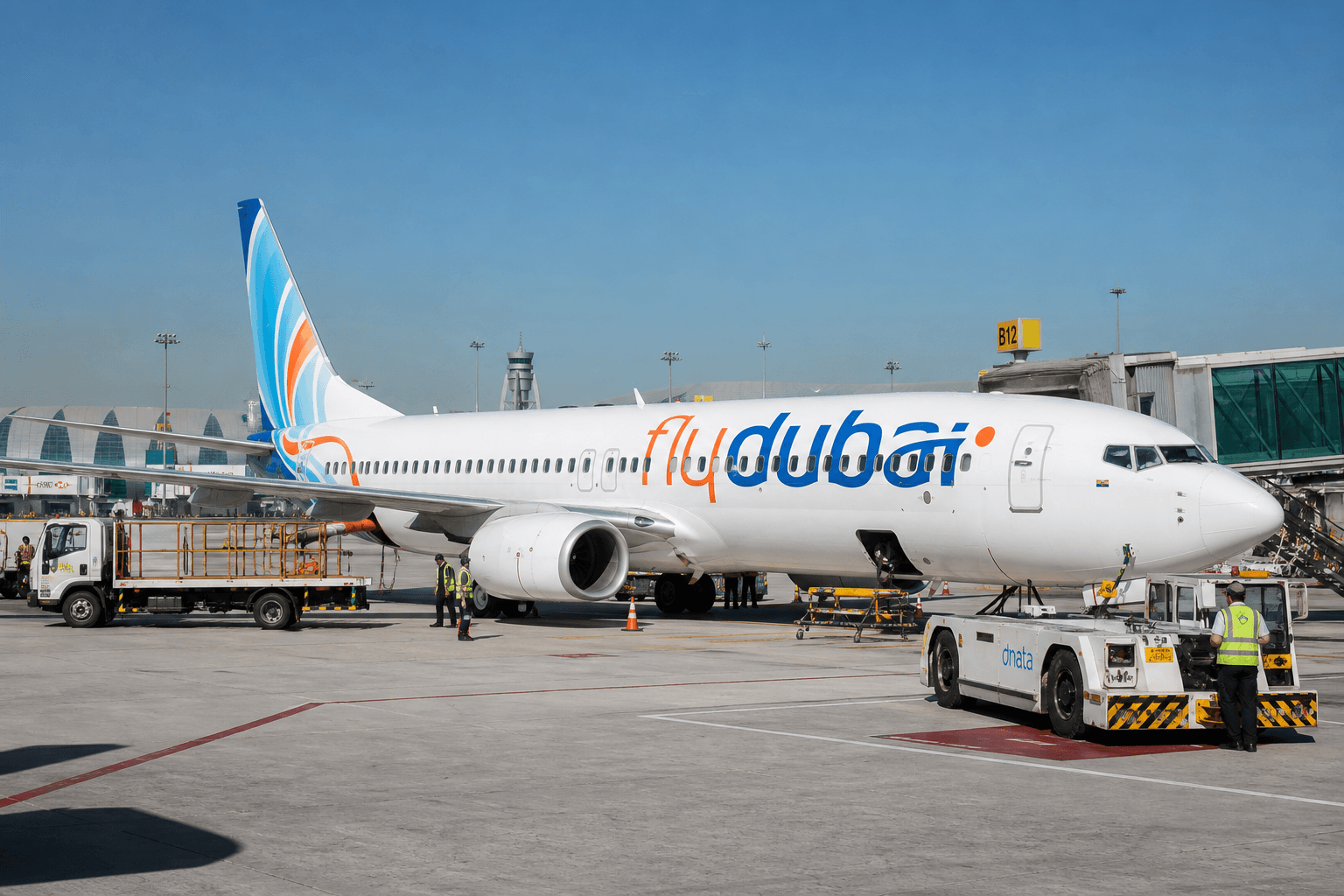
flydubai's single-engine taxiing program cuts emissions well above industry average
Small changes can make a big difference in aviation when extrapolated across a whole fleet.
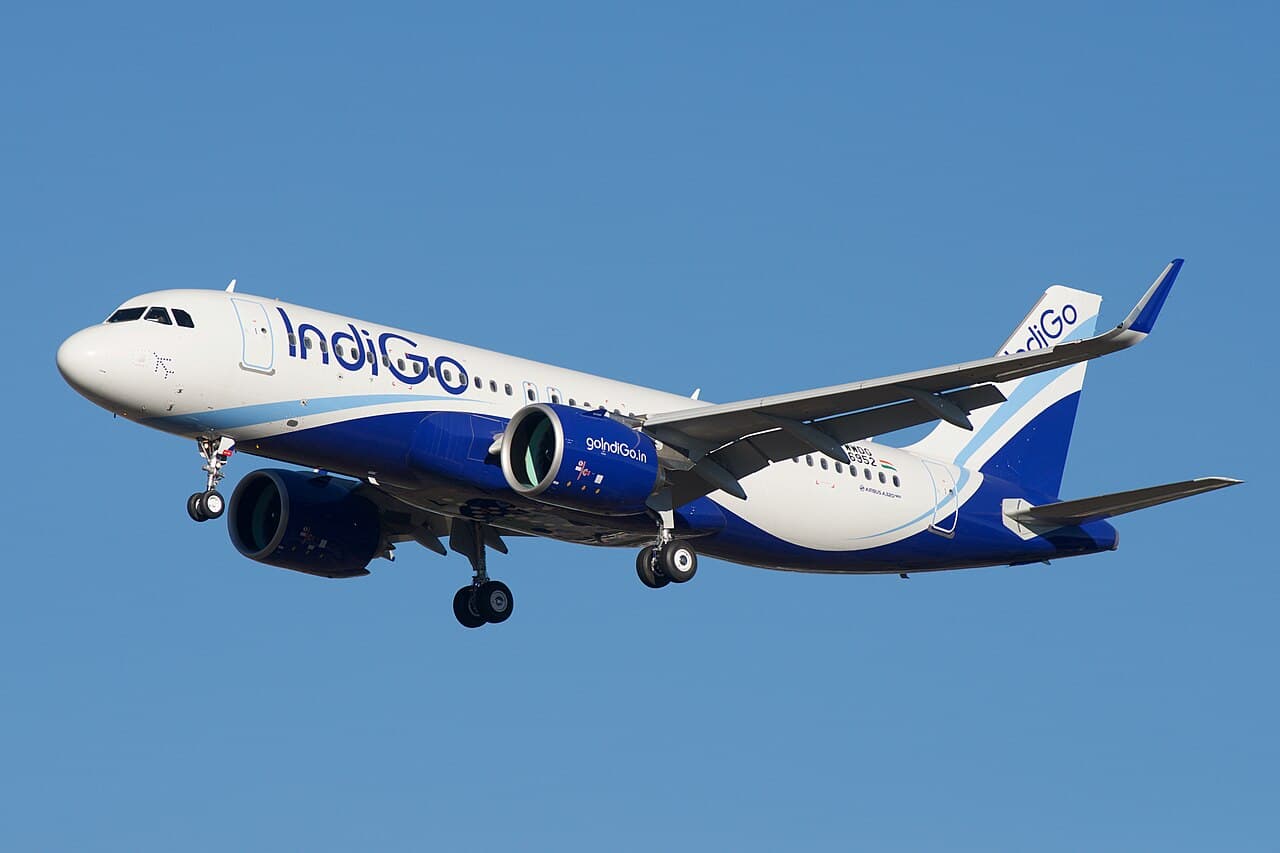
TAP Air Portugal to Expand Fleet by 24 Airbus Jets After Restructuring Completion
TAP Air Portugal is set for significant growth. Following the successful completion of its restructuring program, the airline plans to introduce 24 new Airbus aircraft over the next two years. ezstandalone.cmd.push(function () { ezstandalone.showAds(119); }); This expansion will boost its operational fleet by about 25% and support new route developments. End of Restructuring Opens Doors for Expansion On July 15, 2026, TAP announced it would receive 10 aircraft in 2026, including six A320neos, two A321neos, and two A330neos. The remaining deliveries are scheduled through 2028. The order comprises 22 A320neo Family aircraft and two A330neos. ezstandalone.cmd.push(function () { ezstandalone.showAds(127); }); These aircraft were originally ordered but deferred during the COVID-19 pandemic as part of TAP’s restructuring efforts. With the European Commission’s approval of the restructuring plan now fully satisfied, the airline can expand beyond previous fleet limits imposed to ensure fair competition. TAP’s restructuring began after receiving substantial state aid during the pandemic. The European Commission approved around €2.55–3.2 billion in aid in 2021, tied to strict conditions including cost reductions, asset divestments, and capacity limits. ezstandalone.cmd.push(function () { ezstandalone.showAds(128); }); Recent completions of sales for stakes in catering and ground handling firm SPdH (Serviços Portugueses de Handling) marked the final milestones. Photo Credit: TAP Air Portugal Fleet Growth and Network Strategy The additional aircraft will strengthen TAP’s position as Portugal’s flag carrier. As of mid-2026, TAP operates roughly 94–104 aircraft, primarily Airbus models. The new narrowbodies and widebodies will modernize the fleet, improve fuel efficiency, and enhance passenger comfort with the latest technologies. ezstandalone.cmd.push(function () { ezstandalone.showAds(129); }); This growth directly supports recently announced route expansions across North America, South America, and Europe. TAP aims to leverage its Lisbon hub as a key transatlantic gateway between Europe and the Americas. The extra capacity will allow more frequencies on popular routes and open opportunities for new destinations. Path to Privatisation The timing of this fleet expansion aligns with Portugal’s ongoing privatization efforts. The government plans to sell a 44.5% stake in TAP later in 2026, with 5% reserved for employees. A new strategic investor could bring additional capital and expertise to support long-term ambitions. Industry analysts view the move positively. Completing restructuring removes regulatory constraints and signals financial stability. ezstandalone.cmd.push(function () { ezstandalone.showAds(130); }); Modern aircraft will lower operating costs and reduce environmental impact through better fuel efficiency — an important factor as airlines face increasing pressure to meet sustainability targets. BriYYZ from Toronto, Canada, CC BY-SA 2.0, via Wikimedia Commons Implications for Passengers and the Industry For passengers, the expansion promises more flight options, potentially competitive fares, and newer aircraft with improved amenities. TAP’s focus on transatlantic routes benefits travellers connecting between Europe and Latin America, where the airline has traditionally been strong. The development also highlights broader trends in European aviation. Many carriers deferred deliveries during the pandemic and are now accelerating fleet renewal with fuel-efficient models like the A320neo and A330neo families. This helps airlines recover profitability while addressing environmental concerns. ezstandalone.cmd.push(function () { ezstandalone.showAds(131); }); TAP’s recovery story demonstrates resilience. From pandemic lows, the airline has restructured operations, divested non-core assets, and now positions itself for sustainable growth. Success in privatization will be key to securing its future competitiveness. As deliveries begin in late 2026, aviation enthusiasts and frequent flyers can expect to see more of TAP’s distinctive livery on runways worldwide. The airline’s disciplined growth plan focuses on its core strengths: reliable service, strategic geography, and a modernizing fleet. This strategic expansion positions TAP Air Portugal to reclaim and strengthen its role as a major player in the competitive European and transatlantic markets. With a larger, more efficient fleet and freedom from restructuring constraints, the airline is ready for its next chapter. ezstandalone.cmd.push(function () { ezstandalone.showAds(132); });
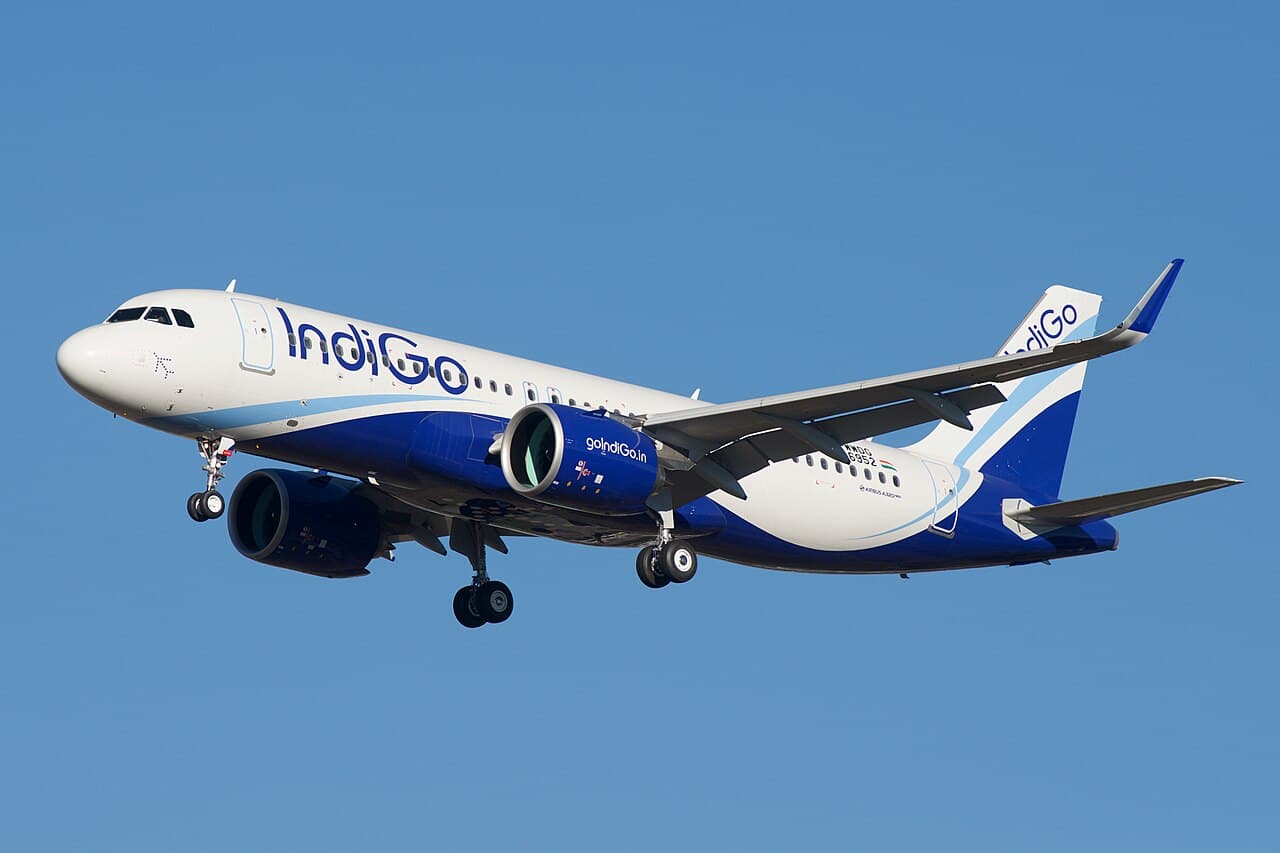
Chinese Carriers Order 95 New Airbus Jets to Modernize Fleets and Expand
In a significant boost for global aviation manufacturing, major Chinese carriers have committed to purchasing 95 new Airbus aircraft. ezstandalone.cmd.push(function () { ezstandalone.showAds(119); }); The deals, announced on July 17, 2026, highlight the ongoing recovery and expansion of China’s aviation sector as airlines modernise fleets and prepare for rising passenger demand. Air China and Shenzhen Airlines Sign $12.44 Billion Deal Air China, together with its subsidiary Shenzhen Airlines, has signed agreements with Airbus for 55 aircraft. The order includes 15 wide-body A350-900s for Air China and 40 A320neo family narrow-body aircraft for Shenzhen Airlines. ezstandalone.cmd.push(function () { ezstandalone.showAds(127); }); The combined catalogue value reaches approximately US$12.44 billion. However, the actual purchase price is expected to be substantially lower after typical commercial discounts. Deliveries for Shenzhen Airlines’ A320neo jets are scheduled between 2029 and 2032, while Air China’s A350-900 aircraft will arrive from 2030 to 2032. Air China Group emphasised that the new aircraft will support long-term fleet renewal and network growth. The planes promise better fuel efficiency and reduced operating costs. ezstandalone.cmd.push(function () { ezstandalone.showAds(128); }); Based on its 2025 fleet, the group projects a 7.1% capacity increase from the A350 order and an additional 4.3% from the Shenzhen Airlines aircraft. Some deliveries will replace older, less efficient planes. The transaction still requires shareholder and regulatory approvals. Photo Credit: Windmemories, CC BY-SA 4.0, via Wikimedia Commons Hainan Airlines Orders 40 A320neo Aircraft Separately, Hainan Airlines has agreed to buy 40 A320neo family aircraft. This order carries a catalogue value of up to US$5.36 billion, with the final price also expected to reflect negotiated discounts. Deliveries are planned from 2028 to 2032. ezstandalone.cmd.push(function () { ezstandalone.showAds(129); }); Hainan Airlines intends to use the new jets for fleet modernisation and expansion. The aircraft will help optimise the airline’s structure, boost overall capacity, and strengthen long-term competitiveness. Funding will come from internal resources, bank financing, finance leases, and other arrangements. Like the Air China deal, this agreement needs shareholder and regulatory clearance. Why These Orders Matter Together, the two announcements represent 95 new Airbus aircraft heading to Chinese operators. The A320neo family is popular for its fuel-saving engines and lower emissions, making it ideal for high-frequency domestic and regional routes. ezstandalone.cmd.push(function () { ezstandalone.showAds(130); }); The A350-900, a modern wide-body, excels on long-haul international services with superior passenger comfort and efficiency. These purchases reflect broader trends in Chinese aviation. After pandemic-related disruptions, carriers are investing heavily in newer technology to meet growing travel demand, improve environmental performance, and compete more effectively. Enhanced fuel efficiency is particularly important as airlines face pressure to reduce carbon footprints. ezstandalone.cmd.push(function () { ezstandalone.showAds(131); }); Photo Credit: 4300streetcar, CC BY 4.0, via Wikimedia Commons Positive Outlook for Chinese Aviation The orders signal confidence in China’s economic recovery and the future of air travel in the region. New aircraft will allow airlines to open or expand routes while lowering costs per seat. Passengers can also look forward to quieter, more comfortable flights on modern planes. Industry analysts will watch how these deliveries align with China’s airport infrastructure development and international route recovery. Both deals remain subject to final approvals, but they demonstrate Airbus’s strong position in the important Chinese market. ezstandalone.cmd.push(function () { ezstandalone.showAds(132); }); Conclusion With 95 aircraft on order, Chinese airlines are making a clear statement about their growth ambitions. These investments in efficient Airbus technology should deliver benefits for carriers, passengers, and the environment alike in the years ahead. The aviation sector continues to show resilience and forward momentum as it builds back stronger.

Safran Commences Hybrid-Electric Testing on Modified Silvercrest Engine
Engine maker plans to accumulate around 300h of run time over six-month campaign using modified Silvercrest powerplant. Safran Aircraft Engines will shortly begin ground testing a hybrid-electric demonstrator based on its Silvercrest business jet engine as the French firm looks to mature technologies that could equip the next generation of narrowbody-size powerplants. Supported by the French DGAC civil aviation authority, the PHILEAS demonstrator is fitted with a pair of 250kW motor-generators on the high- and low-pressure spools. These are sized "for use on the next generation of short- and medium-range aircraft engines", Safran says. Tests are being carried out using Safran's open-air test stand at Istres air base in southern France. They will run for around six months, comprising around 300h of testing, the propulsion specialist says. Test runs will start in the coming days, it adds. Also incorporating onboard power electronics and an electrical power distribution system, the PHILEAS demonstrator will be used to validate the integration of the technology suite within the engine under conditions which Safran says are representative of real-world operations. Included within the test programme are "advanced power management scenarios" such as balancing the power extraction between the two shafts, transferring power from one shaft to another, and managing power exchanges between the engine and the aircraft. "We're proud to launch this ground-test campaign, which marks another milestone in the maturation of hybrid-electric technologies. It represents a key step toward their integration into our future aircraft engines," says Pierre Cottenceau, vice-president, engineering, research & technology for Safran Aircraft Engines. Safran sees the application of hybridisation as a critical contributor to achieving the 20% fuel-burn reduction needed for the next generation of narrowbody engines. For example, the RISE open-fan demonstrator being developed by the French firm through its CFM International joint venture with GE Aerospace features hybrid-electric systems to optimise its performance through all flight phases. GE is also maturing its own hybrid-electric engine technology through the NASA-backed Electrified Powertrain Flight Demonstration aircraft, a modified Saab 340B that will be showcased at next week’s Farnborough air show. Electrical equipment for the PHILEAS demonstrator was developed by sister company Safran Electrical & Power (SE&P), which also contributed to the earlier DOPEE project in 2023. This validated the operation of a SE&P 300kW electric motor-generator attatched to the high-pressure shaft of another Silvercrest engine, accumulating around 300h of run time. Additionally, since late 2025, system-level testing has also been under way at SE&P's facility in Niort, France on a test bench simulating an 800V aircraft electrical network. The Silvercrest is a 10,000lbf (44kN)-thrust business jet engine development programme axed by Safran last decade.
The Daily Touch & Go
The day's best aviation news in your inbox. Free, no spam.