

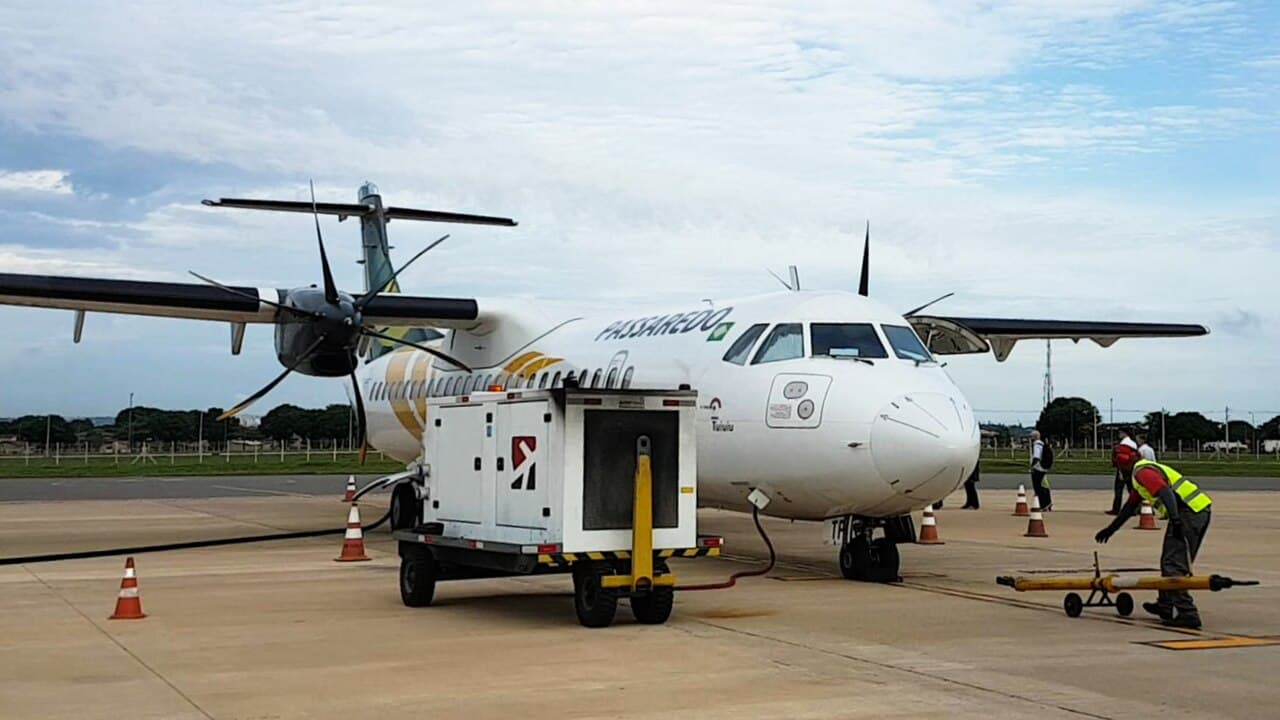
Final Investigation Reveals Multiple Failures in Voepass Flight 2283 Crash
The final report on the tragic Voepass Flight 2283 accident was released on July 23, 2026. Brazil’s CENIPA (Center for Investigation and Prevention of Aeronautical Accidents) spent nearly two years examining the crash that killed all 62 people on board. ezstandalone.cmd.push(function () { ezstandalone.showAds(119); }); The document reveals a chain of failures involving severe icing, crew actions, company practices, and regulatory gaps. What Happened in the Voepass Accident On August 9, 2024, an ATR 72-500 turboprop departed from Cascavel, Paraná, heading to São Paulo’s Guarulhos Airport. The aircraft encountered severe icing conditions during cruise. ezstandalone.cmd.push(function () { ezstandalone.showAds(127); }); Ice buildup degraded its performance, causing a stall and an unrecoverable flat spin. The plane crashed in a residential area of Vinhedo, São Paulo. Sadly, none of the 58 passengers and four crew members survived. CENIPA’s 266-page report identifies 19 contributing factors. It does not blame one single cause. Instead, it shows how multiple issues combined to create the disaster. ezstandalone.cmd.push(function () { ezstandalone.showAds(128); }); Initial Accident Report Severe Icing and Aircraft Problems The report confirms the plane flew through conditions highly favourable to heavy ice formation. The airframe de-icing system was already known to have issues. Investigators found the aircraft should not have been dispatched for this flight. It operated with about 10 inoperative items, including a faulty windshield wiper—a “No-Go” item given the weather forecast. ezstandalone.cmd.push(function () { ezstandalone.showAds(129); }); Previous flights showed recurring de-icing problems. However, crews often failed to log these faults properly. This practice hid the chronic nature of the defects and delayed proper repairs. Crew Actions and Human Factors Cockpit voice recordings revealed that pilots discussed personal topics during critical phases. This distraction contributed to “inattentional blindness.” The crew received multiple alerts: ice detection warnings, “Cruise Speed Low” (sounded about eight times), and “Degraded Performance.” They recognized ice accumulation but did not exit the area promptly or follow manufacturer procedures for minimum safe speeds. When the stall occurred, incorrect control inputs worsened the situation. The report notes the de-icing system was cycled on and off during the flight. ezstandalone.cmd.push(function () { ezstandalone.showAds(130); }); Details of Preliminary Report Company Culture and Maintenance Issues A major finding points to Voepass’s organizational culture. The airline tolerated a “normalization of deviations.” Mechanics and pilots frequently avoided recording problems to keep aircraft flying and meet schedules. Analysis of over 1,200 previous flights confirmed this pattern across multiple crews. Pressure to maintain operations, staff shortages, and fatigue contributed to poor maintenance discipline. Planes were sometimes released in degraded condition. ezstandalone.cmd.push(function () { ezstandalone.showAds(131); }); Regulatory Oversight Shortcomings The report also criticizes Brazil’s civil aviation authority, ANAC. Auditors had identified maintenance and safety issues at Voepass between 2022 and 2024. While some sanctions were applied, these actions proved insufficient to eliminate the risks. Aftermath and Recommendations Following the accident, authorities suspended Voepass operations and later revoked its air operator certificate. CENIPA issued safety recommendations to the airline, ANAC, aircraft manufacturer ATR, and European regulators. These aim to improve de-icing procedures, maintenance logging, crew training, and oversight. The investigation remains technical and preventive. Separate criminal inquiries continue. ezstandalone.cmd.push(function () { ezstandalone.showAds(132); }); VOEPASS Linhas Aéreas, CC BY-SA 4.0 via Wikimedia Commons Lessons for Aviation Safety The Voepass accident final report serves as a stark reminder that disasters often result from many small failures aligning. It highlights the importance of strong safety cultures, proper maintenance reporting, and effective regulatory action. Aviation authorities worldwide can use these findings to strengthen procedures and prevent similar tragedies. Families of the victims and the industry now hope the recommendations lead to real change. Safety must always come before schedules and profits. ezstandalone.cmd.push(function () { ezstandalone.showAds(133); });