

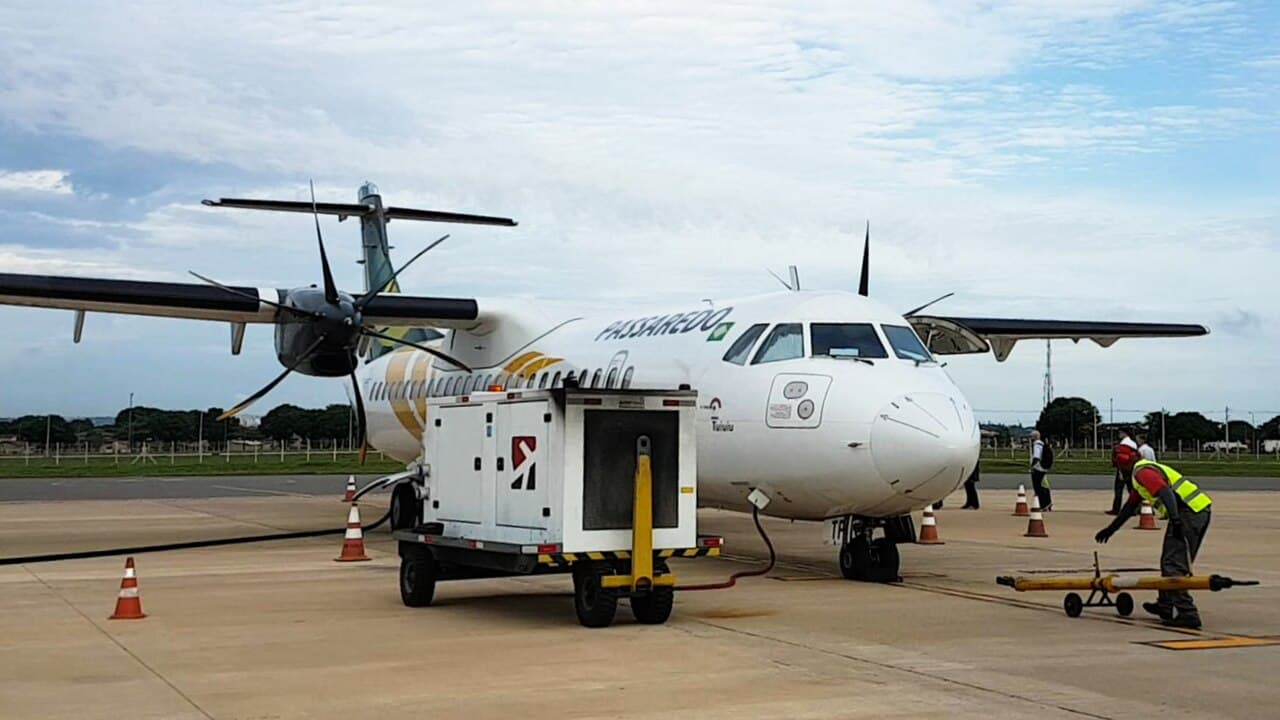
Image: Contraexemplo · CC BY-SA 4.0 · via Wikimedia Commons
Final Investigation Reveals Multiple Failures in Voepass Flight 2283 Crash
CENIPA's detailed report uncovers severe icing, maintenance lapses, crew errors, and regulatory shortcomings in the 2024 ATR 72 disaster near São Paulo.
The gist
Voepass Flight 2283 crashed due to a combination of severe icing, ignored maintenance faults, crew distractions, and oversight failures, killing all 62 aboard.
The tragic accident of Voepass Flight 2283 on August 9, 2024, which resulted in the deaths of all 62 people on board, has been thoroughly examined in a final report released by Brazil's CENIPA on July 23, 2026. The ATR 72-500 turboprop was en route from Cascavel, Paraná, to São Paulo's Guarulhos Airport when it encountered severe icing conditions during its cruise phase. The aircraft succumbed to performance degradation caused by ice buildup, leading to a stall and an unrecoverable flat spin before crashing into a residential neighborhood in Vinhedo, São Paulo, killing all passengers and crew.
CENIPA's 266-page investigation identifies 19 contributing factors, demonstrating that no single cause led to the disaster. Instead, a complex interaction of environmental conditions, technical issues, human factors, company practices, and regulatory lapses combined to create a catastrophic outcome. This comprehensive approach reflects the multifaceted nature of modern aviation accidents.
One critical issue revealed was the aircraft's compromised condition prior to departure. The ATR 72-500 was found to have about 10 inoperative components, including a defective windshield wiper—a mandated No-Go item given the weather forecast predicting icing. The aircraft's de-icing system had recurrent problems, known to the operator, yet it continued to be dispatched on flights, despite safety concerns. Records also show that crews often neglected to properly log system faults, masking the persistent nature of these defects and delaying necessary repairs.
Crew behavior on the ill-fated flight also played a significant role. Cockpit voice recordings disclosed that pilots engaged in personal conversations during crucial operational phases, a distraction contributing to inattentional blindness. Despite multiple warnings, including ice detection alerts and repeated 'Cruise Speed Low' and 'Degraded Performance' warnings sounding approximately eight times, the crew did not exit the severe icing conditions promptly nor adhere to manufacturer-recommended minimum safe speeds. When the stall occurred, flight control inputs were inappropriate, further exacerbating the situation. The report notes that the de-icing system was cycled on and off during flight, indicating possible uncertainty or indecisiveness in managing the hazard.
Beyond the immediate flight crew, a systemic cultural issue within Voepass was identified. The airline tolerated a 'normalization of deviations' where mechanics and pilots frequently avoided documenting known problems to keep aircraft operational and meet rigid schedules. Analysis of over 1,200 preceding flights confirmed this pattern of underreporting and insufficient maintenance discipline, tied to operational pressure, staffing shortages, and fatigue. This culture permitted aircraft to continue flying with degraded systems that heightened risk.
Regulatory oversight gaps also factored into the accident. Brazil's civil aviation authority, ANAC, had previously identified maintenance and safety deficiencies at Voepass between 2022 and 2024. Although enforcement actions were applied, these proved inadequate to address deeply rooted issues, allowing unsafe practices to persist. Following the accident, ANAC suspended Voepass operations and ultimately revoked its air operator certificate, demonstrating the gravity of the findings.
CENIPA has issued a series of recommendations targeting the airline, ANAC, aircraft manufacturer ATR, and European regulatory bodies. These focus on enhancing de-icing protocols, enforcing rigorous maintenance logging, improving crew training on icing hazards and stall recovery, and strengthening regulatory audits and sanctions. The investigation maintains a preventive and technical orientation, while criminal inquiries related to the crash proceed in parallel.
This detailed final report underscores the devastating potential when multiple failures align—environmental hazards, mechanical issues, human error, organizational culture, and regulator lapses. It emphasizes the vital importance of a robust safety culture, strict adherence to maintenance procedures, vigilant regulatory oversight, and acute pilot awareness, especially concerning known risks such as severe icing. The aviation community and victims' families alike anticipate these lessons will drive lasting improvements to prevent repetition of such tragedies.
The Voepass Flight 2283 accident stands as a sobering reminder that safety in aviation relies on the consistent performance of all system components, from equipment through training to oversight. It reflects the necessity that operational pressures must never supersede safety imperatives.
Frequently asked questions
- What caused the crash of Voepass Flight 2283?
- The crash resulted from a combination of severe icing leading to performance degradation and stall, compounded by crew errors, maintenance lapses, and regulatory oversights.
- Were there known maintenance issues with the Voepass ATR 72 involved in the crash?
- Yes, the aircraft had about 10 inoperative items including a faulty windshield wiper and recurring de-icing system problems that were often not properly reported or repaired.
- How did crew behavior contribute to the accident?
- Pilots were distracted by non-operational discussions during critical phases and failed to follow procedures for severe icing, ignoring multiple warnings and mishandling control inputs during the stall.
Read more
All Aviation Safety →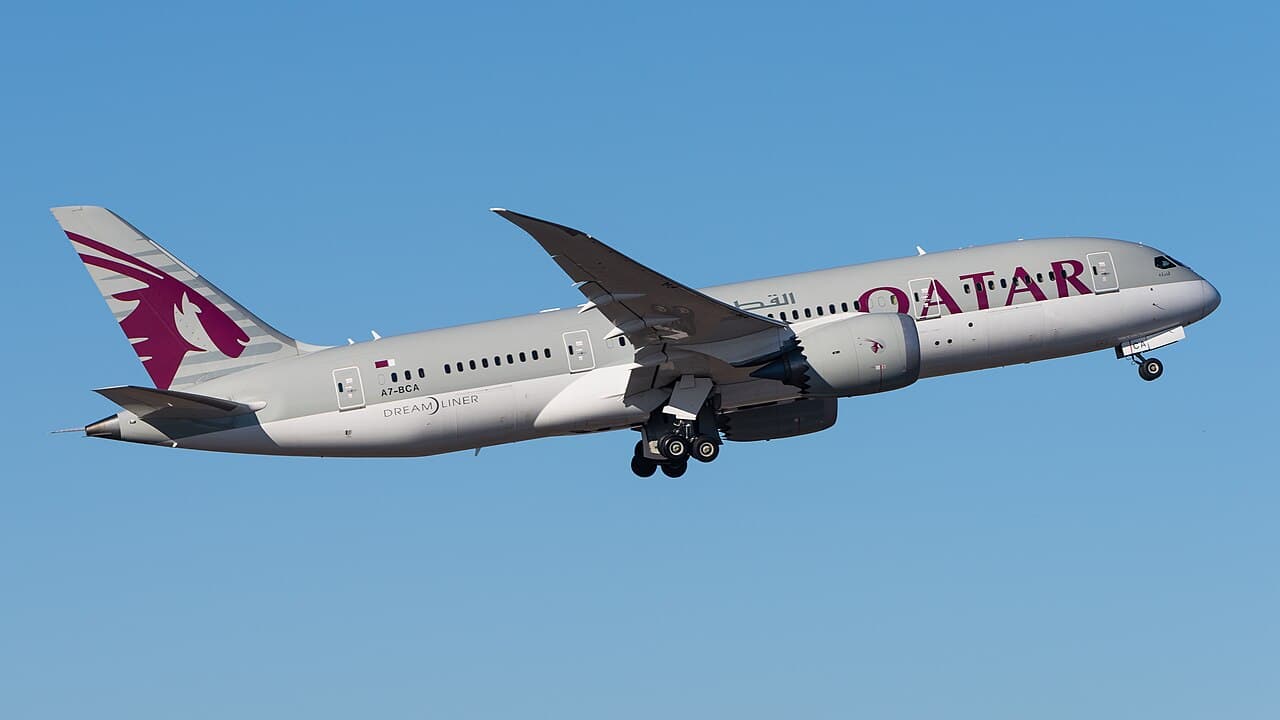
American Airlines Boeing 787 Diverts to Dublin After Multiple Flight Attendants Fall Ill Mid-Flight
An American Airlines Boeing 787-9 Dreamliner with as many as 284 passengers on board made an emergency landing in Dublin, Ireland, on Saturday afternoon after six of the eight flight attendants on the service from Rome to Philadelphia reportedly felt ill as the plane started its transatlantic service. American Airlines flight AA-719 departed Rome Fiumicino International Airport just before 1 pm local time on July 25 for what should have been a routine eight-and-a-half-hour flight across the pond to the carrier’s Philadelphia hub. Flight Radar 24 shows how American Airlines 719 from Rome to Philadelphia ended up diverting to Dublin on July 25. Data from the light tracking website Flight Radar 24 shows that the seven-year-old aircraft climbed to a cruising altitude of around 38,000 feet as it tracked over France and over the Atlantic Ocean, before the pilots suddenly turned towards Ireland around three hours into the flight. The reason given to air traffic control for the sudden diversion was a medical emergency, although the exact details of what kind of medical episode was taking place weren’t immediately revealed. Sources cited by trusted aviation insider JonNYC on X have, however, reported that six of the flight attendants started to feel dizzy and ill as the plane flew over the Atlantic. Although none of the crew members are believed to have been incapacitated, the pilots decided that the flight couldn’t continue with so many flight attendants feeling ill all at once. The plane landed safely in Dublin on Saturday afternoon, but with no replacement crew to take the passengers to Philadelphia, and the cause of the illness amongst the flight attendants still a mystery, American Airlines had no other option but to cancel the onward flight. on this, I'm told– 100% UNCONFIRMED– "AA 719. Flight divert after 6 of 9 FA's felt dizzy / ill." 100% unconfirmed. https://t.co/2uBxohJ0Bn — JonNYC (@xJonNYC) July 25, 2026 American Airlines has been contacted for comment, but had not responded by the time of publication. There are several potential causes for this sudden mass sickness amongst the flight attendants, although some type of ‘toxic’ fume event (a term that the airline industry prefers to call an ‘odor’ event) is the least likely, given that this flight was operated by a Boeing 787. The Dreamliner is the only commercial passenger aircraft that does not use the so-called ‘bleed air’ system to feed air into the cabin from the outside. The term bleed air is derived from the fact that some of the air being sucked into the engines is then bled into the air conditioning system. This method of delivering fresh air into the passenger cabin has been criticized as campaigners claim the air can become contaminated with vaporized engine oil or other contaminants from the engine, which can make passengers and crew sick if it is fed into the cabin. The more likely cause for this diversion is a fault with the air conditioning packs that supply the air into the cabin. If even one of these packs stops working, the levels of oxygen in the cabin can drop to the point that passengers and crew could start feeling the early symptoms of hypoxia. This wouldn’t necessarily be bad enough to trigger a depressurization emergency, but it would be enough for people to start feeling dizzy, light-headed, and potentially even clumsy and euphoric. This kind of fault is much more likely to affect flight attendants rather than the passengers because they are up and about, running a busy meal service, meaning their bodies require more oxygen to function normally. Another potential cause, although highly unusual, could be a chemical leak from a spilt cleaning product. Yes, this sounds oddly specific, but this is exactly what caused a group of American Airlines flight attendants to feel ill shortly after takeoff from London Heathrow during a flight to Philadelphia in October 2018. Two of the crew members were so badly affected by the smell of the noxious chemicals that they lost consciousness for a short time, leading the pilots to make an emergency diversion to Shannon, Ireland. American Airlines said the incident was caused by a bottle of industrial cleaning solution known as CH2200D, which had been accidentally left in a toilet by the cleaning crew. When the plane took off, the bottle tipped over, and the solution soaked into the carpet, releasing a noxious vapor that overpowered some of the flight attendants.
Embraer Unveils Phenom 300EV With Garmin Emergency Autoland and Enhanced Safety Features
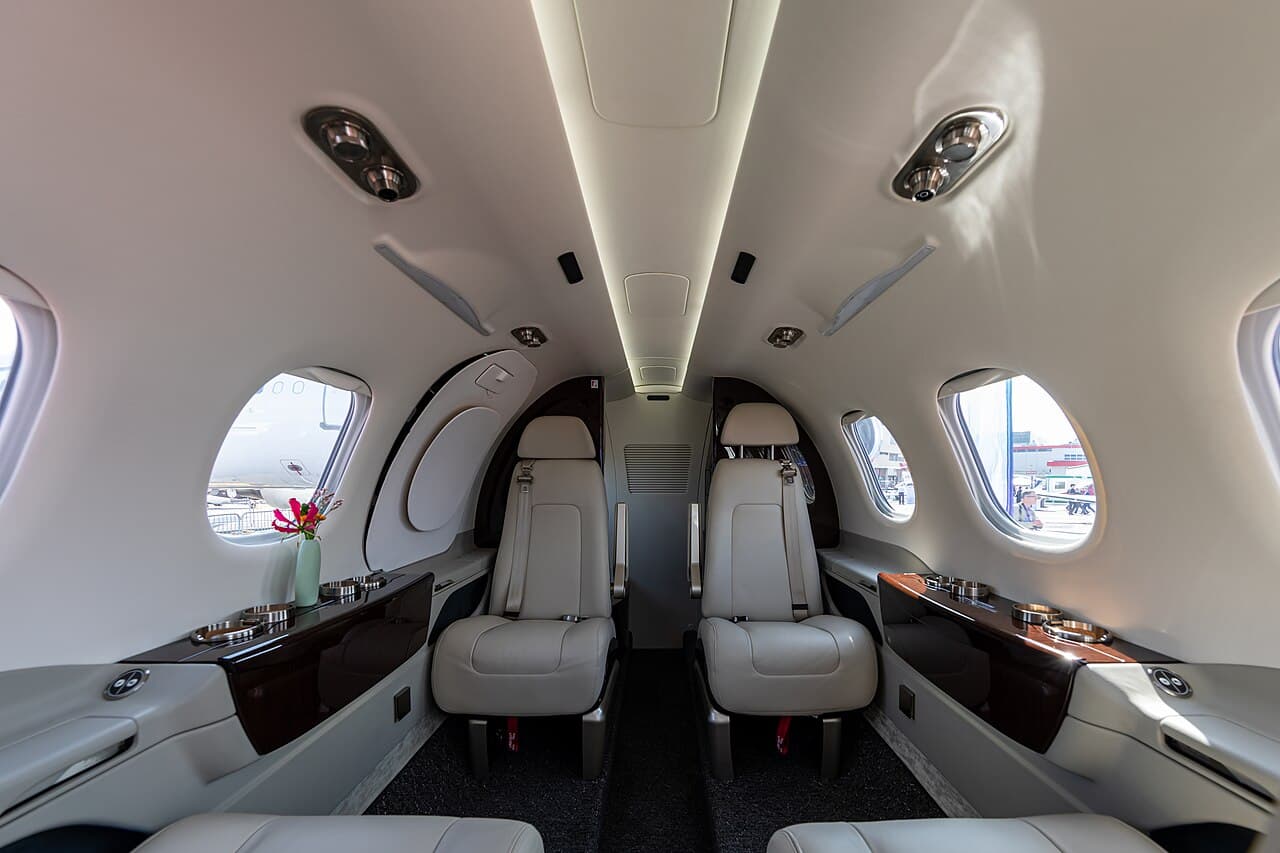
Embraer announced the Phenom 300EV on Tuesday as the latest version of its single-pilot light business jet. The manufacturer said the "EV" designation stands for "Evolution." Initial deliveries are expected in 2028. Expanded Safety Systems The Phenom 300EV will include Garmin Emergency Autoland , which can activate automatically or manually following pilot incapacitation and complete an automated landing. Embraer said the Phenom 300EV will be the largest business jet equipped with the system. The aircraft will also receive autobrake for takeoffs and landings. A new Embraer-developed electronic controller will manage the aircraft's rudder-by-wire system and other electronically controlled functions. The Garmin G3000 Prodigy Touch flight deck will add 3D taxiway routing, runway-occupancy alerts, synthetic-vision guidance, FANS 1/A+, RNP AR 0.3 capability and an inertial reference system. Existing systems include autothrottle, Emergency Descent Mode and Embraer's Runway Overrun Awareness and Alerting System. Range And Cabin Updates Embraer lists the Phenom 300EV's maximum range at 2,055 nautical miles under NBAA IFR reserve conditions, an increase from the Phenom 300E's published five-passenger range of 2,010 nautical miles. An increase in maximum zero-fuel weight will provide approximately 430 pounds of additional payload capacity. The aircraft will retain a maximum speed of Mach 0.80 and will use lithium-ion batteries, LED taxi lights and LED landing lights. The cabin will offer factory-installed Gogo Galileo low-Earth-orbit satellite connectivity. Starlink will be available later as an aftermarket installation under a supplemental type certificate. Other changes include a vacuum lavatory, improved temperature controls, an air-ionization system and a redesigned refreshment center. The aircraft will retain a maximum cabin altitude of 6,600 feet.
Embraer debuts Phenom 300EV light jet with Garmin Emergency Autoland and upgraded range
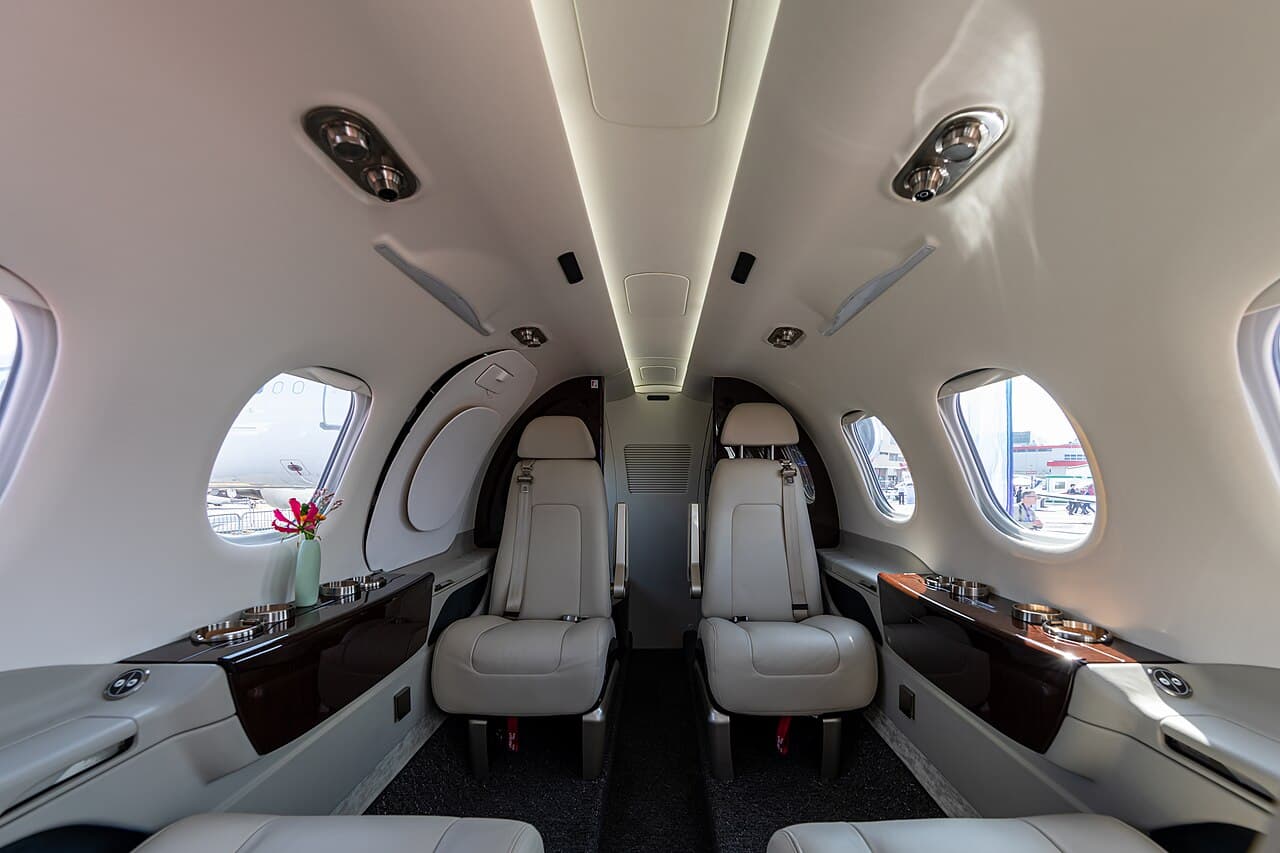
Embraer has launched the Phenom 300EV, the third generation of the planemakers best-selling light jet following the highly successful Phenom 300E and Phenom 300. On July 14, 2025, the Brazilian aircraft manufacturer said that the updated model arrives with intuitive safety technology, including Garmin Emergency Autoland. Embraer said the 'EV' designation stands for Evolution and deliveries of the new model are expected to begin in 2028. The latest executive jet "incorporates a series of performance and interior enhancements" from its predecessors such as Garmin G3000 Prodigy Touch, which includes runway and taxi situational awareness. PAUL BOWEN Landings and takeoffs are also supported by Autobrake and a new Embraer-developed Multi-Purpose Electronic Controller (MEC), integrates rudder-by-wire and other electronically controlled aircraft functions, contributing to reduced pilot workload and simplified maintenance. Michael Amalfitano, President and CEO of Embraer Executive Jets, said that for over a decade the Phenom 300 series have set the industry standard and the aircraft holds the "undisputed position as the category leader". "With the new Phenom 300EV, we are raising the bar once again," Amalfitano said. "Through purposeful innovations combining enhanced safety technology, amplified performance, and thoughtful cabin refinements, we have introduced meaningful advancements that make flying more intuitive, seamless and enjoyable. It is not only the evolution of the world's best-selling light jet, but a clear statement that the market leadership excellence benchmark continues to belong to Embraer." Embraer Performance updates include an extended range of up to 2,055 nautical miles and an increase in maximum zero fuel weight, adding approximately 430 pounds of payload capacity. The Phenom 300EV also introduces new True Blue Power lithium-ion batteries and LED taxi and landing lights designed to support improved reliability and dispatch performance. Starlink connectivity will also be available as an aftermarket solution through a Supplemental Type Certificate (STC). Introducing the Phenom 300EV, a bold evolution of the world's best-selling light jet for 14 consecutive years. There are light jets. And then there's the Phenom 300EV. Intuitive. Refined. Legendary. Read more: https://t.co/SD3KhYUZWx Phenom 300EV: https://t.co/2lTwriWz1C pic.twitter.com/UEMyMjJbiU — Embraer (@embraer) July 14, 2026 Additional enhancements include the introduction of an odorless vacuum lavatory, improved cabin temperature control, a redesigned refreshment center with the flexibility to bring a hot beverage machine of preference, and an air ionization system. RELATED India certifies multiple Embraer aircraft including E195 and E195-E2 jets
Defunct Cameroon Airlines Sues Boeing for $179M Over 1995 737-200 Crash
Boeing is suing to block a defunct airline's $179 million claim over a 1995 Cameroon Airlines 737 crash. The accident report blamed engine failure and pilot handling, while Boeing says the airline's purchase contract waived these claims decades ago.
The Daily Touch & Go
The day's best aviation news in your inbox. Free, no spam.