

Europe's FCAS fighter program collapses amid industrial disputes and divergent military goals
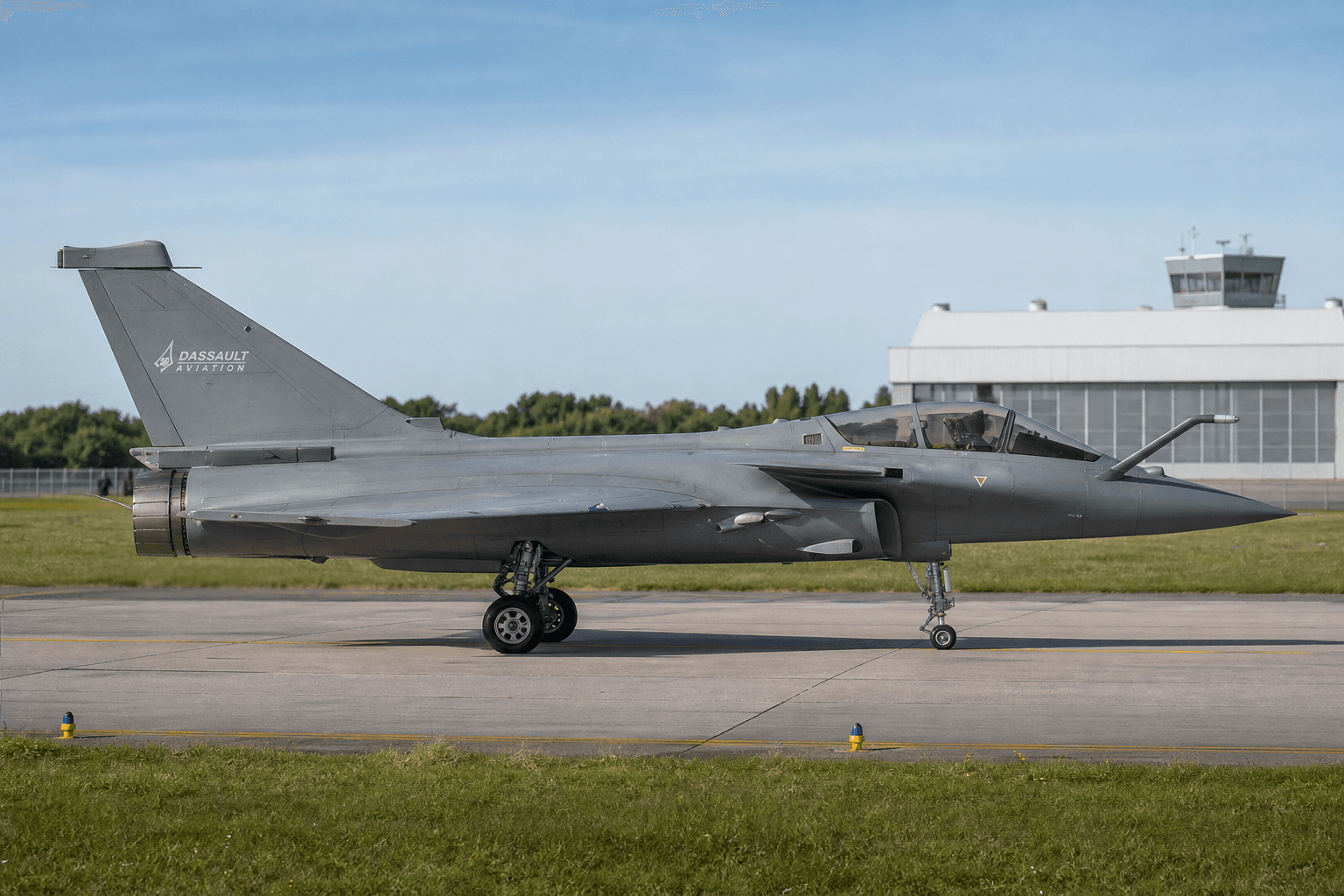
Where next for Europe’s future combat aircraft plans? Perhaps the most surprising thing about the collapse of the European Future Combat Air System (FCAS) programme was that it took so long to fall apart. Even from the outset you did not need to be an expert in business dynamics or industrial politics to see that the relationship between lead protagonists Airbus and Dassault Aviation was likely to be strained at best. French airframer Dassault is, like it or not, a fiercely independent entity with a chief executive in Eric Trappier for whom the adjective 'pugnacious' is tailor-made. Dassault thought it was to be fully in charge, the architect as the company phrased it, of the New Generation Fighter (NGF), the manned platform at the heart of FCAS. But faced with what it felt was the steady encroachment of Airbus onto its turf, tensions inevitably ratcheted up. Indeed, it was always going to be a challenge to yoke Dassault to a wider pan-European construct, particularly when it lacks the collaborative spirit that, thanks to its origins, is part of the Airbus DNA. There also seemed to be an inherent issue with what the three countries funding FCAS wanted to achieve with the NGF – France sought a replacement for the Rafale, including the naval version, while Germany and Spain targeted an air dominance fighter as a Eurofighter successor. Remember too that France and Dassault have history here: originally part of the Future European Fighter Aircraft programme – the precursor to the Eurofighter – the pair left, to develop the Rafale independently, due to disagreements over design authority and operational requirements. Sound familiar? But with the dust now settling on the inherently fissiparous FCAS project, the question becomes: what next? Can France and Dassault proceed once more in splendid isolation? At a technological level, almost certainly, after all, whatever criticism can be laid at the airframer's door, it does not lack for design and manufacturing nous. However, the stumbling block may be the eye-watering sums needed to bring a sixth-generation fighter into service. German industry, with some Spanish contribution, has already announced the ' Team Gen 6 ' grouping that it says is willing to work with any interested party to advance the interests of European sovereignty. Mind you, it is unclear who else is available. At this stage, ushering Germany and Spain into the Global Combat Air Programme being progressed by Italy, Japan and the UK – seemingly harmoniously so far – seems challenging, if not outright impossible. That leaves Sweden, which is still mulling options for a successor to its current Saab Gripen E. Mind you, with relations between Paris and Stockholm ever-closer – notably, France is acquiring at least two Saab GlobalEye surveillance jets – perhaps a different marriage of convenience could be contemplated? Equally, perhaps the real lesson from the debacle is that agility is key: many of the capabilities envisioned for the broader FCAS project – the system of systems concept – are already being tested or deployed by adversaries. Whichever direction Europe's new divorcees take – remarriage or remaining single – the watchword for a future fighter, now more than ever, is the need for speed.