
Chinese Carriers Order 95 New Airbus Jets to Modernize Fleets and Expand
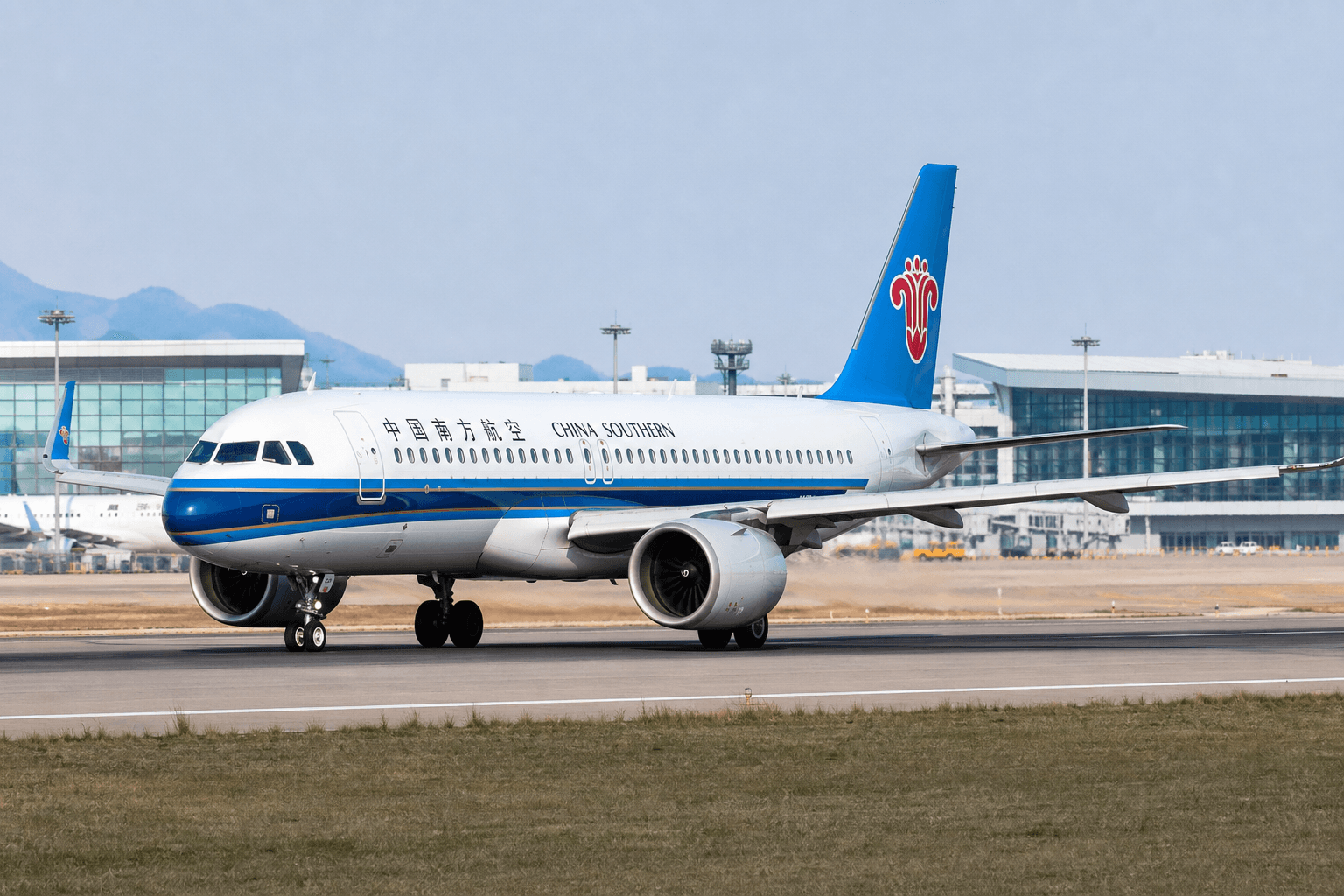
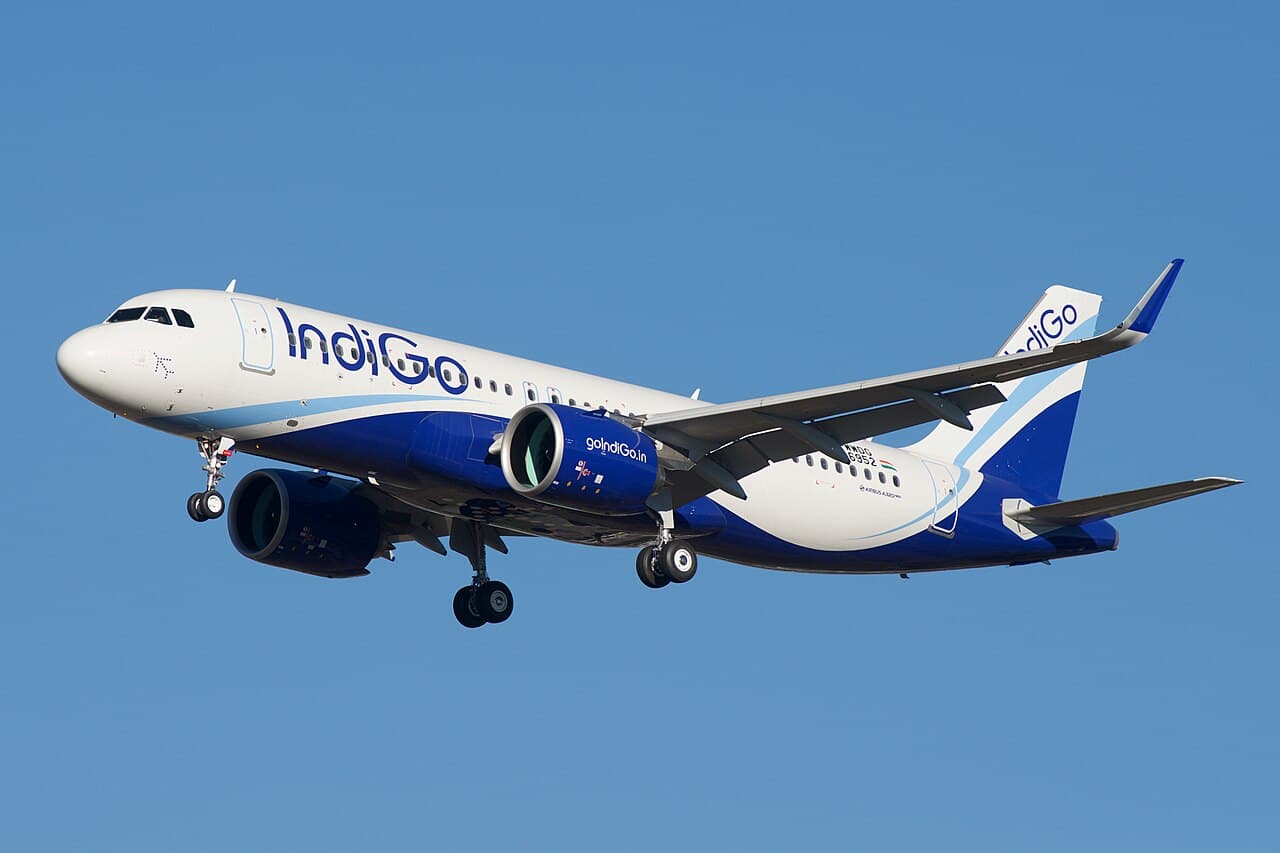
In a significant boost for global aviation manufacturing, major Chinese carriers have committed to purchasing 95 new Airbus aircraft. ezstandalone.cmd.push(function () { ezstandalone.showAds(119); }); The deals, announced on July 17, 2026, highlight the ongoing recovery and expansion of China’s aviation sector as airlines modernise fleets and prepare for rising passenger demand. Air China and Shenzhen Airlines Sign $12.44 Billion Deal Air China, together with its subsidiary Shenzhen Airlines, has signed agreements with Airbus for 55 aircraft. The order includes 15 wide-body A350-900s for Air China and 40 A320neo family narrow-body aircraft for Shenzhen Airlines. ezstandalone.cmd.push(function () { ezstandalone.showAds(127); }); The combined catalogue value reaches approximately US$12.44 billion. However, the actual purchase price is expected to be substantially lower after typical commercial discounts. Deliveries for Shenzhen Airlines’ A320neo jets are scheduled between 2029 and 2032, while Air China’s A350-900 aircraft will arrive from 2030 to 2032. Air China Group emphasised that the new aircraft will support long-term fleet renewal and network growth. The planes promise better fuel efficiency and reduced operating costs. ezstandalone.cmd.push(function () { ezstandalone.showAds(128); }); Based on its 2025 fleet, the group projects a 7.1% capacity increase from the A350 order and an additional 4.3% from the Shenzhen Airlines aircraft. Some deliveries will replace older, less efficient planes. The transaction still requires shareholder and regulatory approvals. Photo Credit: Windmemories, CC BY-SA 4.0, via Wikimedia Commons Hainan Airlines Orders 40 A320neo Aircraft Separately, Hainan Airlines has agreed to buy 40 A320neo family aircraft. This order carries a catalogue value of up to US$5.36 billion, with the final price also expected to reflect negotiated discounts. Deliveries are planned from 2028 to 2032. ezstandalone.cmd.push(function () { ezstandalone.showAds(129); }); Hainan Airlines intends to use the new jets for fleet modernisation and expansion. The aircraft will help optimise the airline’s structure, boost overall capacity, and strengthen long-term competitiveness. Funding will come from internal resources, bank financing, finance leases, and other arrangements. Like the Air China deal, this agreement needs shareholder and regulatory clearance. Why These Orders Matter Together, the two announcements represent 95 new Airbus aircraft heading to Chinese operators. The A320neo family is popular for its fuel-saving engines and lower emissions, making it ideal for high-frequency domestic and regional routes. ezstandalone.cmd.push(function () { ezstandalone.showAds(130); }); The A350-900, a modern wide-body, excels on long-haul international services with superior passenger comfort and efficiency. These purchases reflect broader trends in Chinese aviation. After pandemic-related disruptions, carriers are investing heavily in newer technology to meet growing travel demand, improve environmental performance, and compete more effectively. Enhanced fuel efficiency is particularly important as airlines face pressure to reduce carbon footprints. ezstandalone.cmd.push(function () { ezstandalone.showAds(131); }); Photo Credit: 4300streetcar, CC BY 4.0, via Wikimedia Commons Positive Outlook for Chinese Aviation The orders signal confidence in China’s economic recovery and the future of air travel in the region. New aircraft will allow airlines to open or expand routes while lowering costs per seat. Passengers can also look forward to quieter, more comfortable flights on modern planes. Industry analysts will watch how these deliveries align with China’s airport infrastructure development and international route recovery. Both deals remain subject to final approvals, but they demonstrate Airbus’s strong position in the important Chinese market. ezstandalone.cmd.push(function () { ezstandalone.showAds(132); }); Conclusion With 95 aircraft on order, Chinese airlines are making a clear statement about their growth ambitions. These investments in efficient Airbus technology should deliver benefits for carriers, passengers, and the environment alike in the years ahead. The aviation sector continues to show resilience and forward momentum as it builds back stronger.