

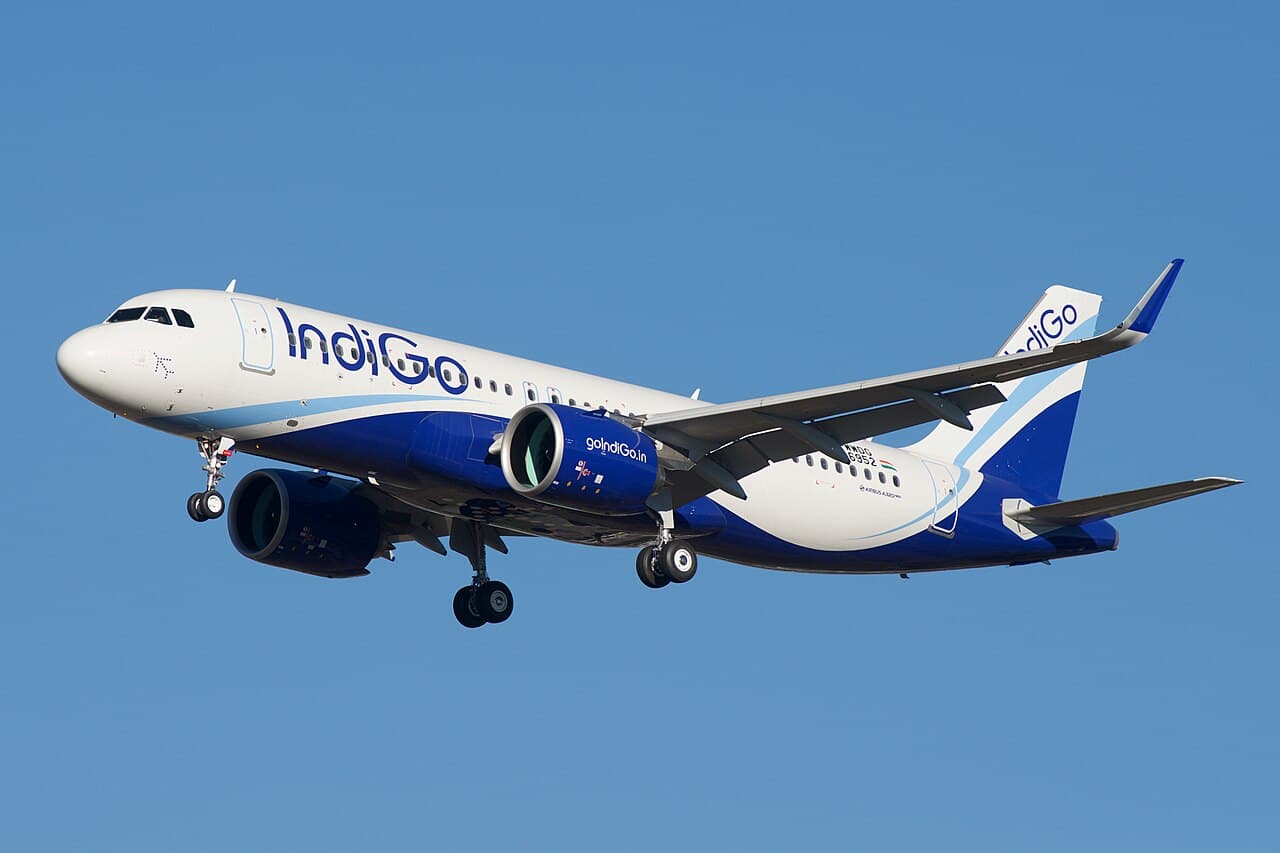
Image: BriYYZ from Toronto, Canada · CC BY-SA 2.0 · via Wikimedia Commons
Chinese Carriers Order 95 New Airbus Jets to Modernize Fleets and Expand
Air China, Shenzhen Airlines, and Hainan Airlines commit to purchasing 95 Airbus aircraft valued over $17 billion, signaling fleet renewal and growth for China's aviation sector.
The gist
Chinese airlines place major orders for 95 Airbus jets, boosting fleet modernization and expansion plans.
Continuing coverage
All Airbus →- Air China orders 15 Airbus A350-900s and 40 A320neos for Shenzhen Airlines
- Air China and Shenzhen Airlines Order 55 Airbus Jets Worth $12.4 Billion
- Airbus to perform ultra-long 22-hour test flight of A350-1000ULR to Australia
- SAS Evolves With New SkyTeam Alliance And Modern Airbus Fleet
- Airbus A220 Outpaces A319neo as Preferred 100-150 Seat Narrowbody
In a landmark commitment reflecting confidence in China's aviation resurgence, major Chinese airlines have signed agreements to acquire a total of 95 new aircraft from Airbus. Air China and its subsidiary Shenzhen Airlines jointly placed orders for 55 planes, while Hainan Airlines separately ordered 40 aircraft. The announcements came on July 17, 2026, and underscore the sector’s recovery and strategic modernization amidst growing passenger demand.
Air China’s order includes 15 wide-body A350-900s, purpose-built for long-haul travel with enhanced fuel efficiency and passenger comfort. Simultaneously, Shenzhen Airlines has secured 40 A320neo family narrow-body jets tailored for domestic and regional routes. Together, this package has a combined list price of approximately $12.44 billion, though commercial discounts will reduce actual expenditure.
Deliveries to Shenzhen Airlines are planned between 2029 and 2032 for their A320neos, while Air China expects its A350-900s in the 2030-2032 timeframe. The airline group projects this infusion will raise capacity by 7.1% with the A350s and another 4.3% through Shenzhen’s fleet, part of a broader strategy replacing older, less efficient aircraft to lower operating costs and carbon emissions.
Separately, Hainan Airlines finalized an agreement to purchase 40 A320neo aircraft valued near $5.36 billion, with deliveries spread from 2028 to 2032. This move targets fleet modernization and capacity growth to strengthen Hainan’s competitiveness. Funding sources include internal capital, bank loans, and leasing arrangements. Like Air China’s deal, shareholder and regulatory approvals remain pending.
These acquisitions align with industry trends emphasizing fuel efficiency and sustainability, critical as airlines face increasing pressure to reduce environmental impact. The A320neos represent a leading choice for fuel savings and reduced emissions on frequent short-haul flights, while the A350-900 wide-bodies offer superior efficiency for international long-haul markets.
The orders come at a time when Chinese airlines are recalibrating after pandemic-related disruptions, preparing to meet anticipated demand recovery with newer, more efficient fleets. Airbus’s strong presence in the Chinese market is reinforced by these deals, illustrating a robust partnership between the manufacturer and key carriers.
From a broader perspective, this investment highlights confidence in China’s economic trajectory and air travel outlook. Airlines’ plans to expand routes and improve operational cost efficiency will also benefit passengers through quieter, more comfortable aircraft and potentially more competitive fares.
The successful integration of these new aircraft will also depend on developments in Chinese airport infrastructure and the restoration of international air travel routes, factors that will shape the sector’s growth in coming years. The combined $17.8 billion catalog value purchase signals ambition and a forward-looking approach by Chinese carriers as they position themselves for the next phase of growth.
Frequently asked questions
- What types of aircraft did Chinese airlines order from Airbus?
- They ordered 15 Airbus A350-900 wide-body jets for Air China and 80 A320neo family narrow-body aircraft, 40 each for Shenzhen Airlines and Hainan Airlines.
- When are the deliveries of these Airbus aircraft scheduled?
- Deliveries for A320neo jets to Shenzhen Airlines are from 2029 to 2032, Hainan Airlines from 2028 to 2032, and Air China's A350-900s from 2030 to 2032.
- Why are Chinese carriers investing in these new Airbus aircraft?
- The orders support fleet renewal and expansion, aiming to improve fuel efficiency, reduce operating costs, manage growing passenger demand, and enhance competitiveness while lowering environmental impact.
Read more
All Sustainability →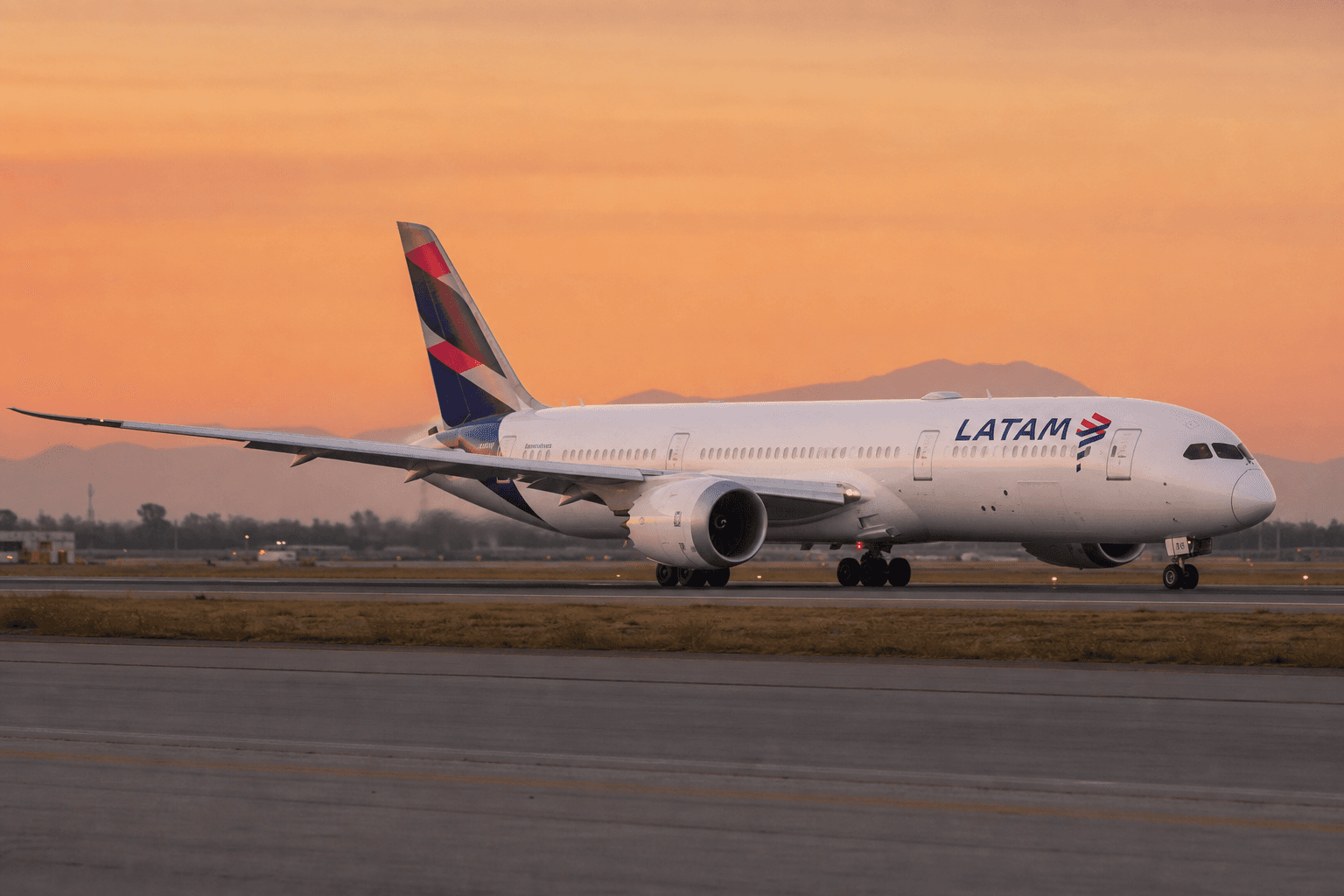
LATAM Airlines Invests $100M to Introduce Premium Economy on 787 Fleet
LATAM Airlines has been thriving in recent years, outperforming most of its competitors across the world. In the last financial year, the airline delivered an exceptional 16.2% operating margin, compared to the 7.2% average as reported by the International Air Transport Association (IATA) . Unsurprisingly, the pan-South American airline continues to invest in digital innovation , passenger experience, in-flight entertainment , and fleet renewal to ensure sustainable growth going into the next decade.
Emerging Two-Hangar Trend Sees Pilots Balancing Business Jets with Personal Backcountry Aircraft
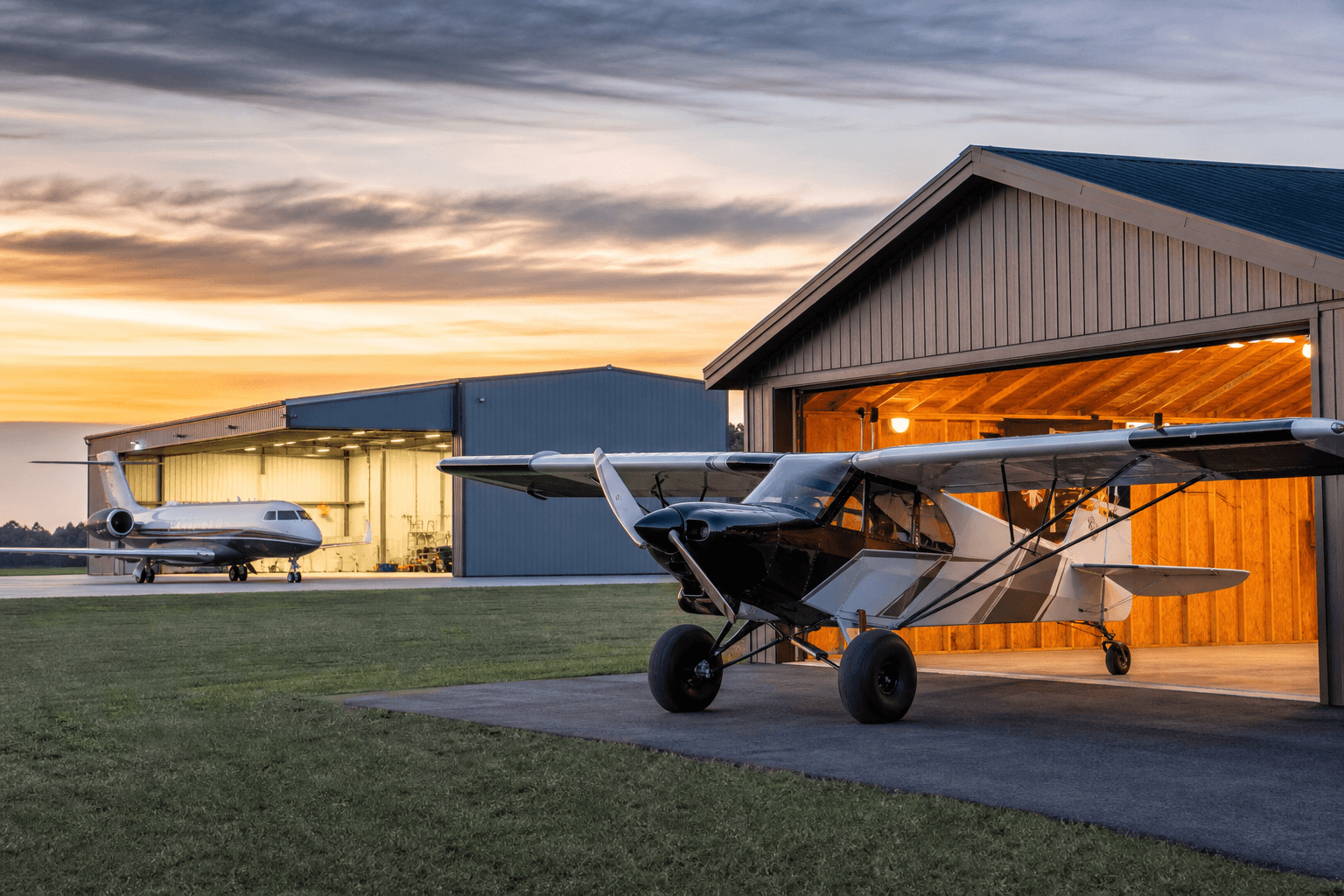
The longer I am in aviation, the more I find two-hangar pilots. These are the ones that have the business jet on limited charter with the management company , and a second hangar at the local airstrip. It is the second hangar that catches my attention, because it is the aircraft in that second hangar that sparks the eye twinkling smiles and the rascally grins. The second hangar is not always as brightly lit or even as big, but it is where you find the aircraft the owner actually loves to fly: a Carbon Cub FX-3 and an RV-14 he built during the pandemic. This is not an unusual story anymore. It is a generation. Aircraft You Show Off and the One You Actually Fly There is a class of pilot—successful, accomplished, the kind whose company uses the jet for legitimate business travel—who keeps a second aircraft that no flight department will touch, that no scheduler will log, that exists entirely outside the operational framework of the primary aviation asset. It is the aircraft they fly when the office is not calling. Sometimes it is a Carbon Cub fully optioned north of $400,000. Sometimes it is an SR22 left over from before the company grew to the point where a Pilatus , EPIC , or Citation made more sense. Sometimes it is a Van's RV-14 that lives in a T-hangar at a grass strip 40 minutes from home. Sometimes it is a restored Bonanza that belonged to a grandfather. What unifies them is not the aircraft type. It is what the aircraft represents. The jet is the tool. The other one is the reason they learned to fly in the first place. Welcome back to FLYING. Why This Generation Exists Now Three things converged to produce this profile. First, the premium certified piston and turboprop markets appreciated significantly from 2020 through 2023. Pilots who bought SR22Ts in 2015 saw their aircraft retain or appreciate in value, which made it financially easier to step into a Vision Jet without fully leaving the piston world behind. They kept the SR22 because selling it no longer made financial sense, and because it still served missions the jet was wrong for. You don't take a Vision Jet for $100 hamburgers. Second, the experimental market produced aircraft that only a few legacy certified backcountry manufacturers like Aviat ever could. A CubCrafters Carbon Cub FX-3 serves a backcountry mission the Cirrus cannot touch. A Van's RV-15, stalling below 45 knots and taking off in under 400 feet, a Bearhawk 5 , and a Rans S-21 Outbound take a pilot to places few certified production aircraft can reach. These aircraft are not consolation prizes for pilots who cannot afford a jet. They are deliberate acquisitions by pilots who can afford the jet and want something else entirely for a different kind of flying. Third, MOSAIC changed what is possible in a single category. It gave flying back to the pilot community, and introduced aircraft to make it more enjoyable than ever before. The provisions that took effect July 24, 2026—stall-speed framework replacing the weight limit, retractable gear permitted, night flight with an endorsement—opened the door to aircraft that serve missions the original LSA category was too constrained to accommodate. Profiles Are Real The pilots who have enough hours and enough experience to understand what each aircraft does well are the ones most likely to own more than one. Those are also more likely to be the ones that no longer clear the Class III medical, and rely on sport pilot designations to keep taking to the skies as often as the world below will allow. The two-hangar profile is not aspirational for this group. It is operational, alive and well, and growing. What is interesting from a financing perspective is how different these two transactions are. The jet transaction is institutional, with commercial underwriting, engine program enrollment, business use documentation, and a middle market aircraft lender that understands equipment finance. The Carbon Cub or RV-14 transaction is personal, with the build log as the title chain, EAB category, competitive mid 6 percent rates, and a lender pool that is thin compared to the certified aircraft market. The same pilot, the same net worth, the same financial profile—and two completely different underwriting conversations. Financing Gap Nobody Talks About The bank that financed your jet may also handle your treasury management needs and corporate loans, but almost certainly will not finance your Carbon Cub. Not because your credit changed. Because they do not hold the collateral type regularly and the transaction does not fit their underwriting policy. I know because I was that banker—a senior vice president and market executive at a super regional bank advising clients on corporate and private wealth matters. The $8 million jet to a family office or middle market enterprise was just another day at the bank. I can introduce you to that policy writer, now running the aviation lending division at one of the top five banks in the country. I can introduce you to the banker who taught Gulfstream synthetic leases in the 1990's in Savannah, Georgia. But the backcountry flyer with 300+ hp coming from a Lycoming engine like what Virgil's team puts in the Bearhawk 5? I could have overridden the policy, called it unsecured, taken a hit on the pricing, and maybe reached 5 years fully amortizing just to get it done. But that's not aircraft financing, and compared with real experimental terms, I would have lost that deal every day of the week. So your personal banker may try. They may even be a pilot themselves and try to create a personal loan, stretching policy and undercutting their risk pricing model to make it work. But that is not aircraft financing—that is forcing an asset-backed transaction into a consumer loan structure because the bank is not built around owner-flown aircraft financing. The credit team will likely be researching the difference between an Aviat Husky and a Beechcraft Bonanza and your loan will be the loan they did and hope they did not miss anything when the regulators pick it up for review. And yet, that is largely how the experimental aircraft market has limped along for years, with large cash inputs, if not wholly cash, and lenders stepping in and out of the market, leaving uncertainty about whether these aircraft can even be financed. FLYING Finance brings transparency to all of it, and handles both sides of the hangar. The turboprop or jet with the institutional documentation and the engine program enrollment, and the EAB with the build log and the experimental airworthiness certificate. We get to know our bankers as well as we get to know our customers, and we do not ask either one to compromise. One pre-approval. One conversation. One team that has closed both types and knows what each lender actually wants to see. Banks are excellent where they specialize. Knowing that is what we do, not yours to figure out. What This Looks Like Going Forward The two-hangar profile is not a niche. It is the direction the pilot population is moving. As certified aircraft become more expensive, as the EAB and MOSAIC categories become more capable, and as the pilots who grew up flying Cessnas and Pipers achieve the financial success to acquire whatever they actually want (maybe that 206 with floats ), the second hangar door is going to keep opening. The aircraft behind it might be a Bearhawk 5 with a 300-horsepower engine and a stall speed under 40 mph. It might be a CubCrafters XCub built for backcountry missions. It might be the RV-14 they built during the pandemic. It might be the Bonanza their grandfather owned. Whatever it is, it finances differently than the aircraft on the other side of the hangar. That conversation is worth having before you start the acquisition. Pre-approval at flyingfinance.com . EAB financing at flyingfinance.com/kitplane-financing/ . For the aircraft in the first hangar: flyingfinance.com/turboprop-jet-financing/ . FLYING Finance is the aircraft financing arm of the
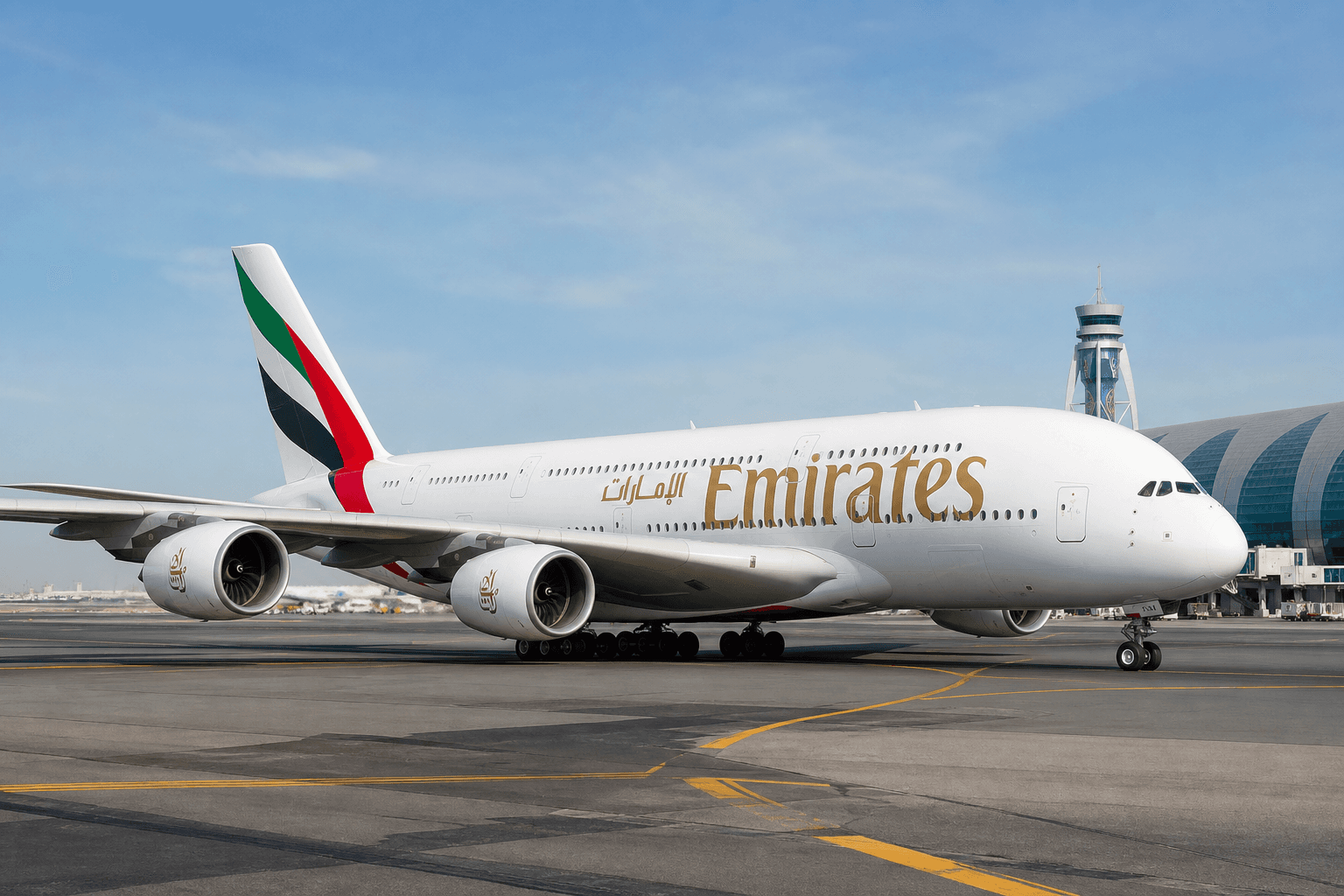
Emirates Completes 100th Cabin Retrofit in Record 44 Months
Emirates has successfully retrofitted its 100th aircraft under its ambitious cabin upgrade programme, the largest of its kind globally. ezstandalone.cmd.push(function () { ezstandalone.showAds(119); }); In just 44 months since November 2022, the carrier has refreshed 47 Airbus A380s and 53 Boeing 777s. The work was carried out at its state-of-the-art Engineering facilities in Dubai. This milestone represents a significant step in Emirates’ US$5 billion investment to elevate its onboard product. ezstandalone.cmd.push(function () { ezstandalone.showAds(127); }); By the end of December 2026, the airline expects to complete around 20 more aircraft, pushing it well past the halfway mark of its 219-aircraft target. The programme ensures every passenger enjoys consistent luxury, comfort, and modern amenities across the fleet. Massive Scale and Engineering Excellence The retrofit effort showcases extraordinary scale and precision. Emirates’ Engineering team, comprising over 400 engineers and technicians, has invested a total of 4.4 million man-hours. On average, the team completes about 28 aircraft per year. Each retrofit involves a complete nose-to-tail cabin refresh. ezstandalone.cmd.push(function () { ezstandalone.showAds(128); }); For an A380, engineers handle more than 4,000 parts, while a Boeing 777 requires over 2,500 parts. The interiors are fully disassembled, refreshed, and meticulously reassembled. To manage this complex operation, the team developed innovative solutions, such as using modified catering trucks to move large components inside the hangars. They also created zonal work tracking systems, specialized storage procedures, and custom equipment for accessing every area of the aircraft. ezstandalone.cmd.push(function () { ezstandalone.showAds(129); }); Emirates collaborated with over 100 suppliers to support this massive project, all executed entirely in-house in Dubai. This approach highlights the airline’s technical capabilities and commitment to maintaining tight schedules. Sir Tim Clark, President of Emirates Airline , commented on the achievement. “Our commitment to deliver best-in-class products across every cabin is an ongoing endeavour, and completing full cabin retrofits for 100 wide-body aircraft in 44 months is a significant achievement.” “Backed by a US$5 billion investment, it ensures our customers ‘fly better,’ with elevated luxury, comfort, and thoughtful detail throughout each cabin.” He praised the team for rewriting the rulebook on retrofitting the world’s largest passenger aircraft. ezstandalone.cmd.push(function () { ezstandalone.showAds(130); }); Premium Economy Rollout and Future Enhancements A standout feature of every retrofit is the addition of a new Premium Economy cabin. To date, more than 3,800 new Premium Economy seats have been installed. This has accelerated the product’s availability across Emirates’ extensive network, giving more passengers access to the highly praised experience. The programme continues to evolve. In May 2026, engineers completed a complex two-to-three class retrofit on an A380, introducing Premium Economy on the upper deck for the first time. Starting in October 2026, the next phase will bring 4K OLED HDR10+ seatback screens and new lightweight Safran Z400 seats, along with other upgrades. ezstandalone.cmd.push(function () { ezstandalone.showAds(131); }); Commitment to Sustainability Sustainability forms a key part of the initiative. Thousands of kilograms of high-grade leather, fabrics, and materials removed during retrofits are upcycled into limited-edition items under the ‘Aircrafted by Emirates’ collection, including luggage. The airline has also distributed over 4,000 backpacks made from repurposed Economy Class seat fabric to children in 11 countries. Conclusion Emirates first announced the retrofit programme in November 2021, initially targeting 105 aircraft. Strong customer demand led to expansions, reaching 191 aircraft by May 2024 and 219 by the end of that year. The first retrofitted Boeing 777 entered service in August 2024. ezstandalone.cmd.push(function () { ezstandalone.showAds(132); }); This programme reinforces Emirates’ position as an industry leader. Operating the world’s largest fleets of A380s and Boeing 777s, the airline continues to invest in its product to offer exceptional comfort, entertainment, and service on flights worldwide. With over half the fleet upgrades on track by late 2026, passengers can look forward to even more consistent, world-class experiences in the skies. Emirates’ in-house expertise and forward-thinking approach set a new benchmark for large-scale aircraft retrofits in commercial aviation.

London Gatwick's Summer 2026 Sees Over 230 Destinations via Record 63 Airlines
London Gatwick Airport is fully prepared for the busy summer holiday season, offering passengers more choice than ever before. ezstandalone.cmd.push(function () { ezstandalone.showAds(119); }); This summer, the airport will connect travellers to more than 230 destinations through a record 63 airline partners, making it one of the best-connected hubs in Europe. With 11 new routes and eight new airline partners already launched this year, Gatwick continues to expand its network. ezstandalone.cmd.push(function () { ezstandalone.showAds(127); }); The momentum shows no signs of slowing, as the airport prepares to welcome Air Zimbabwe with a new direct service to Harare in the coming weeks. Popular Destinations for Summer Getaways Short-haul favourites remain strong, with Barcelona, Faro, and Dublin topping many wish lists. Long-haul travellers can jet off to exciting spots like Shanghai in China, Orlando in Florida, and Cancun in Mexico. These routes provide perfect opportunities for family holidays, romantic getaways, or visits to friends and relatives abroad. ezstandalone.cmd.push(function () { ezstandalone.showAds(128); }); The airport expects its busiest days on the first, second, and third Sundays of August, with around 900 flights scheduled on peak dates. Millions of passengers will pass through Gatwick’s terminals, but the airport has made significant preparations to ensure smooth journeys. Photo Credit: Gatwick Airport Nick Williams, Head of Passenger Operations & Service at London Gatwick Airport , gave comment. “We are looking forward to welcoming millions of passengers through London Gatwick this summer and everything is in place to help them enjoy a positive start to their holiday.” ezstandalone.cmd.push(function () { ezstandalone.showAds(129); }); “In partnership with a record 63 airlines, we’re excited to offer a fantastic range of more than 230 destinations, providing passengers with excellent choice when planning their well-earned summer holidays.” Enhanced Facilities and New Experiences Gatwick Airport has invested heavily in improving the passenger experience. Later this summer, travellers will be among the first in the UK to use innovative robot valets from Stanley Robotics. Drivers simply pull into a dedicated cabin, and autonomous robots take care of parking—delivering a faster, more convenient start to any trip. Both terminals now feature freshly refurbished departure areas with better seating, extra charging points, and improved accessibility. ezstandalone.cmd.push(function () { ezstandalone.showAds(130); }); Shoppers and foodies will enjoy an expanded range of options, including Discover London stores showcasing regional produce, GAIL’s first airport bakery, and Venchi’s first UK airport store offering Italian chocolate and gelato. Top Tips for a Stress-Free Summer Trip To make your journey even smoother, follow these practical tips: Families returning to the UK: Children aged eight and over who meet the 3ft 11in height requirement can now use eGates with an adult. Plan ahead: Check any road and rail updates before you travel. Stay hydrated: Bring a reusable bottle and use free water refill points. Driving? Book official Gatwick parking in advance. Security: Keep liquids (up to 2L) and devices in your cabin bag. Pack power banks and vapes in hand luggage only. Book special assistance at least 48 hours ahead if needed. Arrive on time: Two hours before short-haul and three hours before long-haul flights. Take advantage of 10% off at World Duty Free with Reserve & Collect (T&Cs apply). ezstandalone.cmd.push(function () { ezstandalone.showAds(131); }); Photo Credit: Gatwick Airport A Major UK Transport Hub As the UK’s second-largest airport, Gatwick serves around 43 million passengers annually. It supports over 76,000 jobs and generates £5.5 billion in GVA for the economy. Located just 28 miles south of London , it offers excellent road and rail links, with more than a quarter of England’s population within a one-hour journey. The airport is advancing a major £2 billion sustainable growth programme, aiming for net zero emissions by 2030 while increasing capacity through the routine use of its Northern Runway. With its extensive route network, modern facilities, and focus on passenger comfort, London Gatwick is ready to make this summer’s holidays memorable for all travellers. Book early, prepare well, and look forward to smooth departures and exciting destinations ahead. ezstandalone.cmd.push(function () { ezstandalone.showAds(132); });
The Daily Touch & Go
The day's best aviation news in your inbox. Free, no spam.