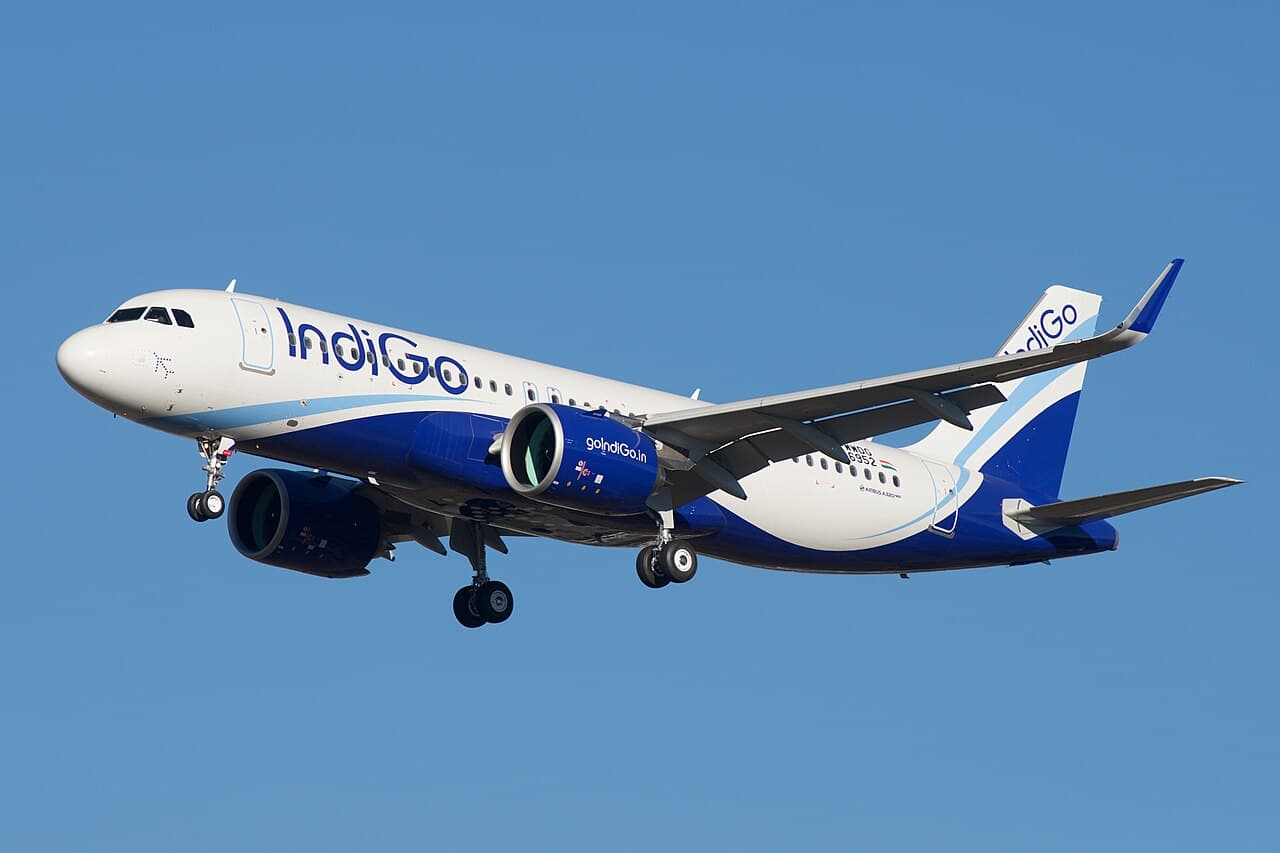
Air India A320neo Flight Control Systems Briefly Failed Before 300-Foot Plunge Injuring 24
The flight control systems of an Air India Airbus A320neo narrowbody plane which suddenly plunged 300 feet while at cruising altitude, leaving 24 passengers and crew injured, went dark for several seconds, an internal report from the aircraft manufacturer has revealed. Air India flight AI-2379 from Phuket, Thailand to Delhi on August 4 was flying at a cruising altitude of around 34,000 feet when it unexpectedly dropped. Anyone and anything that wasn't strapped down was thrown into the air. Multiple passengers and crew were injured after they were slammed into the ceiling of the seven-year-old aircraft Around 20 passengers and four cabin crew members were injured in the incident, many of whom had to be transported to the hospital with head, neck, and spinal injuries. In a new internal report from Airbus which had been viewed by Reuters but not independently verified, it is claimed that the flight control system that controls the plane's elevators and ailerons suddenly became unavailable for around four seconds. During this brief period, the plane pitched up. The First Officer responded by pointing the nose of the plane down but there was no immediate correction due to the alleged loss of hydraulic systems. The document does not establish the cause of the incident and the events are still under investigation by India's Aircraft Accident Investigation Branch (AAIB) with support from the French Bureau d'Enquetes et d'Analyses (BEA). Late last year, Airbus issued an urgent safety alert for its range of best-selling A320 family single-aisle aircraft following an investigation into an incident aboard a JetBlue aircraft when the plane suddenly pitched down mid-flight without any input from the pilots. Engineers were able to establish that the unexpected pitch-down input came from a malfunctioning ELAC computer unit. The ELAC stands for Elevator & Aileron Computer, and it is designed to interpret the inputs the pilots are putting into the controls and then smoothly and correctly control the elevators and ailerons. Airbus believes that the ELAC was corrupted by intense solar radiation, although the issue only affected a software update known as L104. To fix the issue, airlines were ordered to restore all aircraft with the L104 software to the last version before this. In most cases, this required engineers to plug a Portable Data Loader with the older L103 software into the cockpit computer of affected planes and reinstall the tested software. Although there are around 11,500 Airbus A320 series aircraft in active commercial service around the world, only 6,000 of these had the L104 software installed. Earlier this week, it was revealed that the Captain of flight 2379 had failed a second drug test. As is standard practice following a serious aviation occurrence, all of the crew are subject to drug testing. The Captain's initial rapid test came back as 'non negative' so a more detailed test was ordered. Investigators are yet to confirm the results of this test, but sources claim it tes tested positive for cannabis. There is currently no suggestion that illegal banned had anything to do with the events that unfolded on flight 2379.