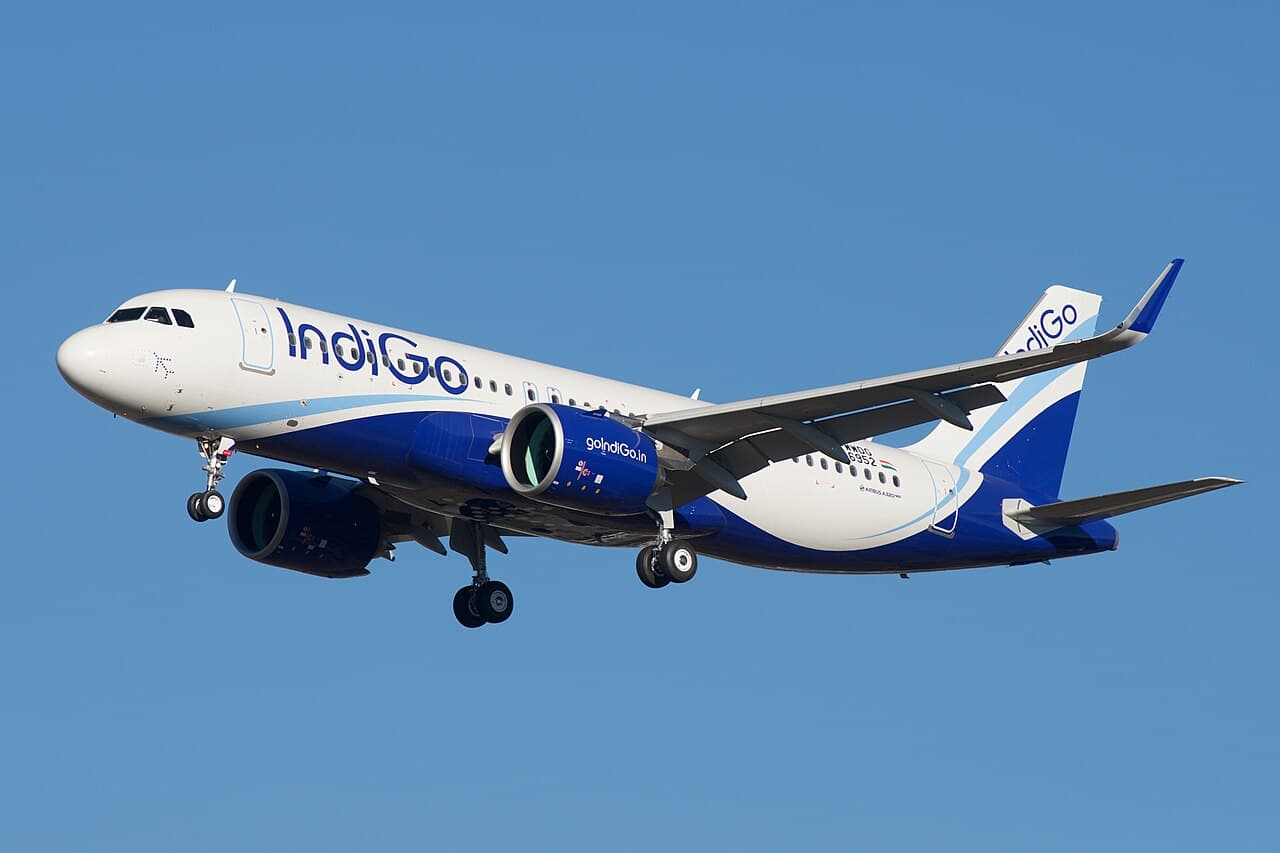
Image: BriYYZ from Toronto, Canada · CC BY-SA 2.0 · via Wikimedia Commons
Air India A320neo Flight Control Systems Briefly Failed Before 300-Foot Plunge Injuring 24
An Air India Airbus A320neo cruising at 34,000 feet suddenly lost flight control system responsiveness for several seconds, causing a 300-foot drop and injuring passengers and crew.
The gist
Air India flight AI-2379’s flight control systems went dark for seconds causing an uncontrolled plunge injuring 24 onboard during cruise at 34,000 feet.
Continuing coverage
All Air India →- Air India Sets New Flight Frequency Record on Delhi-Melbourne Route This Winter
- Former Ethiopian Airlines CEO Tewolde Gebremariam appointed as Air India CEO
- Air India posts largest annual loss amid operational and geopolitical challenges
- Boeing 787-9 Leads 2026 Widebody Deliveries as Airlines Replace Older Aircraft
- Air India May Restore International Flights as Middle East Airspace Reopens and Fuel Costs Drop
An Air India Airbus A320neo operating flight AI-2379 from Phuket to Delhi experienced a sudden loss of flight control system functionality on August 4, leading to a rapid descent of approximately 300 feet while cruising at around 34,000 feet altitude. The event left 24 passengers and crew injured, many with serious head, neck, and spinal injuries after being violently thrown about the cabin due to the unexpected maneuver. The aircraft involved was about seven years old, underscoring concerns about system reliability even in relatively young airframes.
According to an internal report from Airbus reviewed but not independently verified, the aircraft’s flight control system, specifically those that govern elevators and ailerons, went unavailable for roughly four seconds during cruise. This temporary blackout caused the aircraft’s nose to pitch upwards. The First Officer attempted to counteract by pitching the nose down, but initial control inputs failed to correct the flight path immediately because of a concurrent loss of hydraulic system functionality. The combination led to the brief but significant plunge.
The incident remains under investigation by India’s Aircraft Accident Investigation Branch (AAIB), with cooperation from France’s Bureau d’Enquêtes et d’Analyses (BEA). Officials have not yet determined the root cause of the flight control system failure or the hydraulic issues. The event adds to growing scrutiny over flight control software and hardware on Airbus A320 family aircraft.
Last year, Airbus issued an urgent safety alert regarding the A320 family after a JetBlue flight experienced an uncommanded pitch-down due to a corrupted Elevator and Aileron Computer (ELAC) unit. Airbus believes intense solar radiation corrupted the ELAC unit’s L104 software version, prompting a rollback to the prior L103 version to restore safe operation. While approximately 11,500 A320 series aircraft are in service globally, only about 6,000 had been updated to the problematic L104 software, making the software version a critical focus in recent incidents.
The ELAC units are integral flight control computers that process pilot inputs to manage aircraft elevators and ailerons smoothly and precisely. Malfunctions can lead to uncommanded pitch or roll changes, compromising flight safety. The Air India incident has raised concerns that similar software or hardware vulnerabilities may be involved, although Airbus has not publicly confirmed a direct connection between the software issue and this event.
In a related development, the Captain of flight AI-2379 failed a second drug test following the incident, testing positive for cannabis after an initial rapid screening showed a non-negative result. Both the Captain and other crew members undergo mandatory drug testing after serious safety incidents. Authorities have stated there is currently no evidence linking the drug test results to the flight control anomaly or the safety event itself.
This incident underscores the complex interplay between aircraft automation, flight control system software, and human factors in modern aviation safety. As commercial fleets increasingly rely on sophisticated avionics, ensuring the robustness of flight control systems against hardware failures and software corruption remains paramount. The investigation’s outcome may influence future regulatory and manufacturing practices surrounding flight control software and hardware.
Air India and Airbus face significant pressure to fully understand and remedy the factors contributing to this sudden loss of control during cruise, as over a thousand passengers regularly travel daily on A320 family aircraft worldwide. The aviation community awaits detailed findings to better safeguard against similar in-flight anomalies.
The ongoing probe will need to clarify how the system failure unfolded, the interplay with hydraulic loss, and the efficacy of pilot response in managing the event. Meanwhile, the incident already serves as a cautionary tale on the critical importance of maintaining software integrity and stringent crew fitness standards in ensuring the safety of commercial air transport.
Frequently asked questions
- What caused the Air India A320neo to suddenly lose altitude?
- An internal report revealed the aircraft's flight control system controlling elevators and ailerons became unavailable for about four seconds, causing the plane to pitch up and then plunge 300 feet due to loss of hydraulic control.
- Were there any injuries during the incident?
- Yes, approximately 24 passengers and crew members were injured, with several suffering head, neck, and spinal injuries, as they were thrown about the cabin during the sudden descent.
- Is there any link between the captain's drug test and the incident?
- The captain tested positive for cannabis after the incident, but authorities have stated there is currently no indication or suggestion that illegal drug use contributed to the flight control system failure or resulting plunge.
Read more
All Aviation Safety →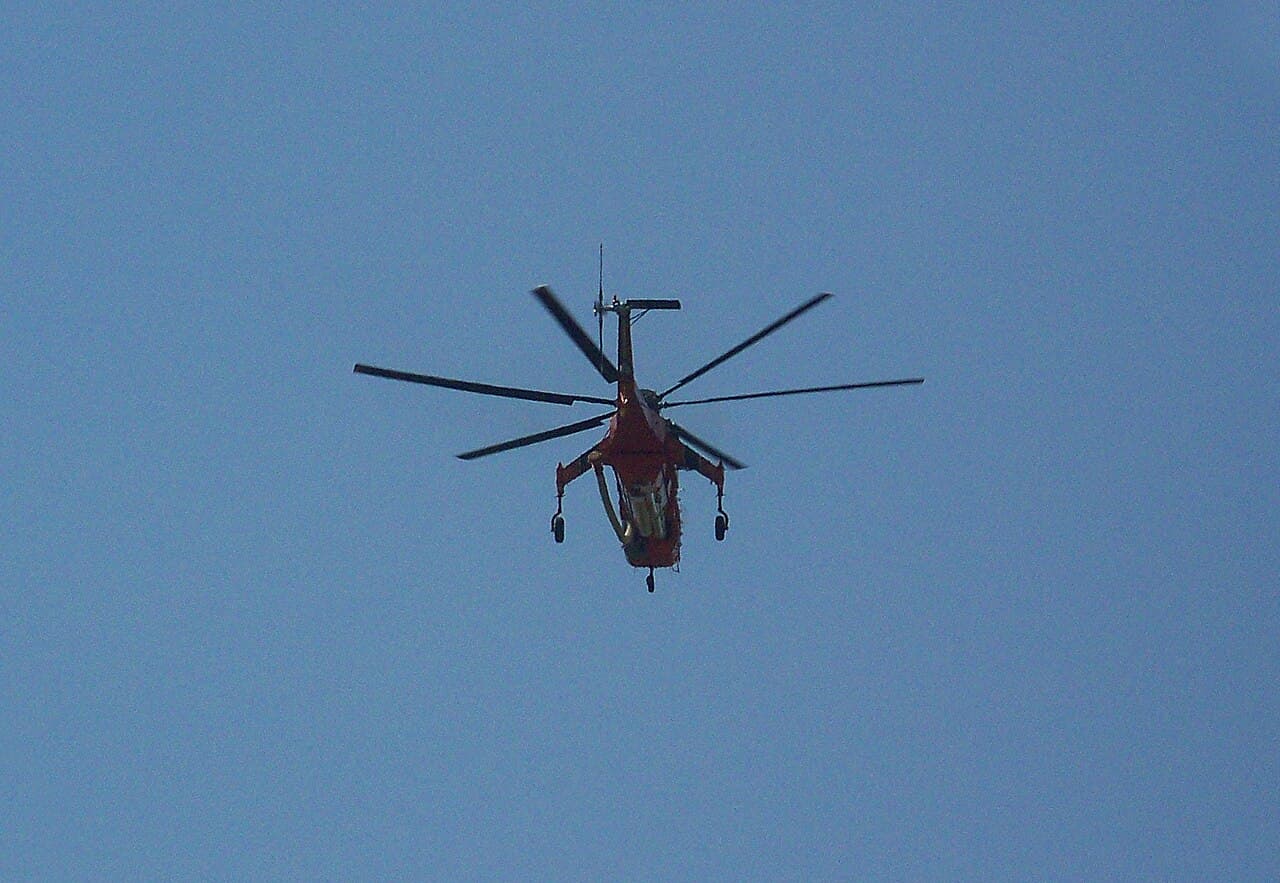
Two Pilots Die in Sikorsky S-64 Skycrane Helicopter Crash Fighting Utah Wildfire
Two pilots died when their firefighting helicopter crashed in central Utah while en route to a blaze in Fishlake National Forest. The Sikorsky S-64 Skycrane was dispatched Friday morning to combat the wildfire. According to the Sevier County Sheriff's Office, the helicopter went down at about 10 a.m. MDT near Richfield, Utah, en route to the fire. Immediately after the accident, access to the crash site was blocked by the raging wildfire, so the condition of the crew could not be immediately determined. READ MORE: Wildfires Near Spokane Threaten Key Airports READ MORE: Daher Delivers TBM 960 for Wildfire Air Attack Operations The helicopter has the ability to carry up to 2,000 gallons of water. The National Transportation Safety Board (NTSB) and the FAA are investigating the accident. The names of the deceased pilots have not been released. They were employed by Helicopter Transport Services, an industrial helicopter company that provides rotor-wing aircraft for a variety of industries. The crash ignited a second fire that spread, connecting with the existing blaze known as the Widemouth 2 Fire.
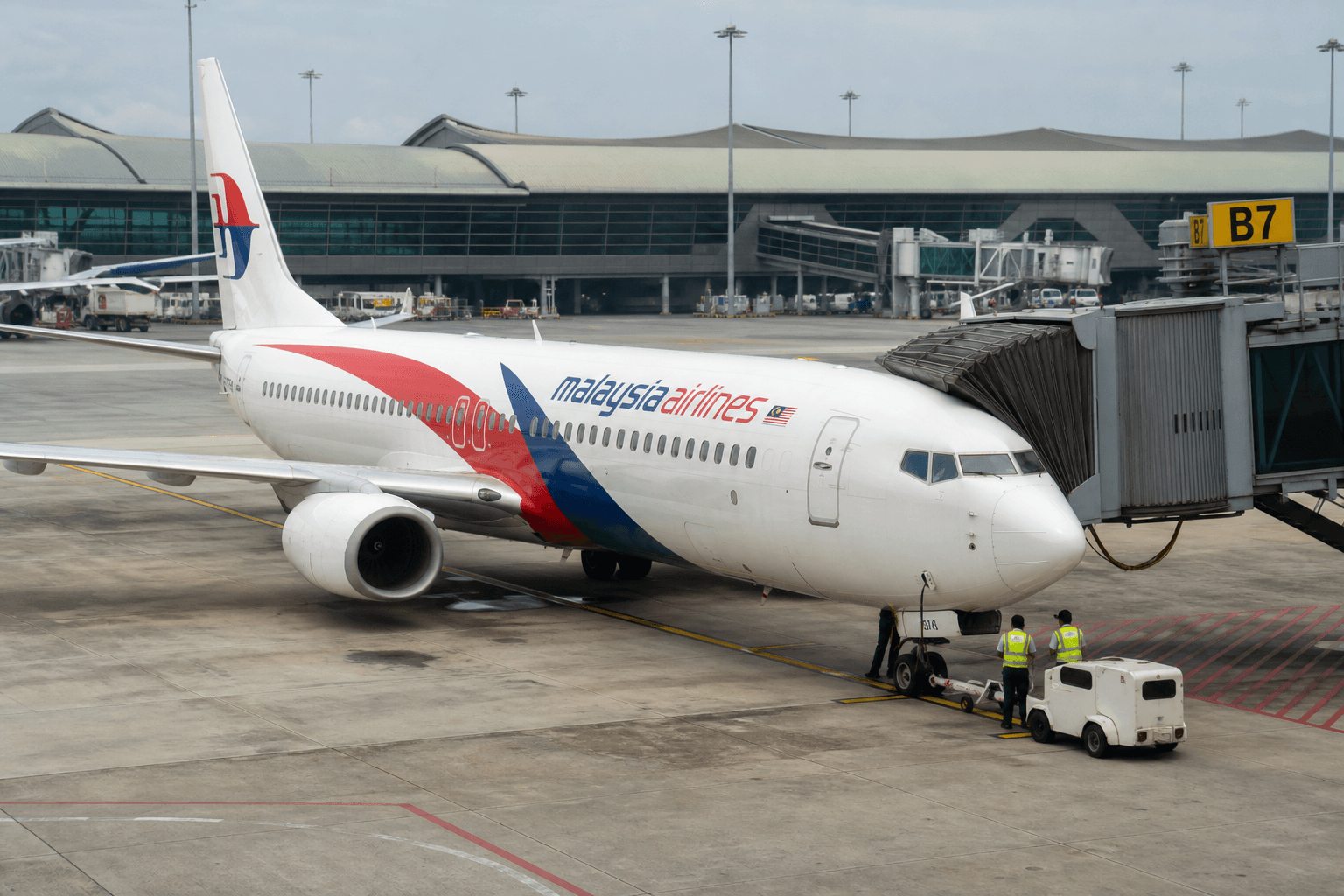
Malaysia Orders 30-Day Drug Testing for All Pilots and Cabin Crew After Smuggling Arrest
A Malaysia Airlines pilot was recently arrested in Indonesia after they were found to be smuggling drugs into the country. With the event having serious safety and reputational ramifications for not just the airline but, indeed, the commercial aviation sector in Malaysia as a whole, authorities are working hard to ensure that the incident is not repeated. Most recently, mandatory drug testing is being rolled out.
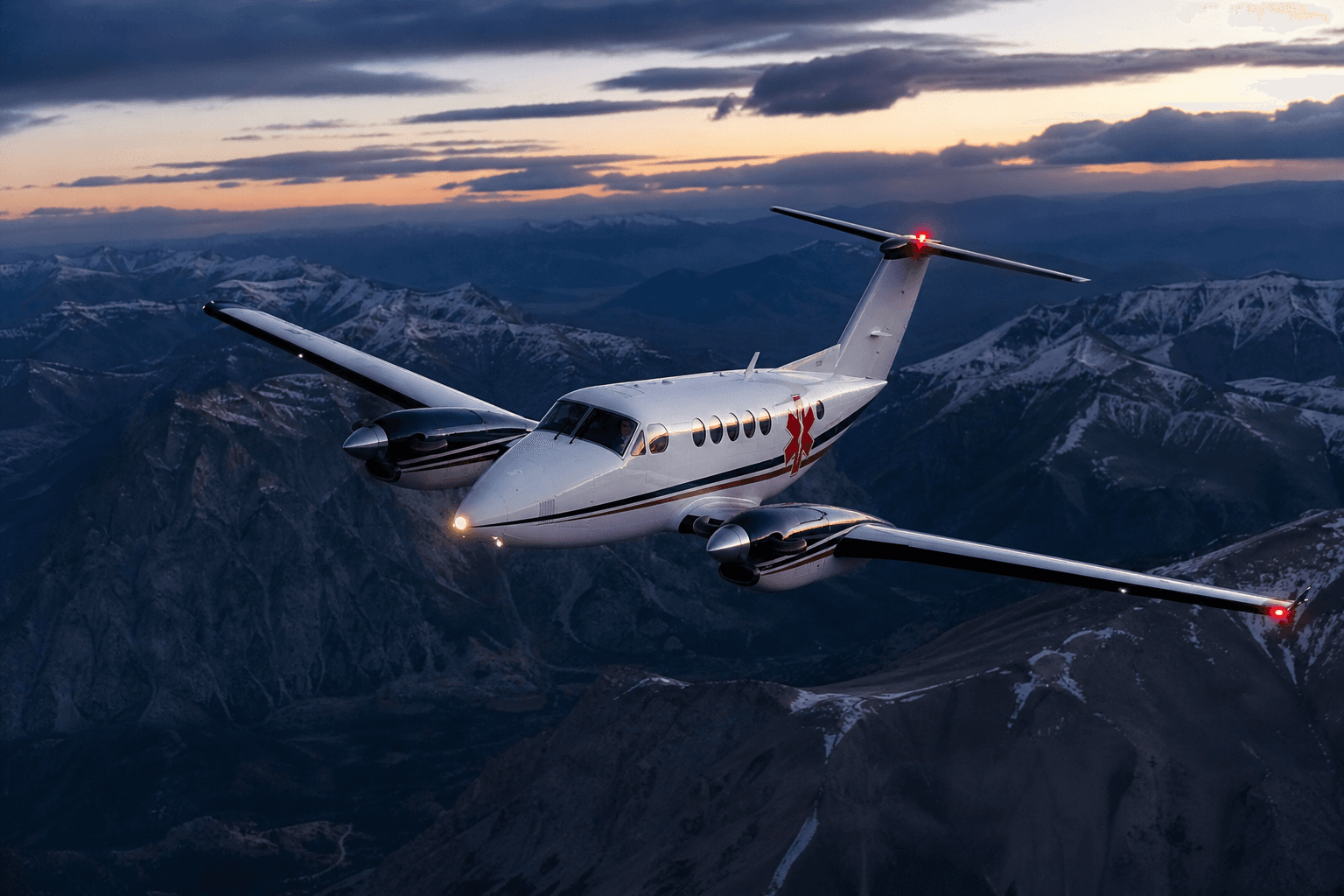
Military GPS Jamming Probed in Fatal New Mexico Medevac Crash Amid Rising Interference Incidents
A military GPS jamming exercise is drawing renewed attention after new reporting suggested it may have contributed to the May accident of a Beechcraft King Air in New Mexico that killed four people. The accident remains under investigation, and no official probable cause has been determined. According to the report, the twin-engine aircraft was flying from Roswell to Ruidoso when it encountered GPS interference during an electronic warfare exercise near White Sands Missile Range. The crew reportedly lost reliable satellite navigation while approaching mountainous terrain at night. Three other aircraft in the area also experienced GPS disruptions during the exercise, suggesting the interference extended beyond a single flight. The report said the loss of GPS left the medevac crew with limited navigation capability during a critical phase of flight. The aircraft subsequently struck a mountainside, killing both pilots and two medical crewmembers aboard. While investigators have linked the GPS outage to the sequence of events, officials have not concluded that military jamming caused the accident. The findings remain preliminary pending completion of the investigation. The accident has also renewed concern over the increasing frequency of GPS interference. Figures cited from the Aircraft Owners and Pilots Association show reported GPS disruption events in the continental U.S. climbed from four in 2020 to 50 in 2024, with another 40 incidents recorded in 2025.
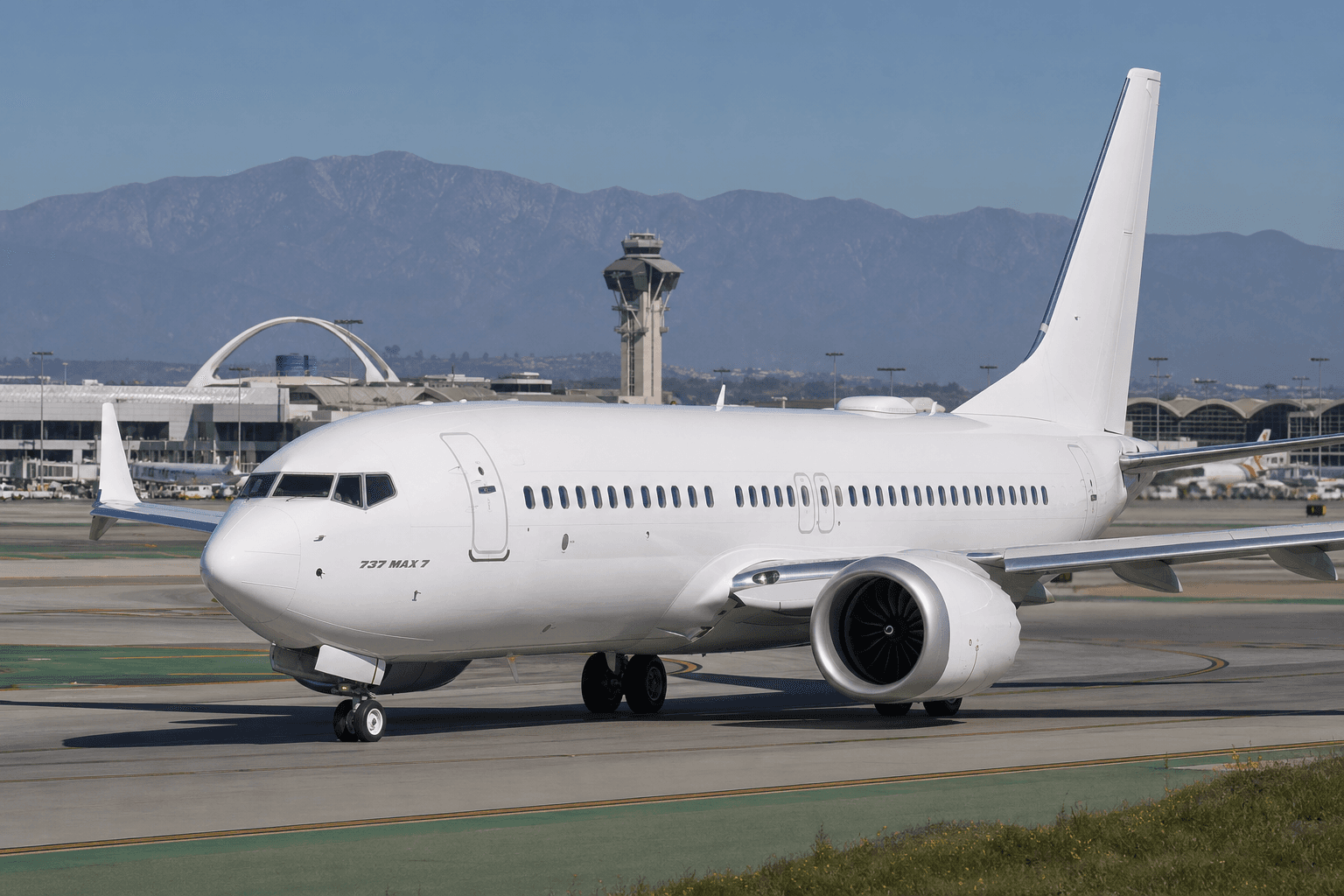
Boeing 737 MAX 7 Secures FAA Certification After Lengthy Development Delay
Just over 13 years ago, Boeing and Southwest Airlines came together to launch the 737 MAX 7, the third and smallest member of the 737 MAX family. In May 2013, Boeing was riding high and, alongside its launch customer Southwest , predicted that the Dallas carrier would receive its first 737-7 delivery in 2019. In the following years, the dynamics shifted significantly for Boeing with two fatal Boeing 737 MAX 8 crashes between 2018 and 2019. The worldwide Boeing MAX fleet was grounded, and confidence in the company's manufacturing and quality controls diminished. In November 2020, the Federal Aviation Administration (FAA) finally gave Boeing 's 737 MAX the go-ahead to fly commercially again, but the impact on the 737-7 development had been significant. Original artwork from 2013 (Boeing) Plans for the 737-7's entry into service were rescheduled and even when Boeing thought they were nearly there, further complications arose during the certification process. However, on August 3, 2026, Boeing finally announced the news it had been waiting to deliver for several years, confirming that the MAX 7 had secured type certification from the FAA. "This important certification validates the rigor of our airplane's design and recognizes the determination and resilience of our 737 MAX development team," Stephanie Pope, President and CEO of Boeing Commercial Airplanes, said. Since the test program began in 2018, the 737-7 has completed more than 1,000 hours of flight and ground evaluation and conducted extensive system safety analysis and human factors reviews. During the program Boeing also updated the engine anti-ice system to address a potential condition that was discovered during flight testing. The Federal Aviation Administration has certified the 737-7! This milestone for the longest-range 737 MAX validates the rigor of the design and testing and recognizes #TeamBoeing 's determination and resilience. Certification includes more than 1,000 hours of flight and ground… pic.twitter.com/0S45IjqL3u — Boeing Airplanes (@BoeingAirplanes) August 3, 2026 Boeing said that the regulatory approval "caps a multi-year certification effort" in which the company "demonstrated through comprehensive testing and analysis that the airplane meets all commercial aviation regulations". "Our team of dedicated engineers and test experts worked through challenges, an extended pandemic, and the transition to new certification processes," Pope added. "Through it all, our team stayed focused on completing all requirements and delivering a safe and more capable airplane to our customers." The FAA on 737-7 certification process The FAA issued Boeing an amended type certificate for the new 737-7 and a Production Limitation Record (PLR). In a statement explaining the aircraft's certification process, the FAA said the approval followed almost a "decade of extensive review". The FAA said its work involved resolving complex technical issues and completing a thorough review of the aircraft's design and supporting safety analyses. "Throughout the process, the FAA performed or directly reviewed significant work involving flight controls, system safety assessments, human factors, flightcrew alerting, and other novel, complex, or safety-critical areas, while also requiring testing, design changes, and additional analysis where necessary," the FAA stated. The FAA required Boeing to "incorporate key improvements" that address requirements in the Aircraft Certification, Safety, and Accountability Act and recommendations from the National Transportation Safety Board (NTSB). Anna Zvereva / Creative Commons These included updates to the flight-control software, flightcrew alerting system, and a redesigned engine anti-ice system. "These changes provide pilots with clearer information and warnings and prevent the engine inlet from overheating and potentially weakening the surrounding structure," the FAA said. FAA safety inspectors will remain present at Boeing sites across the US to oversee the manufacturing process and assess the planemaker's Safety Management System (SMS) and safety culture. "Our Boeing team held regular and detailed discussions with the FAA to ensure Boeing understood the requirements and provided transparency of our progress," said Mike Sinnett, Senior Vice President of Product Strategy, Product Development and Development Programs. "With this certification program, Boeing has developed a clearer understanding of the latest regulatory requirements, which is expected to accelerate future airplane development with a renewed emphasis on human factors, safety and quality." Focus moves to Boeing's 737-7 airline customers Focus will now begin to move to Boeing's airline customers that ordered 737-7 aircraft, namely Southwest Airlines, which has purchased around 250 jets. In response to news of the latest certification, Southwest said it was "pleased with the FAA's certification of the Boeing 737-7 aircraft, and we look forward to the plane entering service in the coming months." "Certification is an important step toward continuing to modernize our all-Boeing 737 fleet with upgraded interiors and more fuel-efficient aircraft to fit our customers' preferences and demand patterns," Southwest Airlines added. According to ch-aviation data, there are around 28 assembled 737-7s destined for Southwest currently in storage. The US carrier plans to introduce the aircraft in 2027. Boeing In the most up to date ch-aviation data available, China's Ruili Airlines has ordered two 737-7s, as had Ukraine's SkyUp Airlines. There in an order on the database for a single 737-7 from Indonesia's Jhonlin Air Transport. Luxair, the European launch customer, also ordered four 737-7s at Paris Air Show 2023. WestJet canceled its orders for Boeing's smallest MAX jet as did the now defunct Canada Jetlines. Turkmenistan Airlines also canceled an order for three 737-7s. With MAX 7 type certification now secure it remains to be seen whether more customers will be willing to purchase the aircraft. RELATED Little and large: Boeing rounds off 737-7 and 737-10 certification flight tests
The Daily Touch & Go
The day's best aviation news in your inbox. Free, no spam.