
Garuda Indonesia named head of new state-owned airline holding company
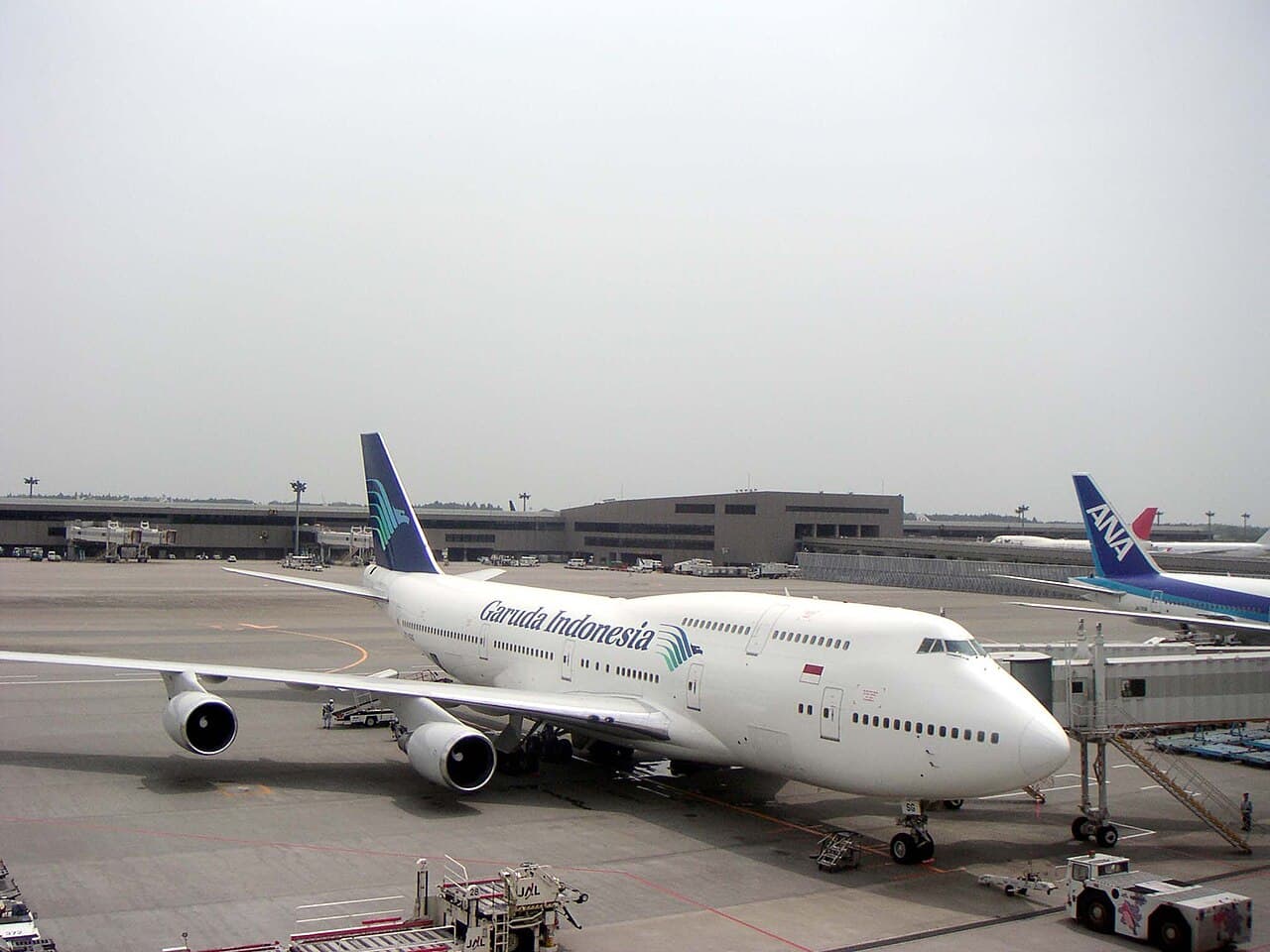
Indonesia’s government is advancing a major consolidation of its state-owned airlines, naming flag carrier Garuda Indonesia as the parent company of a new aviation holding group. ezstandalone.cmd.push(function () { ezstandalone.showAds(119); }); Pelita Air Service will integrate into the Garuda Group under this restructuring, driven by sovereign wealth fund Danantara and the State-Owned Enterprises Agency (BP BUMN). Announced on July 24, 2026, the move follows earlier plans to form the holding by mid-2026. It brings together Garuda Indonesia, its low-cost subsidiary Citilink, and Pelita Air—previously under Pertamina—into a unified structure. ezstandalone.cmd.push(function () { ezstandalone.showAds(127); }); Danantara COO and BP BUMN head Dony Oskaria confirmed the strategy after meeting with Pelita Air’s leadership. Why Consolidation Matters Indonesia’s aviation sector faces intense competition and operational challenges. Garuda has dealt with financial losses, grounded aircraft, and the need for fleet reactivation despite capital injections from Danantara. ezstandalone.cmd.push(function () { ezstandalone.showAds(128); }); By creating a single holding company, the government aims to eliminate internal rivalry, optimize resources, and build a stronger national champion. Key benefits include improved operational efficiency, better network planning, and greater synergies across the group. Fleet utilization should rise as carriers share aircraft on high-demand routes. A unified booking system, shared loyalty programs, and seamless seat adjustments will enhance the passenger experience. ezstandalone.cmd.push(function () { ezstandalone.showAds(129); }); Officials expect the structure to reduce costs, capture more market share, and help address ongoing financial pressures without immediately adding new planes. This aligns with broader BUMN reforms that seek to streamline subsidiaries and focus on core sectors. Focus on Service Upgrades The restructuring extends beyond the corporate changes. BP BUMN and Danantara are pushing comprehensive service improvements across the entire passenger journey: Pre-flight: Integrated ticketing systems and upgraded airport lounges. In-flight: Enhanced cabin products, better catering, and improved crew service. Post-flight: Strengthened loyalty programs and overall customer support. Workforce: Investment in staff development and training. ezstandalone.cmd.push(function () { ezstandalone.showAds(130); }); These enhancements aim to position the Garuda Group as Indonesia’s preferred airline while boosting its regional competitiveness. The group will maintain distinct branding—full-service for Garuda, low-cost for Citilink, and specialized operations for Pelita—while sharing back-end efficiencies. Aldo Bidini (GFDL 1.2 or GFDL 1.2), via Wikimedia Commons Background and Outlook Garuda Indonesia, founded in 1949, serves as the country’s flag carrier with both domestic and international routes. Citilink targets the growing budget segment, while Pelita Air has focused on charter and regional services. Combining them under one holding addresses long-standing issues like overlapping routes and fragmented operations. ezstandalone.cmd.push(function () { ezstandalone.showAds(131); }); Industry observers see this as a positive step for Indonesia’s vast archipelago, where air travel is vital for connectivity. Successful implementation could improve profitability, modernize services, and support tourism and economic growth. However, challenges remain, including fleet reactivation, cost control, and maintaining high safety and service standards. The government targets full integration soon, building on prior capital support and transformation efforts. ezstandalone.cmd.push(function () { ezstandalone.showAds(132); }); If executed well, the Garuda-led holding could create a more resilient, customer-focused aviation powerhouse capable of competing with regional rivals. This consolidation marks a significant chapter in Indonesia’s aviation history, signalling strong commitment to a unified, efficient, and competitive state-owned airline sector.