

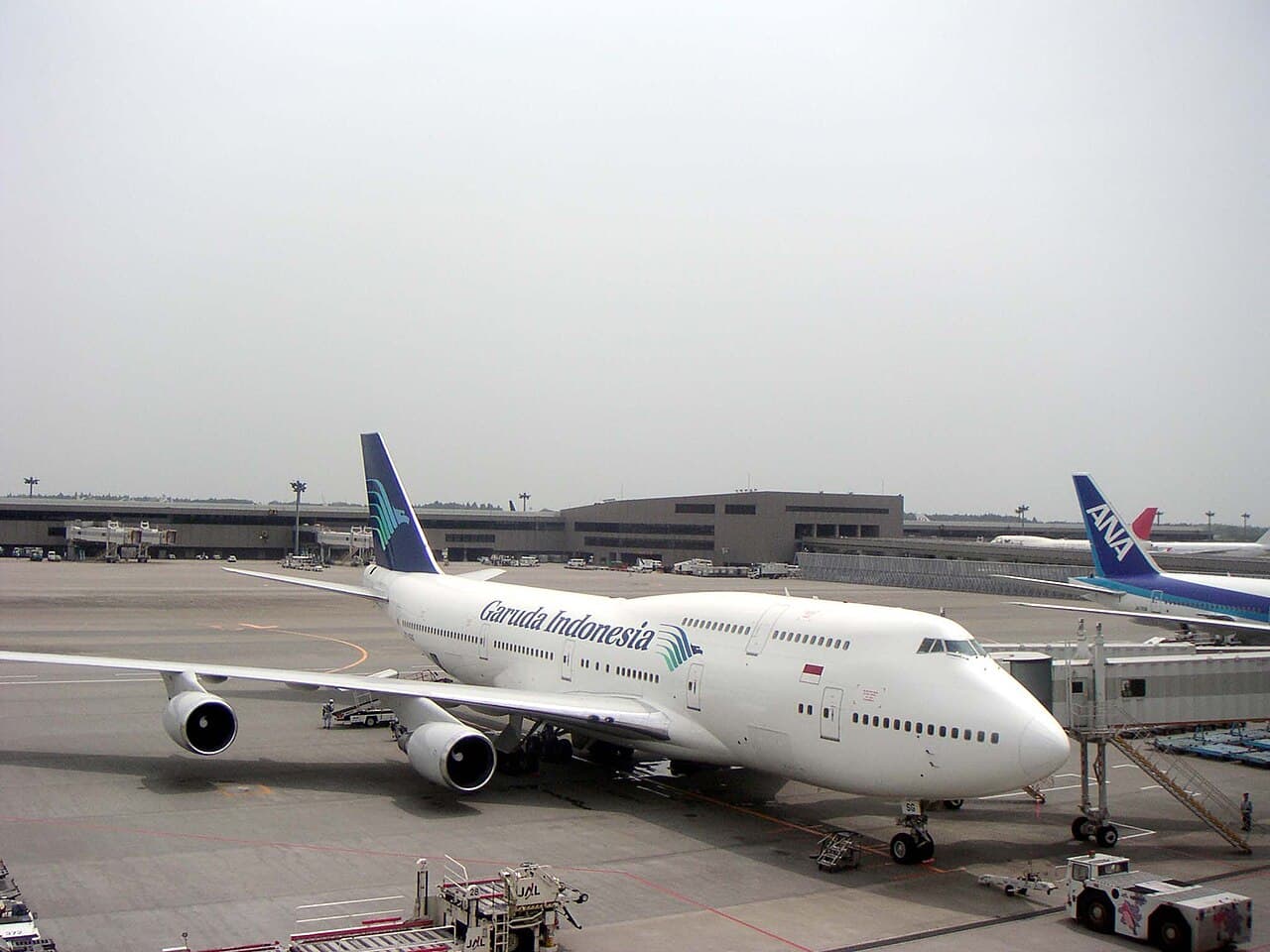
Image: Photo by っ · CC BY-SA 3.0 · via Wikimedia Commons
Garuda Indonesia named head of new state-owned airline holding company
Indonesia consolidates Garuda Indonesia, Citilink, and Pelita Air under government-backed holding to boost efficiency and service.
The gist
Indonesia forms a new airline holding led by Garuda to unify state carriers and improve competitiveness amid industry challenges.
The Indonesian government has announced a strategic consolidation of its state-owned airlines under a single holding company, led by national flag carrier Garuda Indonesia. This new structure will integrate Garuda, its low-cost arm Citilink, and the charter operator Pelita Air Service, aiming to streamline operations and strengthen the state aviation sector. The plan, unveiled on July 24, 2026, represents a significant effort by sovereign wealth fund Danantara and the State-Owned Enterprises Agency (BP BUMN) to build a unified aviation group.
Pelita Air Service, formerly part of oil company Pertamina, will come under the newly formed Garuda Group, eliminating former silos among government-controlled airlines. Danantara Chief Operating Officer and BP BUMN head Dony Oskaria confirmed the move following consultations with Pelita Air management. The consolidation was originally anticipated by mid-2026 but is now formalized with Garuda as parent company.
Indonesia’s aviation market has faced mounting challenges, including fierce competition and financial headwinds for Garuda Indonesia itself, which has struggled with losses, grounded aircraft, and fleet revitalization needs despite capital injections from Danantara. The holding structure aims to optimize resource deployment, reduce internal competition, and leverage group-wide synergies to build a stronger national aviation champion.
By merging the carriers, the government expects to enhance network planning, increase fleet utilization by sharing aircraft across high-demand routes, and implement a unified booking platform and loyalty program. These measures are designed to improve operational efficiency and passenger convenience, potentially reducing costs and supporting market share growth without immediate fleet expansion.
The restructuring also includes targeted service upgrades along the entire passenger journey. These enhancements encompass integrated ticketing systems, airport lounge improvements, better in-flight products including catering and crew service, as well as strengthened post-flight customer support and loyalty rewards. Investments in workforce training further support this comprehensive improvement.
Maintaining brand identities remains a priority, with Garuda continuing as the full-service airline, Citilink servicing budget travelers, and Pelita Air focusing on charter and regional operations. This brand differentiation alongside back-end operational integration reflects a balanced approach to consolidation, aiming to yield efficiency without sacrificing market segment focus.
Garuda Indonesia, established in 1949, holds a prominent position as Indonesia’s flag carrier offering domestic and international routes. Citilink caters to the expanding low-cost segment, while Pelita Air’s niche in charter and regional services adds operational diversity. The combined entity aims to end overlapping route competition and operational fragmentation that have hindered profitability in the past.
Analysts view the consolidation as a critical evolution for Indonesia’s aviation sector, which connects a vast archipelago where efficient air connectivity is essential for economic and tourism development. Success depends on the group’s ability to reactivate and modernize fleets, manage costs effectively, and uphold stringent safety and service standards.
The Indonesian government has committed to fully integrating the operations within this holding, building on previous financial support and transformation initiatives. If implemented effectively, this Garuda-led group could emerge as a resilient, customer-focused powerhouse capable of competing more vigorously with regional carriers, marking a pivotal moment in the country’s aviation history.
Frequently asked questions
- What companies are included in the new Indonesian airline holding?
- The new holding company includes Garuda Indonesia, its low-cost subsidiary Citilink, and Pelita Air Service, previously part of Pertamina.
- What are the main goals of consolidating these state-owned airlines?
- The consolidation aims to improve operational efficiency, reduce internal competition, optimize fleet use, enhance passenger service, and strengthen Indonesia’s national airline competitiveness.
Read more
All Airlines →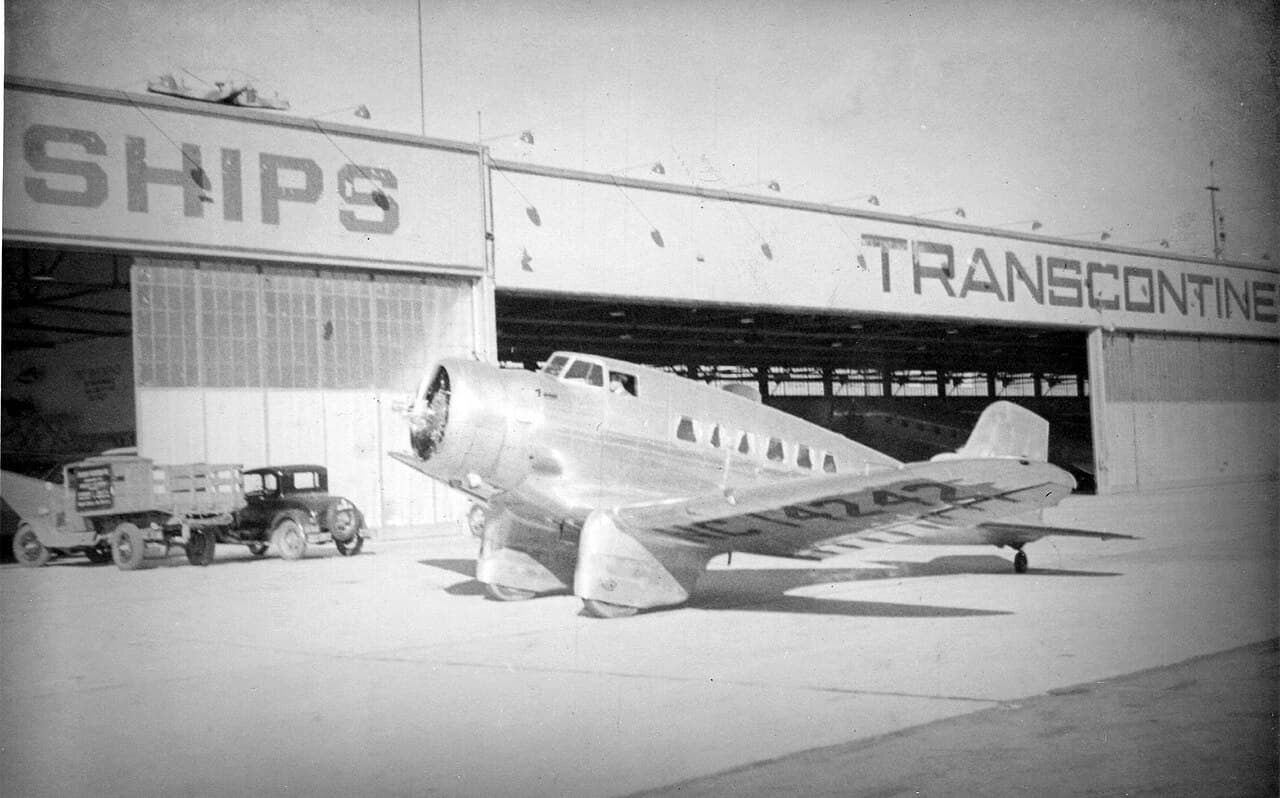
United CEO Proposed Merger With Delta Creating 35% U.S. Market Share
United CEO Scott Kirby reportedly pitched Delta CEO Ed Bastian on a merger that would have created an airline controlling roughly 35% of the U.S. domestic market. The idea went nowhere, and it is hard to see how it could survive antitrust review when the combined carrier would face objections across New York, Los Angeles, the transatlantic market, Latin America, Asia, and beyond.
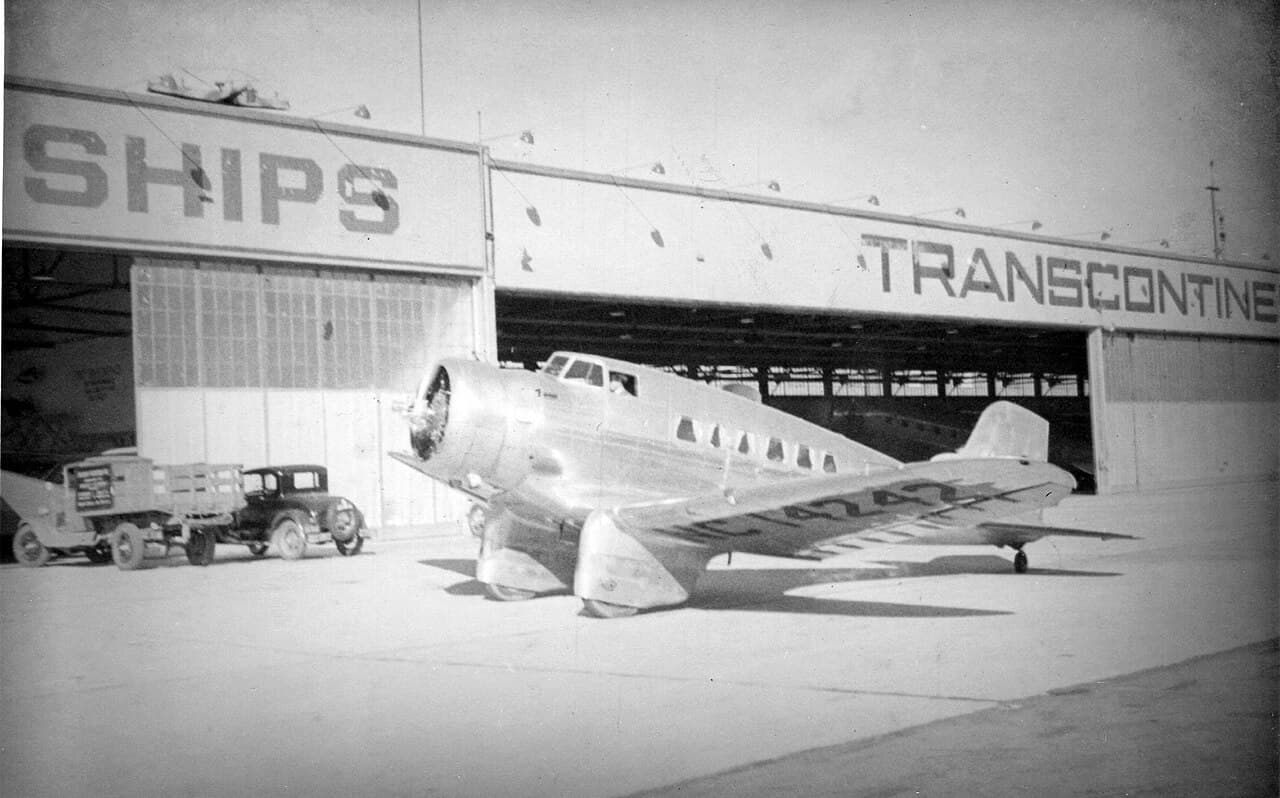
Delta Air Lines Elevates Passenger Experience with Delta Sync Inflight Technology
If there is one unique onboard technology package defining the Delta Air Lines customer experience in 2006, it is Delta Sync. More than just a simple in-flight WiFi connection, Delta has turned connectivity into a broader digital ecosystem that links fast, free internet with a more personalized seatback screen, loyalty-driven offers, and real-time day-of-travel information. Delta Air Lines said in late 2025 that Delta Sync WiFi had reached its 1,000th aircraft, or around 75% of the fleet, while Delta Sync seatback entertainment has now officially been expanded to more than 300 aircraft and six fleet types. This highlights a deliberate effort to quickly and efficiently roll this product out across its fleet.
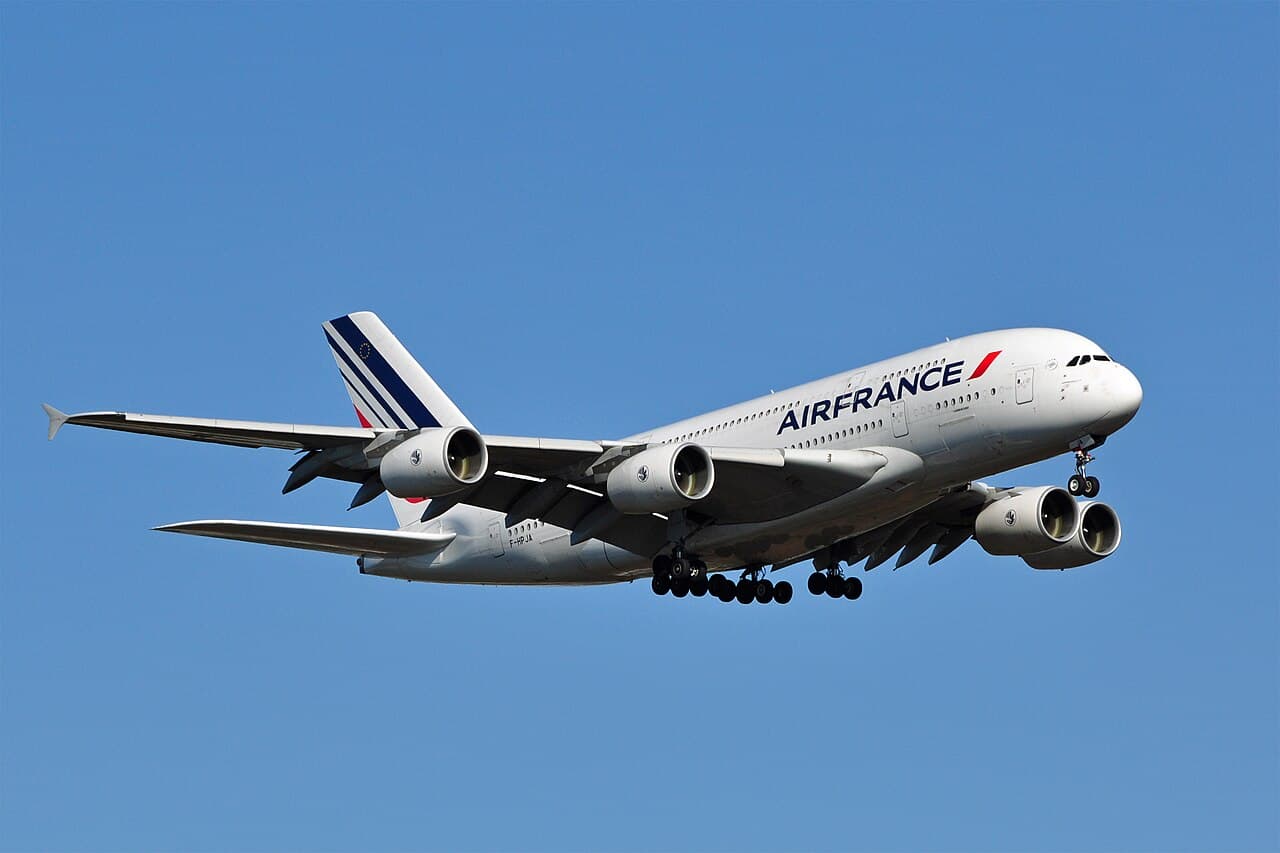
Airbus fixed A380 wing cracks by replacing carbon composite parts with aluminum to avoid fleet grounding
The Airbus A380 is the largest passenger airliner ever built. Airbus launched the double-decker to compete directly with Boeing's 747 and targeted airlines that needed a high-capacity aircraft for long-haul routes between major hubs. The aircraft entered commercial service in 2007 with Singapore Airlines, and several major carriers later added the A380 to their long-haul fleets.
Airbus Sees Premium Cabin Growth Driving US Domestic Aviation Through 2045
Commercial aviation has spent decades chasing passenger growth, but Airbus believes the next major shift will be driven by something entirely different. Rather than simply carrying more people, airlines are increasingly competing to offer a better experience, with premium cabins becoming one of the industry's most valuable assets.
The Daily Touch & Go
The day's best aviation news in your inbox. Free, no spam.