
Northrop Grumman opens Florida engineering hub for Navy's next-gen carrier fighter
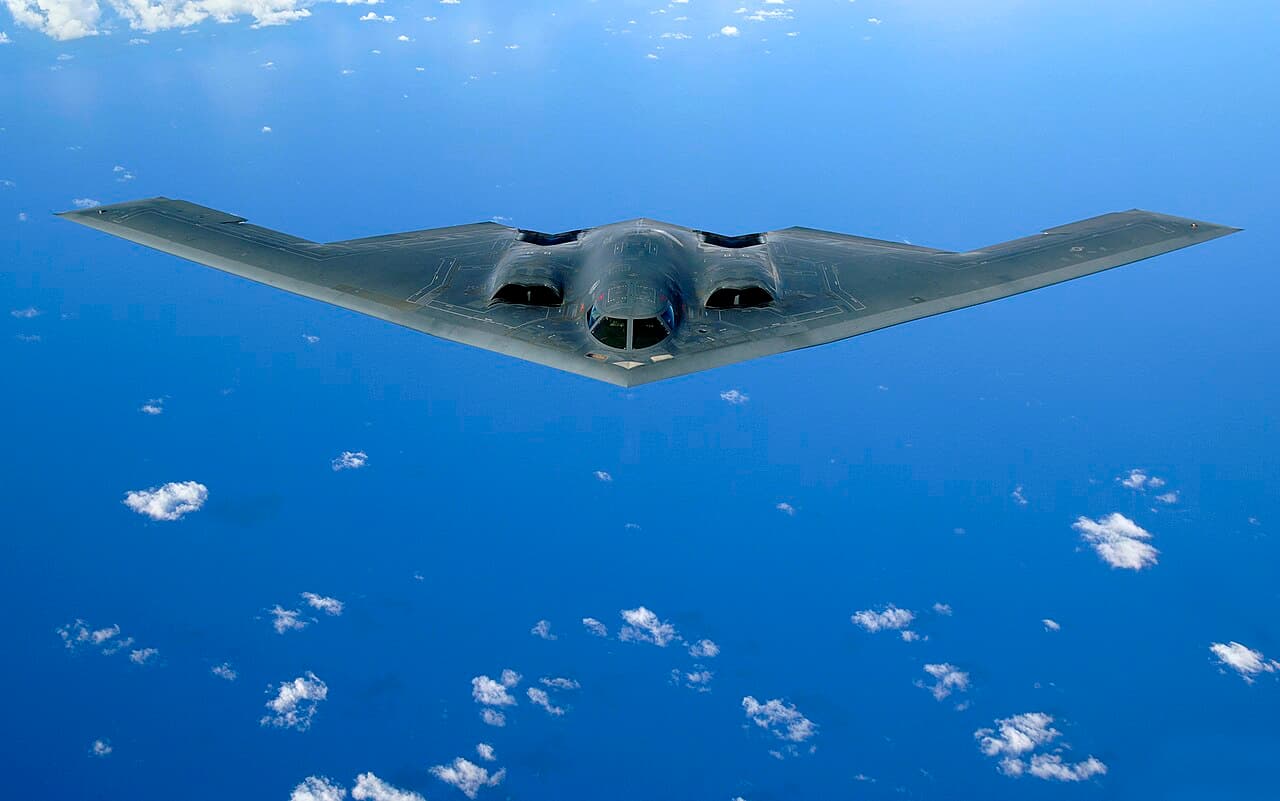
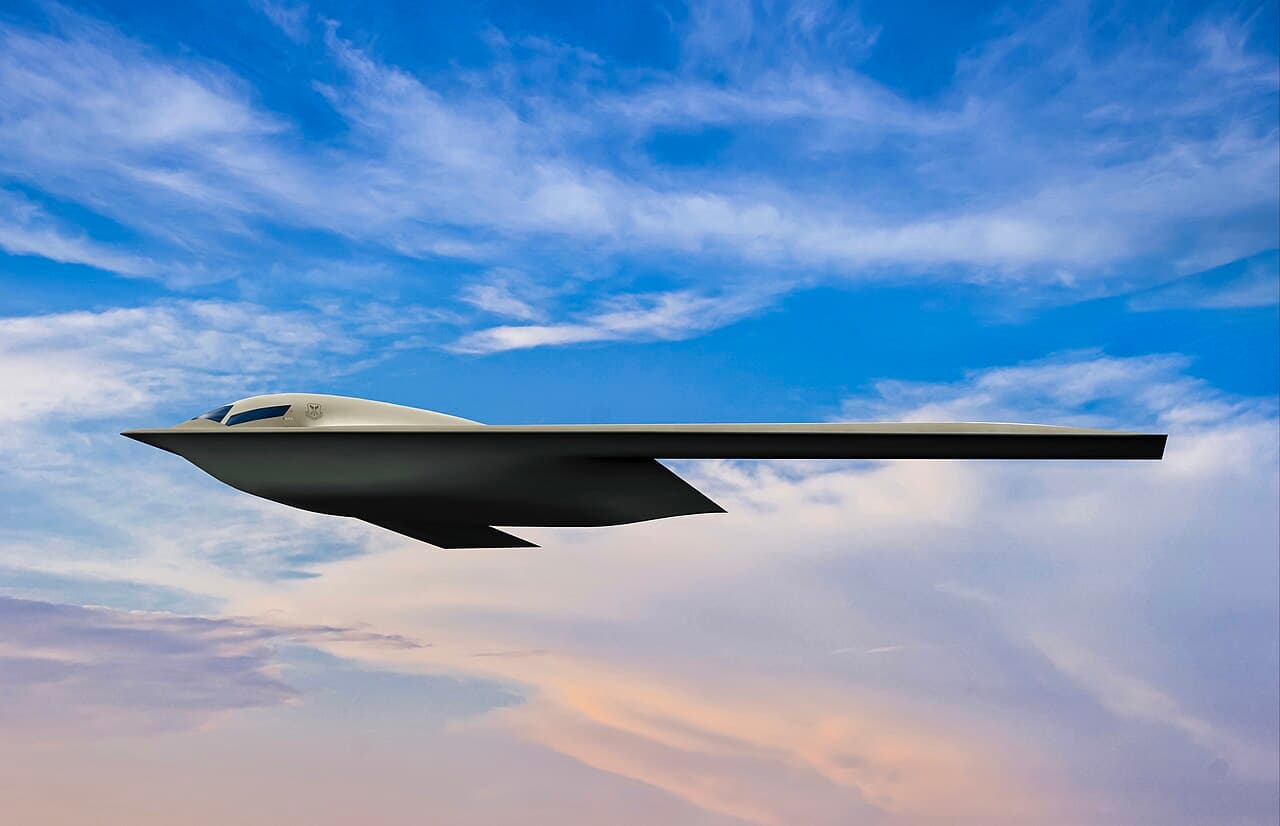
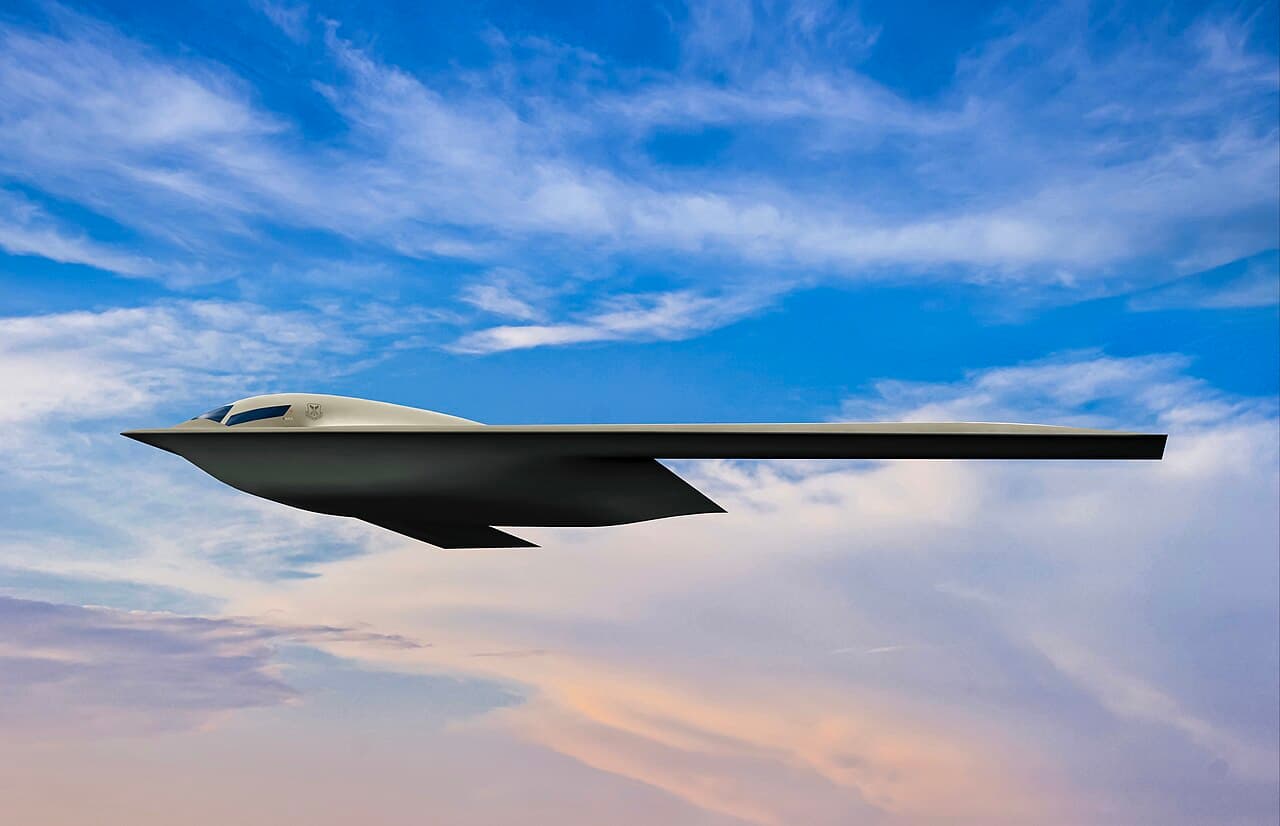
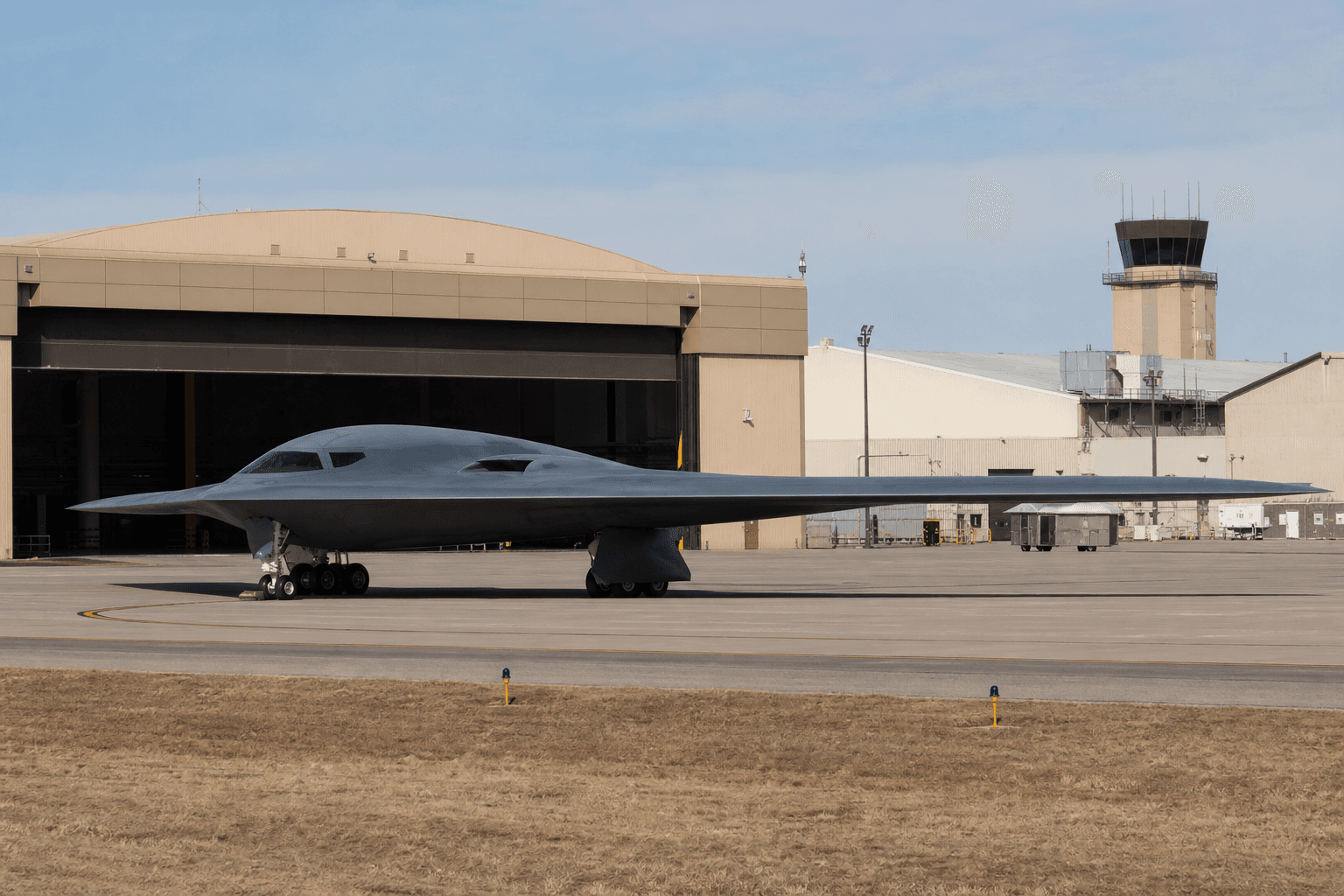
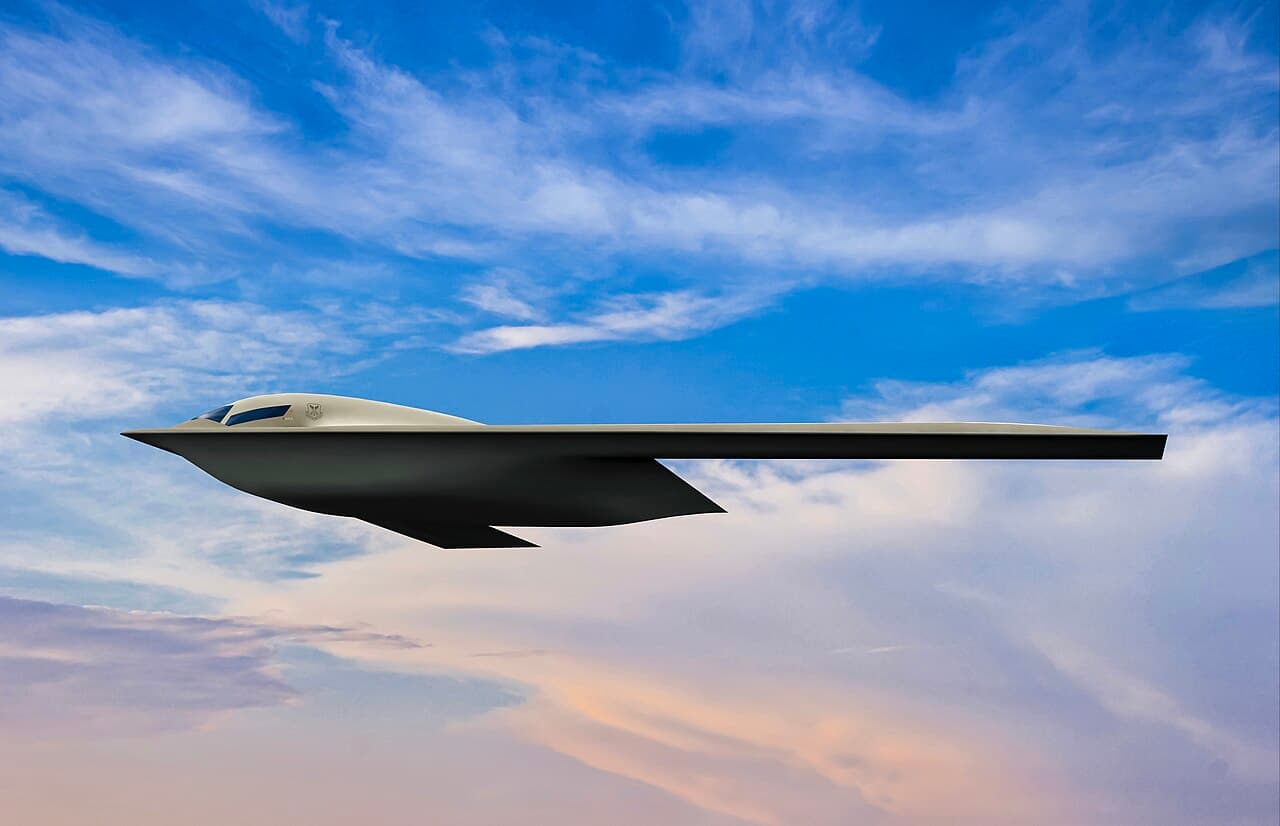
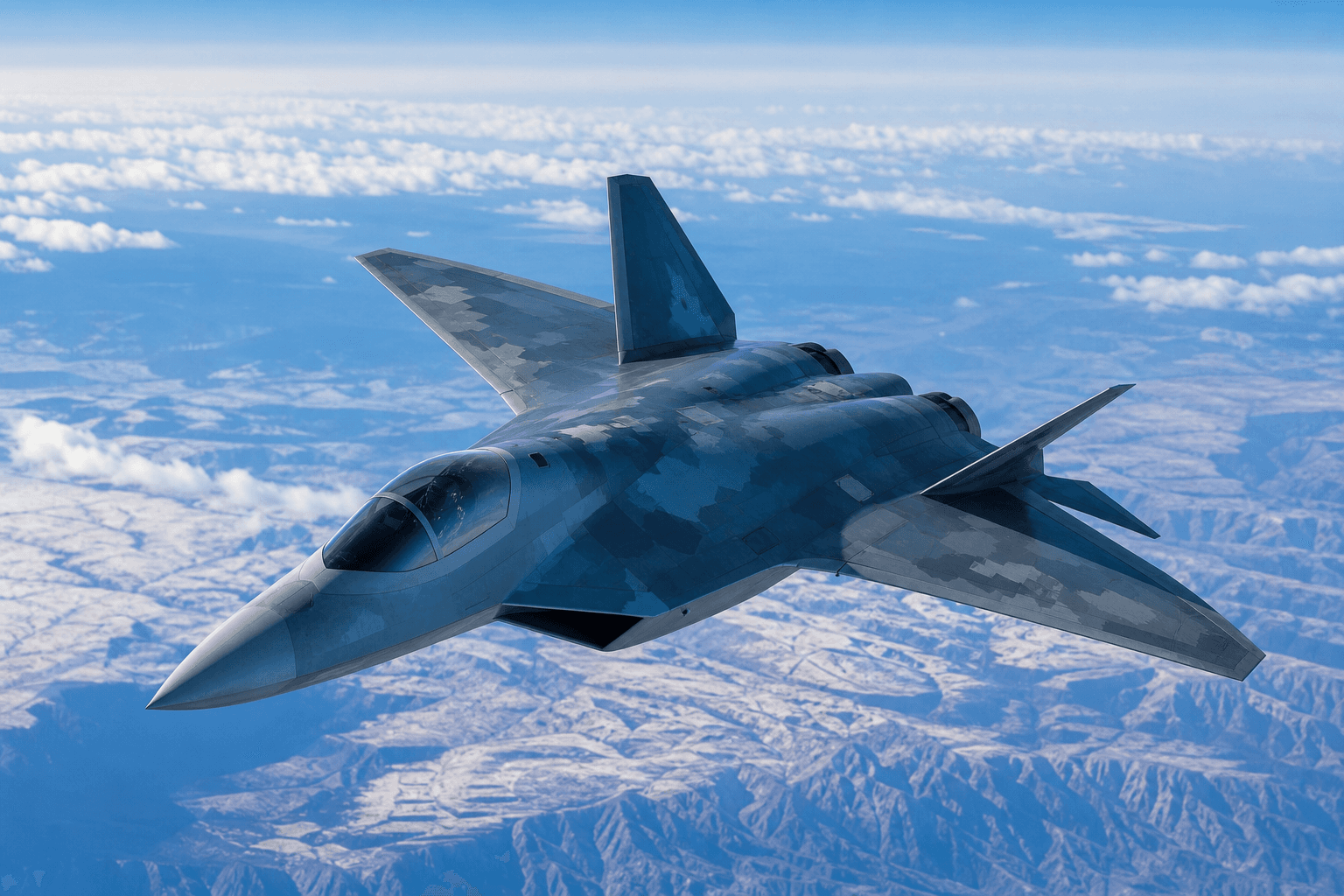
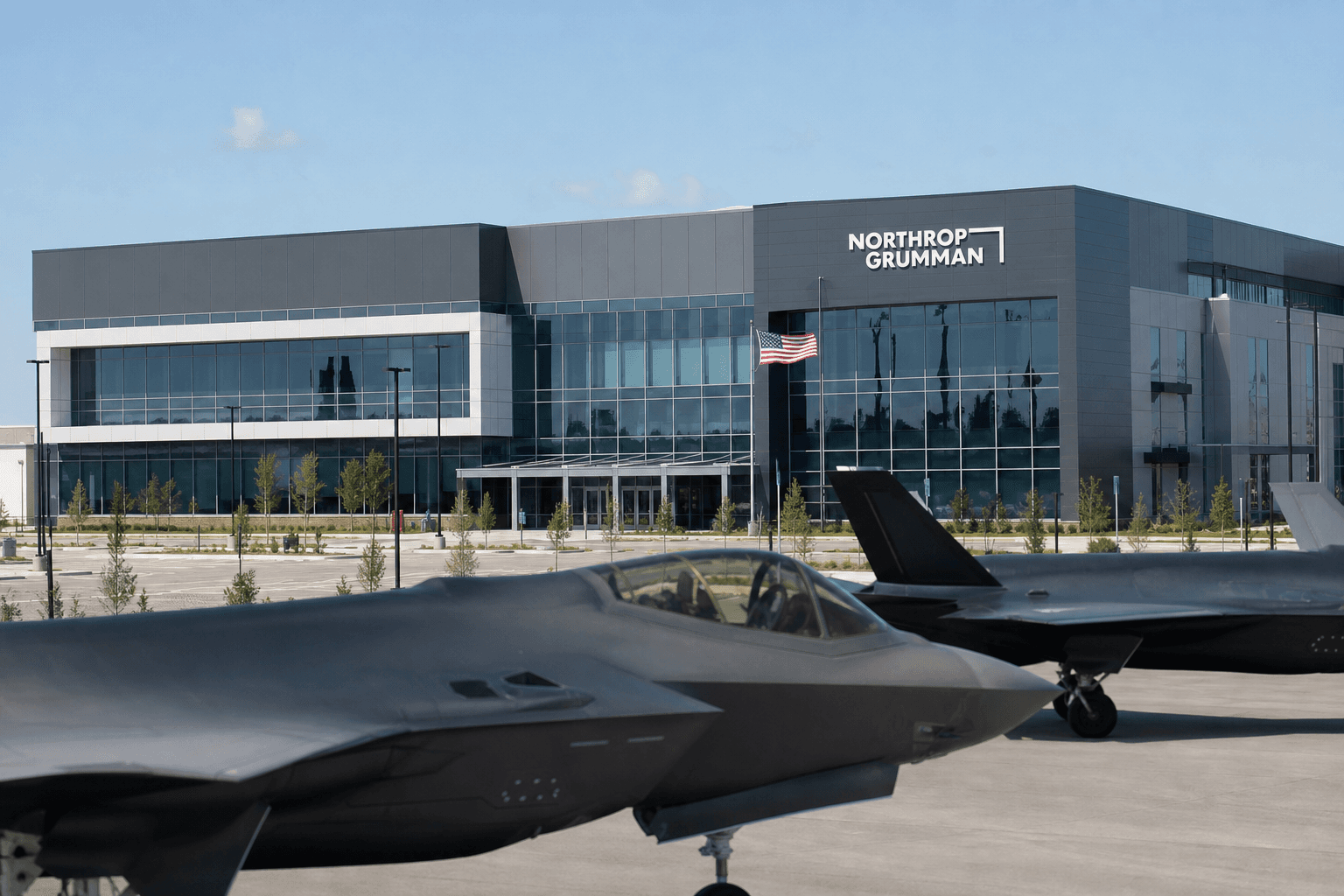
The defence contractor is vying to build the US Navy’s sixth-generation F/A-XX carrier-based fighter. Northrop Grumman has opened a new factory in Florida aimed at supporting the design and production of a sixth-generation aircraft. The defence manufacturer’s 27,870sq m (300,000sq ft) engineering facility is situated within Northrop’s broader hub in Melbourne, Florida. It will house space for 1,200 engineers and 17 secure laboratories dedicated to advanced aircraft design, Northrop says. Northrop unveiled the new site in early August. “This facility reinforces Melbourne as the epicentre of sixth-generation aircraft,” says Tom Jones, president of Northrop Grumman’s aeronautics division. “Between these walls in just a few months, we will have cutting-edge labs and hundreds of skilled engineers coming together in a world-class facility,” he adds. “This is what momentum looks like.” Northrop is one of two aircraft manufacturers still competing to build the US Navy’s future carrier-based sixth-generation fighter jet. Officially called the Next Generation Fighter, the programme is colloquially known as F/A-XX and is intended to deliver a successor to the more than 470 Boeing F/A-18E/F Super Hornets in the US Navy inventory. In April, Northrop shared a rendering of what an F/A-XX fighter might look like, including a tailless design and low-profile recessed air intakes located dorsally on either side of the fuselage centreline – similar in position to the air intakes featured on Northrop's B-2 and B-21 stealth bombers. Northrop Grumman released a rendering of a potential carrier-based sixth-generation fighter earlier this year. Credit: Northrop Grumman Boeing is the other finalist competing against Northrop for the secretive contract after a proposal from Lockheed Martin was rejected by the Navy in 2025. Both companies have a strong position. Boeing is hard at work on the US Air Force’s F-47 sixth-generation fighter, with flight testing scheduled to begin in 2028. Meanwhile, Northrop is actively assembling B-21 stealth bombers for the air force, with at least two early models already flying and delivery of operational aircraft expected in 2027. Industrial capacity is a major consideration in the respective programmes and was likely a driver behind Northrop’s build-out of the new sixth-generation engineering facility. Boeing successfully gambled that investing in a new factory built to assemble highly classified advanced combat aircraft would help it secure the F-47 contract. The company spent nearly $2 billion to develop such a facility at its St. Louis, Missouri fighter production campus, even before it had secured the F-47 win in March 2025. Construction on that 102,000sq m facility began in 2024 and remains ongoing. During a 2024 FlightGlobal visit to the headquarters of Boeing Defense, Space & Security in St Louis, company executives described the plant as a "bet" on the company's future. Northrop appears to be taking a similar approach with its own investment in sixth-generation industrial capacity, describing the move as a commitment to the “workforce, technology and infrastructure required to deliver next-generation airpower”. However, the future of the F/A-XX remains uncertain. The Navy has been inching toward a decision on a vendor for the new fighter, with a decision promised sometime in the second half of 2026. However, political support for the programme has repeatedly oscillated. The Trump administration previously sought to cut the budget for the Next Generation Fighter programme, with the White House and Pentagon instead prioritising development and fielding of the F-47. "The administration strongly supports re-evaluating the F/A-XX programme due to industrial base concerns of two sixth-generation programmes occurring simultaneously,” the White House said in a 2025 memo. "Awarding the F/A-XX contract as written is likely to delay the higher-priority F-47 programme, with low likelihood of improving the timeline to field a Navy sixth-generation fighter." Northrop Grumman is already flying two test examples of the new B-21 stealth bomber, with operational aircraft expected to reach frontline units in 2027. Credit: US Air Force Pentagon chief Pete Hegseth came out in support of the F/A-XX earlier this year, although he left some room for doubt as to the timeline for production and fielding of the new jet. "It's not a matter of if; it's a matter of when," Hegseth said during congressional testimony in April. "It's a critical capability that we need to fund for the future of naval aviation." An F/A-XX vendor decision has previously been teased as happening in August, with an initial engineering and manufacturing design contract going to either Northrop or Boeing. If Northrop prevails, it would mark the first fighter aircraft the company has delivered since the venerable F-14 Tomcat. Northrop also built the YF-23 demonstrator that ultimately lost out to Lockheed Martin’s YF-22 to become the US Air Force’s F-22 Raptor air dominance fighter.