

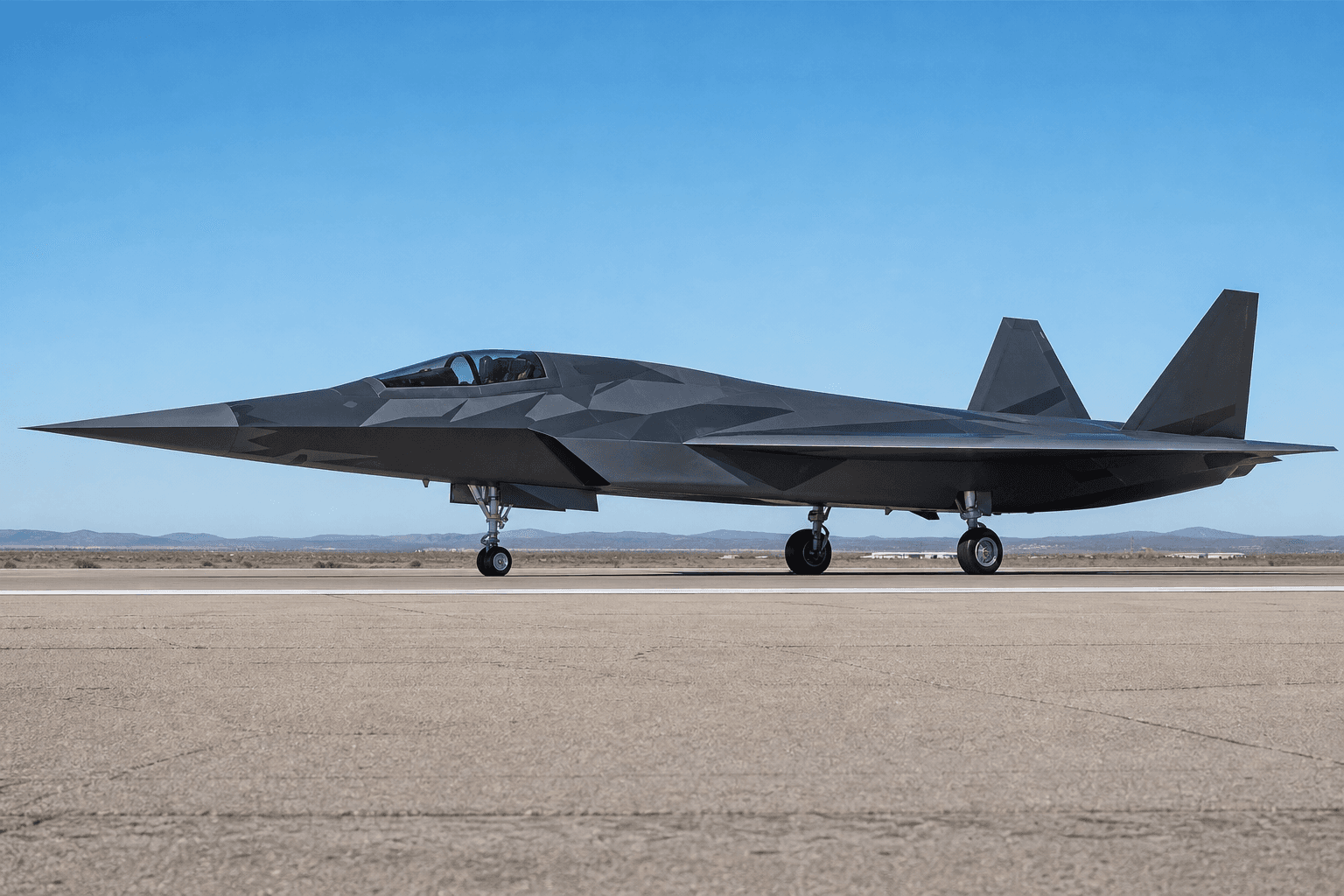
AI-generated illustration
Northrop Grumman partners with Hermeus to advance supersonic autonomous military jets
Northrop Grumman is integrating its mission systems into Hermeus's high-speed Quarterhorse series to create cutting-edge uncrewed military aircraft capable of rapid deployment and supersonic speeds.
The gist
Northrop Grumman joins Hermeus to develop supersonic autonomous jets equipped with advanced mission systems for future US military use.
Northrop Grumman and startup Hermeus have announced a strategic partnership aiming to develop a new class of high-speed uncrewed military aircraft. This collaboration focuses on enhancing Hermeus's Quarterhorse jet with Northrop Grumman's advanced mission systems, enabling the experimental aircraft to fulfill future operational roles in military contexts. The partnership was made public on 12 November and aligns with the US Department of War’s urgent need for rapid development and deployment of autonomous systems.
Hermeus’s Quarterhorse program began with ambitious goals of achieving and sustaining speeds beyond Mach 5, targeting hypersonic capabilities for defense applications. Their experimental Quarterhorse Mk 2.1 model first flew in March 2026 and broke the sound barrier two months later, reaching Mach 1.21. Following this, the aircraft accelerated further to Mach 1.6 in July 2026 while successfully deploying a demonstration payload. The follow-on Mk 2.2 started flight testing in September 2026, with the Mk 2.3 variant expected to take to the air in 2027. Hermeus plans even more advanced versions, Mk 3 and Mk 4, coming in 2028 and 2029 for testing turbine-to-ramjet engines and sustained hypersonic flight.
While the partnership announcement did not specify which Quarterhorse variant will integrate Northrop Grumman’s mission systems, it is clear that the companies intend to leverage the rapid pace of the Quarterhorse’s development timeline. Northrop Grumman emphasized that the evolving threat environment demands acquisition cycles measured in months rather than years, a need this alliance looks to address with agile, high-speed autonomous aircraft.
Northrop Grumman’s role involves providing comprehensive mission systems expertise to the partnership. Such systems are critical for navigation, sensor integration, communications, and payload management on uncrewed platforms. By outfitting Hermeus’s Quarterhorse aircraft with these capabilities, the collaboration aims to produce jets capable of operating autonomously in contested environments at supersonic speeds.
This latest partnership complements Northrop Grumman's broader investments in autonomous military aviation. The company already develops uncrewed aircraft within the collaborative combat aircraft sector, notably through the YFQ-48A Talon Blue. The Talon Blue program recently gained attention from the UK Royal Navy, which selected it for experiments integrating autonomous vehicles into carrier air wing operations. However, the Hermeus project targets distinctly different operational parameters centered on high-speed, potentially hypersonic flight.
Hermeus’s ambition to field a reusable aircraft capable of Mach 5 flight is a significant leap in high-speed aerospace technology. In addition to propulsion advancements, the firm’s staged Quarterhorse test series progressively validates new performance regimes and operational capabilities. Incorporating Northrop Grumman’s mission systems positions the Quarterhorse to meet complex military requirements that go beyond raw speed, including intelligence, surveillance, reconnaissance, and precision payload delivery.
The partnership’s emergence during a time of escalating demands for rapid innovation in military aerospace underlines the increasing value placed on autonomous high-speed platforms. The US Department of War’s priorities reflect global defense trends emphasizing unmanned capabilities that can operate swiftly, safely, and independently. Such platforms could transform how the military conducts strike, reconnaissance, and support missions in contested airspace.
With the Quarterhorse Mk 2.3 slated for flight testing next year and subsequent variants planned for 2028 and 2029, the timeline indicates a strong cadence of development aiming to approach hypersonic operational flights within a few years. This progression reflects the tight integration of propulsion development and mission systems advancement facilitated by the Northrop Grumman-Hermeus collaboration.
By merging Hermeus’s breakthroughs in high-speed uncrewed aircraft design with Northrop Grumman’s mission systems expertise, the partnership is charting a course to produce a new generation of autonomous jets capable of rapid, complex missions in contested environments. This effort epitomizes the accelerating pace and increasing technological complexity of military aerospace innovation driven by the needs of modern warfare.
Originally reported by FlightGlobal
Read more
All Military/Defense →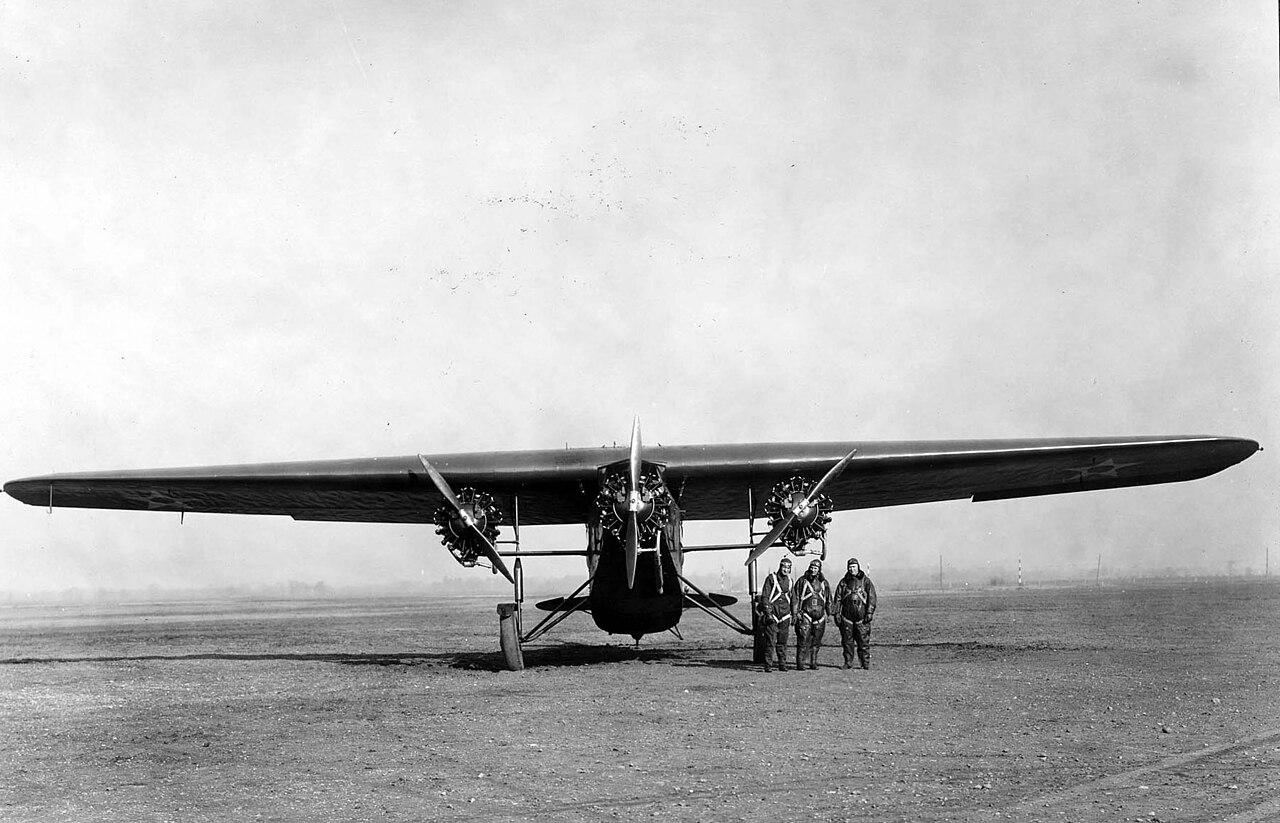
US Navy replaces C-2A Greyhound with CMV-22B Osprey despite lower payload capacity
The Navy retired its 10,000-lb payload C-2A Greyhound cargo plane in favor of the CMV-22B Osprey tiltrotor, trading payload for mission flexibility and support for the F-35C engine transport.

Airlines Extend Scheduled Flight Times to Improve On-Time Stats Despite Costs
To boost on-time arrival rates, airlines schedule flights with longer block times accounting for ground delays and congestion, despite increased operational costs.
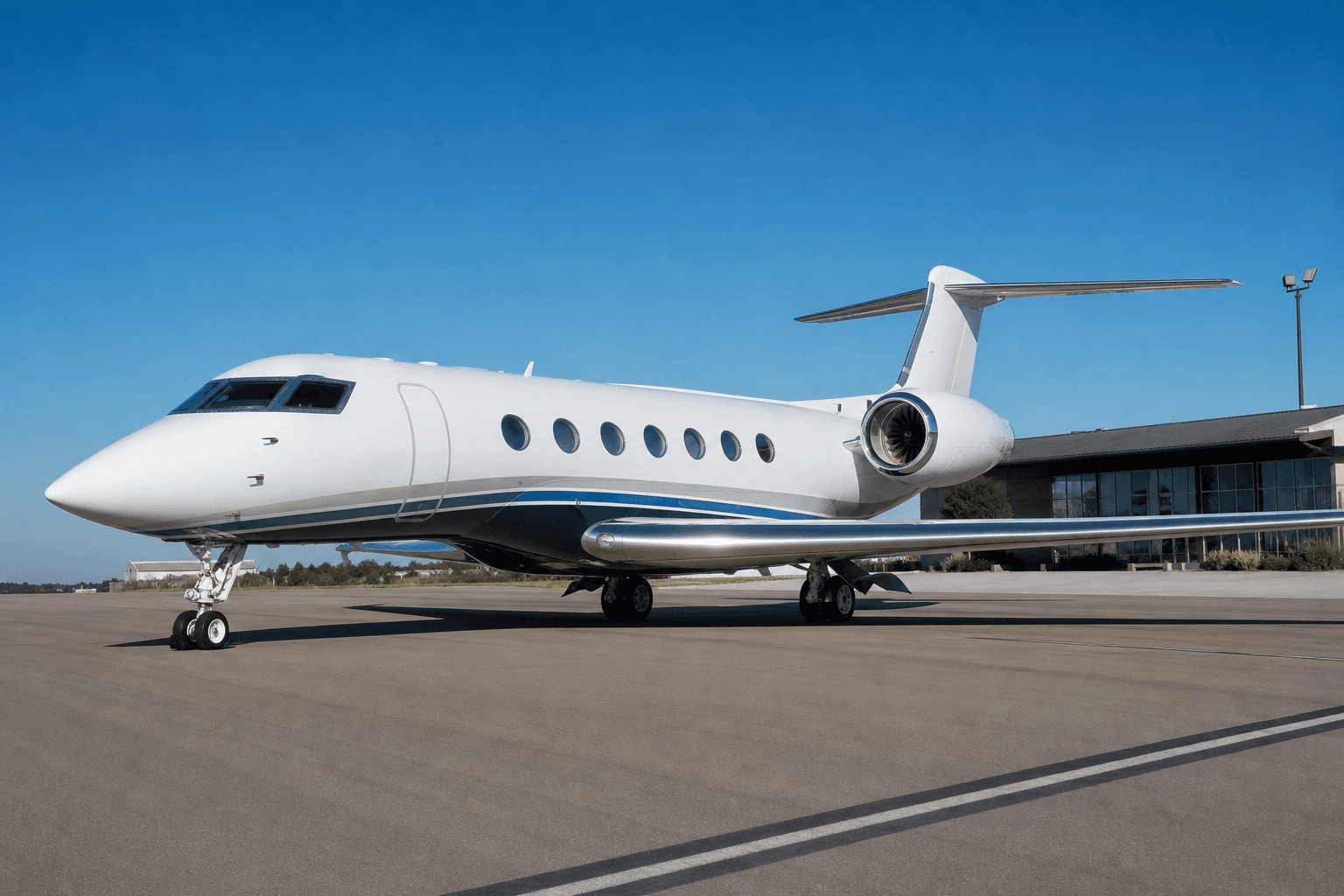
FlyExclusive Expands Fleet and Services by Integrating Fly Alliance Aircraft
FlyExclusive announces a strategic agreement to provide flight operations, management, and maintenance services for Fly Alliance's fleet, enhancing long-range and large-cabin offerings while maintaining Fly Alliance's brand identity.
Delta 360: Inside Delta's Exclusive Invitation-Only Elite Status Program
Delta 360 is the airline's invitation-only tier, granted to a tiny fraction of high-spending travelers with select perks but no formal elite status.
The Daily Touch & Go
The day's best aviation news in your inbox. Free, no spam.