

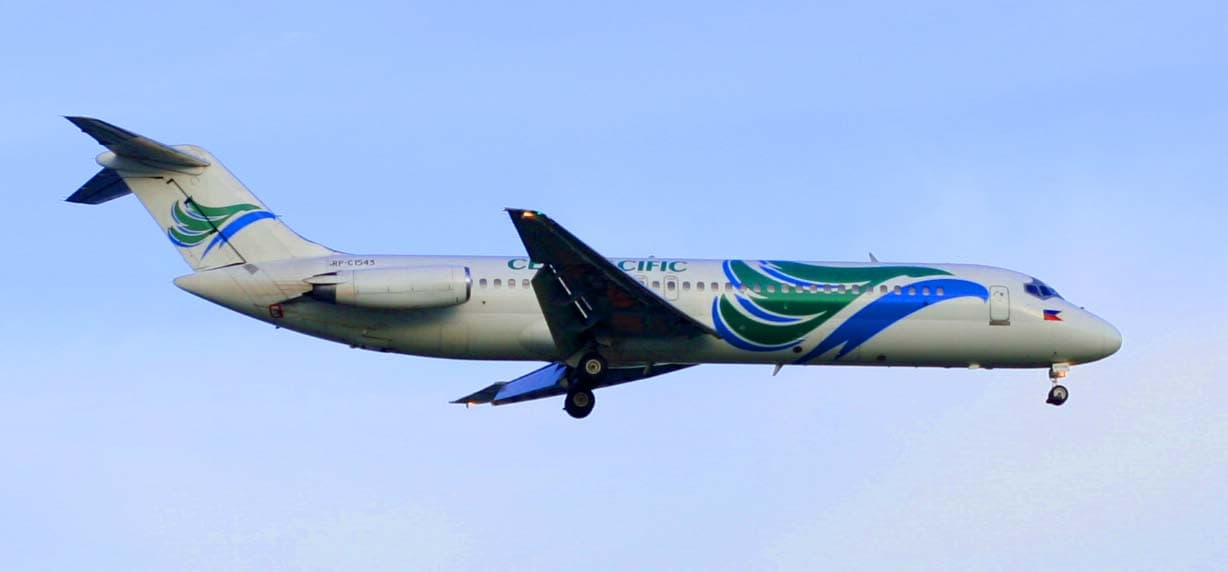
Cebu Pacific posts Q2 loss as fuel costs more than double operating expenses
Airline saw fuel expenses more than double during its second quarter. Cebu Pacific swung to the red in the second-quarter as it took a significant hit from heightened fuel prices in what what it terms the "most challenging operating environment post-pandemic". The low-cost operator posted an operating loss of Ps2.7 billion ($44.3 million) for the three months ended 30 June, a quarter that has traditionally been stronger performing. The loss compares to a Ps6 billion operating profit it reported in the year-ago period. Cebu Pacific operating costs rose 41% year on year to Ps37.9 billion, driven by a doubling in fuel expenses during the quarter. Airline chief Mike Szucs says the “extraordinary” spike in fuel costs – its "single largest cost component" – happened very quickly, "outpacing our ability to recover these costs" through "calibrated fare increases" implemented during the quarter. Szucs, speaking at an earnings call on 6 August, adds that the fuel impact "temporarily disrupted the positive trajectory we had seen earlier in the year". Indeed, the spike in operating expenses significantly outpaced a 7% increase in revenue – to Ps35.2 billion – a sign that underlying demand "still remains resilient", notes Szucs. During the quarter, Cebu Pacific slashed capacity, especially on long-haul routes, in response to the increase in fuel prices. The airline "selectively reduced flights to focus on markets with profitable contribution margin" during the quarter, notes airline chief operating officer Xander Lao. The "deliberate capacity reductions" were behind a 2% decline in system-wide capacity, led by a 13% cut in international ASKs. Still, the airline carried 7 million passengers, roughly similar to the year-ago period. The airline has also warned of continued volatility in fuel prices in the near-term. The July-September period is also a "relatively weaker" and loss-making season for the carrier, which has warned that its losses for this third-quarter period could be steeper given the higher fuel costs. Lao, however, says that forward booking data remains strong, with the third-quarter demand shaping up to be better than previous years. The airline's international travel demand is "doing quite well" in the near-term, with domestic demand "already starting to catch up", Lao adds.