

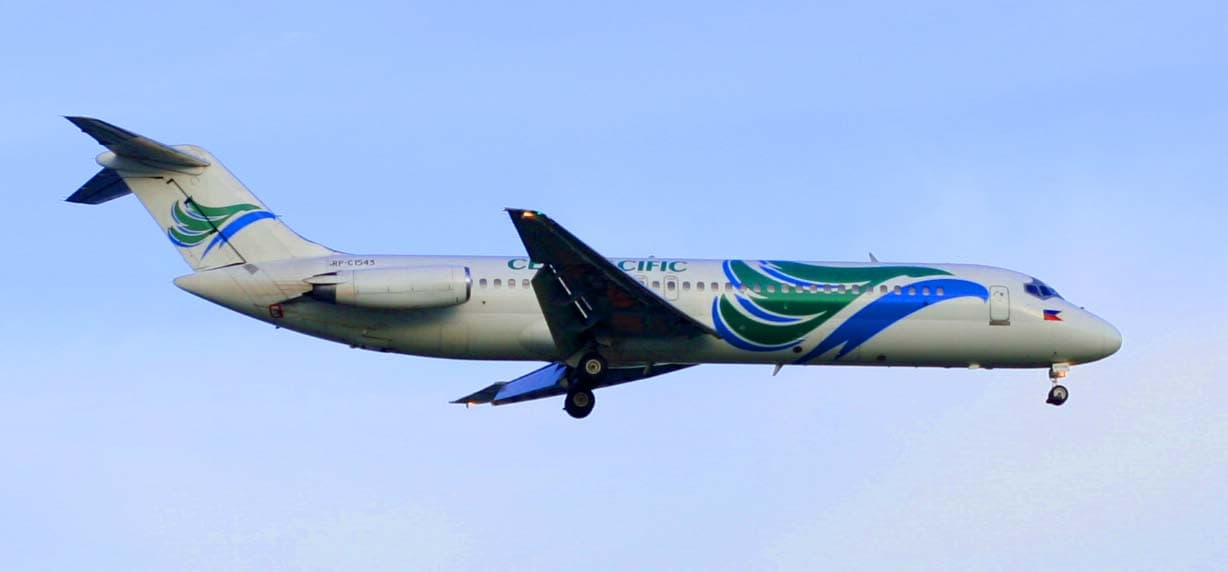
Image: Paolo Marco Mañalac · CC BY-SA 2.0 · via Wikimedia Commons
Cebu Pacific posts Q2 loss as fuel costs more than double operating expenses
Cebu Pacific recorded a Ps2.7 billion operating loss for Q2 2026, driven by a doubling of fuel costs amid a challenging post-pandemic environment.
The gist
Cebu Pacific's fuel expenses doubled in Q2 2026, causing a steep swing from profit to a Ps2.7 billion loss despite resilient demand.
Continuing coverage
All Cebu Pacific →Cebu Pacific Airlines reported a significant financial setback in the second quarter of 2026, posting an operating loss of Ps2.7 billion ($44.3 million), compared to a Ps6 billion profit in the same period last year. This reversal came as the airline confronted an unprecedented surge in fuel costs, which more than doubled, inflating overall operating expenses sharply. The quarter, traditionally one of the stronger periods for the carrier, was marked by a difficult operating climate described by the company as the most challenging since the pandemic ended.
Operating costs rose 41% year-on-year to Ps37.9 billion, with fuel accounting for the largest single cost component. Airline CEO Mike Szucs detailed how the sharp spike in jet fuel prices rapidly outpaced the company's ability to offset expenses through measured fare increases implemented during the quarter. The swift escalation in fuel costs disrupted the company’s positive trajectory observed earlier in 2026, highlighting the volatility in energy markets and its immediate impact on airline economics.
Despite the cost pressures, Cebu Pacific's revenue increased by 7% year-on-year, reaching Ps35.2 billion, signaling continued robust demand for air travel in the Philippines. The airline carried approximately 7 million passengers during the quarter, a volume roughly consistent with the prior year. This stability underscores persistent passenger interest and recovery in aviation demand following the severe disruptions of the pandemic era.
To mitigate losses, Cebu Pacific took a strategic approach to capacity, particularly on international and long-haul routes, where fuel consumption is more impactful. The airline reduced system-wide capacity by 2%, including a 13% cut in international Available Seat Kilometers (ASKs). Chief Operating Officer Xander Lao explained the capacity reductions were deliberate and targeted to prioritize routes delivering profitable contribution margins, reflecting disciplined network management.
The company acknowledges, however, that the intense fuel price environment remains unpredictable. Fuel costs are projected to continue introducing volatility in the short term, complicating financial forecasting for the upcoming quarter. Cebu Pacific cautions that the third quarter, which is historically a less profitable season, could see deeper losses primarily driven by sustained elevated fuel expenditures.
Nonetheless, forward booking figures provide some indication of improving demand momentum. Lao noted that third-quarter bookings have accelerated relative to previous years, with international travel demand performing strongly and domestic demand beginning to rebound. This trend suggests that underlying market fundamentals for air travel may be strengthening despite adverse cost pressures.
Cebu Pacific’s experience in Q2 encapsulates the challenges low-cost carriers face when fuel prices surge rapidly. While fare increases have a lag effect on revenue, fuel expense spikes translate into immediate financial strain given the high proportion of operating budgets typically allocated to energy costs. The airline's targeted capacity adjustments demonstrate an effort to preserve profitability where feasible amid these headwinds.
The airline’s ability to maintain stable passenger numbers while navigating cost inflation and trimming supply on less profitable routes reflects cautious operational discipline. However, the Ps2.7 billion loss spotlights the sensitivity of airline economics to fuel market dynamics. How Cebu Pacific manages continued fuel volatility and balances capacity with demand will be critical to its financial performance in the remainder of 2026.
Frequently asked questions
- What caused Cebu Pacific to report an operating loss in Q2 2026?
- A doubling of fuel expenses during the quarter significantly increased operating costs, outpacing revenue growth and leading to a Ps2.7 billion operating loss.
- How did Cebu Pacific respond operationally to the surge in fuel costs?
- The airline reduced system-wide capacity by 2%, including a 13% cut in international ASKs, focusing on markets with profitable contribution margins to mitigate losses.
- Did the surge in fuel costs affect Cebu Pacific’s passenger numbers in Q2 2026?
- No, the airline carried about 7 million passengers, roughly the same as the year-ago period, showing that demand remained resilient despite cost pressures.
Read more
All Airlines →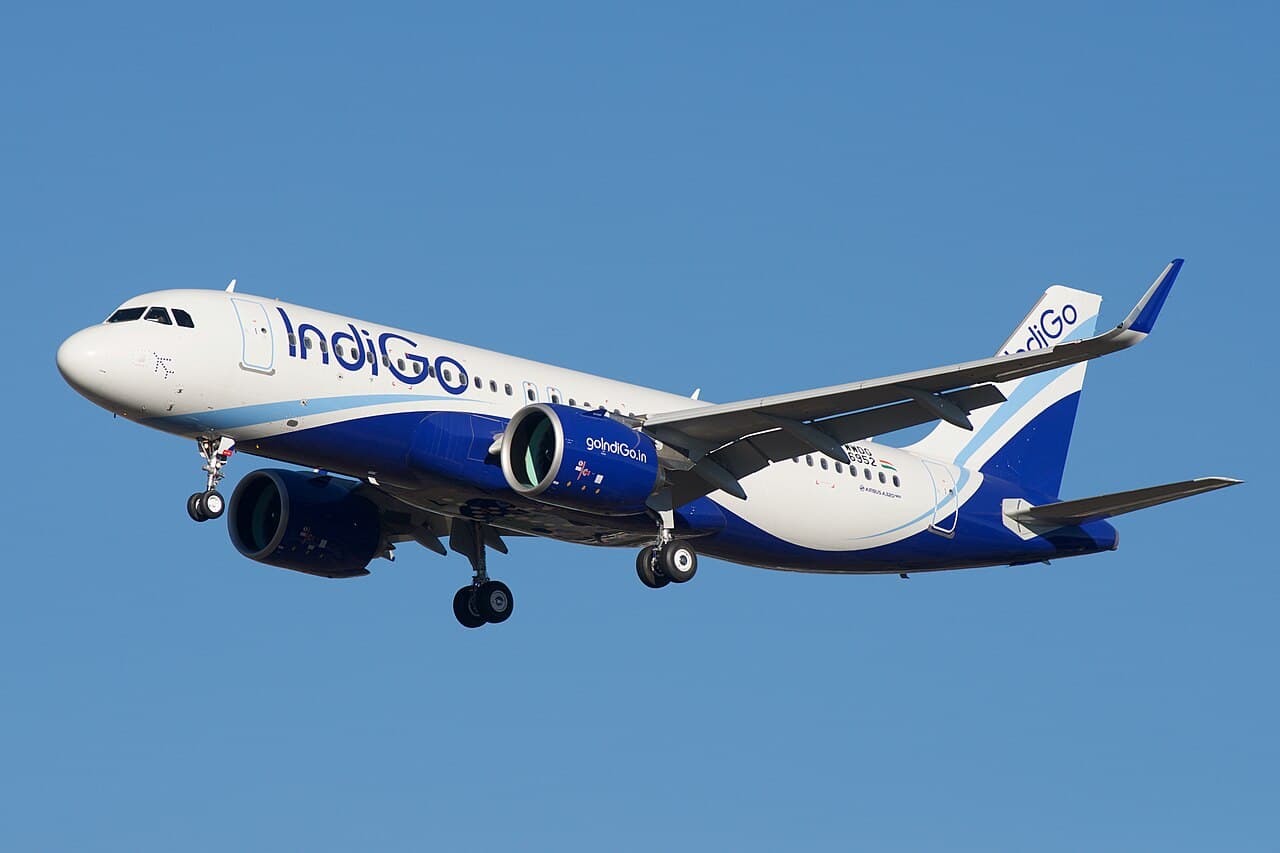
LATAM Airlines posts $227 million Q2 profit amid strong premium demand
Resilient demand for premium seats and from loyalty programme members kept LATAM in the black. LATAM Airlines Group was able to pass to customers much of the increase in fuel prices in the second quarter thanks to strong travel demand, especially for premium seats and from member of its loyalty programme. The company reported an adjusted operating profit of $227 million for an adjusted operating margin of 5.4% during the three months ending in June. Its revenue increased 28% year on year to $4.2 billion, driven by an 18% year-on-year increase in revenue per available seat kilometre, allowing LATAM to recapture much of the additional $700 million fuel expense it paid in the period. LATAM’s second-quarter expenses jumped 39% year on year to $4.0 billion. "The combination of effective execution, commercial flexibility and the resilience of LATAM's diversified business model allowed the group to increase unit revenues this quarter [and] successfully mitigate a substantial portion of that [fuel] impact," said Ricardo Dourado, the chief financial officer of LATAM, during an earnings call on 5 August. Premium-seat sales and demand from loyalty programme members showed "greater resilience" than overall demand in the second quarter, he adds. LATAM is investing in new business-class suites and premium-economy seats for its widebody Boeing 787s. Installations began in 2025 and continue across the fleet. It is also expanding the number of premium-economy seats on its narrowbody fleet of Airbus A320-family aircraft and plans to introduce the seats on Embraer 195-E2s scheduled to enter service in November. LATAM initially plans to fly E195-E2s to four new destinations and on eight new routes in Brazil. The aircraft will allow it to expand and tailor capacity on existing routes to better match demand at various times of day, chief executive Roberto Alvo says. Looking ahead, LATAM reinstated its guidance despite what Alvo says remains a "highly dynamic" market. The company expects to grow capacity, measured in available seat kilometres, 8-9% in 2026 and forecasts a 2026 adjusted operating margin of 12-13%. LATAM is scheduled to take delivery of 15 A320neo-family aircraft, one 787-9 and 12 E195-E2s in the second half of 2026, its latest fleet plan shows. It forecasts adding 27 aircraft to its fleet in 2026, bringing its fleet to 410 aircraft at year-end. LATAM can retire older Airbus A319s if the demand environment weakens, Alvo says.
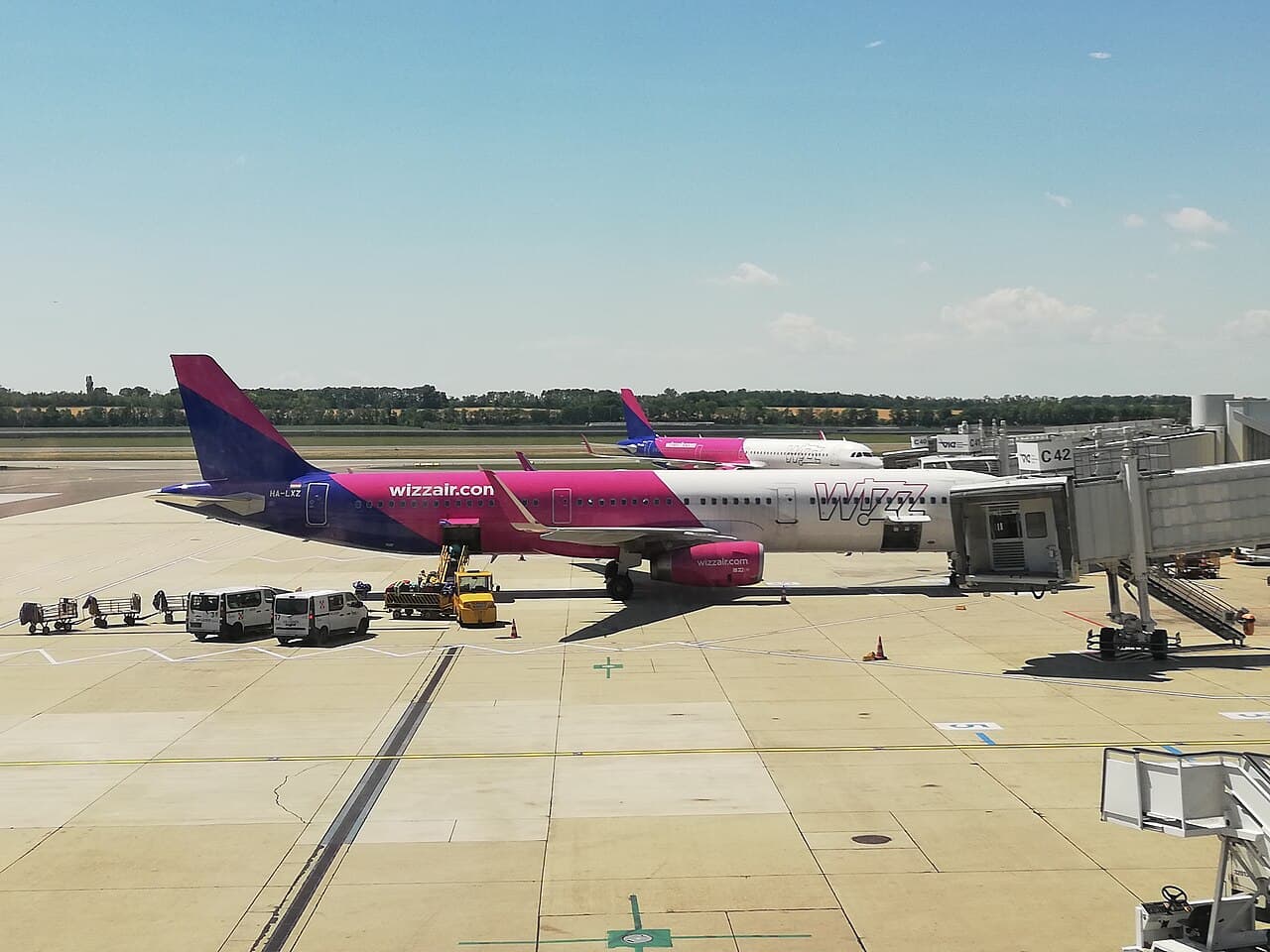
Wizz Air posts €183m operating loss in Q1 amid 39% fuel cost surge
Central European budget operator lifts passenger numbers by a quarter during April-June period. Wizz Air fell to an operating loss of €183.3 million ($211.6 million) in the three months to June 2026 on fuel costs up 39% for the period. The Central European budget carrier increased revenues 6% to €1.5 billion in the first quarter of its financial year, which runs to March 2027. However, fuel costs over the same period jumped to €610 million, driving a 21% rise in the carrier's overall costs. As a result, Wizz slipped from an operating profit €27.5 million for its first quarter in 2025 to a loss of €183.3 million. Likewise, it posted a net loss of €198.2 million in the April-June period, compared with a €38.4 million profit a year ago. "The industry has been extremely volatile over the June quarter due to conflict in the Middle East, elevated fuel prices and changes in booking patterns," says Wizz Air chief executive Jozsef Varadi. He though flags "some notable success" in the quarter, including a 25% increase in passenger numbers to 21.2 million. Wizz last year refocused its network strategy to put more emphasis its core Central European and UK markets, reducing its stage lengths to improve aircraft utilisation and slowing its long-term capacity growth. That has been accentuated by the carrier redeploying capacity from the Middle East, primarily Israel, because of the Iran conflict. "We are focused on strengthening the core network, improving density and reallocating flying from longer-haul Middle Eastern operations into shorter European sectors," says Varadi. "This supports higher sector productivity, creates more attractive schedules for customers, improves network integrity and delivers incremental growth at a lower cost." The carrier offered little by way of full-year profit guidance, but Varadi says: “While we continue to see the build-up of forward bookings, the rest of the year is expected to present both industry challenges and strategic opportunities. "We will continue to manage the business for profitability while remaining ready to take advantage of market opportunities that may arise as supply and demand rebalance across Europe. support the long-term growth of Wizz Air."
Riyadh Air and GOL spearhead 2026 long-haul network expansions amid established carriers' route growth
Flying has come a long way since the first scheduled passenger flight. That service carried just one passenger and flew the short distance of around 21 miles, but it marked the beginning of an industry that would eventually transform the way people travel around the world. Today, we can travel from one corner of the world to another with relative ease.
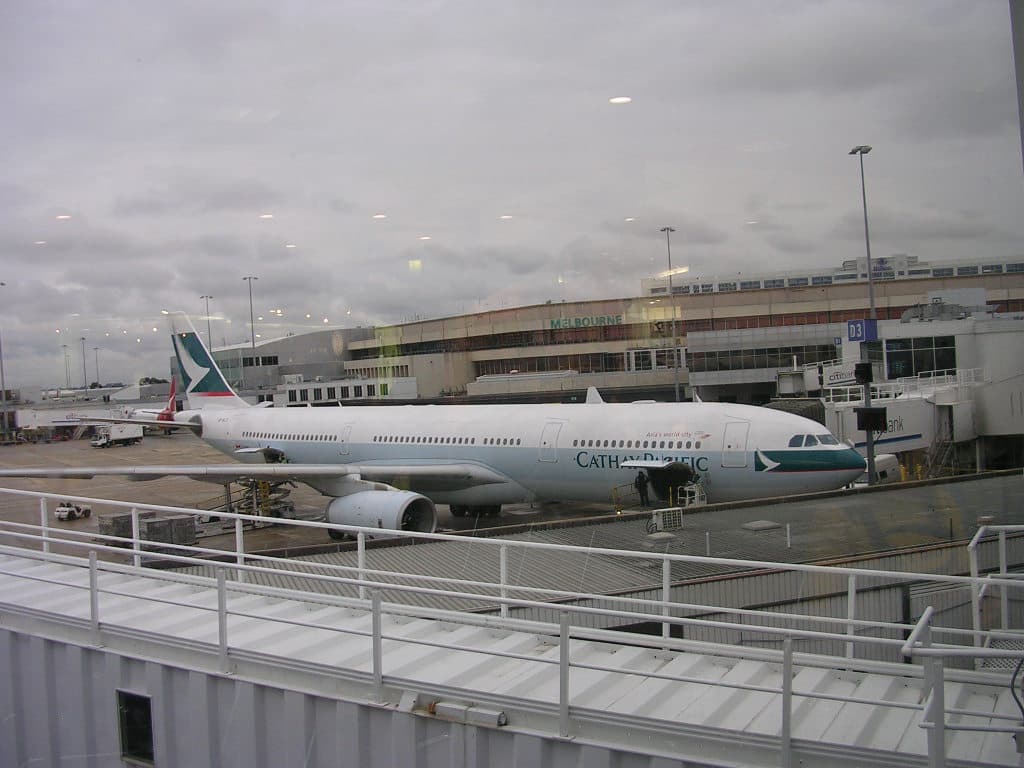
Cathay Pacific Group Posts 27% Operating Profit Rise and Stays on Track for 10% Capacity Growth
The group saw a 27% increase in its half-year operating profit, while net profit was up 71% year on year. Cathay Pacific Group is maintaining its full-year capacity growth guidance, with near-term demand "looking strong", and as its half-year profit improves. The Hong Kong-based airline group "remains on track" to reach its passenger capacity growth target of 10%, says Cathay chair Guy Bradley. "We remain cautiously optimistic for the rest of the year, subject to developments in the Middle East situation and other macroeconomic factors," Bradley, who was appointed airline chair in May, adds. The group, comprising mainline operator Cathay and low-cost unit HK Express, expects the "impact of elevated fuel prices" to continue for the rest of the year. Nonetheless – and if "market conditions are favourable" – the airline group is targeting to operate to 150 international points in 10 years, with 150 new aircraft set to join its fleet. For the six months ended 30 June, Cathay Group saw a 27% jump in its operating profit to HK$7.5 billion ($961 million). This was despite half-year expenses climbing 27% to HK$61.4 billion, led by a spike in fuel-related costs. Bradley notes that the group's fuel expenses close to doubled between the January-March and April-June quarters, underscoring the impact of the Middle East conflict on fuel costs. Group revenue was up 25% to HK$68 billion, on the back of strong travel demand on mainline operations, as well as significant operational improvements from HK Express. "Having got off to a strong start in the first quarter, we faced a more challenging second quarter due to the situation in the Middle East and the resulting significant increase in jet fuel prices," states Bradley. The group posted a net profit of HK$6.2 billion, a 71% jump from the year-ago period. During the period, Cathay took on non-recurring gains of around HK$1 billion, from the reduction of its shareholding in Air China in June this year.
The Daily Touch & Go
The day's best aviation news in your inbox. Free, no spam.