

airBaltic launches Swiss subsidiary to enhance ACMI pilot employment flexibility
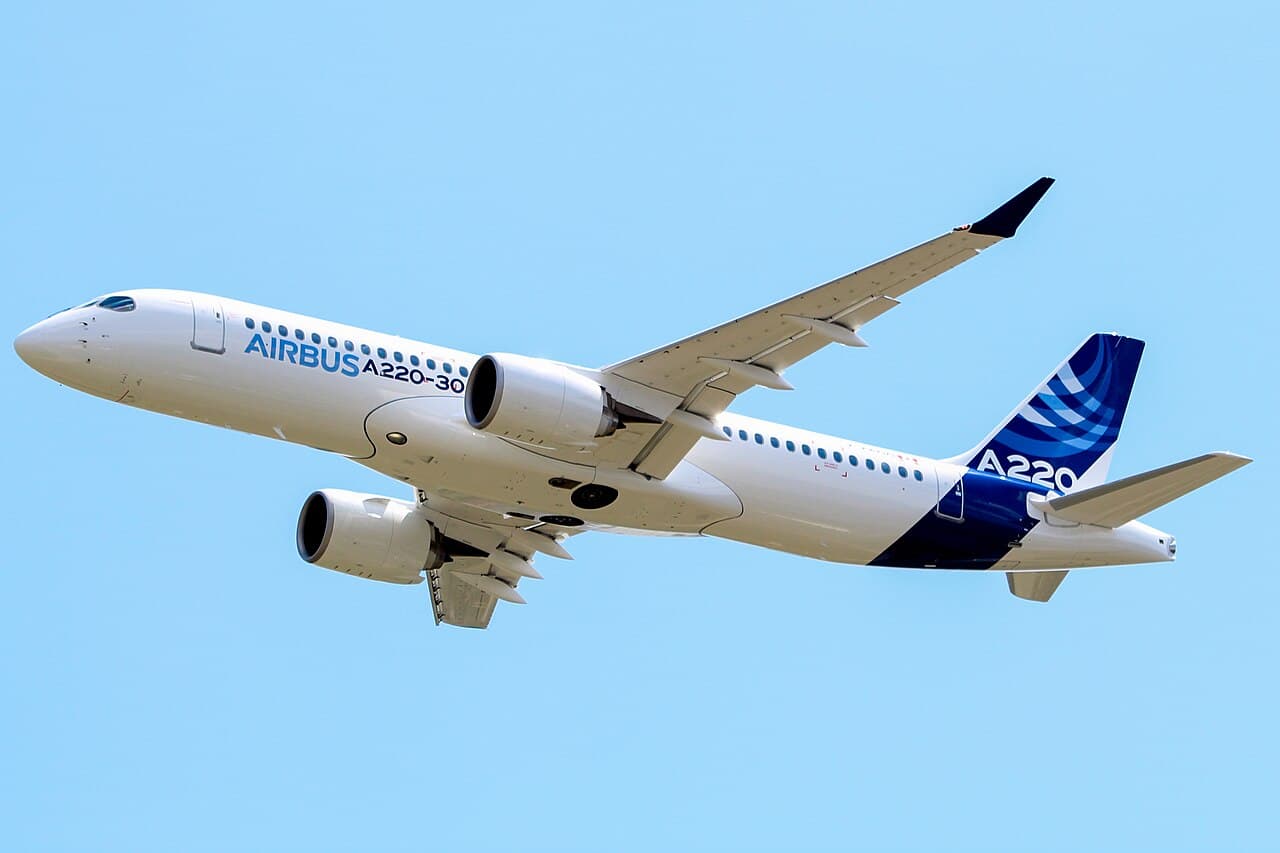
Latvian national airline airBaltic has taken a significant step to strengthen its position as a leading provider of international ACMI (Aircraft, Crew, Maintenance, and Insurance) services. ezstandalone.cmd.push(function () { ezstandalone.showAds(119); }); The carrier has established a fully owned subsidiary, airBaltic Switzerland, to support a more flexible and competitive pilot employment framework. This strategic move aims to enhance operational efficiency, attract international talent, and expand export revenues while maintaining high standards for its workforce. ezstandalone.cmd.push(function () { ezstandalone.showAds(127); }); Registered in May 2026 with a share capital of 20,000 Swiss francs, the new entity focuses on aviation personnel provision, including staffing and brokerage services. It primarily handles pilot employment and deployment for airBaltic’s growing ACMI operations across European partner bases. Addressing Pilot Needs and Operational Flexibility The improved model introduces a voluntary commuting roster. This allows pilots to report for duty from their home country rather than relocating to Baltic bases in Riga, Tallinn, or Vilnius. ezstandalone.cmd.push(function () { ezstandalone.showAds(128); }); The change responds directly to pilot feedback seeking better work-life balance and reduces the previous challenges of frequent commuting or long-term relocation. Under the new structure, pilots employed through the Swiss subsidiary can be assigned to ACMI bases in cities such as Vienna, Brussels, and Belgrade. ezstandalone.cmd.push(function () { ezstandalone.showAds(129); }); This proximity to operational hubs minimizes travel fatigue, improves scheduling predictability, and supports more balanced workloads across the network. Riga remains the airline’s primary operational centre and largest pilot employment hub. airBaltic officials emphasize that participation in the new model is entirely voluntary. It supplements—not replaces—the existing employment system in the Baltic states. Tax obligations for income remain in Latvia as per applicable regulations, while social security contributions follow Swiss rules. Driving Growth in ACMI Export Services ACMI operations form a vital and expanding part of airBaltic’s business. In 2025, the airline reported substantial growth in wet-lease activities, operating around 30,000 ACMI flights. This is a 14.5% increase year-on-year. ezstandalone.cmd.push(function () { ezstandalone.showAds(130); }); These services contributed approximately 20% of total revenue and helped partner airlines manage seasonal demand and capacity needs. By optimizing pilot deployment, airBaltic can offer more reliable and competitive ACMI solutions to European carriers. This flexibility allows better resource utilization throughout the year. It reduces costs associated with traditional expatriate assignments, and strengthens the airline’s competitiveness in the international market. ezstandalone.cmd.push(function () { ezstandalone.showAds(131); }); The strategy aligns with airBaltic’s broader growth ambitions. The carrier operates a young all-Airbus A220-300 fleet and continues to expand both scheduled services from the Baltics and ACMI capacity for partners, including Lufthansa Group airlines. Photo Credit: airBaltic Benefits for Pilots and the Aviation Sector This initiative enhances airBaltic’s appeal to experienced pilots across Europe. It combines with earlier improvements such as flexible rosters, competitive salary structures with predictable increases, and clear career progression paths. The initiative supports long-term talent retention and recruitment. For the wider Latvian and Baltic aviation industry, the move reinforces competitiveness. It generates export income, and optimizes fleet utilization. This positions airBaltic as a dynamic player capable of adapting to market demands while investing in its people. ezstandalone.cmd.push(function () { ezstandalone.showAds(132); }); As airBaltic continues fleet expansion toward a target of up to 100 aircraft, initiatives like the Swiss subsidiary demonstrate a forward-thinking approach. They balance operational excellence with employee well-being, ensuring sustainable growth in both scheduled and ACMI segments. By refining its pilot employment model through the new Swiss entity, airBaltic is better equipped to deliver high-quality ACMI services. This development benefits pilots, partner airlines, and the company’s long-term strategic objectives in a competitive European aviation landscape. ezstandalone.cmd.push(function () { ezstandalone.showAds(133); });