

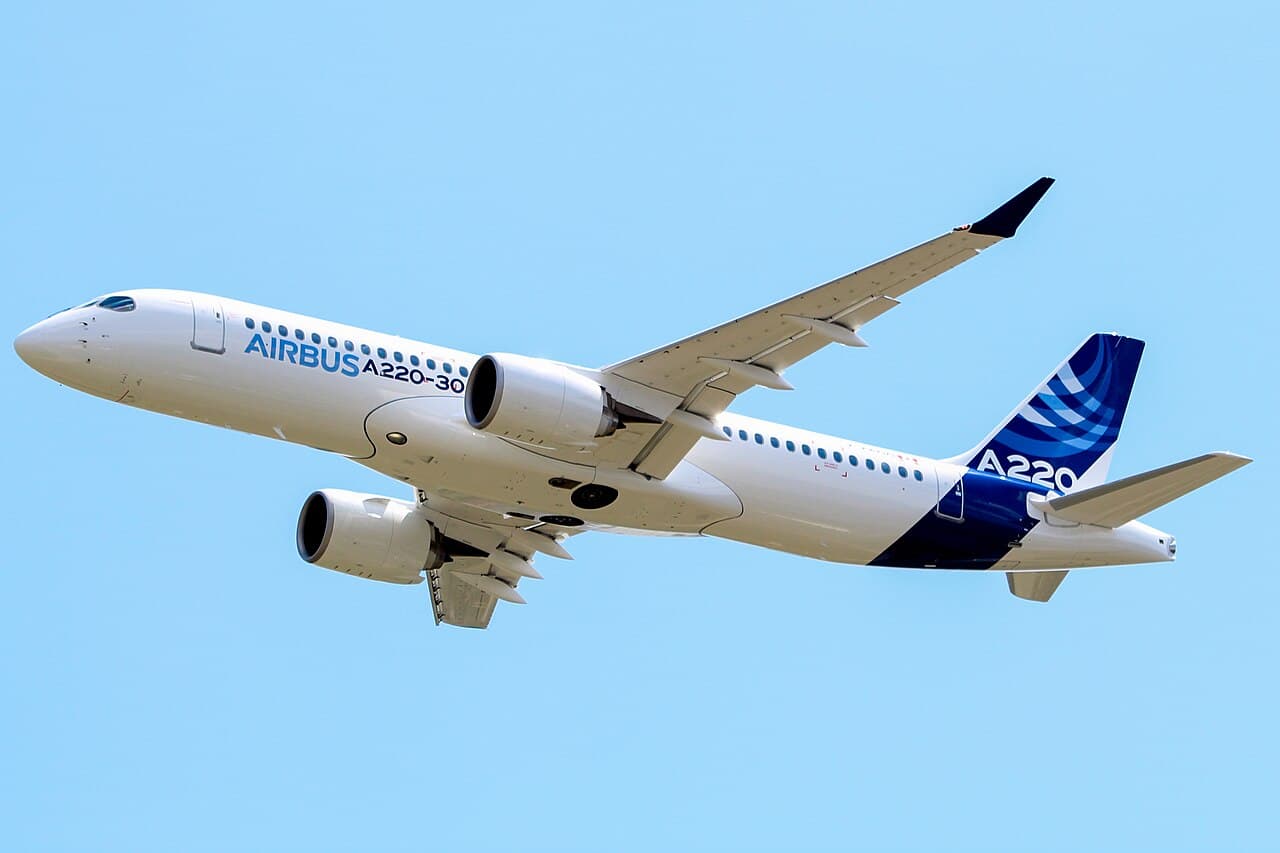
Image: Romain COUPY · CC BY-SA 4.0 · via Wikimedia Commons
airBaltic launches Swiss subsidiary to enhance ACMI pilot employment flexibility
Latvian carrier airBaltic formed airBaltic Switzerland to improve pilot employment terms and support expanding ACMI services across Europe.
The gist
airBaltic established a Swiss subsidiary to offer flexible pilot employment and grow its ACMI operations in Europe.
Latvian airline airBaltic has established a wholly owned subsidiary, airBaltic Switzerland, to bolster its position in the international ACMI (Aircraft, Crew, Maintenance, and Insurance) market. Registered in May 2026 with 20,000 Swiss francs in capital, the new entity specializes in aviation personnel provision, particularly pilot employment and brokerage for airBaltic's expanding wet-lease operations across European partner hubs.
The initiative introduces a voluntary commuting roster for pilots, allowing them to remain based in their home countries instead of relocating to Baltic bases such as Riga, Tallinn, or Vilnius. This model directly addresses pilot feedback seeking better work-life balance and helps mitigate issues related to frequent commuting and long-term relocation. Pilots under the Swiss subsidiary can be assigned to ACMI bases in cities including Vienna, Brussels, and Belgrade, closer to operational centers to reduce travel fatigue and improve schedule reliability.
Despite the new arrangement, Riga continues as airBaltic's main operational center and largest pilot employment hub. Participation in the Swiss subsidiary employment model is entirely optional, complementing rather than replacing the Baltic employment system. Income tax remains payable in Latvia per regulations, while social security contributions are made under Swiss jurisdiction, reflecting a hybrid compliance structure.
airBaltic's ACMI operations represent a fast-growing sector of its business, with the airline reporting around 30,000 ACMI flights in 2025, a 14.5% increase compared to the previous year. Approximately one-fifth of airBaltic's total revenue derives from these wet-lease services, which help partner airlines meet seasonal demand and capacity fluctuations. By optimizing pilot deployment, airBaltic aims to improve resource utilization year-round while reducing costs tied to expatriate arrangements.
The creation of airBaltic Switzerland aims to enhance competitive ACMI offerings by enabling more predictable pilot scheduling and decreasing operational expenses. This strategic flexibility fosters reliable wet-lease solutions for European carriers and strengthens airBaltic's position in the international ACMI market. The airline maintains a young fleet, exclusively Airbus A220-300s, servicing both its own scheduled routes and increasing ACMI partnerships, including with Lufthansa Group.
From a staffing perspective, airBaltic's new model supports experienced pilot recruitment and retention through voluntary commuting, flexible rosters, clear career paths, and competitive salaries with predictable increases. This approach aligns with airBaltic's broader goals to sustain long-term talent and create an appealing employment environment across Europe.
The subsidiary also contributes positively to the Baltic aviation sector by generating export income and enhancing fleet utilization, marking airBaltic as an adaptable and dynamic player capable of evolving with market demands. This step complements ongoing plans to grow the fleet towards a target of up to 100 aircraft, balancing operational efficiency with workforce satisfaction.
By refining pilot employment via the Swiss subsidiary, airBaltic pursues sustainable growth in both scheduled and ACMI markets. The model benefits pilots by offering improved work-life balance and partner airlines by providing dependable wet-lease services. This initiative advances airBaltic's strategic vision to excel competitively within Europe's aviation landscape.
Frequently asked questions
- What is the purpose of airBaltic establishing a Swiss subsidiary?
- To create a more flexible and competitive pilot employment framework that supports airBaltic's expanding ACMI operations across European partner bases.
- How does the new pilot employment model improve work-life balance?
- It introduces a voluntary commuting roster allowing pilots to work from their home countries instead of relocating to Baltic bases, reducing travel fatigue and improving scheduling predictability.
- What percentage of airBaltic's revenue did ACMI operations contribute in 2025?
- Approximately 20% of airBaltic's total revenue came from ACMI wet-lease services in 2025.
Read more
All MRO/Maintenance →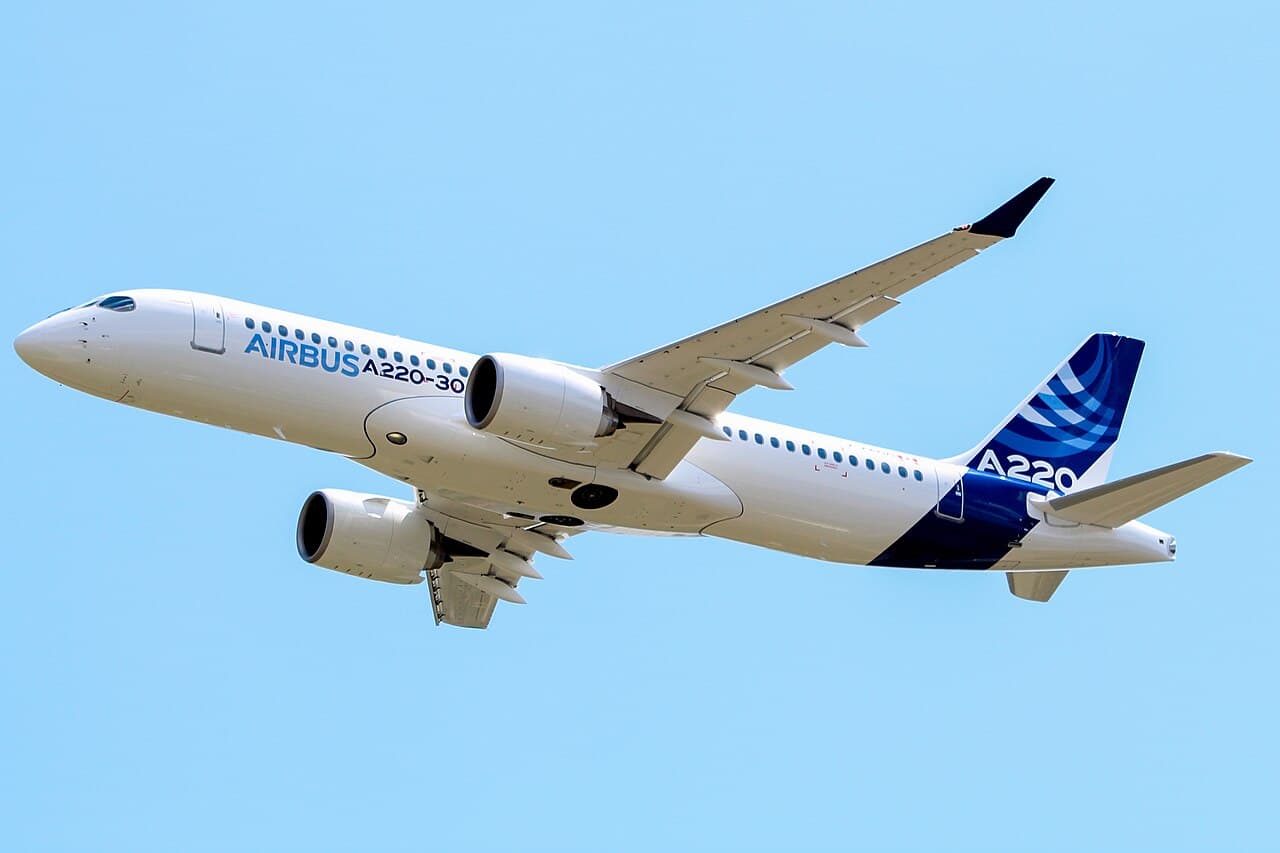
airBaltic Reports Record Passenger Numbers and Fleet Growth in First Half of 2026
Latvian national carrier airBaltic continues to demonstrate solid operational momentum, carrying 509,700 passengers across its network in June 2026. This figure marks a 2% increase compared to the same month in 2025. ezstandalone.cmd.push(function () { ezstandalone.showAds(119); }); The airline also operated 4,535 flights during the period, reflecting a healthy 6.2% year-on-year rise. Despite the passenger growth, the load factor for June stood at 81.9%, a 2.2 percentage point decline from the previous year. ezstandalone.cmd.push(function () { ezstandalone.showAds(127); }); This dip primarily resulted from expanded capacity, as the airline deployed more flights and seats to meet anticipated demand and strengthen its network. Record First-Half Performance The positive trend extended across the first six months of 2026. airBaltic transported a total of 2,454,900 passengers, achieving a 3.9% increase over the same period in 2025. ezstandalone.cmd.push(function () { ezstandalone.showAds(128); }); This represents the highest passenger volume ever recorded for the January-to-June timeframe. In parallel, the airline conducted 23,634 flights, up 5% year-on-year. These results highlight airBaltic’s successful recovery and expansion efforts. The airline has benefited significantly from improved fleet availability. ezstandalone.cmd.push(function () { ezstandalone.showAds(129); }); After resolving previous Pratt & Whitney engine-related challenges that grounded aircraft in prior periods, airBaltic now operates its full fleet of Airbus A220-300 jets without major limitations. This has enabled greater operational stability, higher capacity (measured in available seat kilometres), and the ability to run more reliable schedules. By mid-2026, the fleet has grown to around 55 A220-300 aircraft, supporting both scheduled network operations and ACMI (Aircraft, Crew, Maintenance, and Insurance) activities. The modern, fuel-efficient A220 fleet contributes to better cost management and an enhanced passenger experience, known for its comfort, quiet cabin, and large windows. ezstandalone.cmd.push(function () { ezstandalone.showAds(130); }); Photo Credit: airBaltic Expanding Connectivity and Customer Focus airBaltic plays a vital role in connecting the Baltic States (Latvia, Estonia, and Lithuania) to more than 80 destinations across Europe, the Middle East, North Africa, and the Caucasus region. Its extensive network makes travel more accessible and convenient for leisure and business passengers alike. Recent initiatives underscore this commitment. The airline has extended several routes into the winter season, such as Tallinn–Vienna and Vilnius–Berlin, turning them into year-round connections. It is also adding new routes for the 2026/2027 winter period, including services from holiday destinations like Gran Canaria and Tenerife to various European cities. ezstandalone.cmd.push(function () { ezstandalone.showAds(131); }); Customer satisfaction remains high. In its latest survey, airBaltic achieved a 97% overall satisfaction rate and saw its Net Promoter Score rise to +36. Strong scores for crew professionalism, onboard comfort, and service quality reflect the airline’s focus on delivering a premium experience even in a competitive market. Supporting Regional Growth As a key economic driver, airBaltic facilitates tourism, business travel, and trade links that boost the broader Baltic economy. Its operations create jobs, stimulate inbound tourism, and provide essential connectivity for the region’s residents and visitors. ezstandalone.cmd.push(function () { ezstandalone.showAds(132); }); While the aviation industry faces challenges such as fluctuating fuel prices and economic pressures, airBaltic’s traffic figures for mid-2026 signal resilience. With full fleet utilization, network expansion, and a customer-centric approach, the airline is well-positioned to build on this momentum in the coming months.
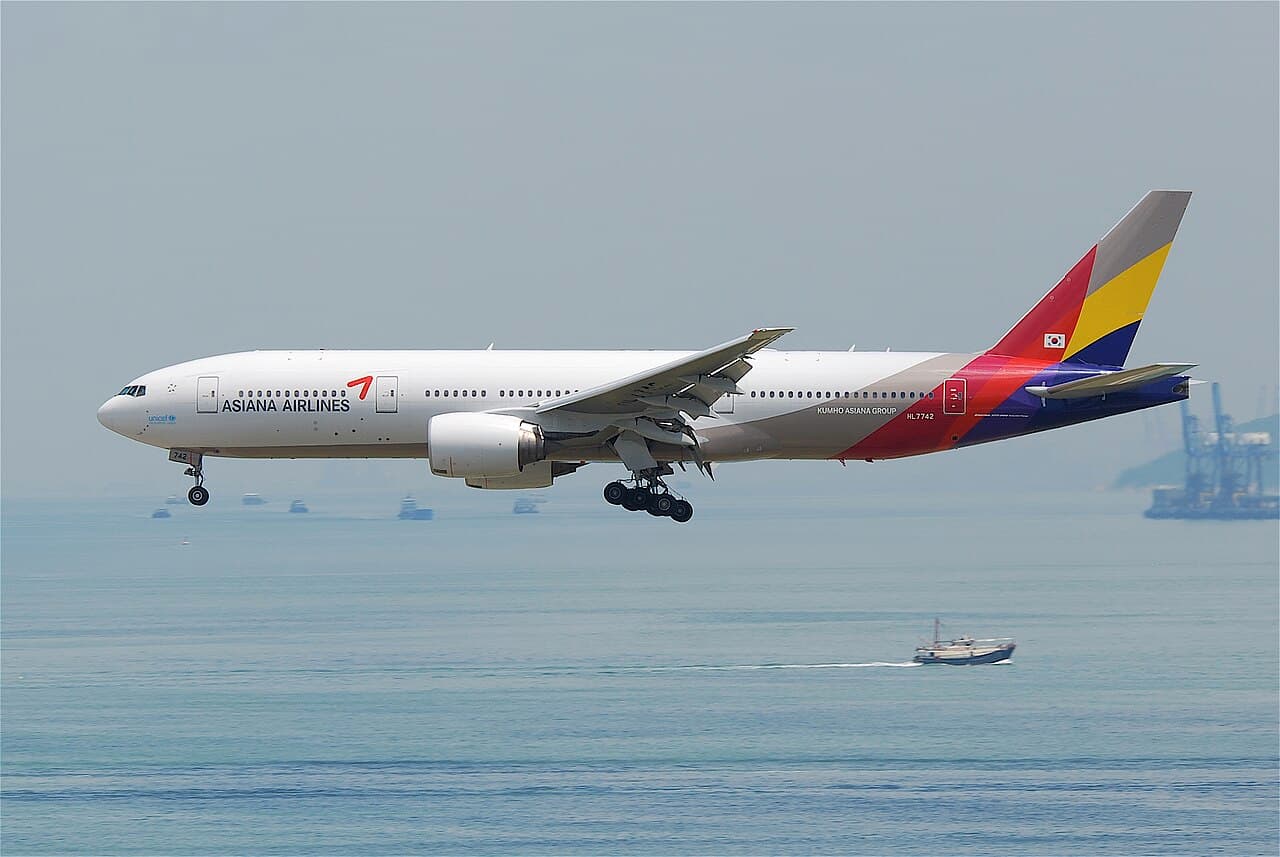
Emirates Invests $5 Billion to Revamp Business Class on Twin-Engine Fleet
Few airlines have been successful in maintaining an uncompromised premium customer experience quite like Emirates , but even the greats make mistakes. Emirates is currently delivering a massive, multibillion-dollar fleet modernization strategy designed to comprehensively overhaul its long-haul passenger experience. This guide looks deep into this massive investment program, outlining how the Gulf carrier is re-engineering its fleet to preserve its competitive edge in the global premium travel sector, in the face of growing opposition from all directions.
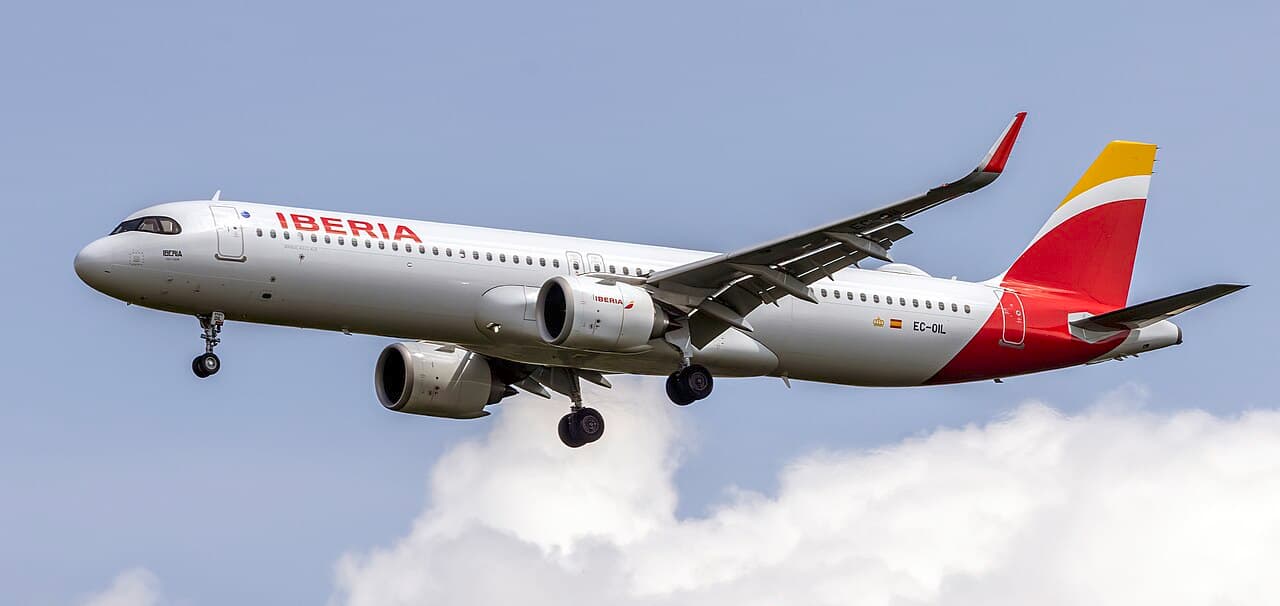
LATAM Advances Premium Experience with New Cabins, Wi-Fi, and A321XLR Fleet Expansion
Not only is LATAM Airlines Group the largest airline group in South America, but it has also been making a number of investments aimed at positioning itself as a contender to become one of the world's best. The Latin American carrier has ordered new aircraft to cover the different market segments in which it operates, from A321XLRs to complement its existing widebody fleet to Embraer E195s aimed at boosting connectivity within the region. But the key to these ambitions is also a sweeping overhaul of the passenger experience. This spans from new premium cabins and the roll out of Wi-Fi connectivity across the long-haul fleet, and to an updated onboard catering and service concept, the launch of new amenity kits and a revamped network of LATAM lounges at all its main hubs. To learn more about what LATAM Airlines has in store, AeroTime sat down with the man who is overseeing this transformation, Paulo Miranda, Group Executive Vice President, Chief Experience Brand and Customer Officer at LATAM, on the sidelines of the 82nd IATA Annual General Meeting (AGM) in Rio de Janeiro, an event that was hosted by LATAM. "We are an airline based in South America, but we play at a global level, so we're making several investments to keep improving customer experience," he said. "For example, we're moving forward with all the changes to our Premium Business cabins. "We're modernizing the cabin with suites, where we have the 1-2-1 configuration and all passengers have aisle access," Miranda said, referring to the ongoing retrofit of the airline's long-haul business class cabin, a multi-year project that began in 2019/20. When it comes to cabin revamp, the next big project at LATAM is the launch of a new Premium Economy product, which will be called "Premium Comfort". "We're going to implement an intermediate cabin between business and economy, which comes with seats that also have more space, and a slightly different configuration," he said. "We also keep making regular renovations on our aircraft interiors. On top of this, we have the Wi-Fi investment. On single-aisle aircraft we already have about 95% installed, and we're now in the process of installing Wi-Fi on the third widebody aircraft." "The vision, obviously, is to cover the whole fleet," he added. "This is something that should be finished by the end of 2027." Many major airlines have opted for SpaceX's Starlink system, which is based entirely on a constellation of low Earth orbit (LEO) satellites. However, LATAM Airlines announced ViaSat as its partner for the carrier's US$60 million project, which will see its entire long-haul fleet of 60 aircraft fitted with satellite-based connectivity. The first of these internet-fitted aircraft entered service in April 2026. "I think these are obviously technologies that have something different from one another, but I believe the vision for the future of connectivity ultimately involves multi-orbit connections," Miranda said. "It won't be all LEO or all GEO [Geostationary Orbit, when a satellite remains at the same spot relative to the Earth – ed. note], there will be some kind of combination because there are areas where one can optimize the network better and that's a bit the direction we're looking at continuing in." Placing choice at the center The aim of these investments is to consolidate LATAM's role as the carrier of reference in much of South America and successfully defend its share. "We carry approximately 40% of all the passengers who travel within the region and when you look at South America relative to the [rest of the] world, I think we're at between 20 to 30% of all the people who come to the region," Miranda said. "Now, within our value proposition we have something very specific that we call "Choice", which means that you choose how you want to fly. So, in markets where we face competition from low-cost airlines, customers can choose a simpler fare, one with no checked bag, no extras, if that suits them," he continued. "But on that same route we also offer customers who want a more differentiated product what we call Premium Economy in South America, but it's very similar to European Business-class fares, with the first rows of the aircraft having the middle seat blocked and more space." Miranda is also keenly awaiting the arrival of the 13 A321XLRs LATAM ordered from Airbus at the 2022 Farnborough International Airshow. These long-range narrowbody aircraft open up many possibilities for LATAM when tapping new international markets. LATAM's A321XLRs were initially earmarked to operate from Lima (LIM), Perú, but after the introduction of air connectivity taxes by the Peruvian government, the airline's CEO, Roberto Alvo, suggested they may be deployed elsewhere. During a 2025 Executive Spotlight interview with AeroTime, Alvo referred to the potential of the A321XLR to develop links to Europe and the US from Brazilian cities such as Brasilia and Fortaleza. "The big change that's coming for us when it comes to narrowbody aircraft is the arrival of the A321XLR in 2027," Miranda said. "Our vision with this aircraft is that it will fly longer routes, over eight hours or so. So, we're configuring with two-classes and Premium Business seats [LATAM's business class suites – ed. note], 12 lie-flat seats." Another new type of aircraft soon to be inducted into service by LATAM is the Embraer E195. The airline group ordered up to 74 of the aircraft type in September 2025, the first of which AeroTime saw being readied for delivery during a trip to the Brazilian manufacturer's plant in Sao José dos Campos in June 2026. "These will fly first and primarily within Brazil. We're looking at it as an opportunity for new markets in Brazil, in smaller cities, and also to complement some routes we already have," Miranda stated, adding that the aircraft will feature a single cabin, with some seats offering extra space. "We'll have what we're going to call Premium Economy [not to be confused with 'Premium Comfort', the premium economy product LATAM is planning to offer on long-haul flights as an intermediate class between business and economy – ed. note] because we'll have a differentiated space in the first rows, but that's it." Investing in the soft product Besides the investment in new aircraft and cabins, LATAM has also conducted a thorough revamp of other elements of its business class experience. "We had a launch on December 1, 2025, where we relaunched everything related to the business cabin on all of our international flights," Miranda said. "There's a whole story behind it. We drew a lot of inspiration from the region itself, from its colors, themes, with variations throughout." Miranda then detailed the different elements of the service that have been upgraded. "We structured our catering service into three steps, so that the customer can really enjoy it – appetizer, main, dessert – and we also changed the blankets, the pillows, and the amenity kits, which are also inspired by the region," he said. "We wanted everyone to take a little piece of it with them after our journey with us. The feedback from customers has been really good. They are loving it." Next. Miranda delved further into the service novelties LATAM has recently introduced. "One thing we have done that I love is that we have had several partnerships with chefs from the region to design the meals," he said. "We chose female chefs who are very talented but not yet famous because we wanted to create space within our environment for them to keep developing. About 70–80% of the world's famous chefs are men, so it's an opportunity to give space and exposure to very talented people." Miranda also takes pride in the airline's inflight entertainment (IFE) platform, called "LATAM Play", which offers access to hundreds of audiovisual productions. He explained: "We have by far the best IFE platform in the region, and [it is] very comparable to the best in global aviation." This platform is available on seatback
flynas expands Airbus fleet with 25 new A330-900 and A321neo jets
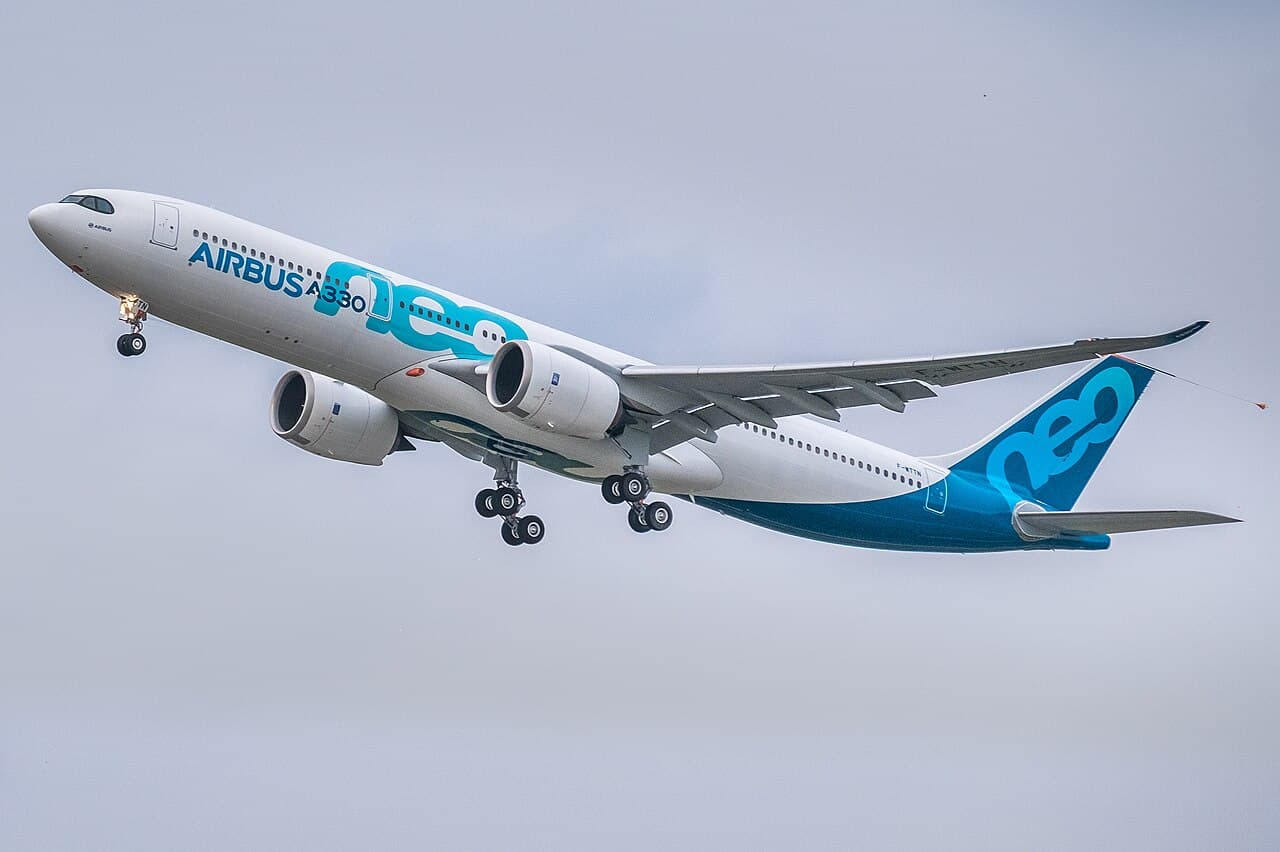
Saudi Arabia’s leading low-cost carrier, flynas, has firmed up a significant new order with Airbus. Announced at the Farnborough Airshow on 22 July 2026, the deal includes five additional A330-900 widebody aircraft and 20 more A321neo narrowbody jets. ezstandalone.cmd.push(function () { ezstandalone.showAds(119); }); This move boosts flynas’ expansion plans and deepens its long-term partnership with Airbus. The latest commitment raises flynas’ total orders for the A330neo family to 20 aircraft. It also increases its A321neo orders to 56. ezstandalone.cmd.push(function () { ezstandalone.showAds(127); }); Overall, the airline now holds firm commitments for 235 Airbus aircraft out of a broader orderbook of 280. This all-Airbus strategy supports efficient operations as demand for air travel grows across the Kingdom and beyond. Supporting Saudi Arabia’s Ambitious Growth Vision flynas currently operates 67 Airbus aircraft, including two A330-300s, four A320ceos, and 61 A320neos. The new orders will help the airline expand from its six operating bases in Saudi Arabia. They also strengthen capabilities for flynas Syria and open doors to new domestic, regional, and long-haul routes. ezstandalone.cmd.push(function () { ezstandalone.showAds(128); }); Bander Almohanna, Chief Executive Officer and Managing Director of flynas , highlighted the strategic importance of the deal. “This step is aimed at ensuring the sustainable growth of the flynas fleet over the coming years,” he said. Almohanna noted that the additional aircraft will improve access to new markets. They will also reinforce flynas’ role in advancing Saudi Arabia as a global tourism and travel hub. ezstandalone.cmd.push(function () { ezstandalone.showAds(129); }); The order directly supports key national goals. These include the Pilgrim Experience Program, which improves access to the Two Holy Mosques. It also aligns with major upcoming events such as Expo 2030 and the FIFA World Cup 2034. By increasing capacity, flynas contributes to the Kingdom’s economic transformation and Vision 2030 objectives. Photo Credit: flynas Performance Benefits of New Aircraft Airbus’ latest-generation aircraft deliver strong advantages for a low-cost carrier like flynas. The A321neo, the largest member of the popular A320neo Family, provides excellent operating economics and extended range. ezstandalone.cmd.push(function () { ezstandalone.showAds(130); }); This flexibility allows airlines to serve a wide variety of regional and medium-haul routes efficiently. Operators enjoy at least 20% lower fuel consumption and CO₂ emissions compared to previous-generation models. These savings help reduce costs while supporting environmental targets. The A330-900, powered by Rolls-Royce Trent 7000 engines, offers even greater capabilities. It can fly up to 8,100 nautical miles (15,000 kilometres) non-stop. ezstandalone.cmd.push(function () { ezstandalone.showAds(131); }); The aircraft also achieves around 25% lower fuel burn, CO₂ emissions, and operating costs versus older competitor widebodies. Passengers benefit from enhanced comfort on longer journeys. Benoît de Saint-Exupéry, Airbus Executive Vice President Sales of Commercial Aircraft , welcomed the order. “This additional order from flynas highlights the continued appeal of Airbus’ latest-generation aircraft,” he said. “The A321neo and A330neo deliver outstanding efficiency, performance and passenger comfort. We are delighted to support the Kingdom of Saudi Arabia as it continues its ambitious aviation growth journey.” ezstandalone.cmd.push(function () { ezstandalone.showAds(132); }); Photo Credit: flynas A Growing Partnership in a Booming Market This deal reflects the rapid expansion of Saudi Arabia’s aviation sector. Airlines in the Kingdom are placing large orders to meet rising tourism numbers and economic diversification goals. flynas’ commitment to an all-Airbus fleet ensures high reliability, common pilot training, and maintenance efficiencies across its growing network. As Saudi Arabia positions itself as a major global travel destination, carriers like flynas play a vital role. The combination of narrowbody flexibility for shorter routes and widebody range for long-haul services creates a balanced fleet ready for future demand. ezstandalone.cmd.push(function () { ezstandalone.showAds(133); }); The firming up of these options into firm orders demonstrates strong confidence in both the aircraft and the market outlook. With modern, fuel-efficient planes, flynas is well-positioned to grow sustainably while offering affordable fares and reliable service to passengers across the region and further afield. This latest agreement marks another milestone in flynas’ journey. It reinforces Airbus’ strong presence in the Middle East and underscores the bright future for aviation in Saudi Arabia. ezstandalone.cmd.push(function () { ezstandalone.showAds(134); });
The Daily Touch & Go
The day's best aviation news in your inbox. Free, no spam.