ITA Airways pioneers virtual-reality and robotic arm training for A220 and A321neo doors
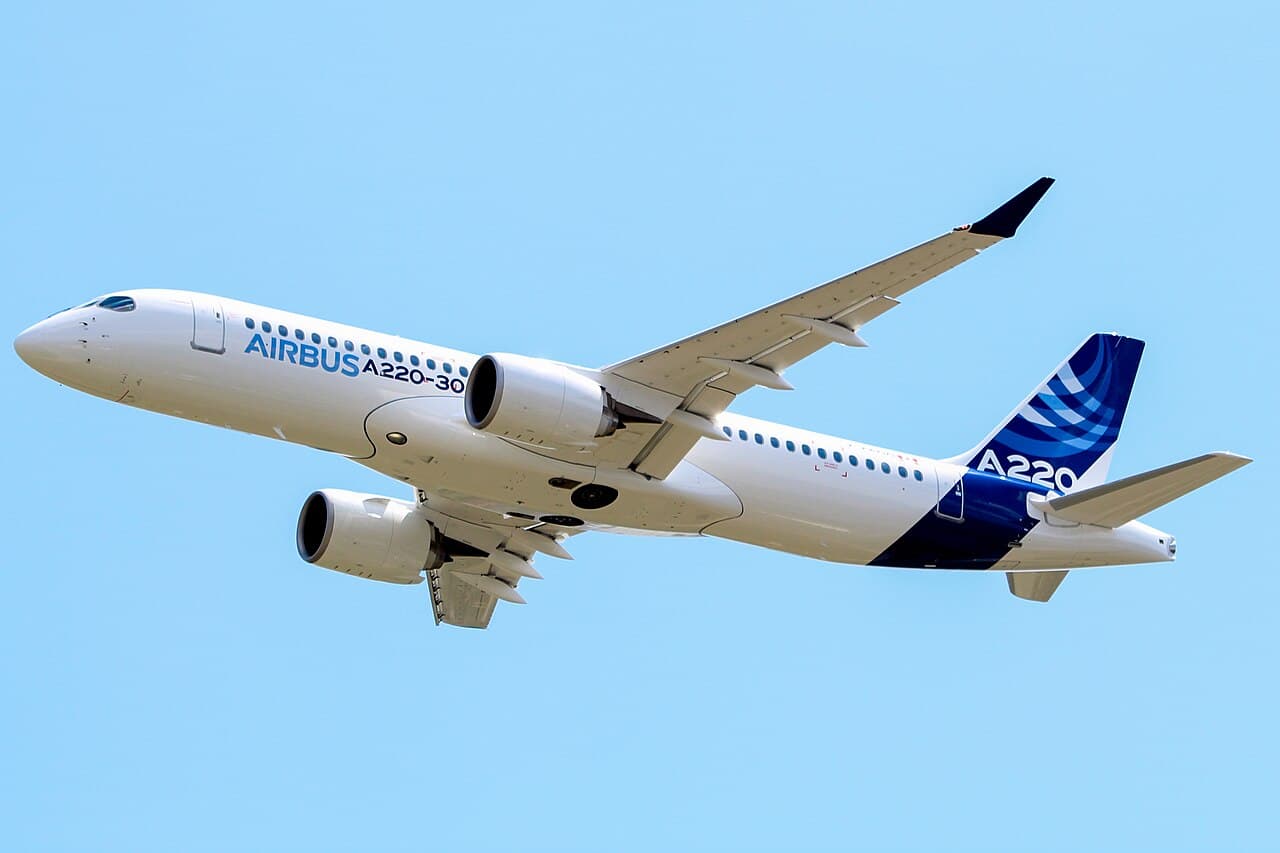
Italian carrier to avoid need for full-size mock-ups by using device to simulate A220 and A321neo exits. Italian carrier ITA Airways is to use virtual-reality training for cabin crew door procedures, with the aid of a programmable robotic arm. The carrier says it will be the first airline in Europe to adopt the system for Airbus A220 as well as A321neo exit training, replacing the traditional full-size doors normally required. Its robotic arm is designed to reproduce the weight, pressure and movement associated with the opening and closing of the doors. This physical action is combined with virtual-reality headsets to simulate the 3D environment – including the cabin, the exits and the door controls, as well as sounds. ITA says it could extend the capability to other aircraft types in its fleet "Mixed reality allows us to overcome the limitations of traditional training and create highly realistic, adaptable, and safe training experiences," says chief operations officer Marzio Caneva. He adds that the carrier is "rethinking" the development of "critical skills" with the technology. The arm can expand the range of training scenarios without modifying physical equipment, and replicate malfunctions and complex events, all while reducing the space needed. Danish-based specialist AirVR has developed the system. It says the equipment is customised to airlines' individual procedures, and creating a "digital twin" of the galley or overwing exit area, with door operation based on hand-tracking technology.