

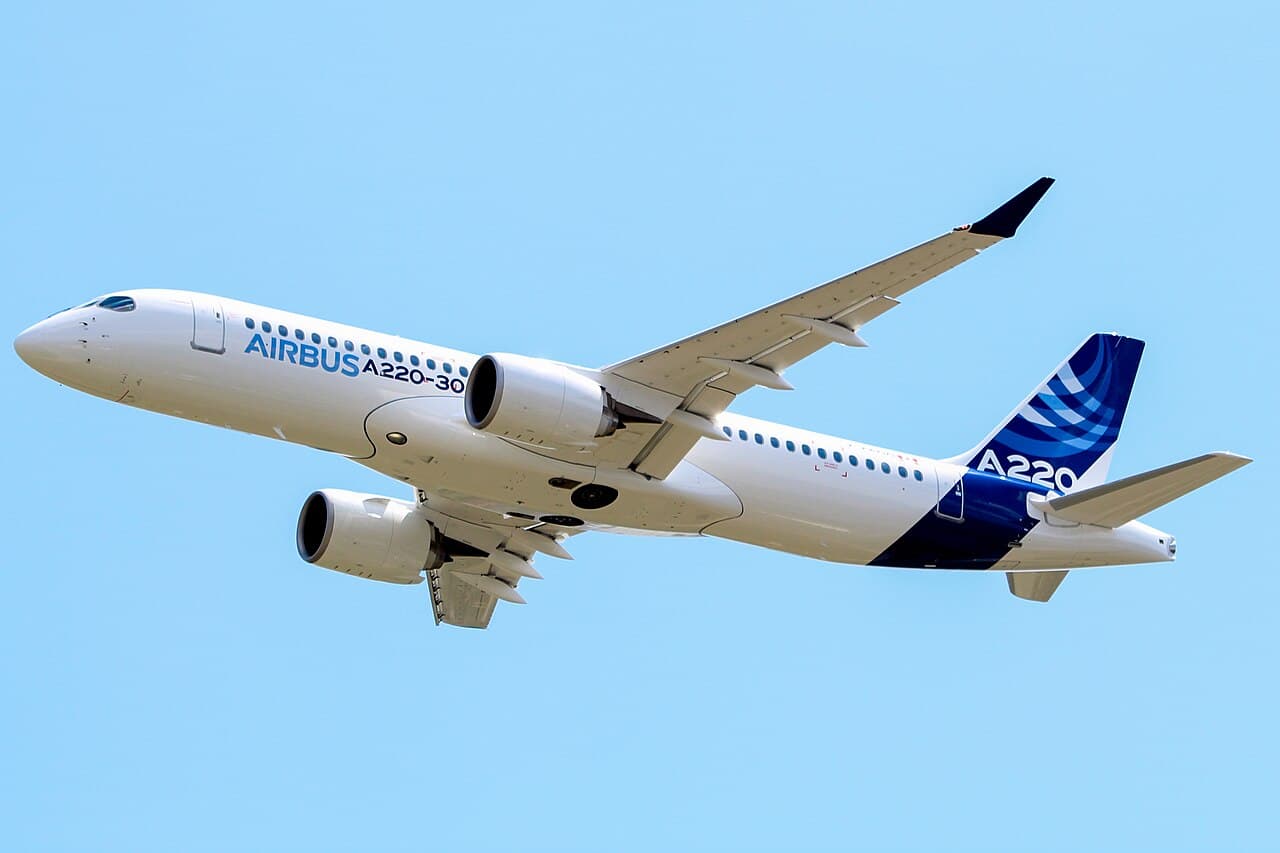
Image: Romain COUPY · CC BY-SA 4.0 · via Wikimedia Commons
ITA Airways pioneers virtual-reality and robotic arm training for A220 and A321neo doors
ITA Airways introduces a virtual-reality and programmable robotic arm system to train cabin crew on Airbus A220 and A321neo door procedures, replacing traditional full-size mock-ups.
The gist
ITA Airways leads in Europe with VR and robotic arm training for cabin crew door operation on A220 and A321neo aircraft.
Continuing coverage
All Airbus A321neo →- United Airlines Expands Airbus A321neo Orders Amid Boeing 737 MAX 10 Delays
- Delta Air Lines Relies on Older Boeing Jets Amid Airbus Engine Groundings
- American Airlines A321neo Exit Row Offers More Legroom Than Domestic First Class
- Turkish Airlines Subsidiary AJet Leases Five New Airbus A321neos from BOC Aviation
- Viva Uses First JOLCO Financing to Acquire New A321neo Amid Liquidity Focus
Italian airline ITA Airways is set to revolutionize cabin crew training by adopting an innovative virtual-reality system coupled with a programmable robotic arm to simulate door operations on Airbus A220 and A321neo aircraft. This new training method will replace the conventional use of full-size physical door mock-ups, which have been standard in the industry for years. The carrier claims to be the first in Europe to implement this technology for these specific aircraft types, signaling a notable advancement in crew training techniques.
The robotic arm is engineered to replicate the physical characteristics of cabin doors, including their weight, required pressure, and range of movement during opening and closing procedures. When combined with virtual-reality (VR) headsets, cabin crew members can immerse themselves in a three-dimensional digital environment that accurately portrays the cabin layout, including the emergency exits, door controls, and ambient sounds. This immersive approach provides a detailed simulation of normal and emergency door operations without the logistical challenges of maintaining large physical mock-ups.
Chief Operations Officer Marzio Caneva emphasized the transformative potential of mixed reality for training. He noted that this technology allows ITA Airways to move beyond traditional limitations by delivering safe, adaptable, and highly realistic training scenarios. According to Caneva, the airline is rethinking how critical skills are developed in cabin crew, leveraging the digital tools to enhance proficiency in door operation procedures crucial for passenger safety.
One significant advantage of the robotic arm and VR setup is its flexibility. The system can easily extend its training capabilities to other aircraft types within ITA Airways’ fleet, eliminating the need for multiple physical simulators. Furthermore, the robotic arm can simulate complex scenarios such as door malfunctions, which would be difficult or impossible to recreate safely with physical mock-ups. This capability broadens the scope of training possibilities, preparing crew for a wider range of situations without increasing physical infrastructure.
The space savings offered by this new setup represent another key benefit. Traditional full-scale door mock-ups require extensive floor area and careful maintenance. The compact, programmable robotic arm used in conjunction with VR headsets reduces the footprint required for training centers, allowing ITA Airways to optimize training environments and potentially reduce related costs. This streamlined approach supports efficient scheduling of recurrent training sessions vital for regulatory compliance.
Development of the system has been led by Danish company AirVR, a specialist in immersive aviation training technology. AirVR customizes the equipment to reflect each airline’s unique procedures. The company creates digital twins of specific aircraft areas, such as galleys and overwing exits, which integrate hand-tracking technology to provide realistic door manipulation experiences. This precise customization ensures that ITA Airways’ cabin crew receive relevant and procedure-specific instruction directly applicable to their daily operations.
By deploying this system, ITA Airways positions itself at the forefront of cabin crew safety training tech in Europe. The blend of virtual reality and robotic actuation offers a compelling alternative to traditional methods, enhancing operational readiness and crew confidence. The airline’s initiative could serve as a model for other carriers seeking innovative training solutions that are both cost-effective and scalable across diverse fleets.
This advancement also ties into broader trends in aviation training technologies, where integration of digital tools aims to elevate safety and efficiency. As regulatory bodies and airlines increasingly look to new technologies for better training outcomes, ITA Airways’ adoption of VR and robotic arm systems illustrates a tangible step toward modernizing cabin crew preparation practices.
The move will likely attract attention from training and regulatory sectors, as airlines balance the demands of comprehensive safety education with operational constraints. ITA Airways’ pioneering deployment will provide valuable data and experience on the effectiveness and adaptability of mixed-reality door training, potentially influencing future industry standards for cabin crew instruction.
Frequently asked questions
- How does ITA Airways plan to replace traditional cabin crew door training?
- ITA Airways will use virtual reality combined with a programmable robotic arm to simulate Airbus A220 and A321neo door procedures, eliminating the need for full-size physical door mock-ups.
- What benefits does the robotic arm and virtual reality training system offer?
- It replicates the weight, pressure, and movement of aircraft doors, allows immersive 3D simulations including malfunctions, reduces training space requirements, and can adapt to different aircraft types.
- Who developed the new cabin crew training system used by ITA Airways?
- The system was developed by Danish-based specialist AirVR, which customizes equipment with hand-tracking and digital twins of aircraft exit areas according to airline procedures.
Read more
All Aviation Safety →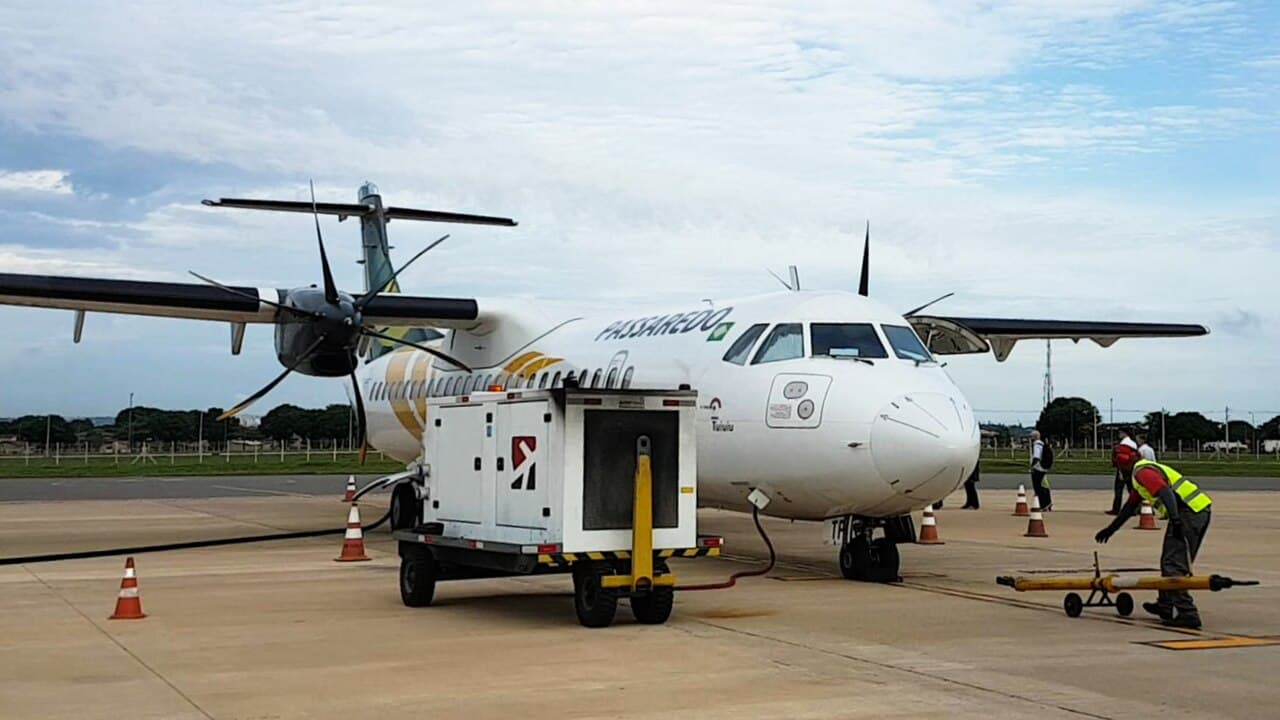
Final Investigation Reveals Multiple Failures in Voepass Flight 2283 Crash
The final report on the tragic Voepass Flight 2283 accident was released on July 23, 2026. Brazil’s CENIPA (Center for Investigation and Prevention of Aeronautical Accidents) spent nearly two years examining the crash that killed all 62 people on board. ezstandalone.cmd.push(function () { ezstandalone.showAds(119); }); The document reveals a chain of failures involving severe icing, crew actions, company practices, and regulatory gaps. What Happened in the Voepass Accident On August 9, 2024, an ATR 72-500 turboprop departed from Cascavel, Paraná, heading to São Paulo’s Guarulhos Airport. The aircraft encountered severe icing conditions during cruise. ezstandalone.cmd.push(function () { ezstandalone.showAds(127); }); Ice buildup degraded its performance, causing a stall and an unrecoverable flat spin. The plane crashed in a residential area of Vinhedo, São Paulo. Sadly, none of the 58 passengers and four crew members survived. CENIPA’s 266-page report identifies 19 contributing factors. It does not blame one single cause. Instead, it shows how multiple issues combined to create the disaster. ezstandalone.cmd.push(function () { ezstandalone.showAds(128); }); Initial Accident Report Severe Icing and Aircraft Problems The report confirms the plane flew through conditions highly favourable to heavy ice formation. The airframe de-icing system was already known to have issues. Investigators found the aircraft should not have been dispatched for this flight. It operated with about 10 inoperative items, including a faulty windshield wiper—a “No-Go” item given the weather forecast. ezstandalone.cmd.push(function () { ezstandalone.showAds(129); }); Previous flights showed recurring de-icing problems. However, crews often failed to log these faults properly. This practice hid the chronic nature of the defects and delayed proper repairs. Crew Actions and Human Factors Cockpit voice recordings revealed that pilots discussed personal topics during critical phases. This distraction contributed to “inattentional blindness.” The crew received multiple alerts: ice detection warnings, “Cruise Speed Low” (sounded about eight times), and “Degraded Performance.” They recognized ice accumulation but did not exit the area promptly or follow manufacturer procedures for minimum safe speeds. When the stall occurred, incorrect control inputs worsened the situation. The report notes the de-icing system was cycled on and off during the flight. ezstandalone.cmd.push(function () { ezstandalone.showAds(130); }); Details of Preliminary Report Company Culture and Maintenance Issues A major finding points to Voepass’s organizational culture. The airline tolerated a “normalization of deviations.” Mechanics and pilots frequently avoided recording problems to keep aircraft flying and meet schedules. Analysis of over 1,200 previous flights confirmed this pattern across multiple crews. Pressure to maintain operations, staff shortages, and fatigue contributed to poor maintenance discipline. Planes were sometimes released in degraded condition. ezstandalone.cmd.push(function () { ezstandalone.showAds(131); }); Regulatory Oversight Shortcomings The report also criticizes Brazil’s civil aviation authority, ANAC. Auditors had identified maintenance and safety issues at Voepass between 2022 and 2024. While some sanctions were applied, these actions proved insufficient to eliminate the risks. Aftermath and Recommendations Following the accident, authorities suspended Voepass operations and later revoked its air operator certificate. CENIPA issued safety recommendations to the airline, ANAC, aircraft manufacturer ATR, and European regulators. These aim to improve de-icing procedures, maintenance logging, crew training, and oversight. The investigation remains technical and preventive. Separate criminal inquiries continue. ezstandalone.cmd.push(function () { ezstandalone.showAds(132); }); VOEPASS Linhas Aéreas, CC BY-SA 4.0 via Wikimedia Commons Lessons for Aviation Safety The Voepass accident final report serves as a stark reminder that disasters often result from many small failures aligning. It highlights the importance of strong safety cultures, proper maintenance reporting, and effective regulatory action. Aviation authorities worldwide can use these findings to strengthen procedures and prevent similar tragedies. Families of the victims and the industry now hope the recommendations lead to real change. Safety must always come before schedules and profits. ezstandalone.cmd.push(function () { ezstandalone.showAds(133); });
American Airlines Boeing 787 Diverts to Dublin After Multiple Flight Attendants Fall Ill Mid-Flight
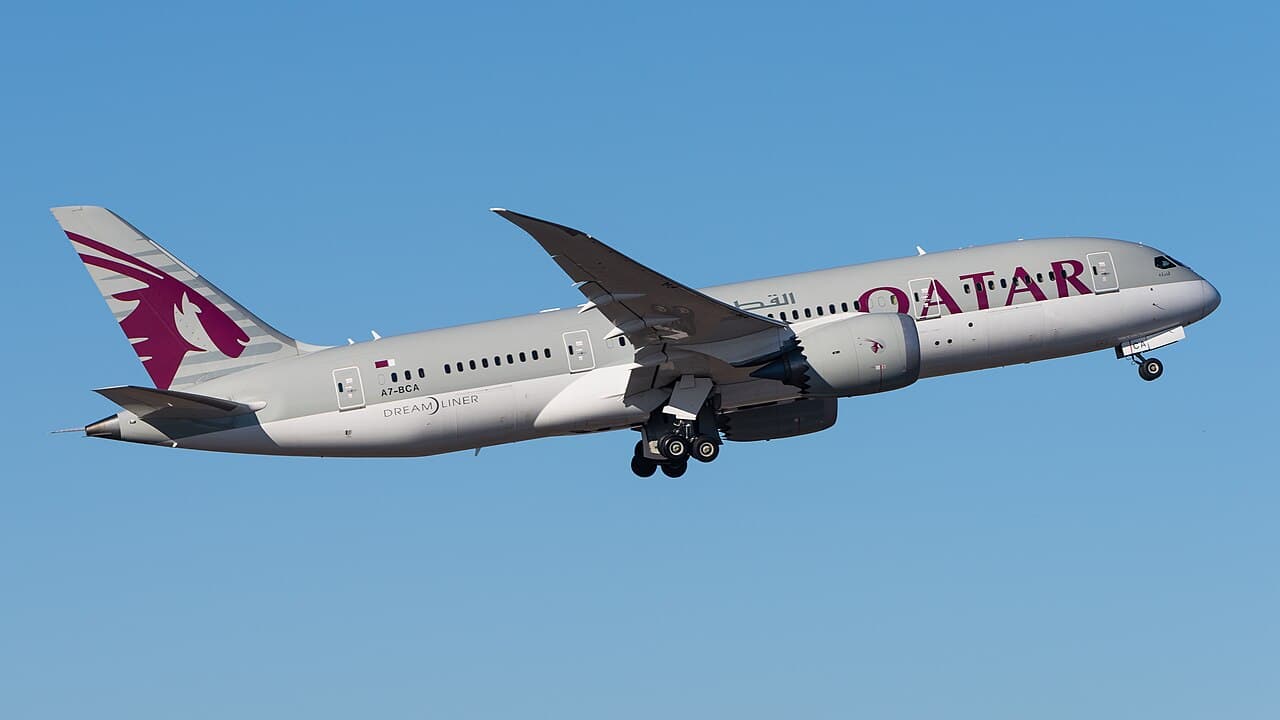
An American Airlines Boeing 787-9 Dreamliner with as many as 284 passengers on board made an emergency landing in Dublin, Ireland, on Saturday afternoon after six of the eight flight attendants on the service from Rome to Philadelphia reportedly felt ill as the plane started its transatlantic service. American Airlines flight AA-719 departed Rome Fiumicino International Airport just before 1 pm local time on July 25 for what should have been a routine eight-and-a-half-hour flight across the pond to the carrier’s Philadelphia hub. Flight Radar 24 shows how American Airlines 719 from Rome to Philadelphia ended up diverting to Dublin on July 25. Data from the light tracking website Flight Radar 24 shows that the seven-year-old aircraft climbed to a cruising altitude of around 38,000 feet as it tracked over France and over the Atlantic Ocean, before the pilots suddenly turned towards Ireland around three hours into the flight. The reason given to air traffic control for the sudden diversion was a medical emergency, although the exact details of what kind of medical episode was taking place weren’t immediately revealed. Sources cited by trusted aviation insider JonNYC on X have, however, reported that six of the flight attendants started to feel dizzy and ill as the plane flew over the Atlantic. Although none of the crew members are believed to have been incapacitated, the pilots decided that the flight couldn’t continue with so many flight attendants feeling ill all at once. The plane landed safely in Dublin on Saturday afternoon, but with no replacement crew to take the passengers to Philadelphia, and the cause of the illness amongst the flight attendants still a mystery, American Airlines had no other option but to cancel the onward flight. on this, I'm told– 100% UNCONFIRMED– "AA 719. Flight divert after 6 of 9 FA's felt dizzy / ill." 100% unconfirmed. https://t.co/2uBxohJ0Bn — JonNYC (@xJonNYC) July 25, 2026 American Airlines has been contacted for comment, but had not responded by the time of publication. There are several potential causes for this sudden mass sickness amongst the flight attendants, although some type of ‘toxic’ fume event (a term that the airline industry prefers to call an ‘odor’ event) is the least likely, given that this flight was operated by a Boeing 787. The Dreamliner is the only commercial passenger aircraft that does not use the so-called ‘bleed air’ system to feed air into the cabin from the outside. The term bleed air is derived from the fact that some of the air being sucked into the engines is then bled into the air conditioning system. This method of delivering fresh air into the passenger cabin has been criticized as campaigners claim the air can become contaminated with vaporized engine oil or other contaminants from the engine, which can make passengers and crew sick if it is fed into the cabin. The more likely cause for this diversion is a fault with the air conditioning packs that supply the air into the cabin. If even one of these packs stops working, the levels of oxygen in the cabin can drop to the point that passengers and crew could start feeling the early symptoms of hypoxia. This wouldn’t necessarily be bad enough to trigger a depressurization emergency, but it would be enough for people to start feeling dizzy, light-headed, and potentially even clumsy and euphoric. This kind of fault is much more likely to affect flight attendants rather than the passengers because they are up and about, running a busy meal service, meaning their bodies require more oxygen to function normally. Another potential cause, although highly unusual, could be a chemical leak from a spilt cleaning product. Yes, this sounds oddly specific, but this is exactly what caused a group of American Airlines flight attendants to feel ill shortly after takeoff from London Heathrow during a flight to Philadelphia in October 2018. Two of the crew members were so badly affected by the smell of the noxious chemicals that they lost consciousness for a short time, leading the pilots to make an emergency diversion to Shannon, Ireland. American Airlines said the incident was caused by a bottle of industrial cleaning solution known as CH2200D, which had been accidentally left in a toilet by the cleaning crew. When the plane took off, the bottle tipped over, and the solution soaked into the carpet, releasing a noxious vapor that overpowered some of the flight attendants.
Ryanair Fires Captain for Using Legal Discretion to Extend Cabin Crew Rest Period
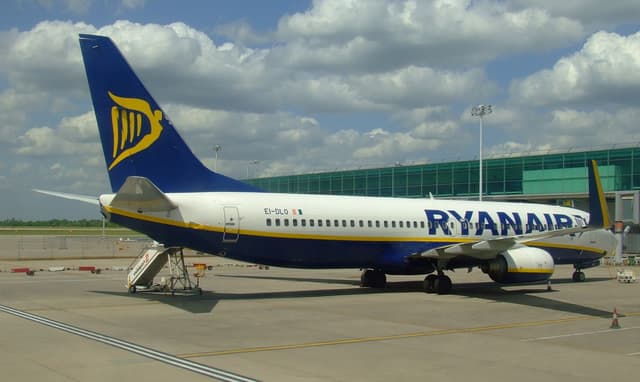
The European low-cost behemoth, Ryanair, allegedly sacked a Captain based at the airline’s Barcelona hub who used his legal authority to extend the rest period for a group of cabin crew who had worked beyond normal working hours under a special provision called ‘Commander’s Discretion.’ The SEPLA pilots’ union, which represents some of Ryanair’s pilots in Spain, said the decision sent a “deeply worrying” message to pilots who could fear disciplinary proceedings and termination for taking a safety-related approach to fatigue management. In Europe, there are extensive rules covering the maximum number of hours that pilots and cabin crew can work. The rules are commonly known as ‘Flight Duty Limitations’ and are set by the European Aviation Safety Agency (EASA) to prevent the risk of fatigue-induced accidents. Pilots and cabin crew who work short-haul flights without special in-flight rest facilities are only legally permitted to work a maximum duty day of up to 13 hours. In ‘unforeseen situations’, however, this duty limit can be extended by up to two hours through the use of Commander’s Discretion. Commander’s Discretion gives the Captain of the plane the ultimate authority to decide whether the maximum duty limit will be extended, taking into account their own tiredness levels and those of their crew. In the case of the Ryanair Captain who was recently terminated, he used this discretion to extend the duty period for his crew. Once back at base, the Captain then used another element of his power under Commander’s Discretion to extend the minimum rest period of the crew. It was this decision that reportedly led to disciplinary proceedings against the Captain. “The communication sent by the company itself recognizes that the commander exercised this discretion to complete the operation and that, subsequently, he extended the rest of the crew, facts that have served as the basis for the disciplinary procedure that has culminated with his dismissal,” the SEPLA union noted. The union further explained: “When a commander considers that operational circumstances require the use of discretion or that the rest initially planned may not be sufficient to guarantee a safe operation, he must be able to act exclusively according to his professional criteria, free from any pressure or fear of reprisals.” “No commander should be forced to choose between protecting flight safety and protecting their employment.” EASA says that Commander’s Discretion should only ever be used when unforeseen circumstances beyond the airline’s control have occurred that would result in a plane, its crew, and its passengers being stranded. There is, however, a lot of debate about what constitutes ‘unforeseen circumstances,’ and EASA points out that airlines should be leaving enough padding in their schedules to avoid pilots having to rely on Commander’s Discretion for day-to-day operations. That is not, however, what is happening in reality, the European Cockpit Association says. The pan-European pilots’ association claims airlines routinely “pack pilot schedules” even when they know that delays are likely to happen. “They expect pilots to use Commander’s Discretion to make the day work. It’s no longer the exception – it’s part of the plan,” the association said last week. The SEPLA union says it is exploring all available legal means to get the sacked Captain his job back.
British Airways Relocates Hyderabad Crew Hotel After Multiple Pilot Food Poisoning Cases
British Airways is moving crew out of its layover hotel in the Indian city of Hyderabad after all three pilots of a return flight to London Heathrow suffered violent food poisoning at 35,000 feet, with one pilot becoming so sick that he became “incapacitated” and had to be put on oxygen. The recent incident occurred on British Airways flight BA-276, which is operated by one of the airline’s Boeing 777 workhorses. The flight normally takes 10 hours and requires three pilots so that they can take a rest in special crew rest facilities one at a time. During this particular flight, however, all three pilots started to report classic symptoms of food poisoning. Thankfully, while one was declared incapacitated, the other two pilots were able to safely continue to fly the plane to London, although their condition reportedly deteriorated shortly after arrival. Suspicion as to the cause of the food poisoning wasn’t something they had eaten on the plane, but rather the buffet in the executive lounge of the hotel in Hyderabad, where British Airways puts its crew up for layovers in the city. Initial reports claimed that the pilots had been asked to provide ‘samples’ to enable investigators to determine the cause of their sickness. While the results of those tests haven’t been revealed, this wasn’t the first time that BA’s pilots and cabin crew had allegedly reported food poisoning symptoms after staying at this particular layover hotel. Despite a slew of reports, British Airways had reportedly failed to take action. Following the now viral story of these three pilots, however, we have now learned that immediate steps have been taken by the airline to prevent any further recurrence. British Airways has moved swiftly to move pilots and cabin crew out of the hotel where the alleged food poisoning incidents took place, with the airline now buying up rooms at a luxury Five Star hotel in the heart of Hyderabad’s commercial district. In a statement, a spokesperson for the airline said "the welfare of our colleagues is a top priority, and we are reviewing crew accommodation in this location following some isolated reports of sickness." Despite the fact that one of the pilots was incapacitated, and the other two reported feeling ill during the flight, British Airways insisted that safety was never compromised.
The Daily Touch & Go
The day's best aviation news in your inbox. Free, no spam.