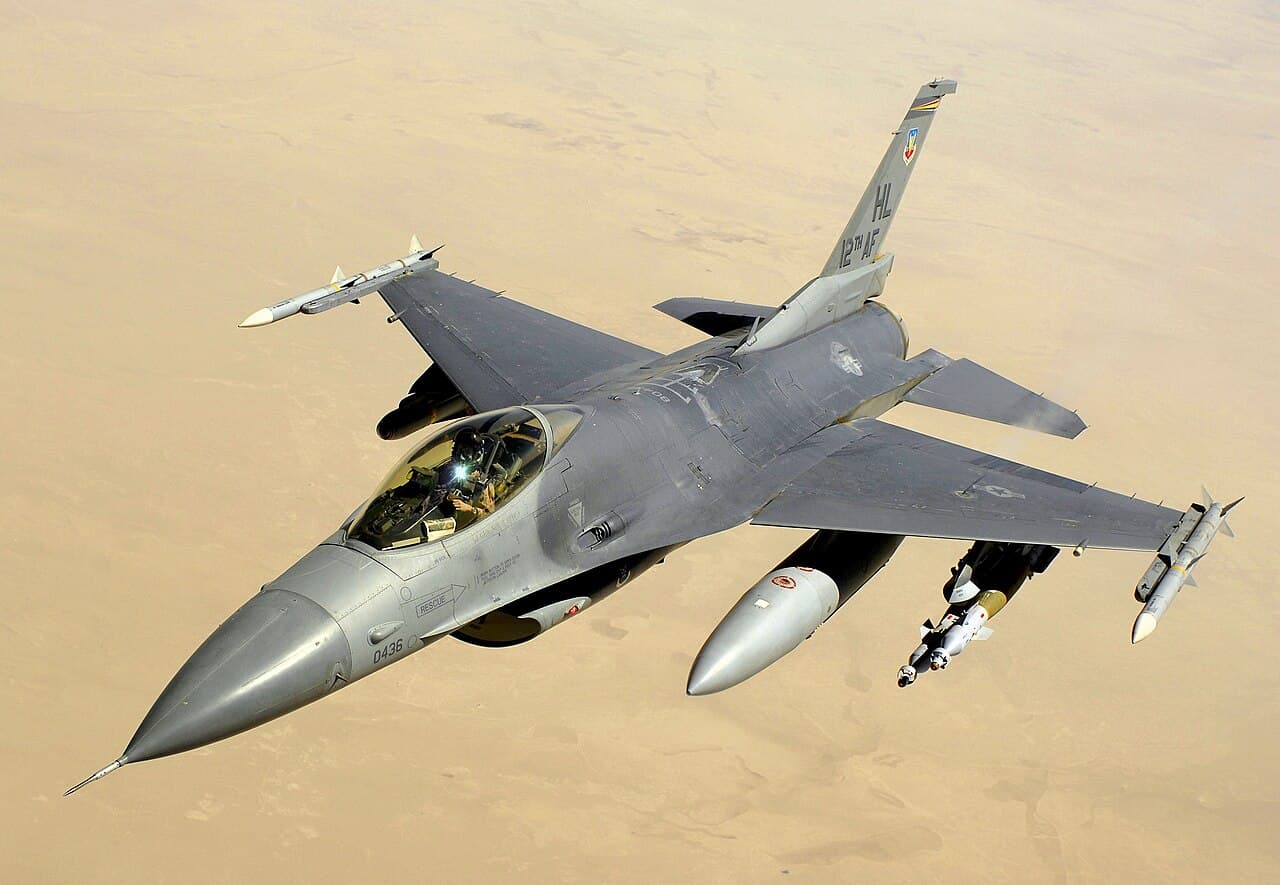

DARPA and US Air Force Integrate AI-Enabled Autonomy Kit on Operational F-16 Fighters
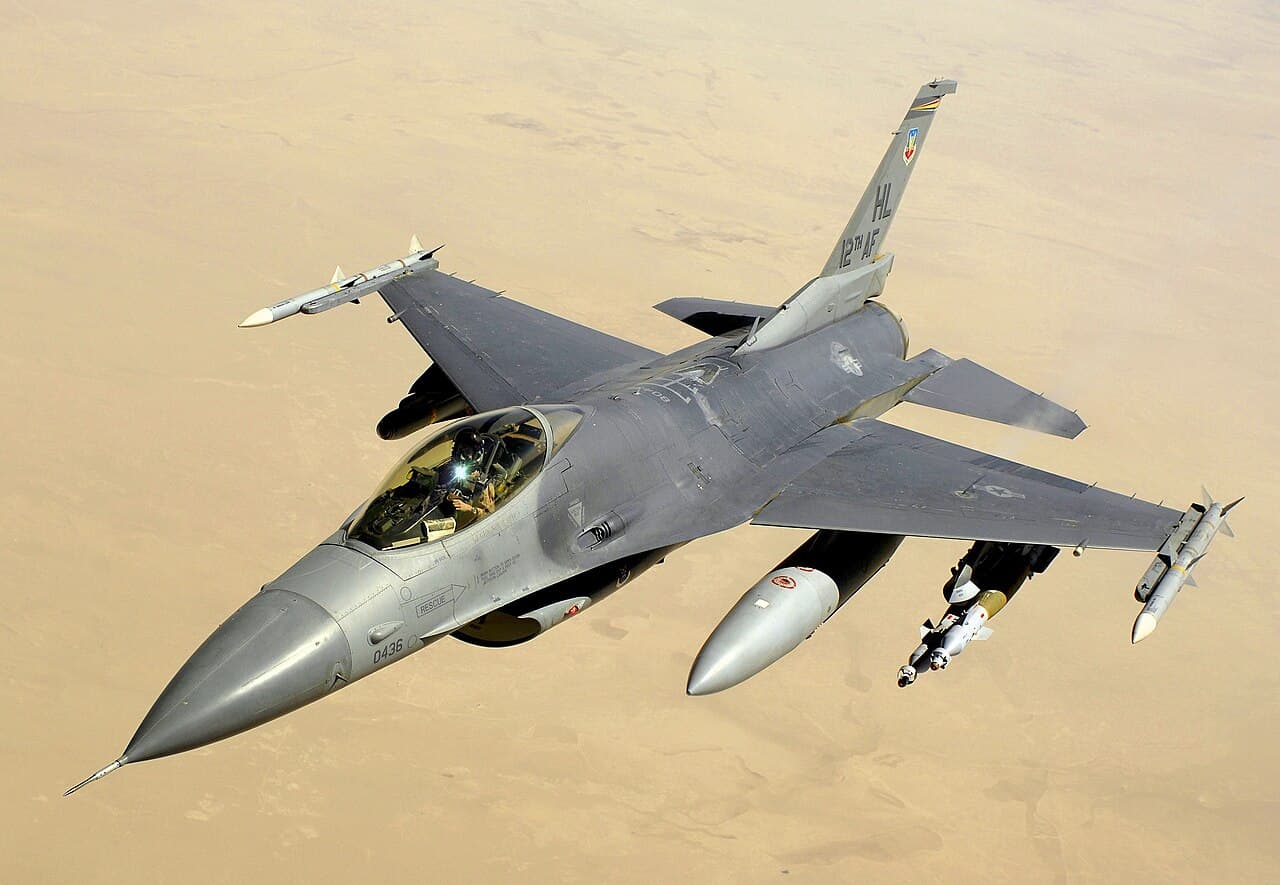
The VENOM jets use an aftermarket kit that allows a pilot to switch between traditional human flight controls and autonomous flight with the flip of a switch. The secretive Defense Advanced Research Projects Agency (DARPA) has collaborated with the US Air Force to develop a modification kit for the Lockheed Martin F-16 fighter that allows the jet to fly in both conventional and AI-controlled autonomous modes. The Viper Experimentation and Next-generation Operations Model (VENOM) autonomy kit interfaces with the F-16’s flight controls and mission systems, with the pilot able to toggle between human and AI control of the aircraft “with the flip of a switch”, according to DARPA. Several F-16s have been outfitted with the VENOM kits as part of the joint DARPA-USAF experiments with autonomous aerial combat. At least one of those fighters is already flying with the air force’s 96th Test Wing at Eglin AFB in Florida. “The air force and DARPA team has automated flight controls and sensors on a standard F-16 without changing the jet's core software,” says Brigadier General James Valpiani, a programme manager in DARPA’s tactical technology office. “This enables an efficient pipeline for developing dominant AI for aerial combat.” At least four F-16s are known to be included in the VENOM programme, including three jets that arrived at Eglin in 2024 and a fourth in 2025. Amongst the physical changes made to each aircraft is the addition of an auto-throttle that allows the AI pilot to regulate control surfaces and thrust. DARPA says the kit “ensures a safe, reliable environment for human-on-the-loop experimentation” with autonomous combat technologies. The VENOM F-16s are equipped with specialised hardware, software, and instrumentation that enable AI agents to control the aircraft while human pilots remain in the cockpit as monitors. Source: DARPA The VENOM project builds upon the autonomous flight technology developed aboard the X-62 VISTA – a heavily modified F-16 used by DARPA to test and refine the air combat skills of AI agents. In 2024, the technology research agency revealed it had used the X-62 to pit a Shield AI autonomy agent against human fighter pilots in within-visual-range dogfighting exercises. Those drills included the safe execution of at least 21 sorties over 10 months between December 2022 and September 2023 at Edwards AFB, California. The flights featured "increasingly complex air combat scenarios", according to DARPA, including offensive high-aspect nose-to-nose engagements that involved the dogfighting jets passing within 610m (2,000ft) of each other at speeds of 1,040kt (1,930km/h). Shield AI later told FlightGlobal that its Hivemind autonomy software showed the ability to “improvise” and develop novel combat tactics. The X-62 Variable Stability In-flight Simulator Test Aircraft technology demonstrator pioneered autonomous combat technologies in dogfighting drills in 2022 and 2023. Source: US Air Force "AI has tremendous potential to help humans manage this complexity in beyond-visual-range combat,” DARPA’s Valpiani notes. “But many hard questions remain concerning the performance and trustworthiness of combat AI in the extreme fog and friction of modern warfare.” While DARPA describes the X-62 as a “one-of-a-kind” aircraft, the agency says the VENOM project proves that standard fighters from the operational fleet can also deploy with AI enhancements. Going forward, the VENOM fleet will be used to test multiple AI agents in live-flight scenarios. That work will help the air force develop methods for its human pilots to command and control teams of autonomous platforms, such as the new General Atomics FQ-42 and Anduril Industries FQ-44 Collaborative Combat Aircraft. Optionally automated fighter cockpits could also provide significant enhancements to safety and workload reduction for combat aviators, who are tasked with managing increasingly complex arrays of sensors, communications equipment and weapons.