

Ryanair 737 Window Failure Nearly Ejects Passenger Mid-Flight
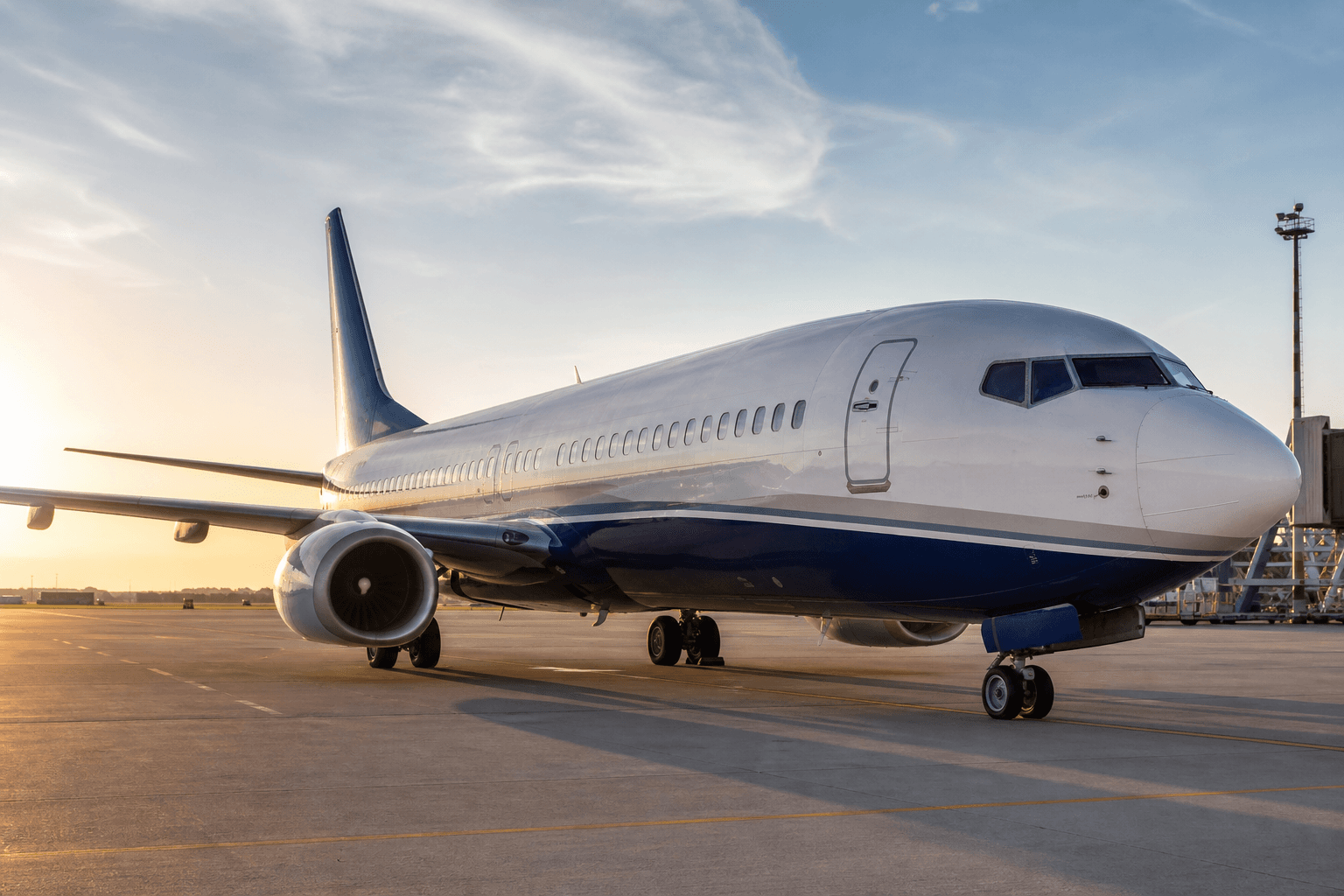
A passenger aboard a Ryanair 737 was nearly ejected from the aircraft when the cabin window failed mid-flight. Multiple sources stated the window may have been struck by a piece of the aircraft's engine, which caused the structure to fail, but the airline has not verified this. The aircraft, operated by Malta Air for Ryanair, took off from the Greek city of Thessaloniki just before 6 a.m. local time on Friday. The flight was heading to Memmingen, Germany. According to a statement from Ryanair, shortly after takeoff the aircraft returned to Thessaloniki when a "passenger window dislodged inflight." The airline noted the aircraft made a normal landing and passengers returned to the terminal. One passenger requested and received medical assistance on the ground in Thessaloniki. A replacement aircraft was brought in to get passengers on their way. READ MORE: Ryanair Inks Deal for 300 Boeing 737 Max Jets READ MORE: 4 Flight Attendants Sue Boeing Over Alaska Door Plug Blowout According to media reports in Greece and Germany, several passengers described hearing a loud bang like a tire exploding, followed by the window breaking and oxygen masks dropping from the ceiling as the cabin lost pressure. At the time the aircraft was passing through an altitude of approximately 20,000 feet. The passenger sitting next to the window that gave way was partially ejected. Passengers said his head and shoulders were outside the aircraft, and they helped pull him back inside. He was still wearing his seat belt. The injured passenger is believed to be a 61-year-old Serbian national. According to Dutch newspaper De Telegraaf , the passenger sustained an injury to the neck caused by the impact as well as scrapes and burns about the head and shoulders. The injured man was conscious but in shock when the airplane landed. The cause of the blow out is under investigation. FLYING reached out to Ryanair, but inquiries were not returned by publication time. About the Aircraft The Boeing 737 in question is 19 years old. The fuselage windows on Boeing 737s are made from three layers of acrylic or polycarbonate, which is designed for strength and durability. The outer pane is the thickest and designed to withstand external pressures and impacts. The windows are bonded to the fuselage using an aviation-grade adhesive for structural integrity. The aircraft windows are designed to experience pressure changes during the flight. The cabin is pressurized to 6,000 feet for passenger comfort and safety. There is less air pressure outside the aircraft during flight. The tiny hole on the bottom of the inner piece of window acrylic allows some of the cabin air to enter the pocket between the inner and outer panes, allowing the pressure to slowly equalize as the aircraft climbs. At altitude, the air pressure is considerably lower than it is inside the cabin. When a window fails at altitude, objects within the cabin are pushed toward the window by the higher cabin pressure, then drawn out of the aircraft by the vacuum created by lower pressure.