

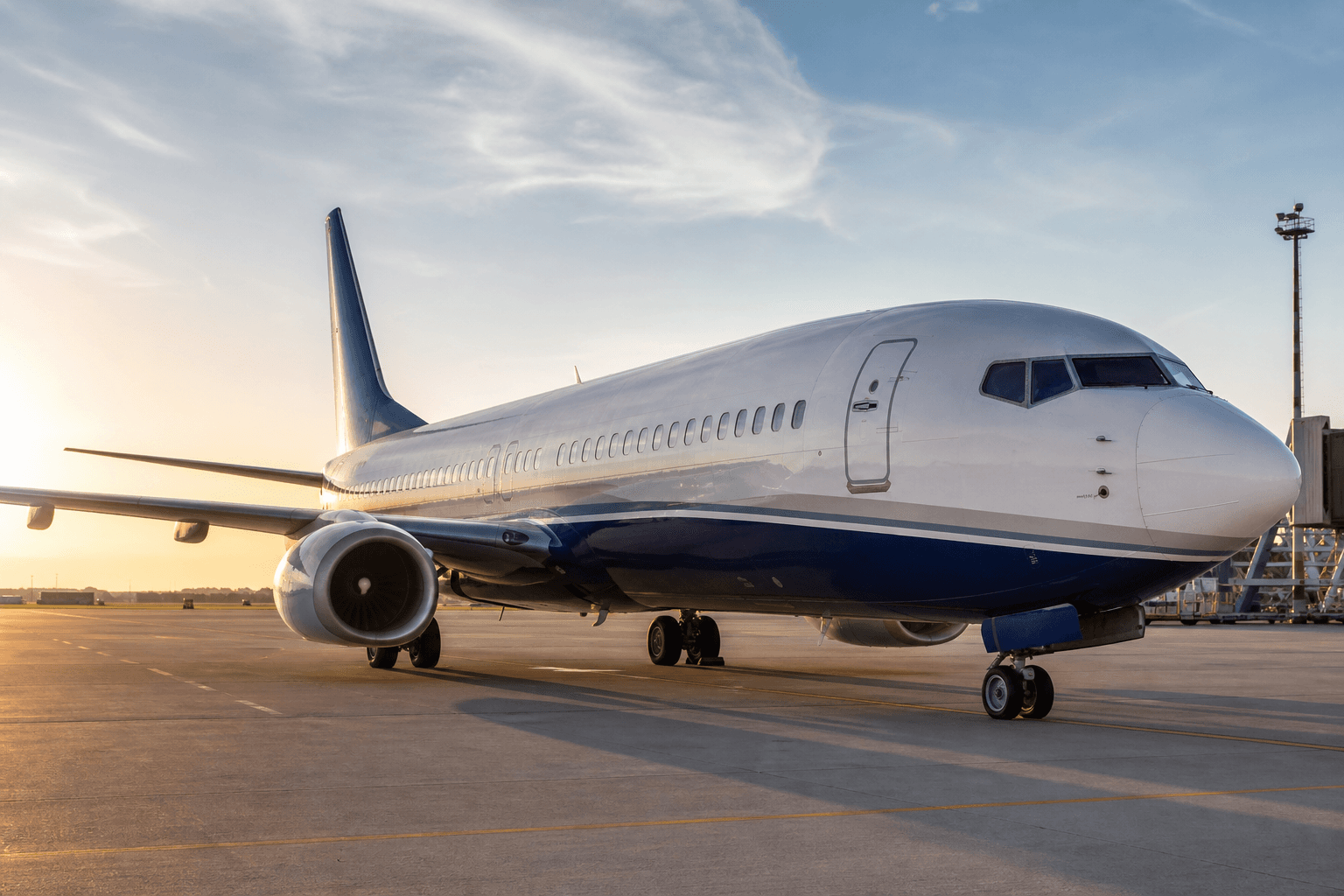
Illustration: The Touch & Go
Ryanair 737 Window Failure Nearly Ejects Passenger Mid-Flight
A Ryanair-operated Boeing 737 window was dislodged at 20,000 feet, nearly resulting in passenger ejection and prompting an emergency return to Thessaloniki.
The gist
A Ryanair Boeing 737 window failure at altitude almost ejected a passenger; the plane returned safely to Thessaloniki with minor injuries reported.
Continuing coverage
All Ryanair →- Failure of Ryanair 737-800 Engine Fan Blade Preceded Cabin Window Rupture
- Ryanair Flight Suffers Explosive Decompression After Window Shatters Mid-Flight
- Ryanair 737 Diverts to Brest After Runway Closure at Nantes by Iberia Emergency Landing
- Ryanair and Cebu Pacific Lead World in Economy Seat Density with Ultra-Compact Cabins in 2026
- Ryanair Flights Often Operated by Subsidiary Airlines Including Buzz and Malta Air
A severe in-flight incident occurred onboard a Boeing 737 operated by Malta Air for Ryanair when a passenger window failed shortly after takeoff from Thessaloniki, Greece. The 19-year-old 737 was en route to Memmingen, Germany, when at approximately 20,000 feet altitude, a loud bang echoed through the cabin, followed by the sudden dislodging of a passenger window. Passengers reported oxygen masks deploying as the cabin pressure dropped, and one passenger adjacent to the affected window was partially ejected with his head and shoulders outside the aircraft. Fellow travelers assisted in pulling him back inside while he remained secured by his seatbelt.
Ryanair confirmed the aircraft returned to Thessaloniki smoothly and landed normally. All passengers disembarked safely, with one individual receiving medical attention for a neck injury along with scrapes and burns primarily around his head and shoulders. The injured passenger, a 61-year-old Serbian national, was conscious but in shock upon landing. The airline arranged a replacement aircraft to continue the journey to Memmingen, minimizing disruption for the remaining passengers.
While the airline has not verified the cause, multiple sources suggest the window failure might have been triggered by debris from the aircraft’s engine striking the window. The incident is currently under thorough investigation to determine the precise cause. The window’s abrupt failure at cruising altitude presented a serious safety risk, highlighting the critical importance of cabin pressure integrity on commercial flights.
Boeing 737 fuselage windows are constructed from three layers of acrylic or polycarbonate and bonded to the airframe with high-grade adhesives to ensure structural durability. The outer pane is thickest and engineered to resist external pressures and impacts. These windows accommodate pressure differentials by design, maintaining cabin pressure at approximately 6,000 feet equivalent even when cruising at higher altitudes where outside air pressure is significantly lower.
Specifically, the window design incorporates a small hole in the innermost pane, allowing gradual equalization of pressure between layers as the aircraft ascends. A failure at altitude disrupts this balance, causing sudden decompression where internal cabin pressure forces air and unsecured objects toward the breach before external lower pressure creates a vacuum effect, which can pull items, or even parts of passengers, outward through the opening.
The partial ejection of the passenger underlines the dangers posed by structural breaches at altitude, with the high-pressure vessel environment of the pressurized cabin protecting occupants under normal conditions but becoming hazardous when compromised. The quick action of fellow passengers and crew helped prevent a more tragic outcome during this emergency scenario.
This incident serves as a reminder of the importance of thorough maintenance, inspection protocols, and the resilience of aircraft components under demanding operational environments. Ryanair and Malta Air are coordinating with aviation safety authorities to investigate and analyze contributory factors, with aircraft airworthiness and passenger safety their highest priorities.
The 737 involved, being nearly two decades old, emphasizes the ongoing challenges and scrutiny in managing aging aircraft fleets, which remain widely used globally. Ensuring window and fuselage integrity underpins continued aviation safety as airlines keep such planes in active service.
Authorities will closely monitor findings to inform any necessary revisions to maintenance regimes or design standards. Meanwhile, Ryanair’s prompt handling, safe return, and effective emergency response mitigated what could have been a catastrophic event, illustrating the crucial role of crew preparedness during in-flight emergencies.
Frequently asked questions
- What caused the window failure on the Ryanair Boeing 737?
- Multiple sources suggest debris from the aircraft’s engine may have struck the window, causing it to dislodge mid-flight, but this has not been officially confirmed.
- How was the passenger affected by the window failure?
- A passenger sitting next to the dislodged window was partially ejected with head and shoulders outside the aircraft but was pulled back inside by fellow passengers while still wearing his seatbelt; he sustained neck injuries, scrapes, and burns.
- What steps did the airline take following the incident?
- The aircraft returned to Thessaloniki safely, all passengers disembarked, one passenger received medical assistance, and a replacement aircraft was provided to continue the journey to Memmingen.
Read more
All Aviation Safety →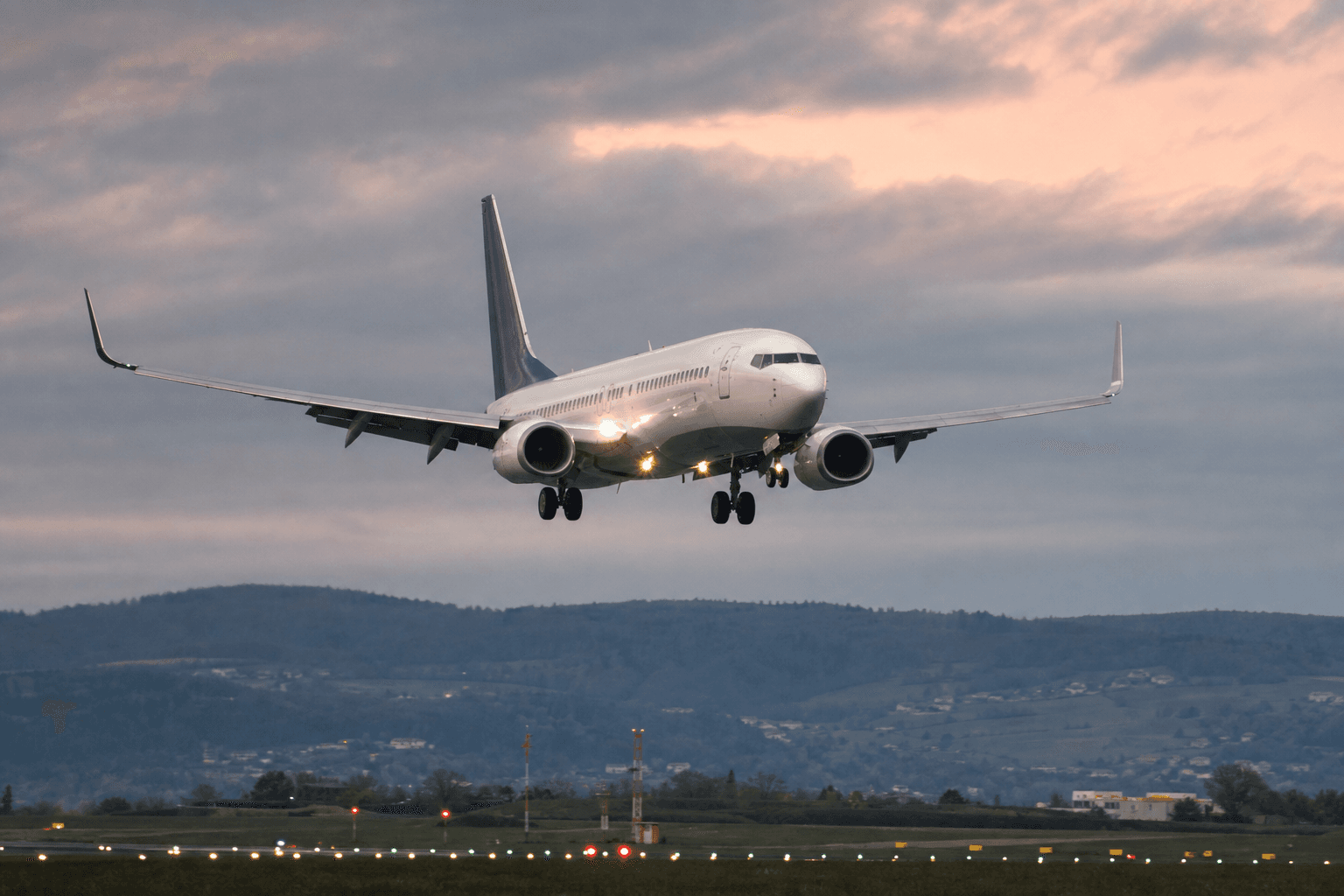
Ryanair 737 Diverts to Brest After Runway Closure at Nantes by Iberia Emergency Landing
Ryanair flight FR5448 was forced to divert from Nantes-Atlantique Airport (NTE) after an emergency landing by an Iberia Mitsubishi CRJ-1000 closed the runway, according to Air Plus News via X. The go-around caused the 737-800 to declare an emergency due to low fuel before it touched down at Brest Bretagne Airport (BES) , France, as shown in tracking data from Flightradar24.
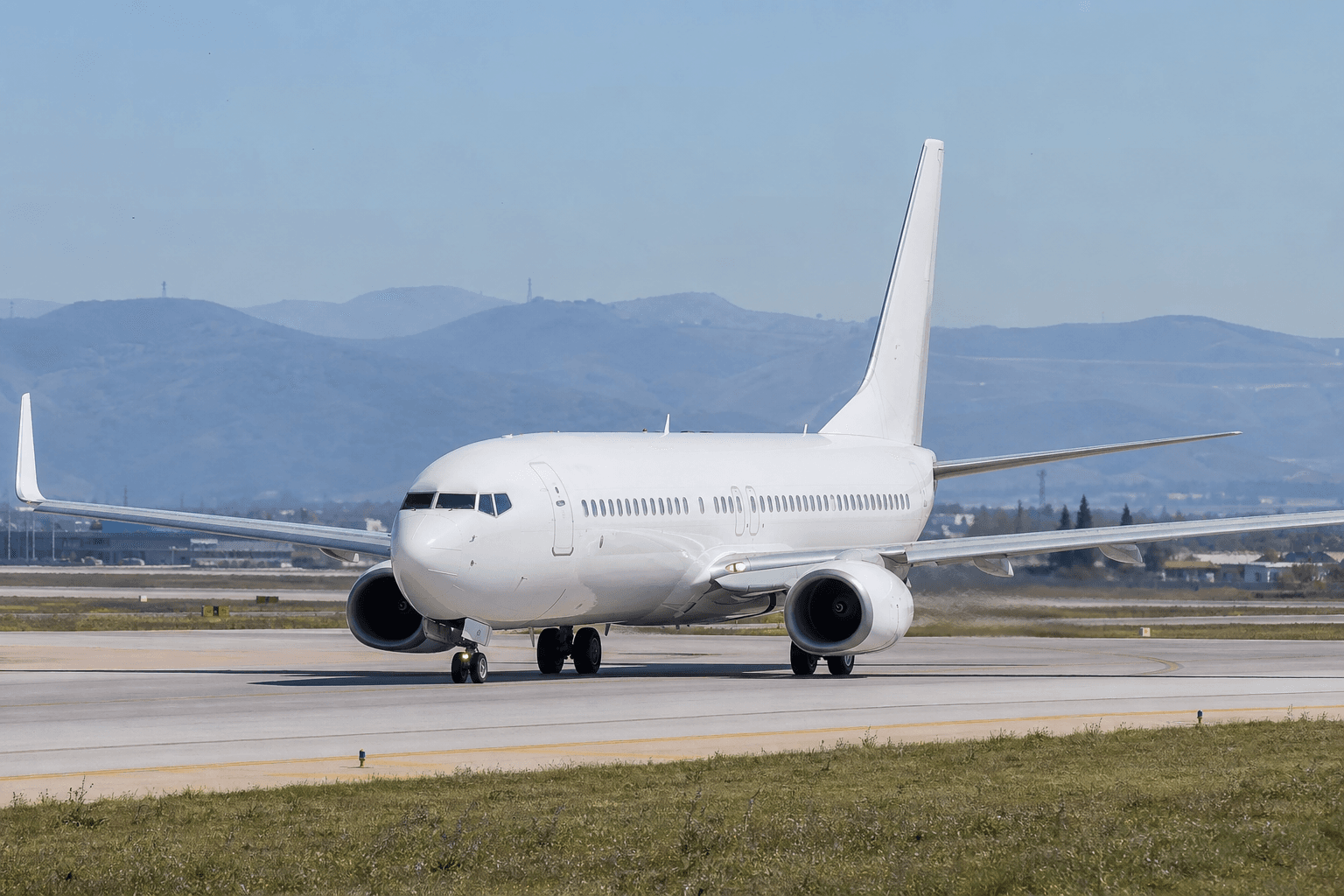
Failure of Ryanair 737-800 Engine Fan Blade Preceded Cabin Window Rupture
Air safety reporting is made accessible without a subscription as a public service. Subscribe to The Air Current for full access to our scoops, in-depth reporting and industry analysis. The rupture of a Ryanair Boeing 737-800 window Friday morning was preceded by an apparent failure of a fan blade from its right engine, a CFM International CFM56-7B, people familiar with the accident told The Air Current. A fan blade failure is a rare but serious safety issue that aircraft manufacturers […]
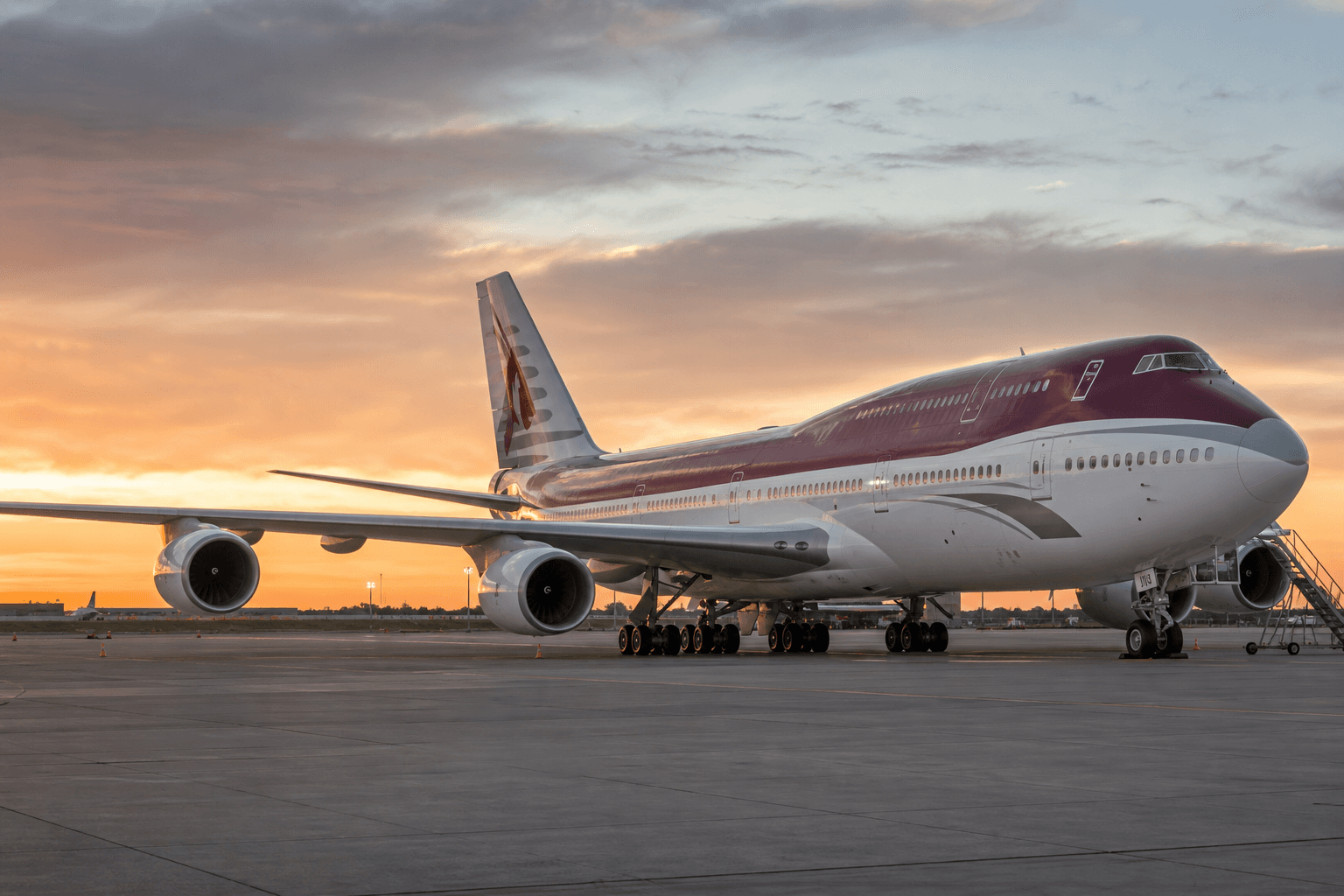
Trump Faces Backlash After Reporters Subpoenaed Over Air Force One Safety Concerns
President Trump is reportedly fuming about the fact that the public has caught on to the (obvious) safety issues with his new $400 million "flying palace" Air Force One gifted by Qatar , and it's leading to journalists getting subpoenaed. While I can appreciate the desire to protect government secrets, the reporting seems about as shocking as finding out that water is wet, or that the sun is bright… Air Force One safety issues lead to journalist subpoenas In mid-June 2026, the Air Force took delivery of the new Boeing 747-8 that was gifted by Qatar, which will act as the primary new aircraft for carrying the president, which carries the designator "Air Force One" (though when Trump leaves office he gets to keep it, as it'll go into his presidential library). The converted Boeing 747-200s that acted as the primary Air Force One aircraft up until this point were definitely getting a bit old, and for years, there has been a contract in place for two replacement Boeing 747-8s. However, the delivery of those has been delayed massively, given the amount of special equipment that needs to be installed, to keep the president safe. So when Trump recently flew to Turkey for a NATO summit, he flew the outbound on his new Boeing 747-8. However, for the return flight out of Turkey, shortly after the ceasefire with Iran was called off, he once again flew the old Boeing 747-200. While he claimed that he was doing this to "honor the military," the reason was obvious — there were safety concerns with the plane. The new Air Force One is clearly about vanity and prestige, rather than about flying in the safest way possible. Following this, The New York Times reported that security precautions caused Trump to use the old Air Force One to fly out of Turkey, quoting people familiar with the matter. Well, Trump isn't happy with that reporting, and four reporters have now been subpoenaed by the US Justice Department, to testify before a grand jury in Manhattan next Wednesday. In a statement, the US Justice Department shared the following: "To the extent that we have to investigate breaches of national security, that's something that we will continue to do. To be clear, reporters are not the targets, those leaking classified information are. We recognize there may always be natural tension there. But we are not going to ignore the law and stop investigating the people who work in the administration and think it's okay to leak classified information impacting national security." "Were you aware of any credible threat by Iran against Air Force One?" @POTUS : "I have a threat all the time. I'm number one on their list, before you — but if I go, you go, right? So perhaps some of you want to change professions." 🤣 pic.twitter.com/5VlZBBySwx — Rapid Response 47 (@RapidResponse47) July 9, 2026 I understand wanting to prevent national security breaches, but… On the surface, I understand the need to look out for national security interests, and to prevent leaks. However, the report in question by The New York Times really didn't state anything that I wouldn't consider to be obvious to someone of average intelligence. The report suggested that: Officials were worried that the new aircraft didn't yet have all the defensive systems and countermeasures carried by the previous Air Force One, including some missile defense capabilities The report suggested that those concerns became more serious because of increased tensions with Iran The Trump administration has insisted that's not the case, and that the plane has met the high security standards. But seriously, let's look at this semi-objectively. The two purpose-built Boeing 747-8s that will act as Air Force One in the future have now been delayed by a minimum of four years. The delay isn't with building the 747-8 as such, but instead, with installing all the sophisticated equipment needed to protect the president. Meanwhile Trump's Qatar-gifted 747-8 was in service in less than a year. I mean, isn't it obvious that it doesn't have all the same safety equipment? If all the necessary safety equipment could actually be installed that fast, then why aren't the two existing 747-8s in production just fast tracked? Anyone? Bueller? I can't believe we're pretending this situation is a mystery? Bottom line The US Justice Department has subpoenaed reporters from The New York Times for breaking the news that the new Air Force One clearly doesn't have the same security equipment as the previous Air Force One. That seems exceedingly obvious, given that the jet was prepared for service in a matter of months, while the two replacement Air Force Ones are four years behind schedule (best case scenario) due to the complexity of installing this equipment. I understand the need to protect national security interests and prevent leaks, but if the government really thinks it's a "secret" that this plane doesn't have all the typical Air Force One equipment, then, well… we have bigger issues.
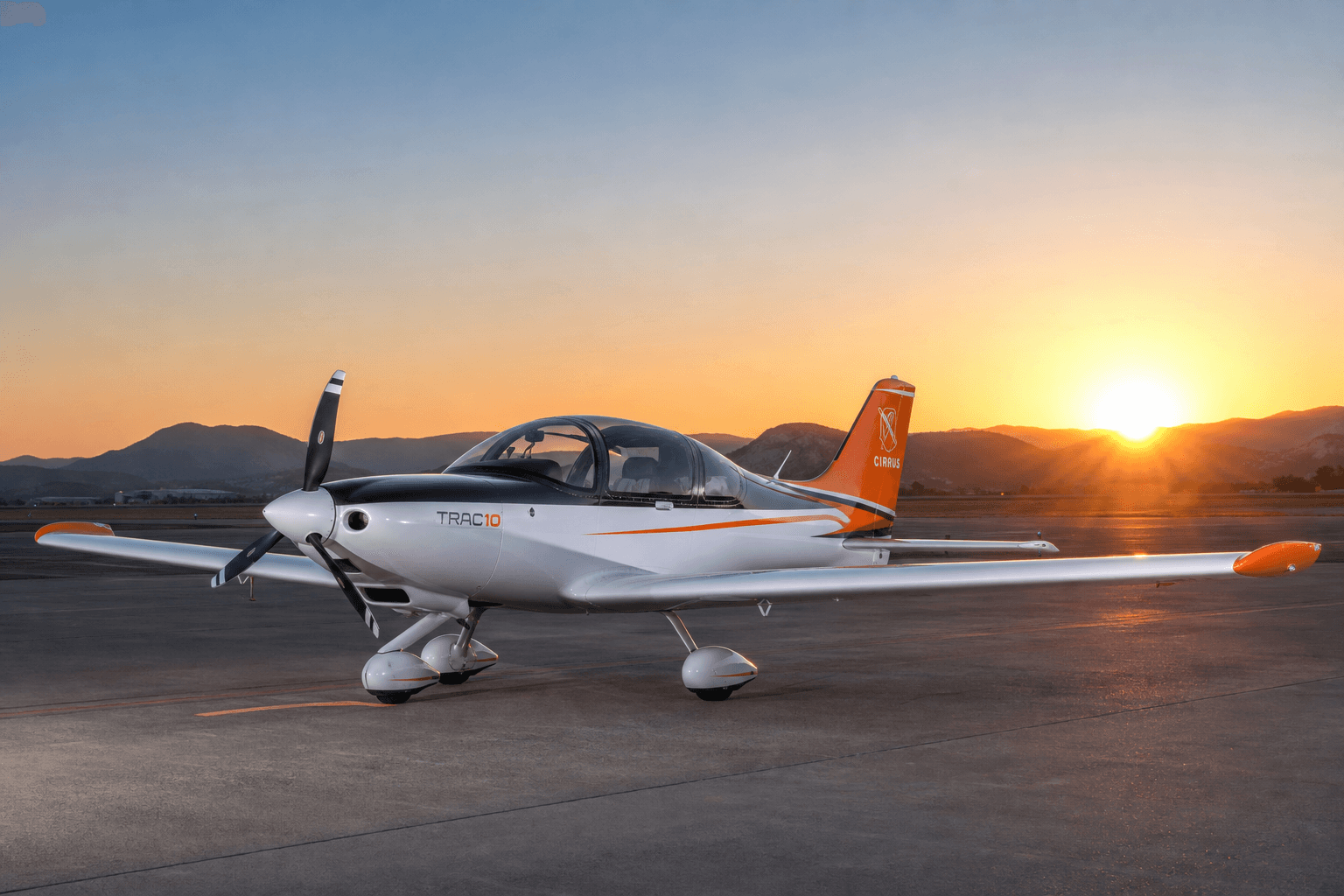
Cirrus Unveils TRAC10 Trainer Designed to Revolutionize Professional Flight Schools
Cirrus, the manufacturer that introduced the aviation world to the concept of an airplane with a built-in parachute, is introducing the TRAC10, a clean-sheet design purposefully built for the instructional market. "The TRAC10 is a complete reimagining of the modern training aircraft," said Pat Waddick, president of innovation and operations at Cirrus, in a news release. "Our team challenged decades-old norms and designed in industry-leading safety, durability, ergonomics, and operational efficiency with advanced technology delivered through simple, intuitive interfaces—creating a smarter platform for the next generation of pilots." The aircraft is powered by a turbocharged Rotax 916 iSc FADEC engine attached to a three-bladed propeller that can be operated on 100LL, UL91/UL94, and selected blends of mogas, burning 5.9 gph. The aircraft is a three-place design with adjustable seats and rudder pedals for the front occupants. The back seat is situated between two large windows with an elevated position for optimal flight deck visibility. According to Cirrus, it can be equipped with a configurable display, so everyone on board can be fully immersed in the flight deck workflow. The cabin features multiple USB-C ports, cup holders at each seat, storage space, and optional air conditioning to help reduce crew fatigue and promote efficient learning. READ MORE: How NFL Quarterback Joshua Dobbs Found Freedom at the Controls of a Cirrus READ MORE: Cirrus Offers Starlink Mini Mount for SR Aircraft "Drawing on more than 30 years of designing, building, and supporting aircraft worldwide, the TRAC10 is our most deliberate answer yet to what professional flight schools need to succeed," said Zean Nielsen, CEO at Cirrus. "Our focus on safety, efficiency, connectivity, and reliability serves every stakeholder in the professional pilot training equation. We are excited for students around the world to start training in the TRAC10." Cirrus said safety remains paramount at Cirrus, so in addition to the Cirrus Airframe Parachute System (CAPS), the TRAC10 has the Garmin Electronic Stability & Protection (ESP) and the Blue Level Button (LVL). The aircraft is also fitted with airline-like stick shakers to warn of an impending stall and a cuffed-wing design to maximize spin resistance while promoting optimal controllability at low speeds. The aircraft features Cirrus IQ , which enhances the TRAC10 flight training operations by wirelessly transmitting data and integrating seamlessly with third-party flight debrief applications and fleet management dashboards. Operators can digitally monitor fuel, fluids such as coolant and oil temperature, and track maintenance intervals to ensure fleet safety and airworthiness. Automatic database updates keep training fleet navigation information up to date and ready to fly, eliminating the need for monthly manual updates. According to the company, the TRAC10 will be manufactured at Cirrus headquarters in Duluth, Minnesota. The company indicated it has already secured more than 100 orders for the airplane from 13 professional flight schools around the world. U.S. deliveries are scheduled to begin in 2027, with international deliveries to follow in '28. The TRAC10 price starts at $499,900. Cirrus TRAC10 by the Numbers Wingspan: 34.2 ft. Length: 23.8 ft. Maximum Gross Weight: 2,150 lbs. Maximum Usable Fuel: 33.5 gal. Useful Load: 750 lbs. Cabin Height: 45 in. Cabin Width: 49.6 in. Cabin Length: 94 inches Maximum Operating Altitude: 14,000 ft. Stall Speed, Flaps Down: 57 kcas Stall Speed, No Flaps: 66 kcas Maximum Cruise Speed: 139 ktas Fuel Burn at 65% Power: 5.9 gph
The Daily Touch & Go
The day's best aviation news in your inbox. Free, no spam.