

Thermodynamics Engineering Emerges as Key Discipline in Aircraft and Spacecraft Design
Thermodynamics engineers play a crucial role in developing aircraft and spacecraft, combining challenging science with lucrative career opportunities.
The gist
Thermodynamics engineering is vital for aviation and space, offering challenging work and strong career prospects.
Thermodynamics engineering is increasingly recognized as an essential specialty in the aerospace sector, focusing on the efficient design and operation of aircraft and spacecraft propulsion and thermal systems. Professionals in this field apply the principles of heat transfer, energy conversion, and fluid mechanics to solve complex engineering problems crucial for vehicle performance and safety. Their expertise supports innovation in aerospace technologies where managing thermal loads and optimizing engine efficiency are paramount.
The role demands a deep understanding of physics alongside practical skills to develop and analyze systems such as jet engines, thermal protection for spacecraft, and environmental control and life support systems. As aircraft and spacecraft designs push boundaries to achieve higher speeds, longer ranges, and more sustainable operations, thermodynamics engineers contribute to pioneering materials and cooling techniques to overcome these challenges.
To become a thermodynamics engineer in aerospace, individuals generally pursue advanced degrees in mechanical or aerospace engineering with a focus on energy systems. Practical experience through internships or research projects on propulsion or thermal management enhances employability. The pathway is rigorous but culminates in well-paying positions that influence cutting-edge aerospace technology development.
The demand for thermodynamics expertise is driven by both commercial aviation’s quest for fuel efficiency and space exploration’s need for reliable thermal controls in extreme conditions. As the aerospace industry invests in greener and more capable vehicles, thermodynamics engineers are poised to impact next-generation propulsion systems and sustainable design practices. Their work ensures that vehicles operate safely, efficiently, and within environmental constraints.
This career intersects with emerging trends like electric propulsion and reusable spacecraft, where thermal management remains a critical hurdle. Companies and agencies worldwide seek thermodynamics engineers to innovate solutions that enhance performance while reducing emissions and costs. Their role is pivotal in advancing the aviation and aerospace fields toward a more sustainable and technologically advanced future.
Understanding thermodynamics is no longer a niche requirement but a fundamental component of aerospace engineering that ensures systems function effectively under diverse operational environments. As such, aspiring engineers should consider this challenging but rewarding specialization to join the forefront of aerospace innovation and sustainability.
More in Airlines
![Porter Airlines' Massive Expansion: 15 New Routes Launch This Month [Map & List]](/_next/image?url=https%3A%2F%2Favoibnodqwjxlpbhunuu.supabase.co%2Fstorage%2Fv1%2Fobject%2Fpublic%2Fstory-images%2Fai%2Fporter-airlines-massive-expansion-15-new-routes-launch-this-month-map-and-list-f0e807a8.png&w=3840&q=75)
Porter Airlines' Massive Expansion: 15 New Routes Launch This Month [Map & List]
Ten routes have already been launched this month, with two more launching today and the remaining three in the coming days.
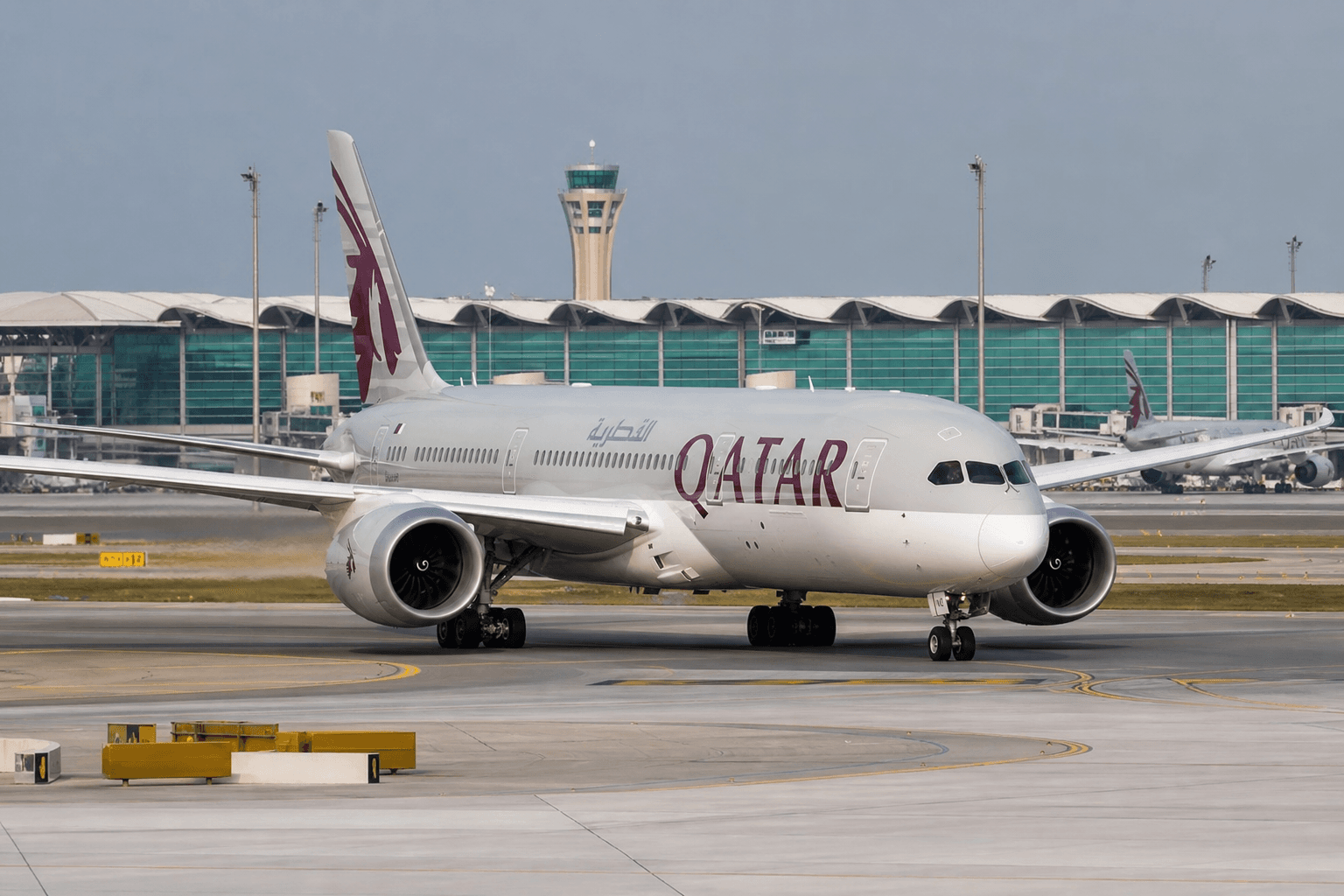
Gulf carriers plot comeback from Iran war downturn
Qatar Airways has restored 85% of its network while Emirates is selling "conflict-related" travel insurance. Qatar Airways has reached its goal of restoring 85% of its pre-Iran war network and has appointed new chief operating and customer officers to drive growth, while fellow Gulf carrier Emirates Airline is offering for sale a "conflict-related" travel insurance…
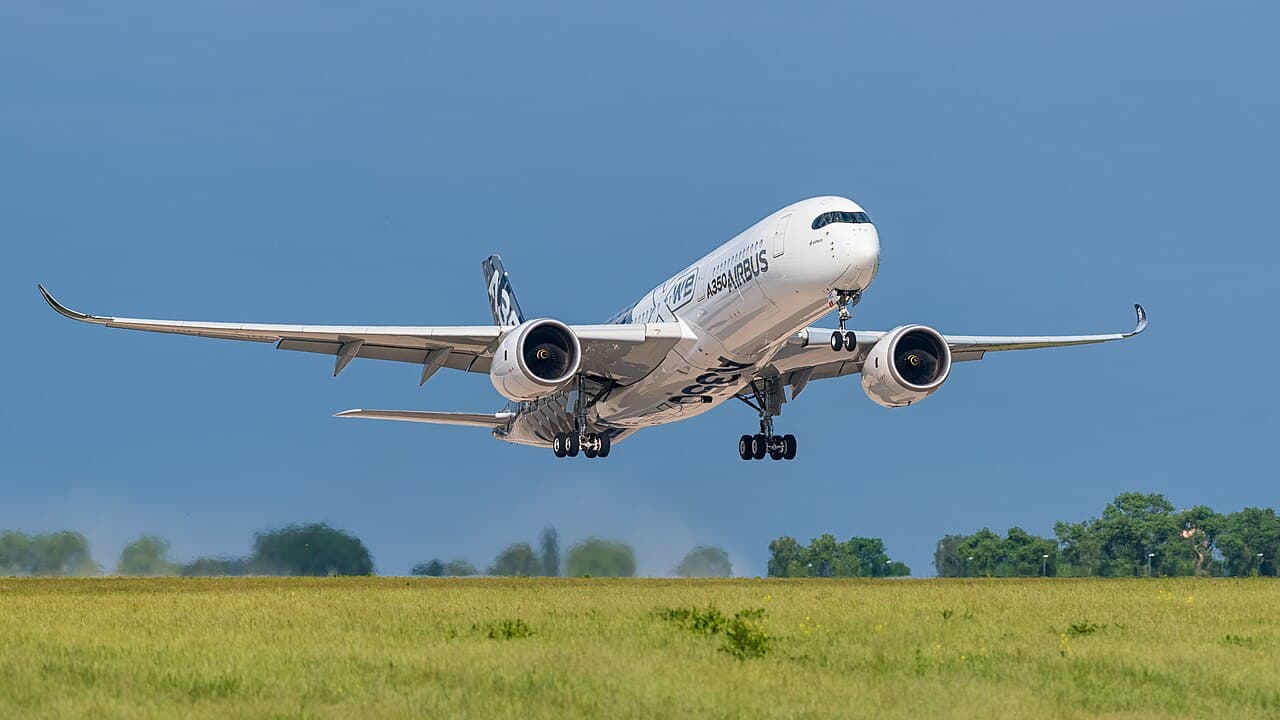
Qantas Prepares to Break the 10,000 Mile Barrier
It is official. One of the last meaningful routes in the world that required a connection due to distance will be getting nonstop service starting in October 2027. Qantas has announced that is when the Sydney – London flight will begin on the Airbus A350-1000ULR. Tickets go on sale in February. This will mark the...
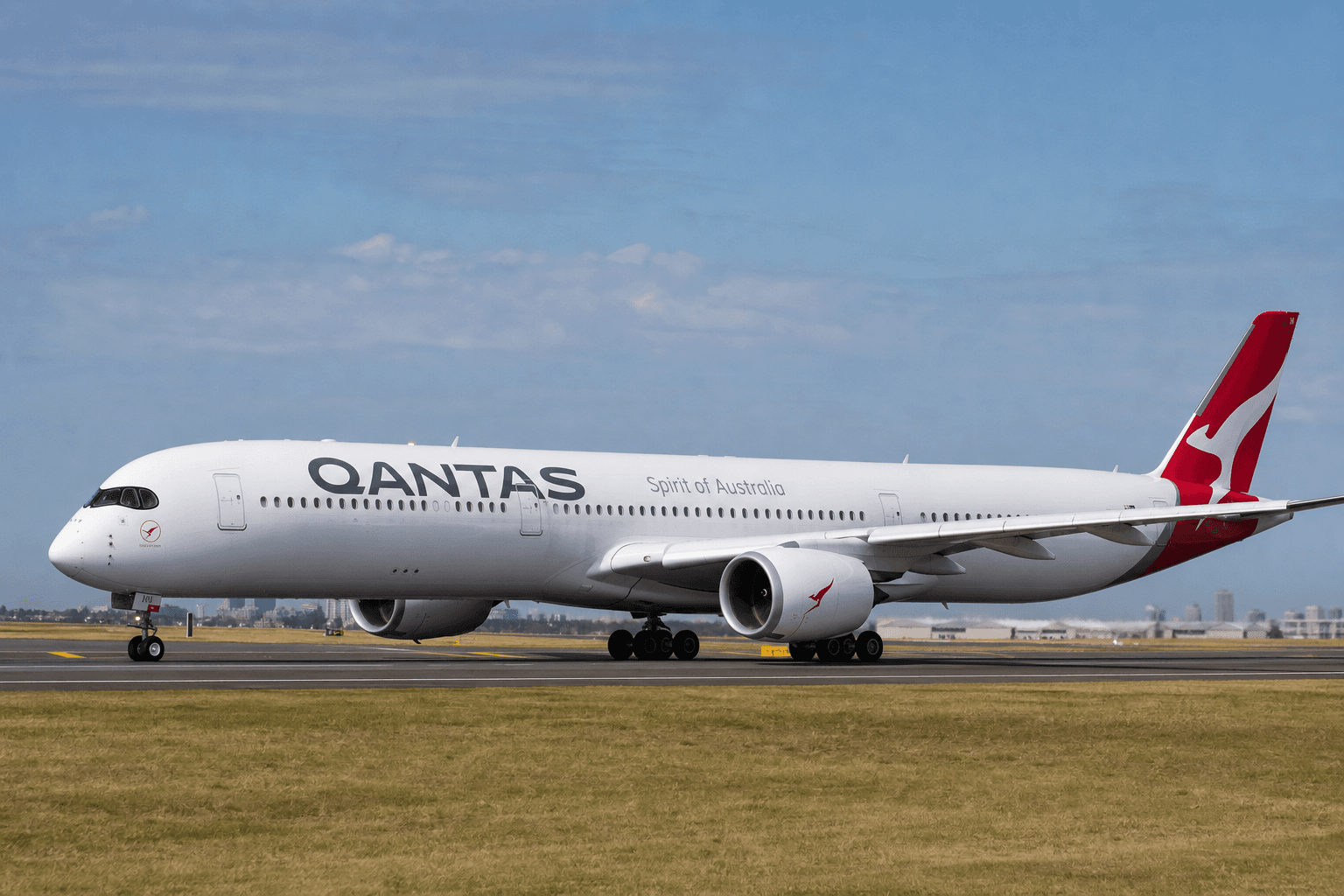
QANTAS reveals its new Airbus A350-1000ULR cabin design
QANTAS Airways has unveiled the next evolution in the cabin design for Project Sunrise, which will launch with the world's first non-stop services between Sydney and London from October 2027. The first Airbus A350-1000ULR has been configured with just 238 seats, the lowest seat density of any A350 around the world, giving every customer more space on […]