

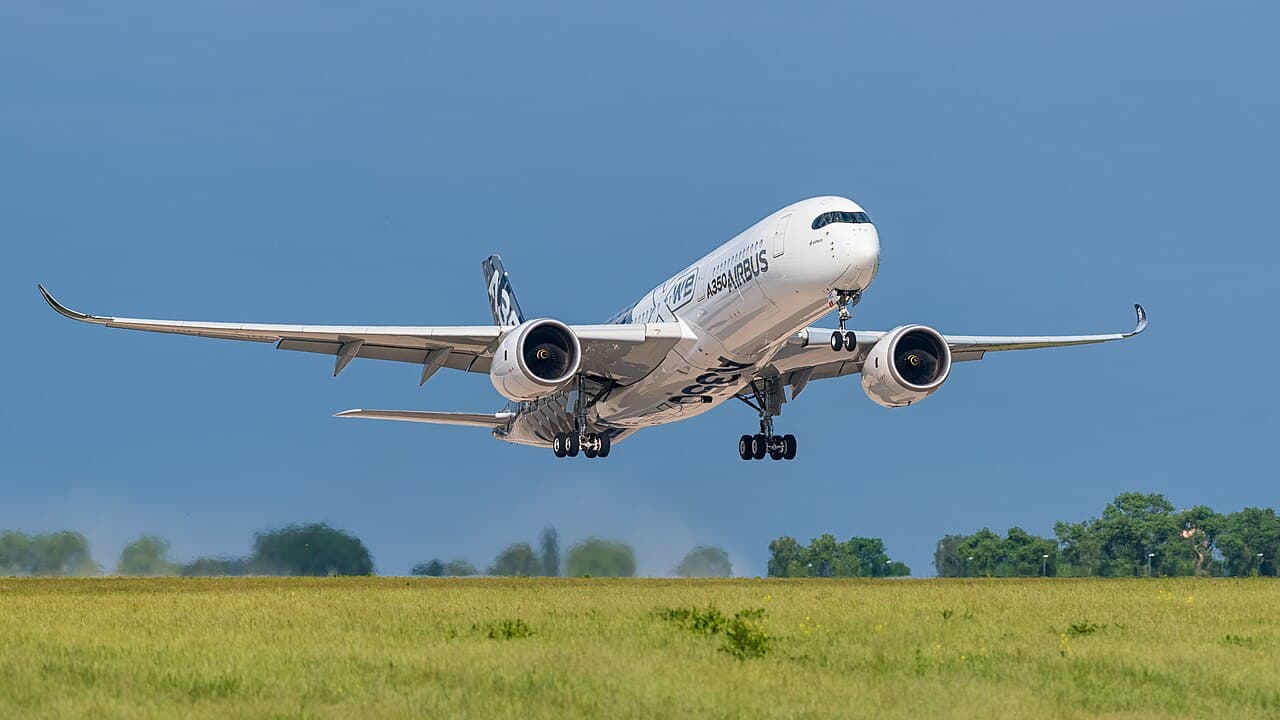
Image: Julian Herzog ( Website ) · CC BY 4.0 · via Wikimedia Commons
Qantas to Launch First Nonstop Sydney-London Flight Over 10,000 Miles in 2027
Starting October 2027, Qantas will operate the 10,573-mile nonstop Sydney to London route using Airbus A350-1000ULR, marking aviation's longest regularly scheduled flight.
The gist
Qantas plans to begin the first nonstop flight covering more than 10,000 miles between Sydney and London in 2027 aboard the A350-1000ULR.
Continuing coverage
All Airbus →- Airbus Posts Strong H1 2026 with 351 Aircraft Deliveries and Record Order Backlog
- Rolls-Royce Estimates Up to Seven Years to Develop Engine for Stretched Airbus A350-2000
- Airbus Sees Premium Cabin Growth Driving US Domestic Aviation Through 2045
- Airbus fixed A380 wing cracks by replacing carbon composite parts with aluminum to avoid fleet grounding
- Legacy 1960s Boeing 737 Design Caps Economy Seat Width at 17 Inches
Qantas has officially announced it will begin nonstop service between Sydney and London in October 2027, utilizing the Airbus A350-1000ULR aircraft. This route, spanning 10,573 miles, will be the first in the world to exceed the 10,000-mile barrier on a scheduled nonstop basis. The airline has scheduled ticket sales to start in February ahead of the inaugural flight, highlighting the strategic importance of this pioneering ultra-long-haul connection.
The A350-1000ULR deployed on this route will differ significantly in configuration compared to standard A350-1000s operated by carriers such as British Airways, Qatar Airways, and Cathay Pacific, which typically seat around 330 passengers. Qantas will reduce the seating to just 238 to accommodate the aircraft's extended range capabilities by allowing for additional fuel storage. This includes fitting extra fuel tanks while trimming the passenger count — a compromise essential to fly the extended distance nonstop.
To contextualize the scale, the current longest flight by distance is Singapore Airlines’ New York to Singapore service, covering about 9,537 miles with a westbound block time of 19 hours 15 minutes. The Sydney-London flight surpasses this by more than 1,000 miles and is expected to break the 20-hour flight duration threshold. Block times have not yet been released but are anticipated to be notably lengthy given the distance.
The cabin configuration reveals Qantas' strategy tailored to premium travelers. The aircraft will feature six First Class suites, 52 Business Class suites, 40 Premium Economy seats, and 140 Economy seats with 34 inches of pitch — a generous allotment for economy but designed to cater to diverse passenger preferences. The premium-heavy layout aligns with the understanding that a flight exceeding 20 hours is unlikely to appeal to standard economy customers, prompting Qantas to emphasize comfort over capacity.
Qantas supports the business case for nonstop service with market research showing elevated interest in ultra-long-haul flights among premium and economy travelers, with 68 percent of premium and 53 percent of economy respondents expressing likelihood to book such flights in February. These figures rose further to 80 percent and 63 percent respectively following geopolitical disruptions in the Middle East, underscoring increased demand for nonstop travel options that avoid contentious regions.
Currently, passengers traveling between Sydney and London typically connect through Middle Eastern or Southeast Asian hubs, with some direct flights via Perth. Market data indicates Qantas holds less than 25 percent share of the Sydney-London passenger flow, leaving room to capture customers by offering a significant time saving — up to four hours compared with current connecting flights. This expanded share could improve yield and profitability, provided the ultra-long-haul service attracts sustained demand.
The project builds on Airbus’ A350-900ULR successes with Singapore Airlines but pushes operational limits further by extending range and reducing seat count for the A350-1000ULR iteration. Industry experts note the A350-1000’s structural enhancements facilitate higher maximum takeoff weights and more fuel capacity, enabling flexible configurations that can support 16 to 20-hour flights with varying passenger counts. This positions Airbus competitively against Boeing in ultra-long-range widebody operations.
While the route’s commercial viability will be tested after launch, the large passenger market between Sydney and London supports the ambitious endeavor. London’s peak winter season flights exceed 800 daily passengers, indicating the route’s scale justifies innovative nonstop service. Qantas acknowledges uncertainties but is confident the ultralong-haul offering will attract premium travelers prioritizing non-stop convenience and time savings over lower fares from connecting services.
Read more
All Airlines →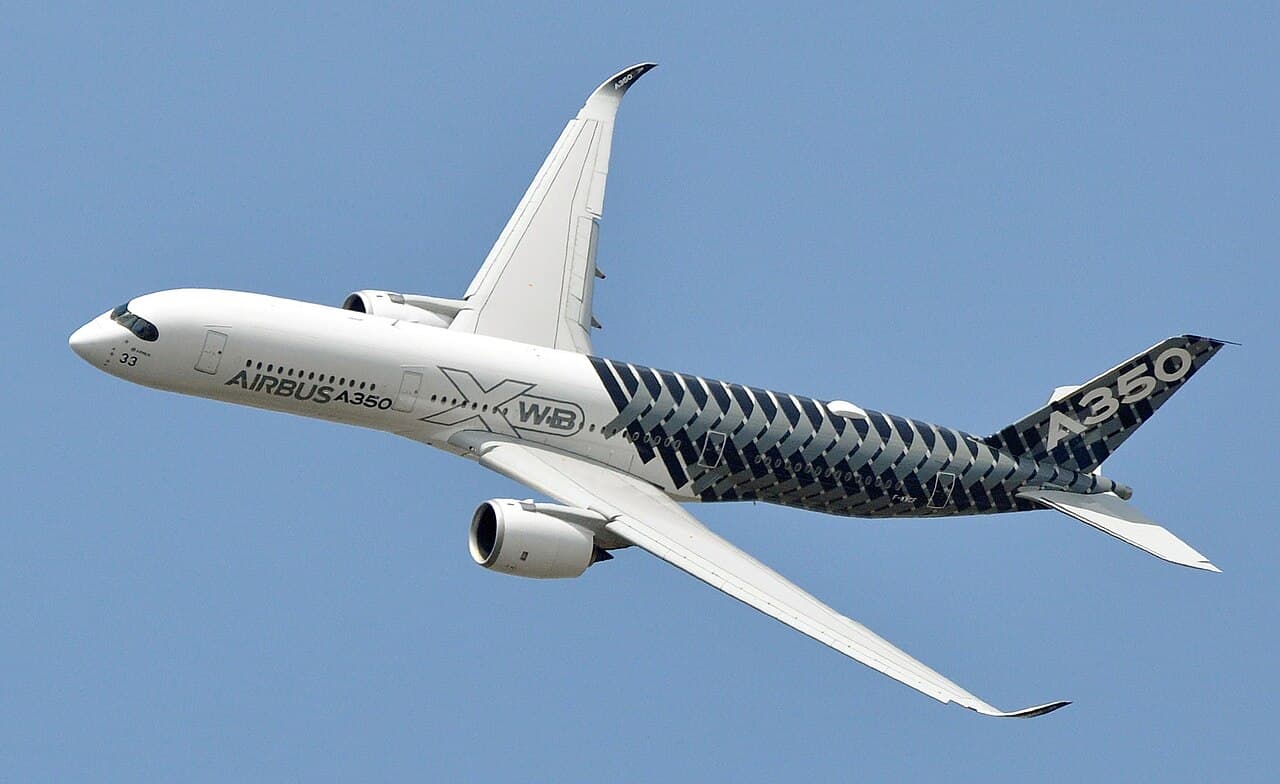
Philippine Airlines Debuts 10-Abreast Economy on Ultra-Long A350-1000 Flight
I recently flew on Philippine Airlines' (PAL) Airbus A350-1000 in economy on an ultra-long-haul flight, and it was pretty good. Now, I'm not usually 'the trip report guy', because I primarily fly in economy and I don't have much to say about my travels. I generally feel like economy is good enough for me, and I can find a way to have fun on almost any flight because I really enjoy flying. This, however, is a unique case because we're talking about a full-service airline installing ten-abreast economy seats on an A350, and I traveled on this aircraft from New York to Manila.
Former Qantas CEO Alan Joyce Offers Regrets but Defends Pandemic-Era Decisions
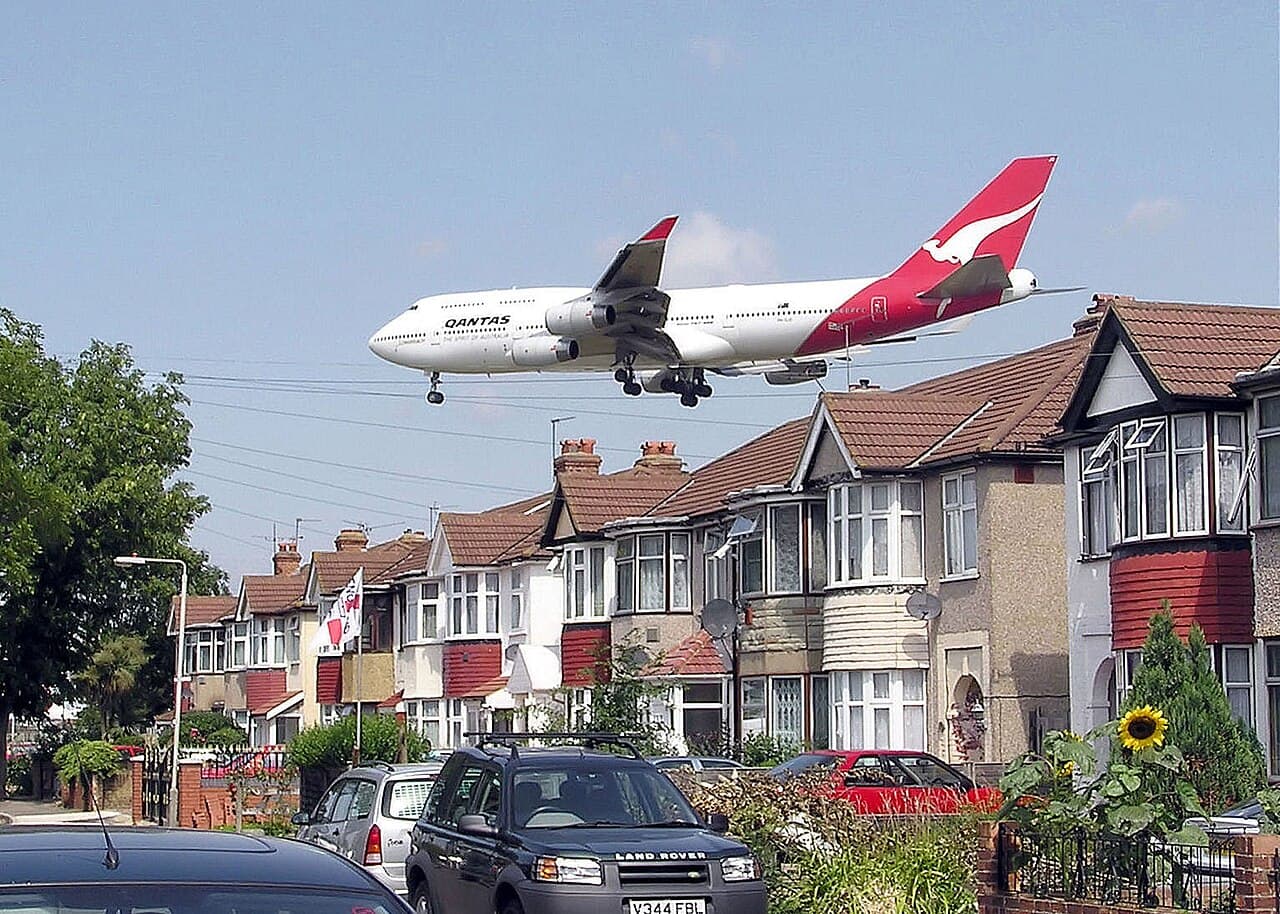
Former Qantas CEO Alan Joyce is back with a memoir and media tour offering apologies for flight credits, ghost flights, illegal outsourcing, passenger-blaming, and his A$17 million stock sale. But the mea culpas mostly read like justifications: Qantas survived, others were worse, and Joyce still wants credit for "getting more things right than wrong."
Airbus Sees Premium Cabin Growth Driving US Domestic Aviation Through 2045
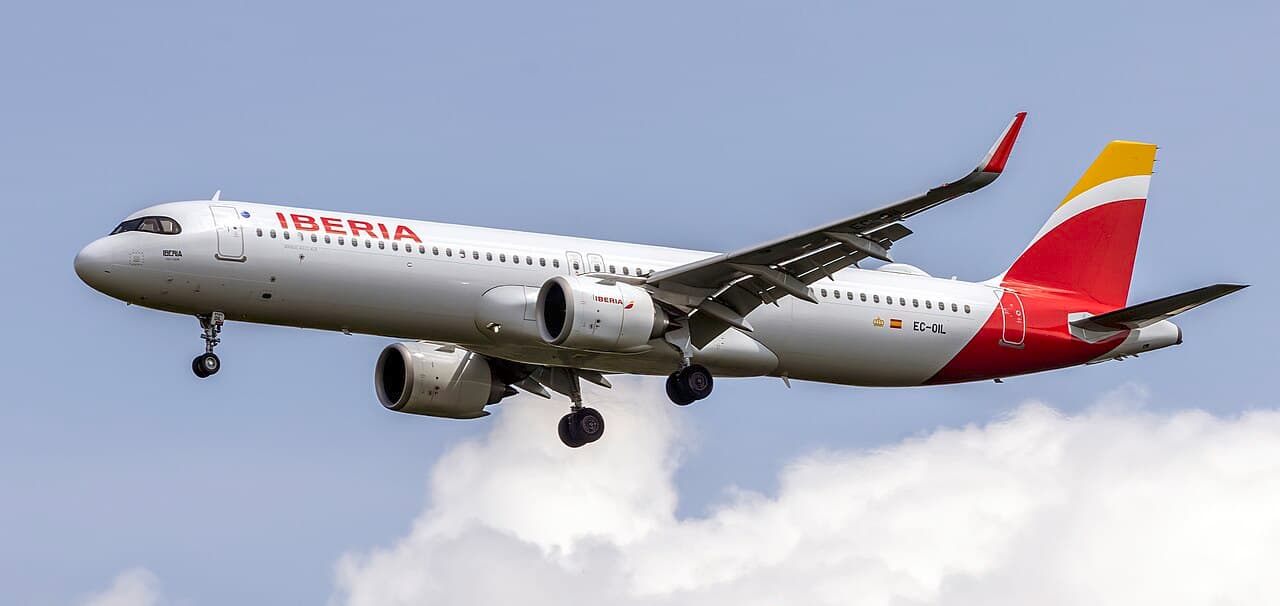
Commercial aviation has spent decades chasing passenger growth, but Airbus believes the next major shift will be driven by something entirely different. Rather than simply carrying more people, airlines are increasingly competing to offer a better experience, with premium cabins becoming one of the industry's most valuable assets.
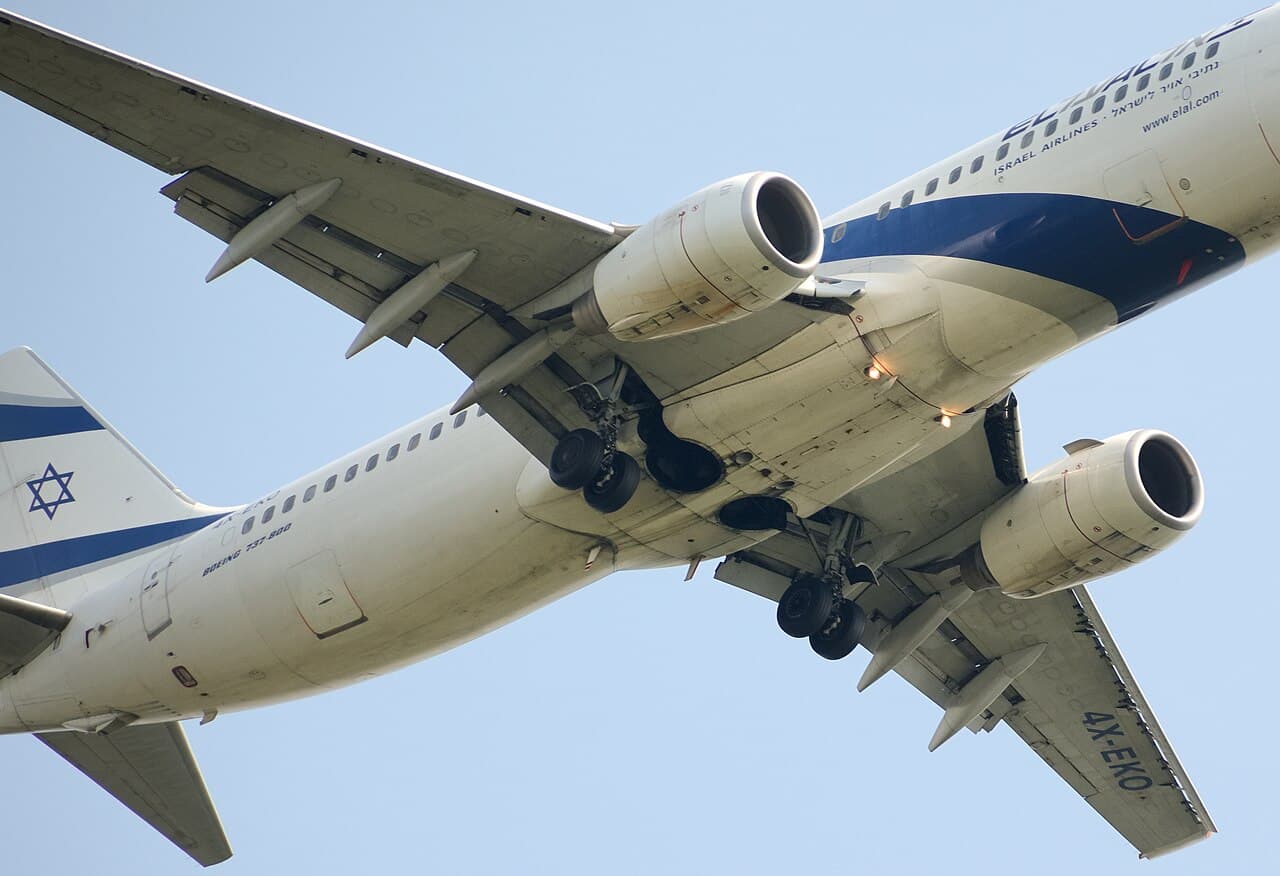
Legacy 1960s Boeing 737 Design Caps Economy Seat Width at 17 Inches
The Boeing 737 is one of the most popular narrowbodies in service, essentially offering the same economics and capabilities as the rival Airbus A320. It's the second-most successful commercial jetliner of all time (behind only the A320), and the two types have become ubiquitous on short-range routes, while later models are now becoming popular on medium-to-long-range routes.
The Daily Touch & Go
The day's best aviation news in your inbox. Free, no spam.