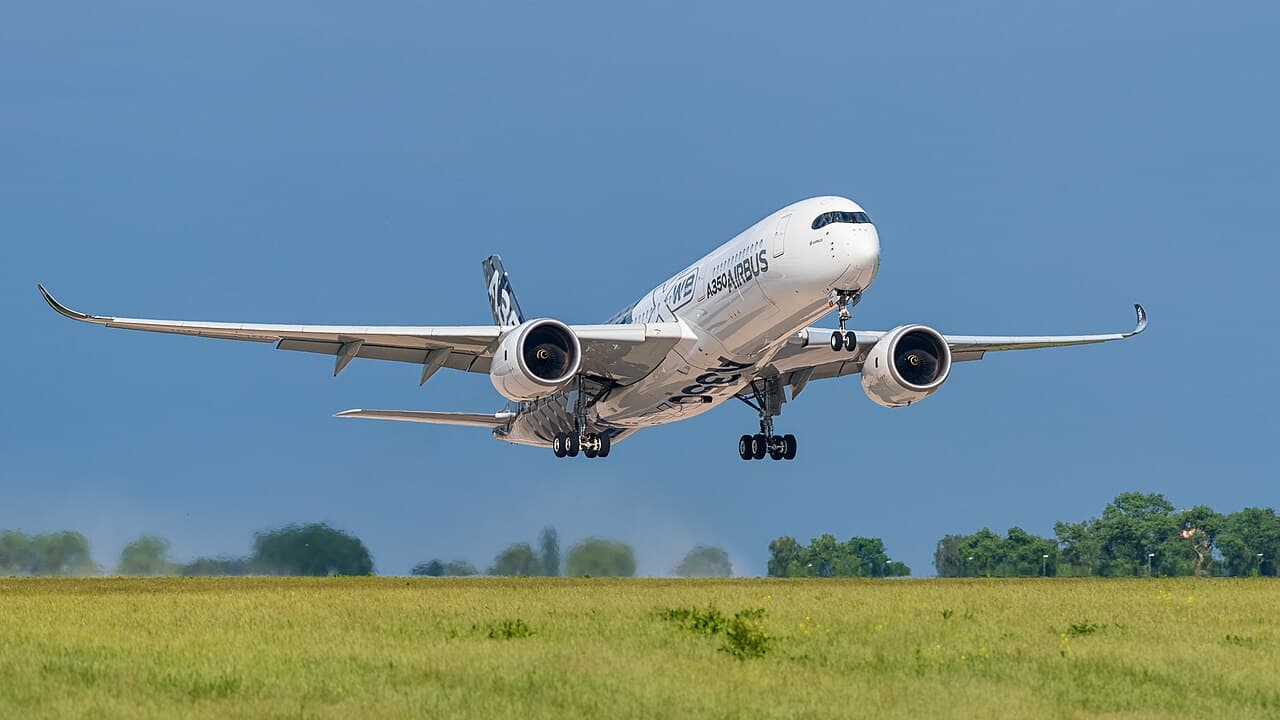
Image: Julian Herzog ( Website ) · CC BY 4.0 · via Wikimedia Commons
Qantas unveils innovative low-density Airbus A350-1000ULR cabin for Project Sunrise
Qantas reveals a spacious 238-seat Airbus A350-1000ULR cabin featuring privacy-focused First and Business suites, a bespoke Wellbeing Zone, and premium amenities ahead of Sydney-London non-stop launch.
The gist
Qantas introduces a uniquely spacious Airbus A350-1000ULR cabin with advanced comfort and wellbeing features for its ultra-long Sydney-London flights.
Continuing coverage
All Qantas →- Former Qantas CEO Alan Joyce Offers Regrets but Defends Pandemic-Era Decisions
- Airbus fixed A380 wing cracks by replacing carbon composite parts with aluminum to avoid fleet grounding
- Qantas A350-1000ULR completes 19-hour nonstop maiden flight from Toulouse to Melbourne
- Airbus A350-1000ULR embarks on nonstop Toulouse to Melbourne test flight
- Qantas A321 Freighter First Cargo Plane to Land at Western Sydney International
Qantas Airways has unveiled the latest design for its Airbus A350-1000ULR cabin, set to operate the world’s longest non-stop flights from Sydney to London under its Project Sunrise initiative. The new configuration features a notably low-density layout with only 238 seats, the fewest of any A350 variant globally, prioritizing passenger space and comfort on journeys exceeding 20 hours. This pioneering cabin represents a decade of collaboration with the University of Sydney’s Charles Perkins Centre and design partners Caon Design Office to optimize passenger wellbeing on ultra-long-haul flights.
The aircraft, registered VH-OJA and named Vega in homage to the historic Catalina flying boats of the 1940s Double Sunrise service, offers a comprehensive redesign of seating, lighting, dining, and wellness features to support passengers' rest, stretching, and recovery. The design approach integrates scientific research on circadian rhythms and ergonomics to help travelers arrive at their destination feeling refreshed and less jet-lagged.
In First Class, customers will experience six fully enclosed suites arranged in a 1-1-1 format. Each suite boasts an 80-inch flat bed complemented by a reclining armchair, alongside ample workspace and storage solutions including a full-length wardrobe. The First seats incorporate multi-layer memory foam mattresses developed through extensive pressure mapping to enhance sleep quality. Personalized lighting supports circadian adjustment, and digital exterior panels enable discreet communication with cabin crew, balancing privacy with attentive service.
The Business Class cabin contains 52 suites configured 1-2-1, each featuring the first-ever installed sliding door for additional privacy on Qantas aircraft. Centre seats have adjustable dividers to create flexible personal space. These suites offer flat beds extending 80 inches, generous dining and working surfaces, plus expanded storage. Qantas plans innovative dining options aligned with circadian rhythm research, allowing passengers to choose meal timing during scientifically optimized windows. Ambient cabin lighting is programmed to ease the transition to restful sleep.
Premium Economy is designed specifically for ultra-long flights, with 40 seats in a 2-4-2 layout. Each seat includes an ergonomic leg and calf rest system, an 8-inch winged privacy headrest, multiple personal storage areas, and is topped with a bespoke multi-layer memory foam cushion system informed by detailed biomechanical testing. This class promises the most generous seat pitch across any Qantas aircraft.
The Economy cabin features 140 seats in a 3-3-3 layout, offering more seat pitch than any current Qantas fleet member. New seats employ the same custom multi-layer memory foam cushioning found in Premium Economy and are upholstered in a breathable wool blend called Pilbara Red, enhancing comfort in long-duration travel. Economy Plus, positioned at the front of the Economy cabin, offers 42 seats with 34-inch pitch, priority boarding, and overhead baggage access. Platinum and Gold frequent flyers receive varying levels of complimentary or early access to Economy Plus seating.
A novel inflight Wellbeing Zone, designed by Caon Design Office, is situated between Premium Economy and Economy cabins. The zone integrates sculpted wall panels with stretch handles, a screen-guided exercise program tailored to inflight needs, a hydration station, and high-quality refreshments. Qantas is the first airline globally to provide such a dedicated space aimed at passenger health and comfort during ultra-long haul operations.
Complementing the cabin is a new inflight entertainment system representing Qantas’s largest upgrade in over a decade. Features include an interactive journey planner synchronized with cabin lighting to highlight meal service and rest periods. The platform supports 15 languages, personalized viewing histories, and a 'watch together' option for group viewing. High-speed Wi-Fi and Bluetooth connectivity are standard across all cabins, enhancing connectivity throughout the flight.
This comprehensive cabin design for the Airbus A350-1000ULR positions Qantas at the forefront of ultra-long-haul travel innovation. The airline’s focus on physiology-informed design and passenger-centered amenities aims to establish new benchmarks in comfort and health on flights exceeding 19 hours non-stop, launching October 2027 between Sydney and London.
Read more
All Airlines →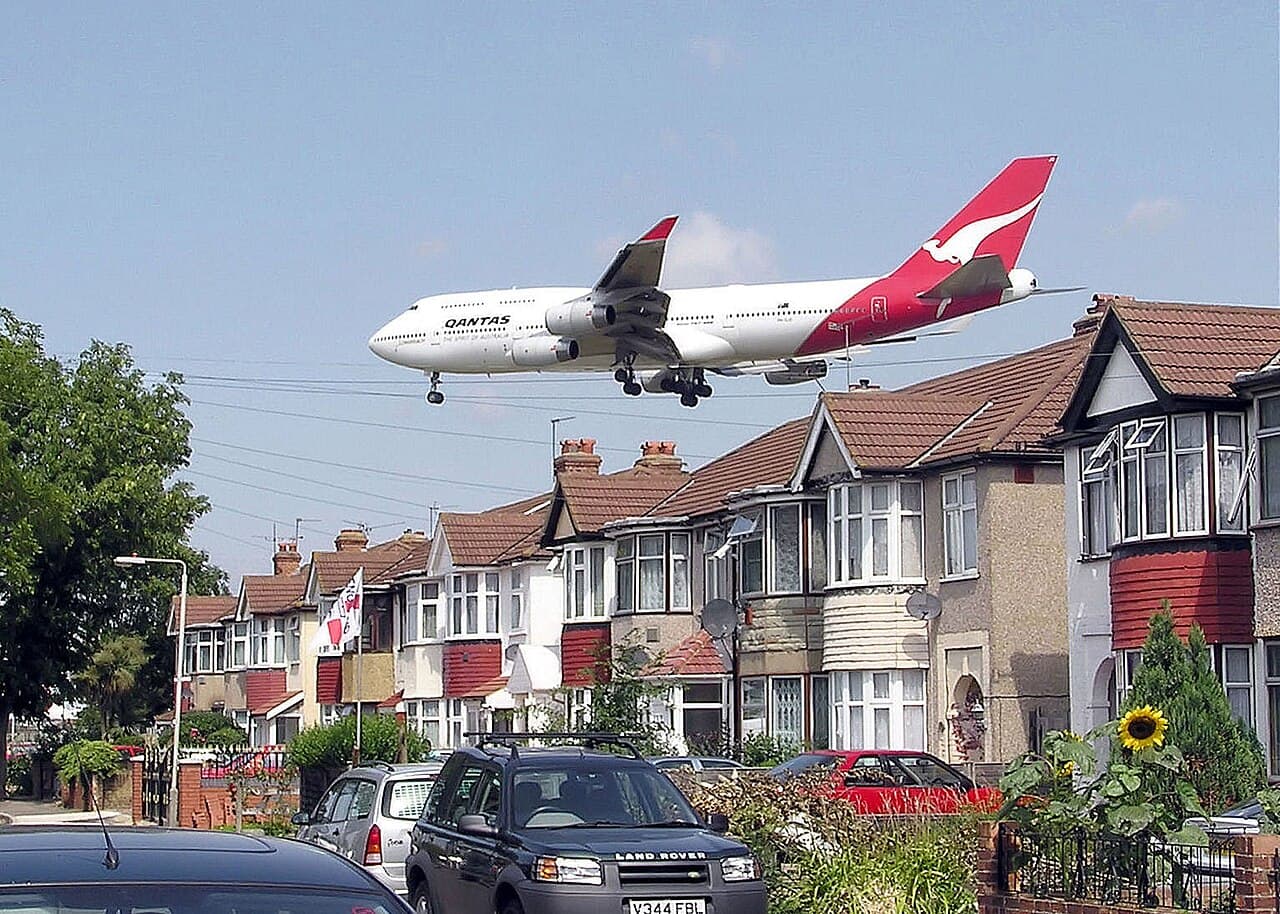
Former Qantas CEO Alan Joyce Offers Regrets but Defends Pandemic-Era Decisions
Former Qantas CEO Alan Joyce is back with a memoir and media tour offering apologies for flight credits, ghost flights, illegal outsourcing, passenger-blaming, and his A$17 million stock sale. But the mea culpas mostly read like justifications: Qantas survived, others were worse, and Joyce still wants credit for "getting more things right than wrong."
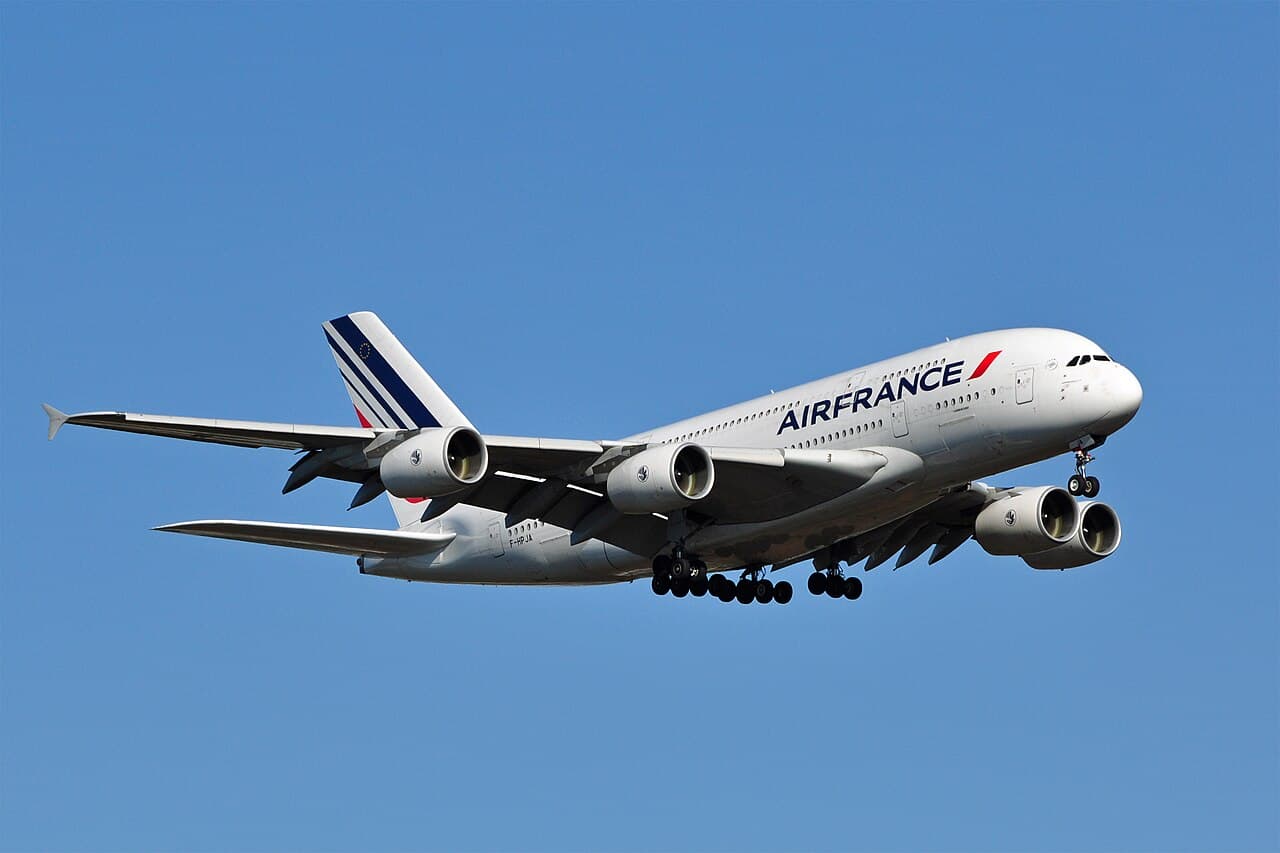
Airbus fixed A380 wing cracks by replacing carbon composite parts with aluminum to avoid fleet grounding
The Airbus A380 is the largest passenger airliner ever built. Airbus launched the double-decker to compete directly with Boeing's 747 and targeted airlines that needed a high-capacity aircraft for long-haul routes between major hubs. The aircraft entered commercial service in 2007 with Singapore Airlines, and several major carriers later added the A380 to their long-haul fleets.
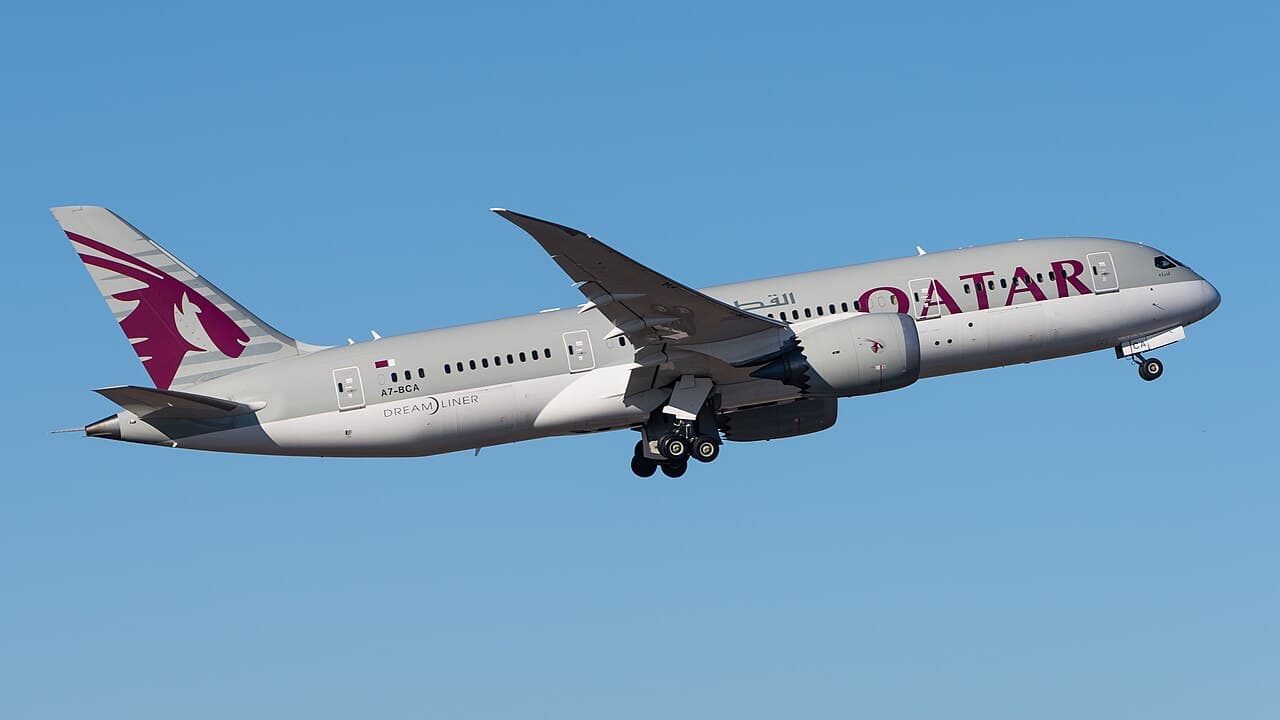
Norse Atlantic Eyes Sale or Merger After IndiGo Leasing Deal Ends
All-Boeing 787 airline Norse Atlantic Airways is pursuing a sale, merger, or partnership, as the airline has otherwise run out of viable options, after India's IndiGo pulled the plug on its aircraft leasing agreement. To Norse Atlantic's credit, the airline sure is putting a positive spin on this . Is there any chance this will work out well for the airline, or is this overoptimism? Norse Atlantic gets back 787s, has nowhere to fly them The airline industry can be a funny business, and there's no clearer example of that than Norse Atlantic Airways. The airline launched in 2022 , with the goal of operating long haul, low cost flights, particularly across the Atlantic. That wasn't exactly a unique business model, because this was exactly what Norwegian did, before it discontinued long haul flights in 2021 . Not only was the idea sort of copied, but Norse Atlantic had some executives from Norwegian, and even picked up the planes that Norwegian previously flew. But as is all too common in the airline industry, clearly they thought it would be different this time around… it wasn't. So in 2024 we saw the airline update its business model , making the focus less about operating regularly scheduled commercial flights, and more about leasing out aircraft, all while reducing its fleet. The company got a lifeline when IndiGo decided to lease some Norse Atlantic 787s to dabble in long haul flying, ahead of the airline taking delivery of its own Airbus A350s . However, between all the airspace closures, high oil costs, and generally declining performance at IndiGo as the airline increasingly moves away from its core strengths, the airline has now decided to scrap that experiment. These planes will be returning to Norse Atlantic as of November 1, 2026. This means Norse Atlantic will be getting back five Dreamliners (beyond the one that has already been returned), just in time for the winter season… which isn't exactly the ideal time of year for a long haul, low cost airline to get more planes! So what's the plan? Norse Atlantic's IndiGo leases are coming to an end Norse Atlantic now open to basically any opportunity What does Norse Atlantic plan to do with these planes that are being returned? Well, let me just quote the airline. Here's what it had to say about fleet deployment: Norse is already engaged in discussions with several airlines regarding ACMI opportunities for up to five aircraft and expects to provide further updates in due course. Moreover, the Company intends to deploy part of the returning fleet within its own network for increased production on selected profitable routes during the upcoming winter season, such as flights from Europe to Orlando and New York. And here's the more interesting point, about a strategic update: The transition provides Norse Atlantic with greater fleet flexibility as the Company advances its strategic review. Given the level of interest received to date as part of the strategic review, the Board has decided to move forward with a formal process, which may result in a sale, merger or partnership. Further information will be provided as and when appropriate. I also can't help but point out this quote from Norse Atlantic CEO Eivind Roald: "The return of these six aircraft opens up strategic opportunities that were not available to us before. We are seeing strong demand for modern, fuel-efficient long-haul aircraft, and we also see attractive opportunities to deploy additional capacity within our own network. Our priority is to use this increased flexibility to improve profitability and create long-term value for our shareholders." Correct, when you run out of business opportunities, that does indeed open up strategic opportunities that were not available before! Now, I'm struggling to see where there's much upside here. Norse Atlantic leases its fleet of planes, so it's not like an "acquisition" of a company that barely has scheduled flights and that is struggling to lease out aircraft adds much value. If Norse Atlantic's own scheduled operations were anywhere close to profitable on a year-round basis, the airline wouldn't be in this situation. If someone wanted the planes, well… they could just do what Norse Atlantic did to Norwegian. Wait until the company goes out of business and the planes are returned to the leasing company, and then pick them up there. I'm not trying to be so flippant, I feel bad for the people who would be losing their jobs here. But we also have to be realistic that basically replicating a failed business model with the same planes and similar routes isn't a recipe for success. We've seen this over and over… just look at what we saw in Iceland with WOW Air and then PLAY Airlines. Norse Atlantic's top cabin is premium economy Bottom line Norse Atlantic is once again finding itself in a tough situation — well, even tougher situation, since I don't think it was ever in a good situation. For the past 18 months or so, the airline has been leasing out a majority of its active fleet to IndiGo, but those planes will be returned as of late 2026. While the airline claims it will try to redeploy the planes on profitable routes, that's easier said than done. It's also reportedly in talks to lease the planes to other airlines. The company is pursuing "strategic opportunities," which could include a sale, merger, or partnership, but the upside seems pretty limited when your planes are leased in the first place. How do you see this situation playing out for Norse Atlantic?
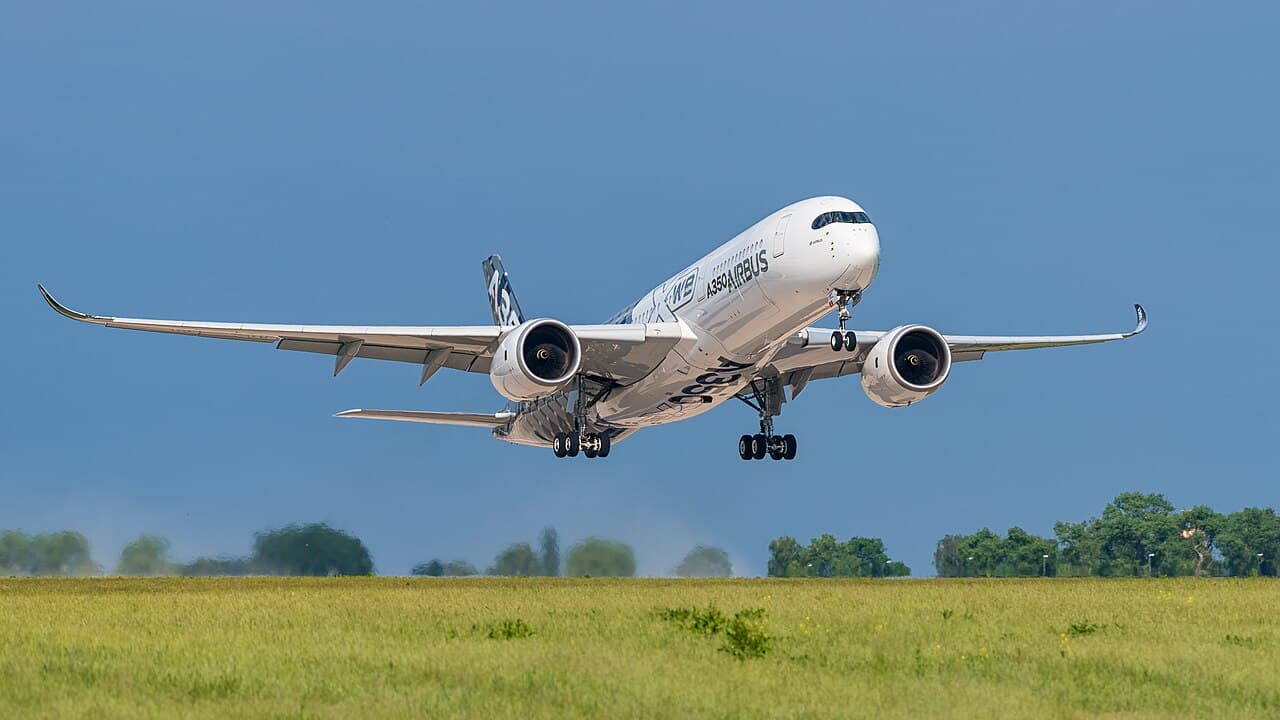
IndiGo Halts Leased Widebody Flights, Awaits Airbus A350 to Restart Long-Haul Service
India’s largest airline, IndiGo, will suspend its current wide-body flight operations from October 25, 2026, marking a temporary halt to its early long-haul experiments while it awaits delivery of its own Airbus A350-900 fleet. ezstandalone.cmd.push(function () { ezstandalone.showAds(119); }); The decision, announced on July 31, also ends the airline’s damp-lease (ACMI) agreement with Norway’s Norse Atlantic Airways. Under this arrangement, six Boeing 787-9 aircraft had been operating selected India-Europe routes since early 2025. IndiGo entered the partnership to accelerate learning in long-haul operations, develop crew and network capabilities, and establish brand presence ahead of its A350 arrivals, originally expected from 2027. ezstandalone.cmd.push(function () { ezstandalone.showAds(127); }); The leased Dreamliners enabled services to destinations including London Heathrow, Amsterdam, Manchester, and others. External Pressures Force ACMI Closure However, the operating environment deteriorated markedly. Airspace restrictions linked to Middle East geopolitical tensions forced longer routings, while elevated fuel prices, currency pressures, and rising costs eroded route efficiency, schedule reliability, and competitiveness. ezstandalone.cmd.push(function () { ezstandalone.showAds(128); }); As a result, Mumbai–Amsterdam flights will switch to IndiGo’s Airbus A321XLR narrowbodies from October 25. London Heathrow services will be temporarily discontinued until the A350-900s arrive. Photo Credit: IndiGo The airline has stressed that its broader international expansion plans remain intact, with continued growth via the A321XLR and eventual deployment of its 60 ordered A350s. IndiGo has pledged to support affected passengers through alternative arrangements or refunds. ezstandalone.cmd.push(function () { ezstandalone.showAds(129); }); From Norse Atlantic’s perspective, the parties mutually agreed to end the ACMI partnership effective November 1, 2026. One of the six 787-9s had already been scheduled for return at the end of August following IndiGo’s earlier closure of its Manchester route. The remaining five will now also be redelivered. Norse Atlantic Perspective Norse CEO Eivind Roald described the 18-month collaboration as valuable but noted that elevated fuel prices, airspace disruptions, and longer flight routings from the Middle East conflict had undermined commercial viability for both sides. ezstandalone.cmd.push(function () { ezstandalone.showAds(130); }); “We have jointly concluded that alternative deployment of the aircraft will be more commercially beneficial to both parties,” Roald said. The returned aircraft will give Norse greater flexibility. The carrier is in discussions with multiple airlines for new ACMI placements covering up to five jets and plans to deploy part of the fleet on profitable winter routes, including services from Europe to Orlando and New York. This capacity boost also supports Norse’s ongoing strategic review. Following interest from potential counterparties, the board has launched a formal process that could lead to a sale, merger, or strategic partnership, aiming to enhance long-term shareholder value. ezstandalone.cmd.push(function () { ezstandalone.showAds(131); }); Photo Credit: IndiGo Conclusion The episode highlights the challenges facing long-haul operators in a volatile geopolitical climate. For IndiGo, the pause represents a prudent short-term recalibration rather than a retreat from international ambitions. The airline built its success on a disciplined narrowbody model and views the A350 programme as the foundation for genuine long-haul growth. For Norse Atlantic, the end of a major ACMI contract that once covered half its fleet creates both near-term redeployment opportunities and strategic optionality. As IndiGo transitions its European network and prepares for its own widebodies, and as Norse seeks new partners or structural change, both carriers are adapting to an industry environment where flexibility and cost discipline have become essential. ezstandalone.cmd.push(function () { ezstandalone.showAds(132); }); The temporary cessation of IndiGo’s leased widebody flying underscores how external shocks can reshape even carefully planned expansion strategies, while reinforcing the airline’s long-term commitment to connecting India with the world.
The Daily Touch & Go
The day's best aviation news in your inbox. Free, no spam.