
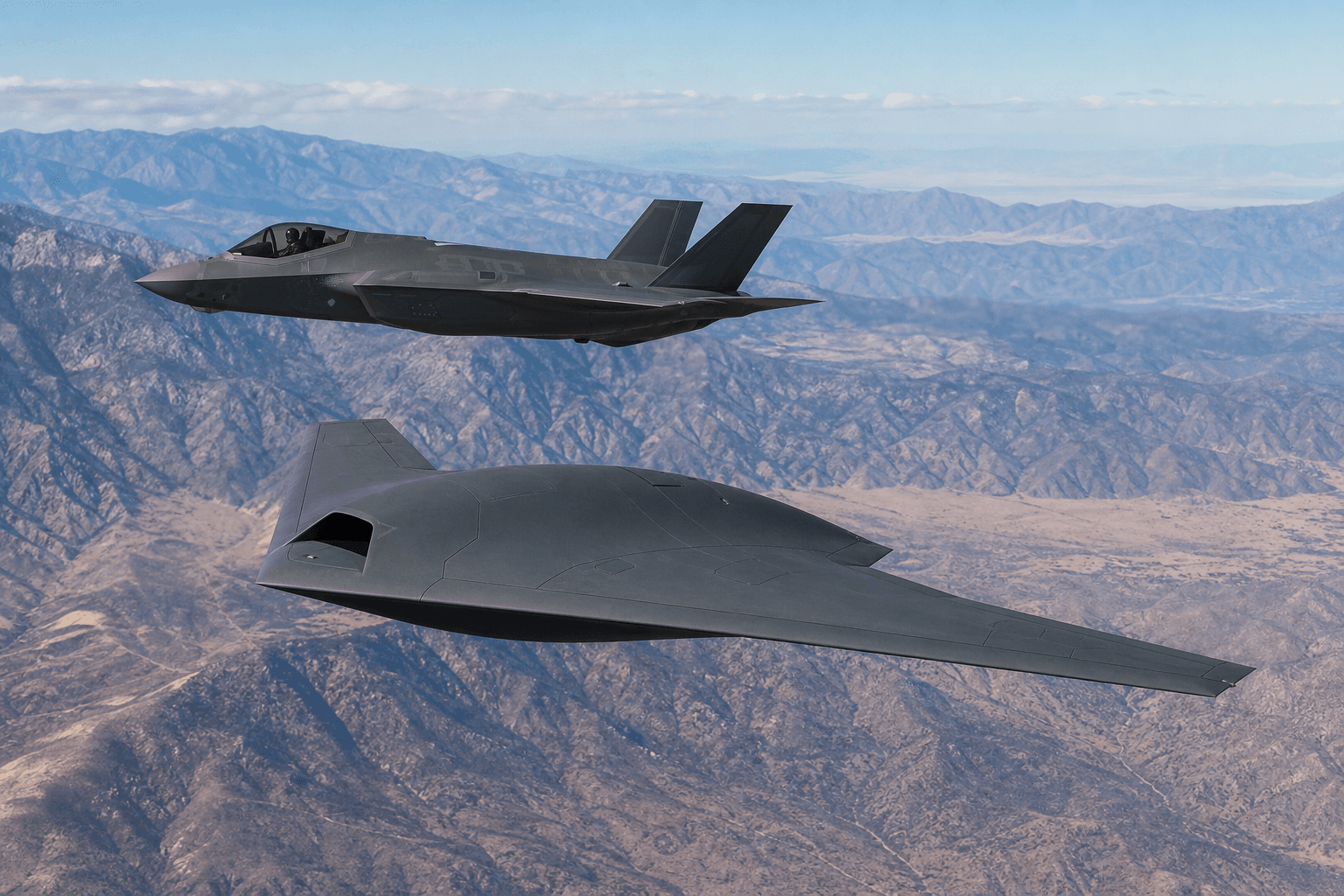
Illustration: The Touch & Go
Over 20 Companies Remain Eligible for Air Force's Collaborative Combat Aircraft Increment 2
The U.S. Air Force confirmed that more than 20 companies continue in contention for Increment 2 of the Collaborative Combat Aircraft program, expanding beyond the initial nine selected in February.
The gist
More than 20 firms remain in the running for the Air Force’s Collaborative Combat Aircraft Increment 2 contract, showing increased competition.
The U.S. Air Force has announced that over 20 companies remain eligible contenders for Increment 2 of its Collaborative Combat Aircraft (CCA) program. This development follows an earlier February announcement that identified nine initial companies for consideration. The expansion in the pool of competitors indicates growing industry interest and a wider competitive landscape for the next phase of the CCA program.
Increment 2 of the CCA program aims to develop advanced unmanned combat aircraft capable of operating alongside manned fighters, enhancing mission capabilities and force multiplication. These advanced platforms are expected to integrate with the Air Force’s existing fighter fleets, contributing to future combat readiness and operational flexibility.
The CCA program is central to the Air Force’s vision of leveraging autonomous systems to achieve air dominance. Increment 2 is a key milestone intended to mature technologies and demonstrate operational concepts that support manned-unmanned teaming in contested environments. The broadening pool of qualified companies suggests that innovative solutions are emerging from various defense contractors across the industry.
This expanding competition could influence the program's selection process, potentially leading to more diverse prototype designs and technology demonstrations. Greater competition can drive innovation and may affect contract award strategies as the Air Force moves closer to flight testing and eventual fielding.
The Air Force’s confirmation that more than 20 companies remain in the process underscores an active and evolving defense market for advanced combat robotics. Observers will be watching closely as the program progresses through incremental development and testing phases, which are expected to shape the future of tactical air combat capabilities.
The competitive dynamics surrounding Increment 2 of the Collaborative Combat Aircraft underscore the U.S. military’s commitment to integrating autonomous systems into its combat operations. Stakeholders anticipate further announcements detailing shortlisted candidates and schedule milestones as the program advances.
More in Military/Defense
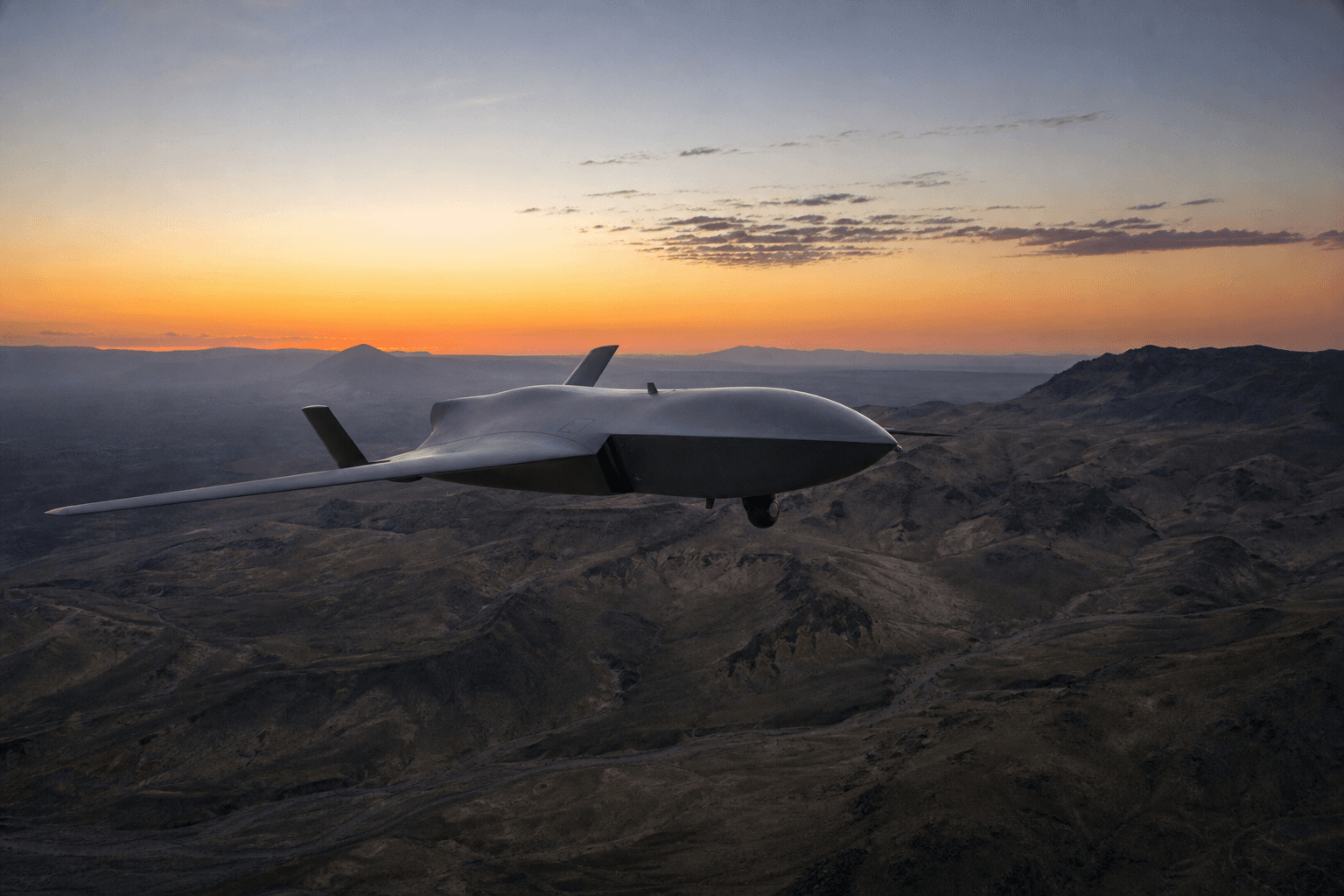
Honeywell launches new navigation system for CCAs
New system is smaller, more effective than existing equipment. Honeywell Aerospace has announced a new navigation system for collaborative combat aircraft (CCA) that can function in contested environments. The Kestrel navigation system is designed to help uncrewed assets operate reliably in environments where GPS signals can be degraded, jammed, or spoofed, says the company. The…
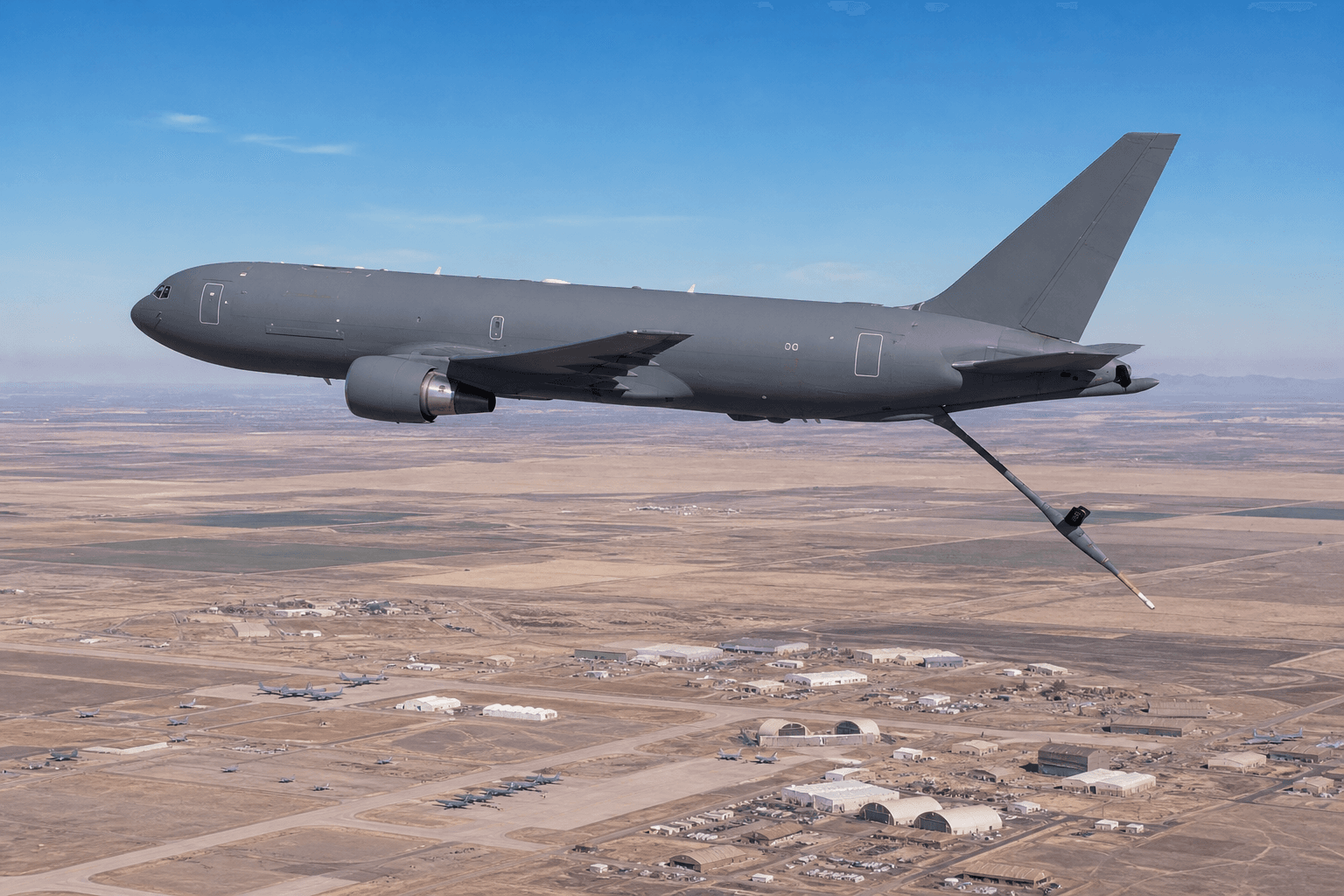
The US Air Force Spent $10 Billion On A Tanker That Still Can't Do Its Most Basic Job
The US Air Force's KC-46 Pegasus remains trapped in a costly limbo more than a decade after development began.
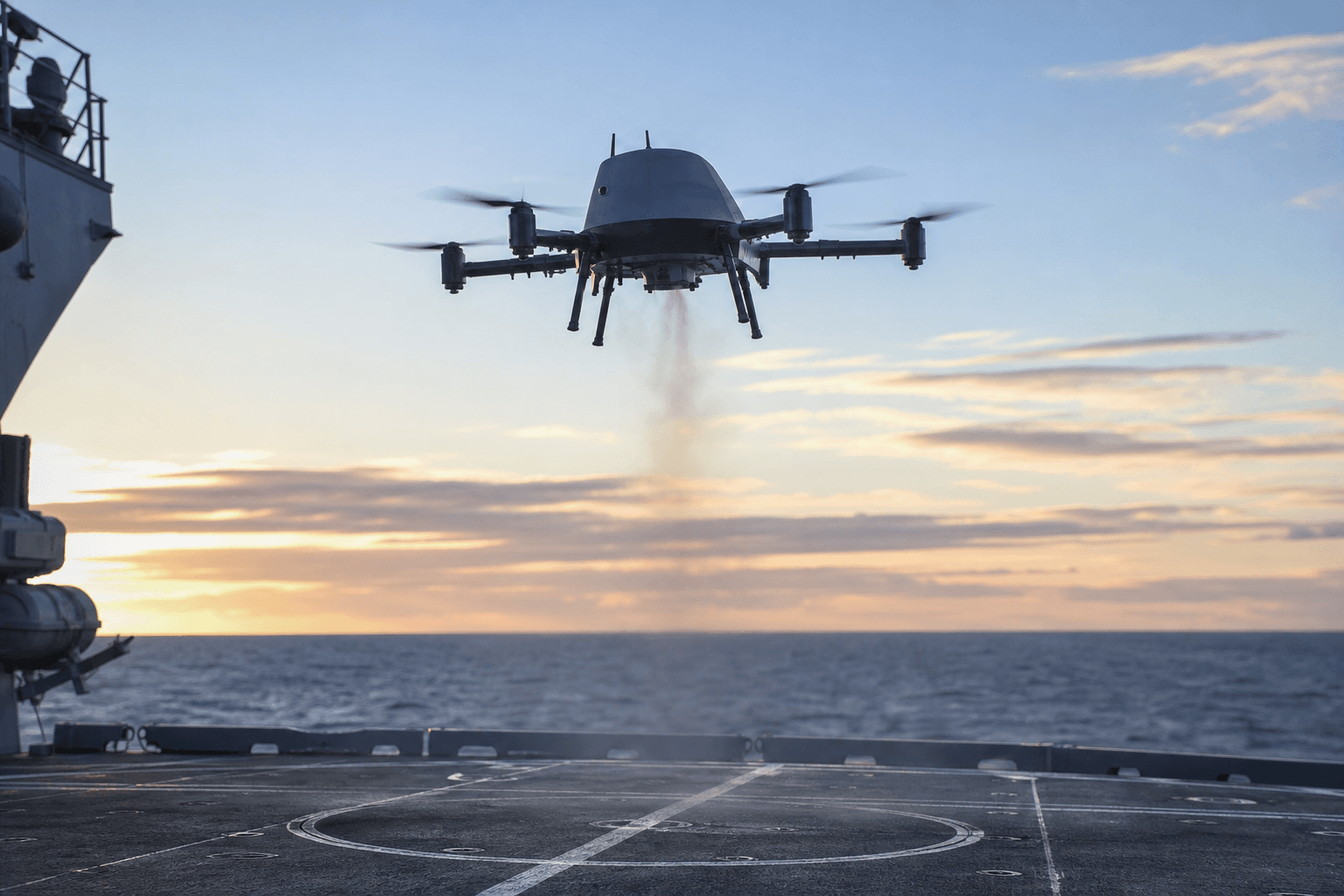
Mach Industries Wins DIU Contract For Runway-Independent Navy Drones
Startup weapons developer Mach Industries on June 16 announced it won a contract award to serve as aircraft integrator for a Defense Innovation Unit (DIU) program focused on developing runway-independent […]
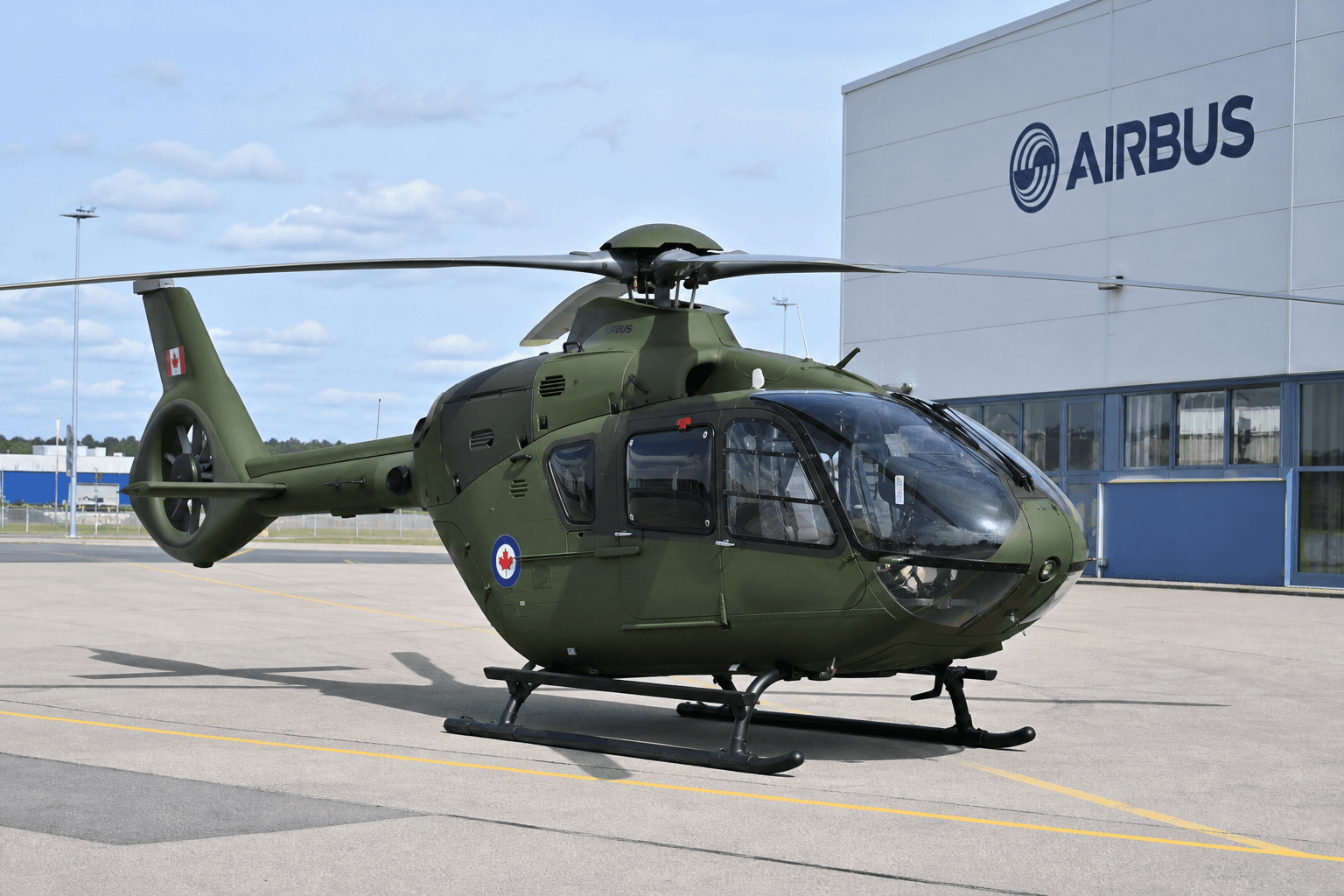
Airbus delivers first H135 helicopter trainer to Canadian air force
The acquisition is part of a wholesale modernisation of Canada's military trainer fleet, including both rotary- and fixed-wing platforms. Airbus Helicopters has delivered the first H135 rotary-wing trainer to the Royal Canadian Air Force. The light twin will enter service with the RCAF as the CT-153 Juno after being turned over from Airbus' completion centre…