

Illustration: The Touch & Go
Honeywell unveils compact Kestrel navigation system for contested CCA environments
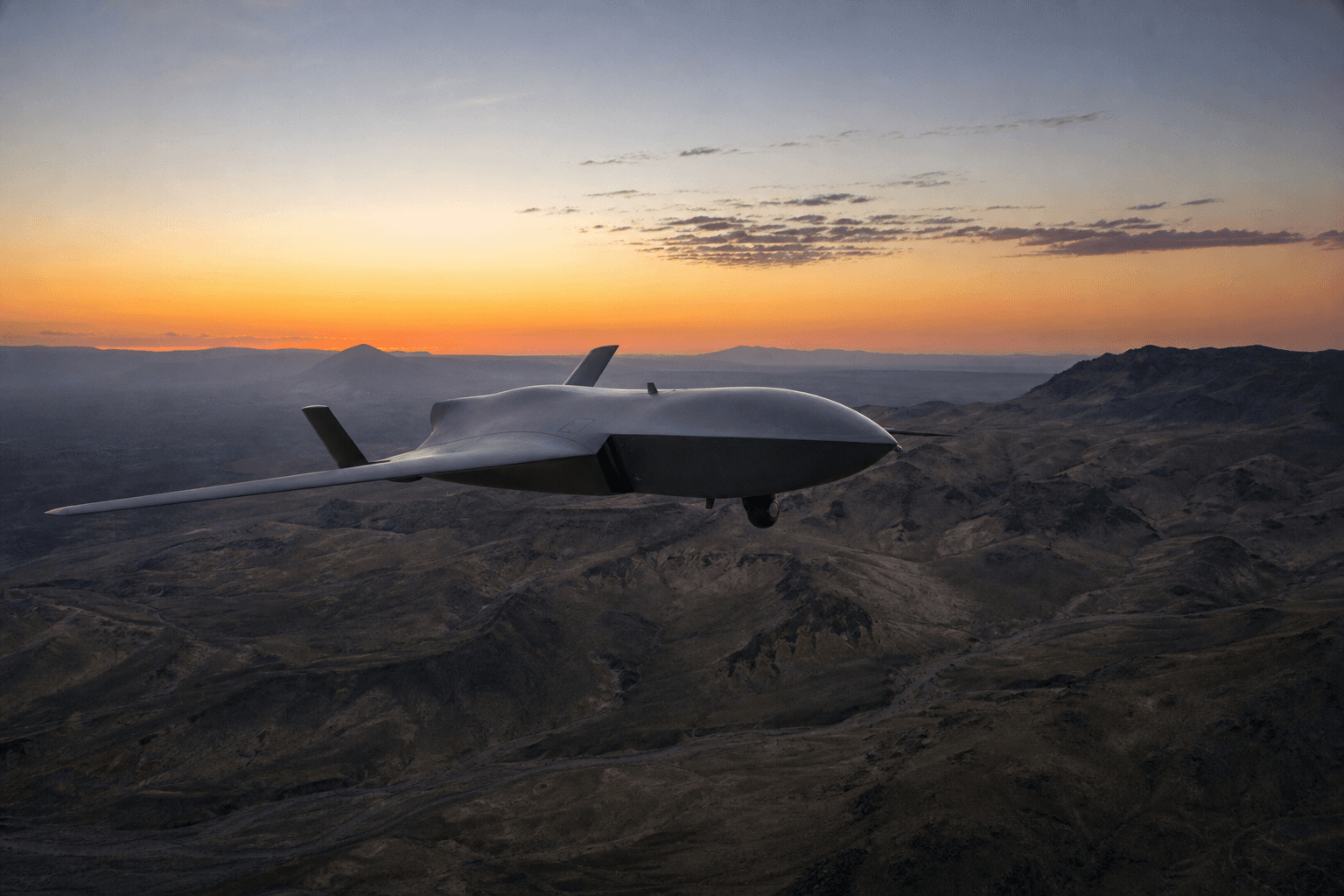
Honeywell Aerospace has launched Kestrel, a navigation system designed to enhance reliability and accuracy for Group 2 and 3 collaborative combat aircraft operating in GPS-denied or contested areas.
The gist
Honeywell introduces Kestrel, a smaller, more accurate navigation system tailored for uncrewed combat aircraft facing GPS threats.
Honeywell Aerospace has introduced its new Kestrel navigation system aimed at supporting collaborative combat aircraft (CCAs) dealing with contested environments where GPS can be unreliable. This system responds to the critical need for resilient navigation solutions as uncrewed assets increasingly operate in high-threat areas where GPS signals may be degraded, jammed, or spoofed. Kestrel is explicitly designed for Group 2 and Group 3 CCAs, with weight classifications from 55 to over 600 kilograms, encompassing a wide range of uncrewed platforms as defined by the US Air Force.
Designed to meet modern operational challenges, the Kestrel system integrates Honeywell’s HG3900 inertial measurement unit (IMU) with military M-Code and multi-GNSS receivers. This combination enhances navigation resilience by fusing inertial data with secure satellite signals, ensuring continuous positioning capabilities even when adversarial actions compromise GPS reliability. The system boasts an 80% improvement in navigation accuracy for uncrewed platforms, a significant step forward over legacy equipment.
Apart from uncrewed combat aircraft, Honeywell notes that Kestrel can be adapted for loitering munitions and smaller crewed aircraft, broadening its applicability within defense aviation segments. This versatility aligns with evolving mission requirements, where both autonomous and pilot-operated small platforms operate in GPS-challenged environments. The compact size and reduced weight were key design drivers, with Kestrel being 40% smaller than comparable legacy navigation solutions.
Matt Picchetti, vice-president and general manager of Navigation & Sensors at Honeywell Aerospace, emphasized that the system addresses the growing demand for navigation technologies that are smaller, lighter, and more cost-effective while maintaining high performance in contested conditions. He noted that traditional GPS systems lag in environments with sophisticated electronic warfare, making resilient navigation technology essential for mission success.
The announcement builds on Honeywell’s continued involvement in the CCA domain. Earlier in 2026, Honeywell secured a US Air Force contract focused on developing small turbofan engines for uncrewed aircraft, collaborating alongside GE Aerospace and Kratos. This expansion into propulsion complements Honeywell’s navigation expertise and reflects a strategic effort to provide integrated solutions for emerging uncrewed combat systems.
The classification of collaborative combat aircraft into Groups 2 and 3 by the USAF positions Kestrel as a critical technology for mid-size unmanned platforms weighing from 55 to over 600 kilograms. These CCAs play increasingly prominent roles in reconnaissance, strike, and force multiplication missions, often in contested airspace where GPS vulnerabilities pose mission risks. Honeywell’s Kestrel offers a technological answer that enhances operational reliability and navigational confidence in such demanding contexts.
Kestrel’s improved accuracy and reduced size contribute toward reducing system weight and power consumption on uncrewed platforms, factors critical for endurance and payload capacity. By enhancing positional awareness under electronic attack conditions, the system supports safer and more precise mission execution. This advancement also responds to the broader trend of integrating advanced sensor fusion to counter increasingly sophisticated electronic warfare environments.
In an era where autonomous and semi-autonomous aircraft operations are expanding across contested theaters, navigation robustness directly influences mission viability and survivability. Honeywell’s deployment of Kestrel adds a significant asset for defense customers looking to enhance the autonomy and resilience of their collaborative combat aircraft fleets.
With multiple industry players competing for USAF and allied contracts in uncrewed systems, Honeywell’s launch of Kestrel is a clear signal of its intent to maintain a leadership role in navigation technologies supporting future combat aviation platforms. The system’s combination of size, accuracy, and electronic warfare resilience is likely to influence forthcoming design choices for CCAs and related unmanned assets.
Read more
All Military/Defense →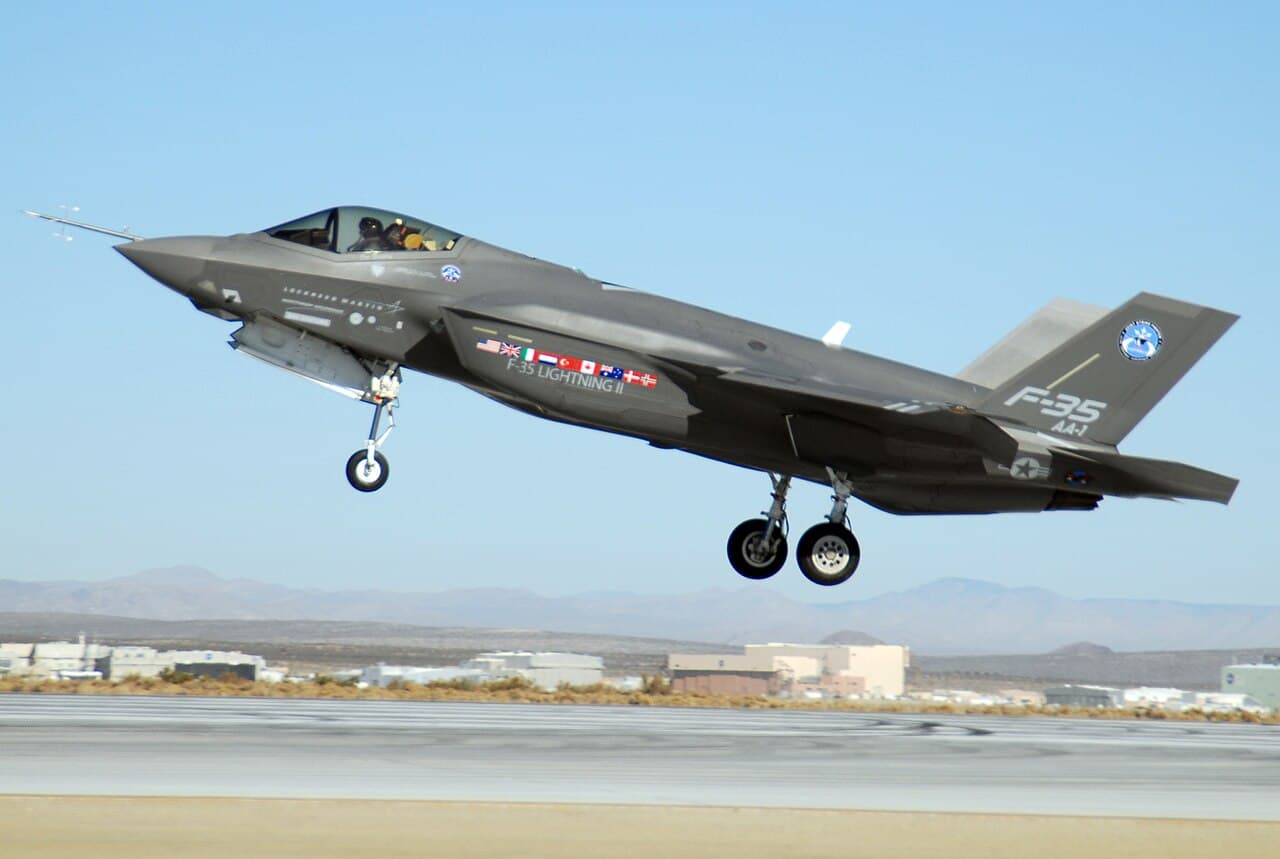
US Controls All F-35 Mission Data Updates, Grounding Allied Squadron Autonomy
The Lockheed Martin F-35 Lightning II is one of the most important weapon systems developed in the 21st century. It represents a major paradigm shift for air power not only in the US Air Force, but the Navy and Marines as well as 19 other US Allied partner nations around the world that are part of the global fleet. In addition to being the most expensive defense industrial project in history, it is also one of the most closely guarded classified projects to ever become a multinational defense program.
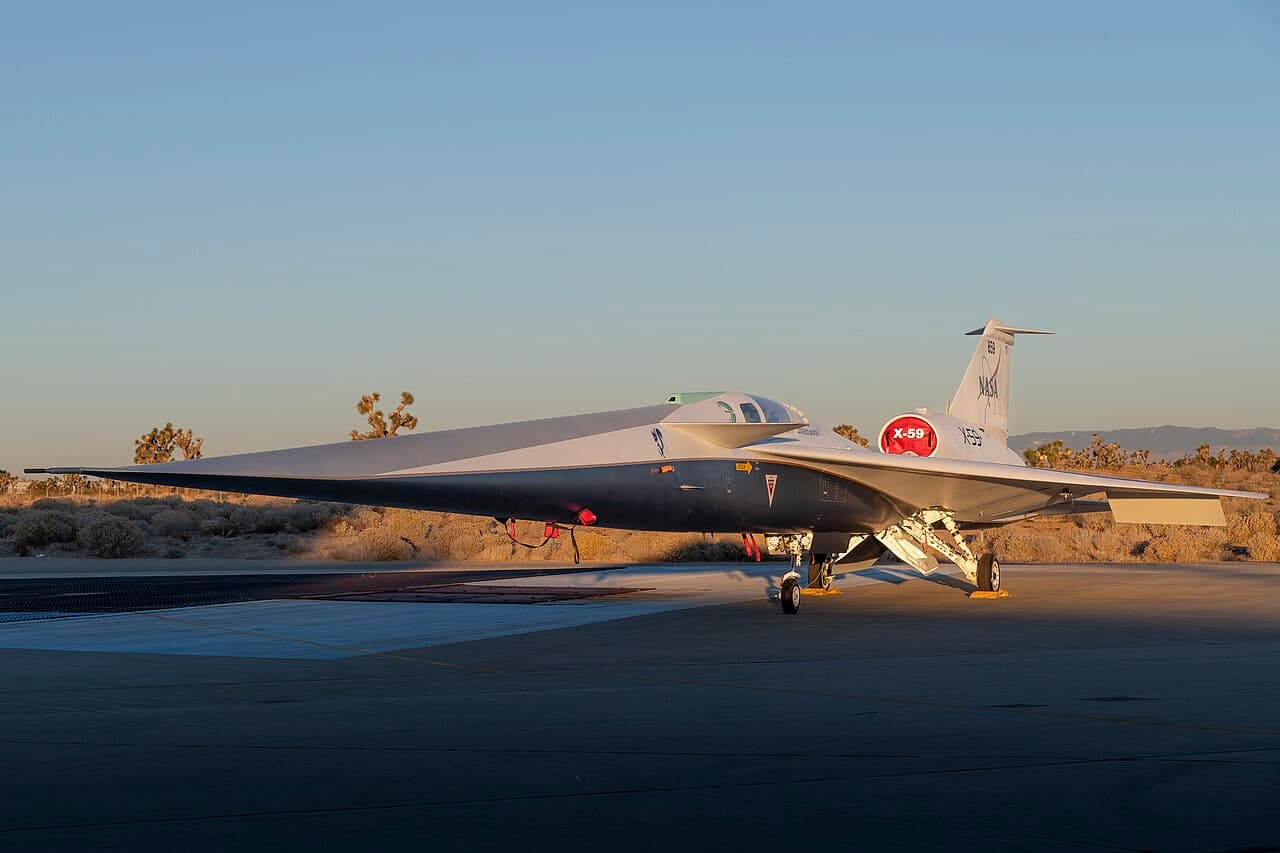
NASA X-59 Quesst Breaks Sound Barrier After Nearly Seven Months of Careful Test Flights
The NASA X-59 Quesst aircraft, built by Lockheed Martin Skunk Works, took roughly seven months from its first flight on October 28, 2025, to safely cross the sound barrier for the first time on June 5, 2026. Rather than immediately flying at full speed, experimental aircraft must undergo a careful process called envelope expansion. Even though the X-59 is intended to pioneer quiet supersonic flight for commercial airliners, engineers must slowly push the aircraft's limits to ensure it remains safe and controllable.
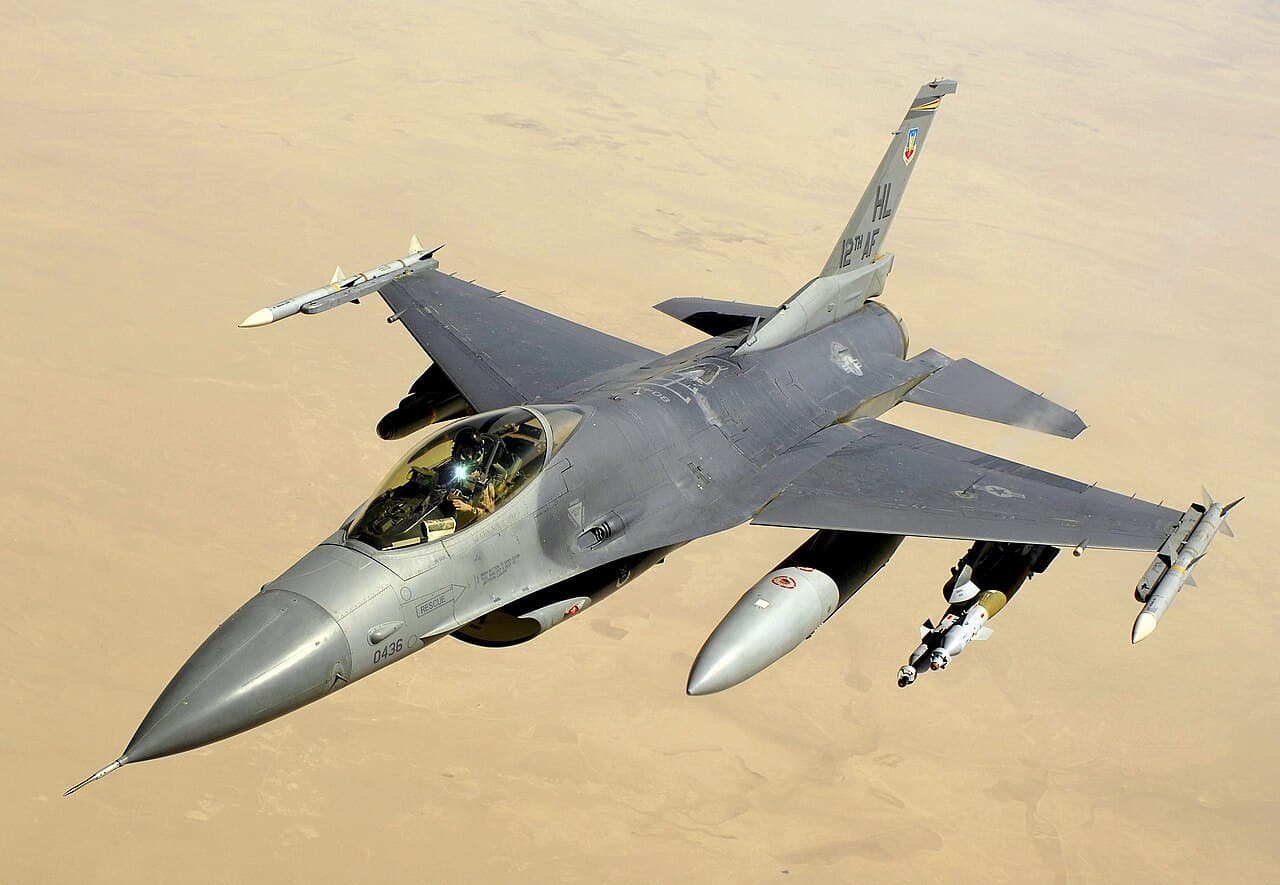
F-16 Viper Gets Major Combat Boost with New AN/APG-83 AESA Radar Upgrade
The Lockheed Martin F-16 Fighting Falcon, also known as the Viper, is no longer the premier lightweight fighter jet of the US Air Force, but it is far from irrelevant. As a much less expensive airframe than the more exquisite F-35 Lightning II, the Viper continues to roll off the assembly line. It is the most mass-produced supersonic fighter jet still in production today, with more than 4,500 examples having been delivered. Now, the existing fleet is also getting a major lethality upgrade in the form of the Northrop Grumman AN/APG-83 Scalable Agile Beam Radar.
Turkish Aerospace to Restart T-70 Helicopter Production After US Sanctions Lifted
Improved ties between Ankara, Washington lift T-70 programme. Turkish Aerospace (TAI) will resume production of the T-70 utility helicopter – a local variant of the Sikorsky S-70 – following sanctions relief from the US government. "The [T-70] programme has already started again," says TAI chief executive Mehmet Demiroglu, speaking at the recent Farnborough air show. "As of the beginning of this year, we reached an agreement with Sikorsky for another 39 units, and we received export licenses for that programme, so we don't see any problem." The sanctions originally stemmed from Ankara's decision to obtain Russia's S-400 surface-to-air missile system, a move that upset Washington. The administration of US President Donald Trump, however, has aimed to improve ties with Turkish President Recep Tayyip Erdogan. This includes sanctions relief, including the possibility of bringing Turkey back into the Lockheed Martin F-35 programme . Despite the warming ties, Demiroglu indicates that sanctions "inevitably" caused delays to the programme. He indicates that 38 T-70s were completed before the impact of sanctions were felt. The type is operated by the Turkey's air force and army, as well as parapublic agencies. Original plans had called for 109 T-70s to be produced by TAI. Demiroglu indicates that after the upcoming 39-unit batch an additional 32 could be produced, which would bring deliveries to the 109 figure. He hints that the full allotment of T-70s may be needed given that over 200 in-service Turkish military helicopters will be retired by 2040. "So, within that ten-year period the Turkish armed forces will need more than 200 platforms." Based on the S-70, the T-70 features a range of indigenous structures, avionics, and locally produced Tusas Engineering Industries T700 engines. He adds that work continues with the 11t T925 helicopter, which will serve in both civilian and military roles. In addition to supporting Turkish military replacement needs in the 2030s, he expects strong export demand for the type. He estimates overall demand for the platform, which is due to fly in 2027, could see TAI produce 400-500 examples.
The Daily Touch & Go
The day's best aviation news in your inbox. Free, no spam.