

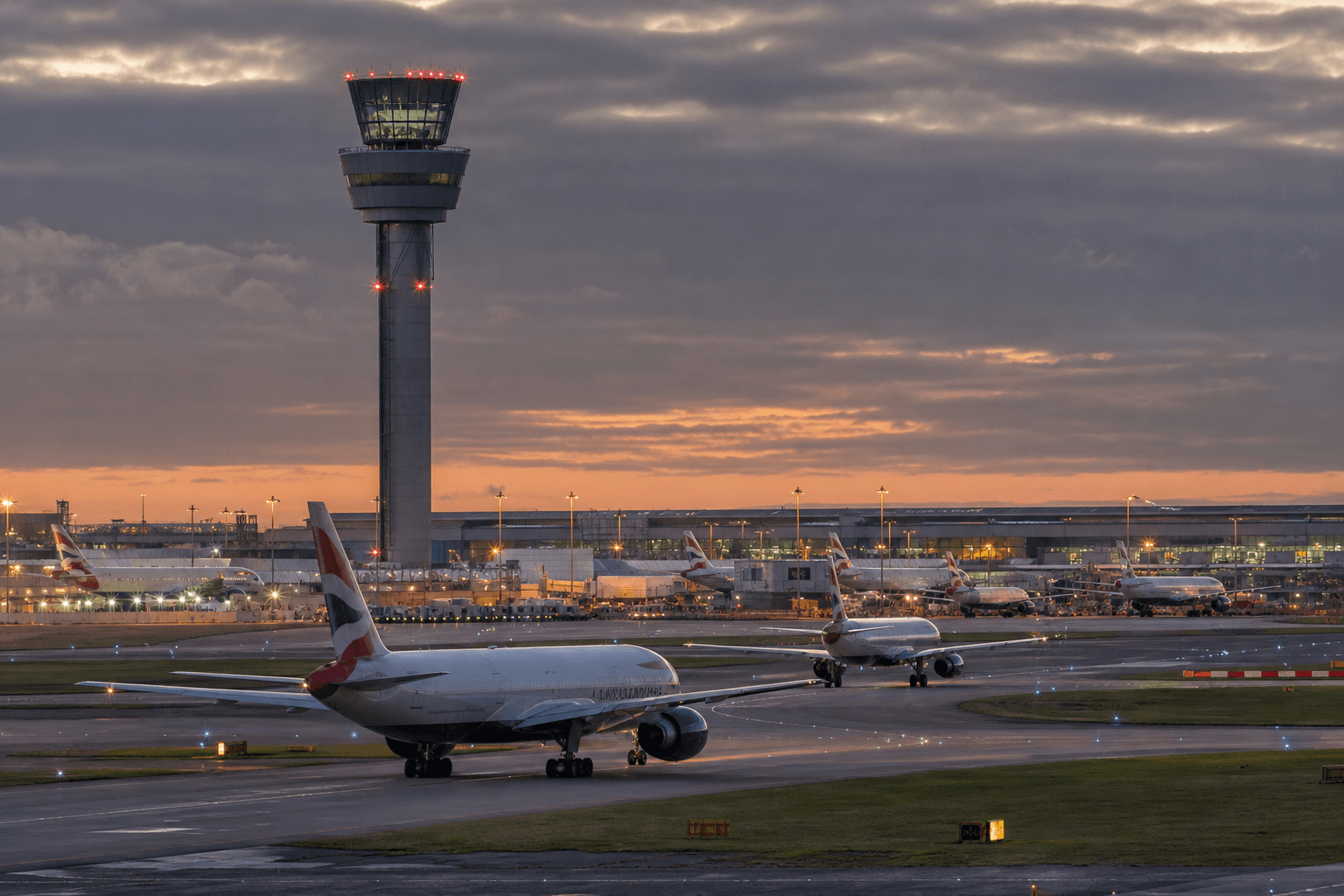
AI-generated illustration
Airlines
NATS CEO Urges Industry-Wide Resilience After UK Airspace Failures
Martin Rolfe points to the need for collective action among UK aviation players following September's air traffic disruptions that grounded flights nationwide.
The gist
NATS CEO says UK aviation must collaborate on resilience after September’s major air traffic outages caused wide-ranging disruption.
Martin Rolfe, chief executive of the UK air navigation service provider NATS, called for a unified approach to aviation resilience following the severe service disruptions in September that resulted in widespread flight cancellations across the country. Speaking at the Airlines 2026 conference in London on 11 November, Rolfe emphasized that restoring air traffic operations after such an outage is a complex process that involves more than just technical fixes; it requires quickly reestablishing predictability for airlines and passengers alike.
The September outage originated from a NATS system failure that brought air traffic control in the UK to a near standstill. Rolfe acknowledged that the responsibility for the incident lies directly with NATS, but he noted how the effects cascaded rapidly across the country’s busy aviation system, illustrating the vulnerability of highly efficient but capacity-constrained operations.
Rolfe explained that the UK's airspace is among the busiest in the world, with very high aircraft utilization leaving minimal surplus capacity to absorb disruptions. He pointed out that this sensitivity means any system fault can have widespread, fast-moving consequences, impacting airlines, airports, and passengers in a highly interdependent network.
In comparing the recent disruptions with similar air traffic control outages in Italy and Switzerland, Rolfe observed that although those countries experienced greater reductions in airspace capacity, their downstream impacts were less severe. This difference was attributed to the UK's intense flight scheduling and tight capacity, which leave little room for operational flexibility during crises.
To address these vulnerabilities, Rolfe stressed the importance of collaboration across the entire UK aviation ecosystem, including airlines, airports, regulators, and government bodies. He said passengers do not distinguish between different parts of the system; they experience air travel as a single journey, and therefore the industry must work together to improve clarity and restore services promptly during disruptions.
Rolfe also highlighted the challenge of upgrading critical infrastructure while maintaining continuous operations in one of the world's most utilized airspace environments. He affirmed that any major system changes must be integrated safely without compromising day-to-day capacity or safety standards, acknowledging that occasional technology failures are inevitable.
Safety remains the foundational priority for NATS despite the operational pressures. Rolfe concluded that future growth of UK aviation depends on improving systemic resilience to operational disruptions just as much as on improving efficiency during normal conditions.
At the same conference, British Airways CEO Sean Doyle addressed the impacts from the 2023 UK air traffic control outage, urging for a comprehensive modernization program that enhances reliability without sacrificing resilience. Doyle commented on the lengthy recovery period required after such outages, noting the trauma caused to customers and airlines by multi-hour disruptions.
Doyle pointed out that the current UK air traffic control system runs at full capacity, leaving no room for extended outages. He stressed that with the system operating at such limits, downtime of several hours is unacceptable and severely affects airline operations and passenger experience.
Originally reported by FlightGlobal
Read more
All Airlines →
Lufthansa Proposes 1,000 Pilot Hires and Pay Changes to End Union Dispute
Lufthansa offers up to 1,000 pilot jobs by 2033, salary adjustments, and pension reforms following months of strikes with pilots' union Vereinigung Cockpit.
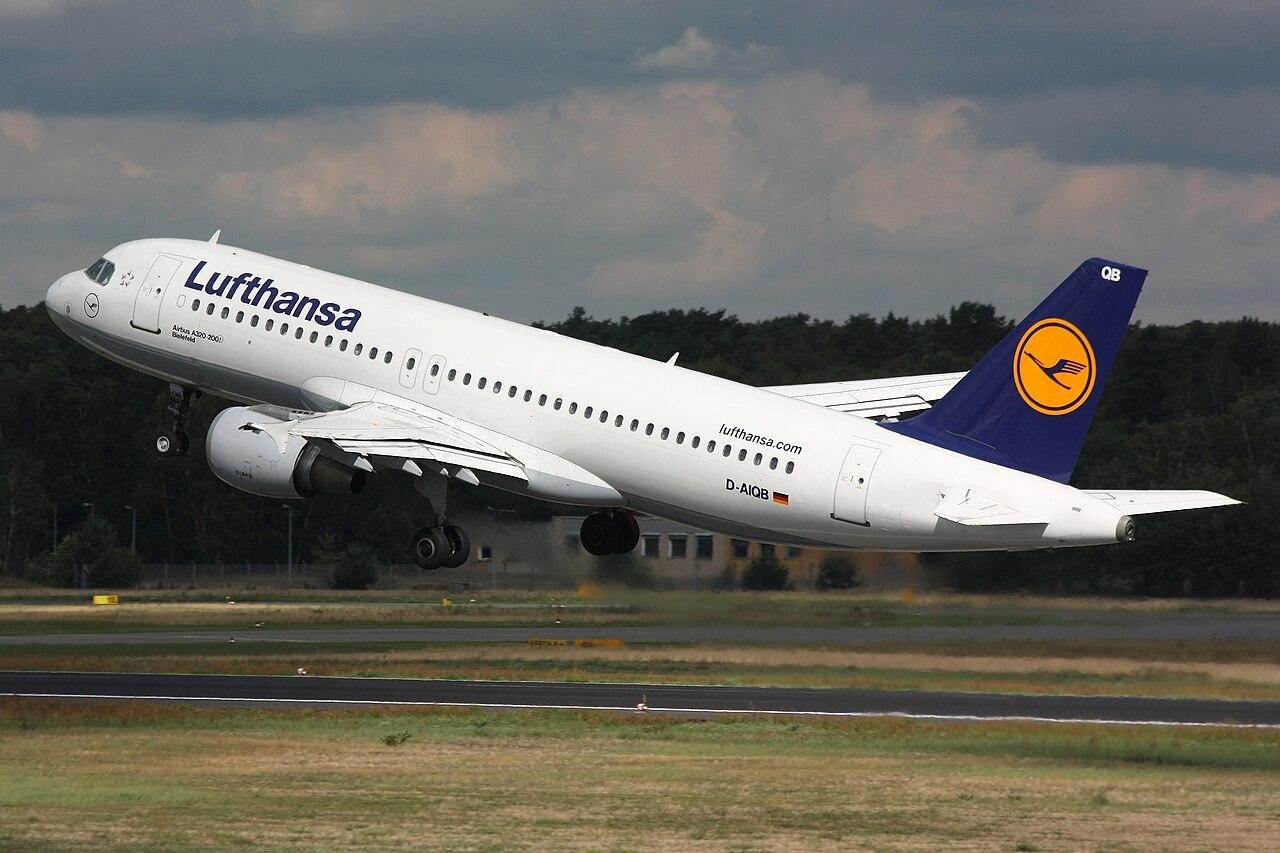
Lufthansa Introduces Premium Business Seats on Select A320 Short-Haul Flights
Lufthansa will offer recliner premium business class seats on six Airbus A320s starting spring 2027, enhancing comfort on routes from Frankfurt to Athens, Cairo, and Nice.
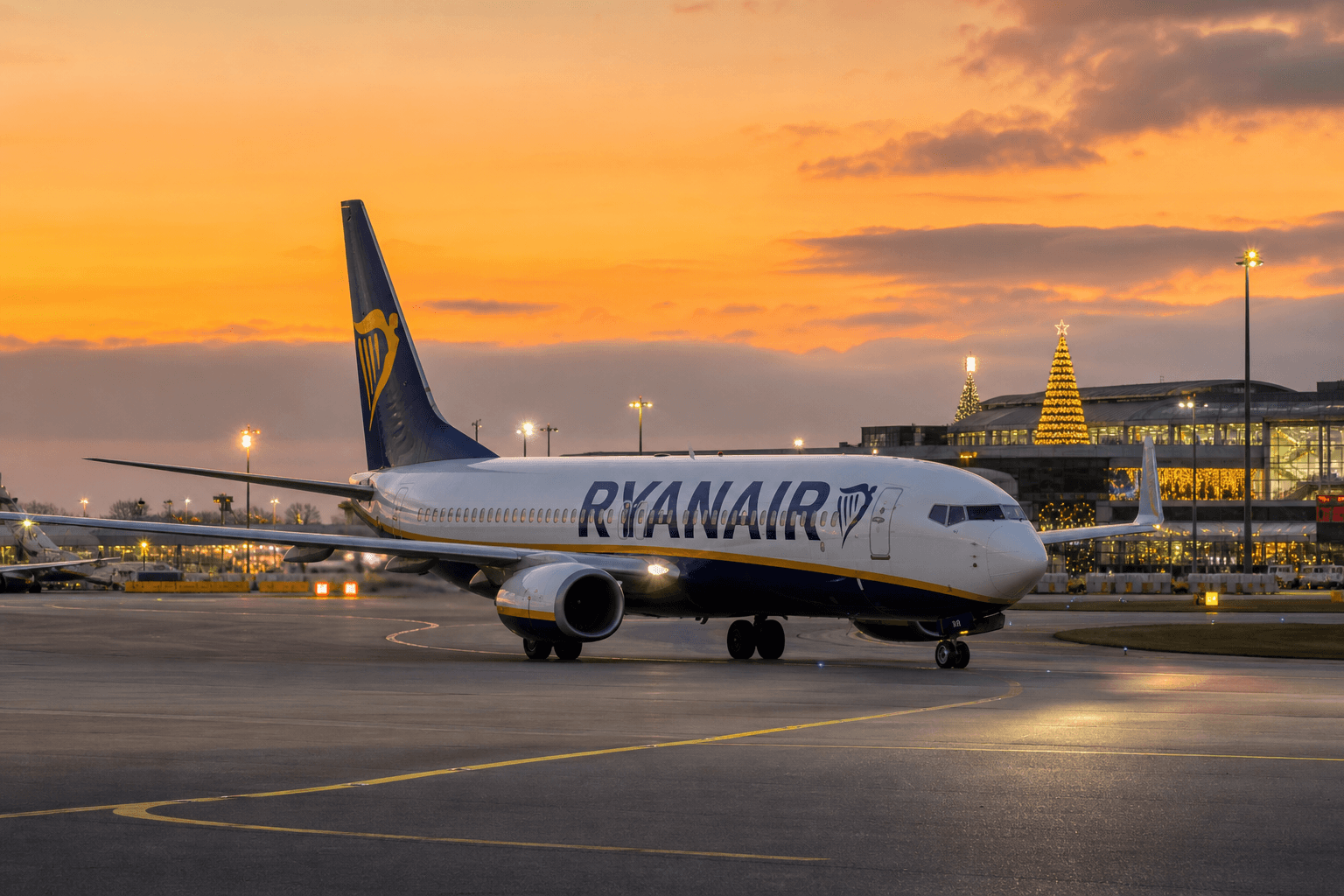
Ryanair Cancels All European Flights on Christmas Day 2026
Ryanair will not operate any flights across Europe on December 25, following its usual annual practice to give staff a break and due to low demand on the holiday.
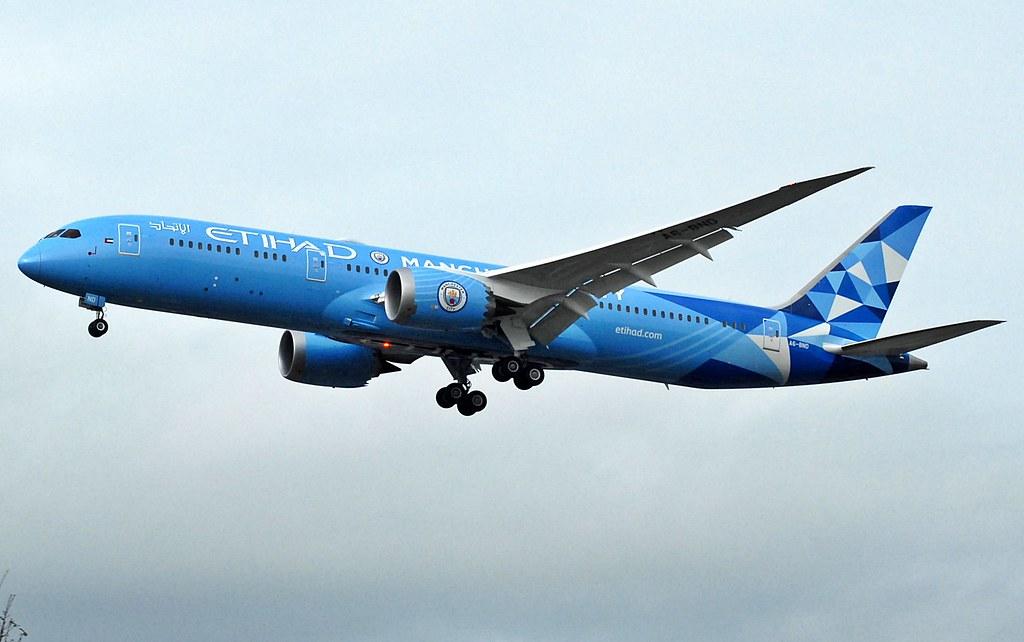
Etihad Airways to Double Weekly Flights Between Abu Dhabi and Calgary After Strong Launch
Three weeks after starting service to Calgary, Etihad Airways will increase its weekly flights from four to seven, reflecting strong early passenger demand.
The Daily Touch & Go
The day's best aviation news in your inbox. Free, no spam.