

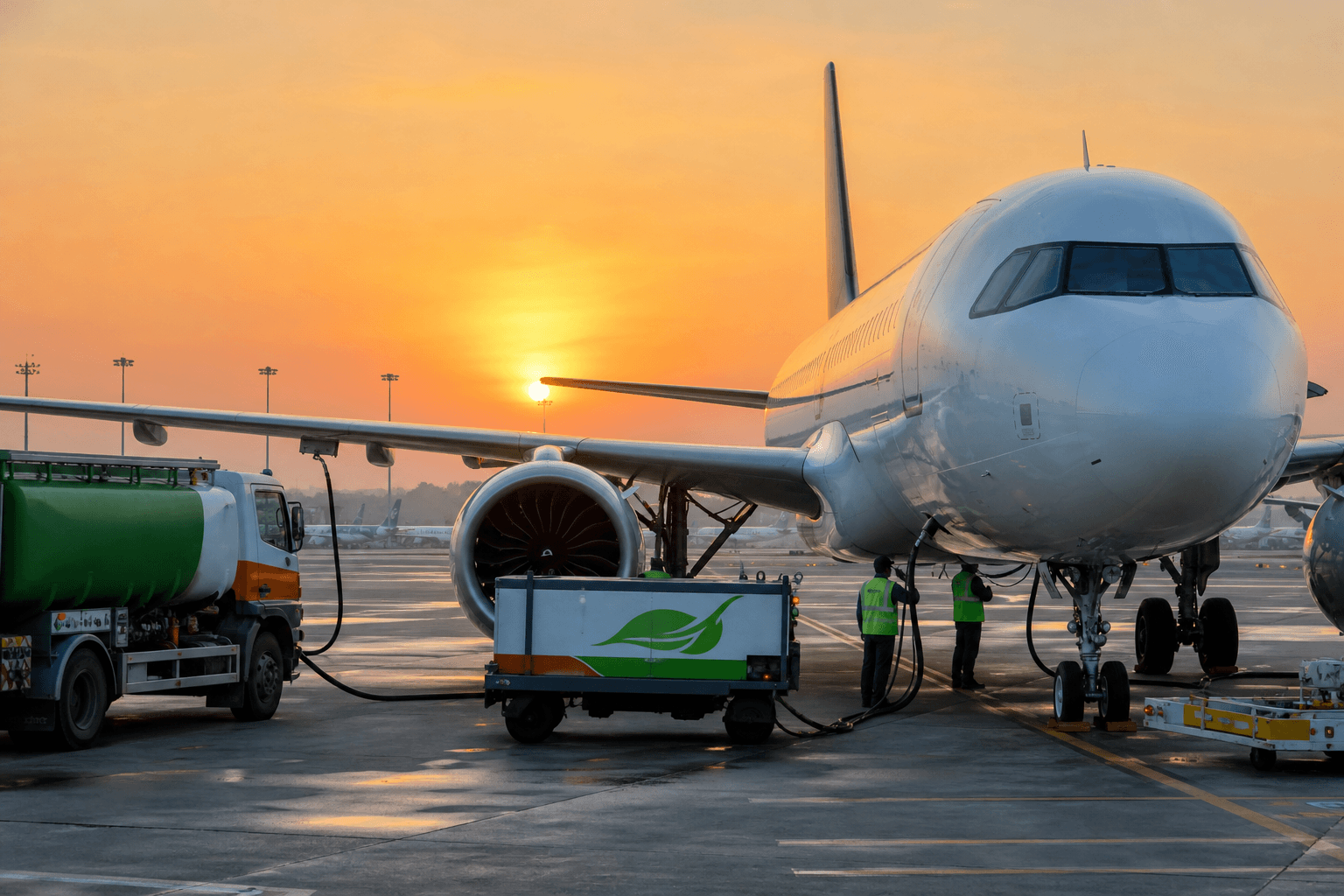
AI-generated illustration
Sustainability
Airbus and Air India Launch Feasibility Study for India's First Voluntary Corporate SAF Programme
Airbus and Air India have initiated a feasibility study to create a voluntary Sustainable Aviation Fuel programme enabling businesses to reduce lifecycle emissions of air travel in India.
The gist
Airbus and Air India partner to assess implementing India's inaugural corporate Sustainable Aviation Fuel usage programme.
Continuing coverage
All India →Airbus and Air India have entered a partnership to develop a feasibility study for India's first voluntary corporate Sustainable Aviation Fuel (SAF) programme. This initiative is aimed at enabling businesses to reduce lifecycle CO2 emissions associated with air travel by voluntarily adopting SAF. The programme is intended to accelerate aviation decarbonisation within India.
The feasibility study agreement was signed by Jürgen Westermeier, President and Managing Director of Airbus India & South Asia, and P. Balaji, Group Head of Governance, Risk, Compliance & Corporate Affairs at Air India. The signing event took place in the presence of Rammohan Naidu Kinjarapu, India's Civil Aviation Minister. The study focuses on assessing a framework that would be open to various corporate customers interested in reducing emissions linked to their air travel.
Under the proposed SAF corporate offering, Air India would use SAF on select routes and enable customers to purchase or transfer the associated Scope 3 SAF certificates (SAFc). These certificates represent verified emissions reductions created by substituting SAF for conventional jet fuel. Upon launch, the programme would represent the first voluntary corporate SAF engagement in India.
Air India’s CEO and MD, Tewolde Gebremariam, described the programme as a credible mechanism allowing corporations to support SAF adoption and lower emissions related to business travel. He emphasized that growing SAF demand is vital for scaling production and developing a sustainable aviation fuel ecosystem in India.
Jürgen Westermeier of Airbus stated that SAF remains the most viable fuel option to decarbonise aviation and that Airbus collaborates globally with multiple stakeholders to advance SAF. He called the partnership with Air India a key step in accelerating SAF adoption in the South Asian region and invited other corporations to join the initiative.
P. Balaji of Air India explained that building a sustainable SAF ecosystem requires demand and collaboration. The initiative aims to establish a framework allowing corporate entities to contribute meaningfully to increasing SAF use in India.
The study proposes assessing emissions reductions by comparing the full lifecycle carbon footprint of SAF against conventional jet fuel. This would use internationally recognised standards to verify emission savings, helping corporates track and report progress toward net-zero carbon emissions goals set for 2050 by aviation bodies such as ATAG, IATA, and ICAO.
The Airbus-Air India feasibility study is part of a broader Airbus strategy to reduce aviation’s environmental footprint. This includes modernizing fleets, improving fuel-efficient aircraft designs, enhancing operations, adopting SAF, and using market-based mechanisms to meet the industry’s 2050 net-zero commitment. Airbus aircraft are currently certified to operate on SAF blends up to 50%.
Sustainable Aviation Fuels referenced in the programme consist of renewable or waste-derived fuels meeting sustainability criteria defined by ICAO’s CORSIA or the EU Renewable Energy Directive, and certified through recognized sustainability certification schemes covering the full supply chain.
Originally reported by SP's Aviation
Read more
All Sustainability →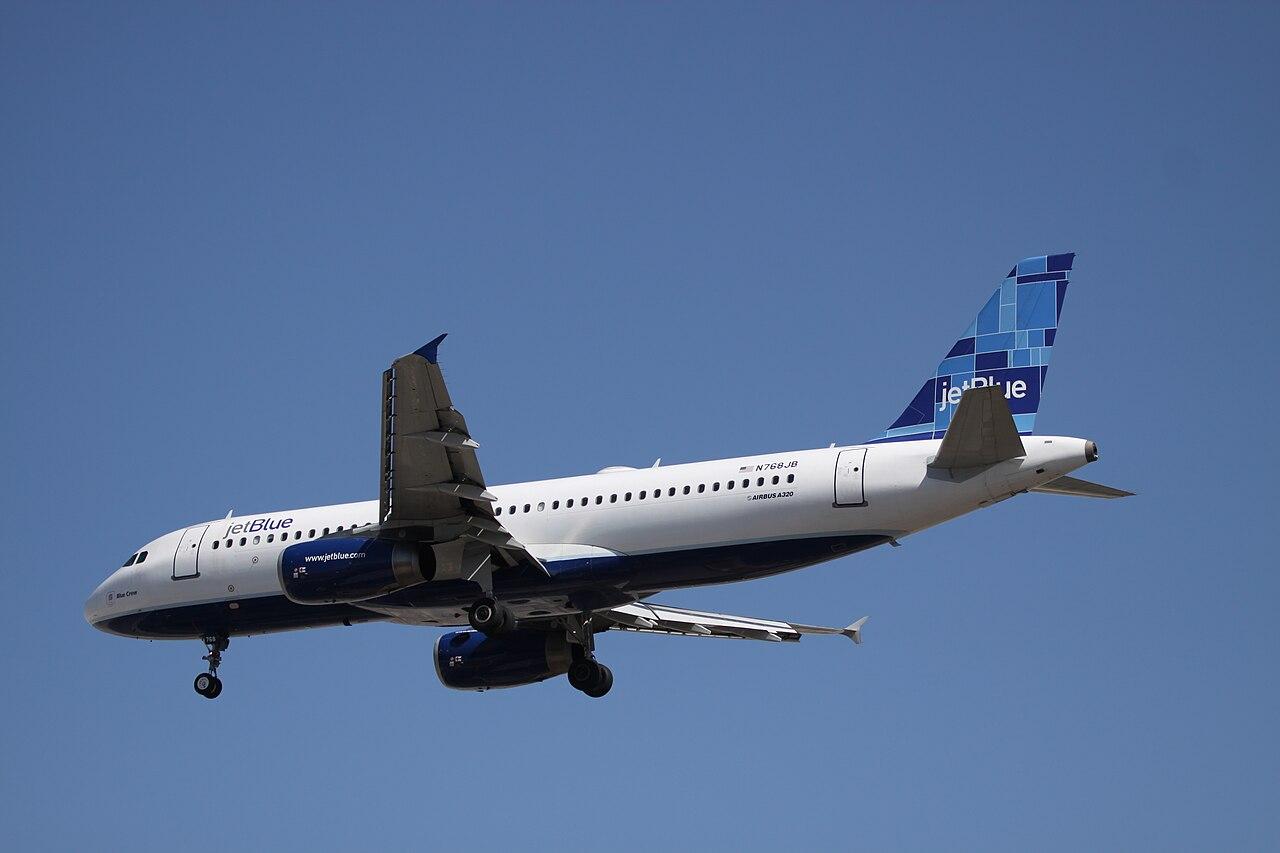
JetBlue A320 Sustains Five Injuries From Severe Turbulence Near Fort Lauderdale
JetBlue Flight 1717 from Puerto Rico to Fort Lauderdale encountered severe turbulence causing five injuries, with all treated on-site and no hospital transports.
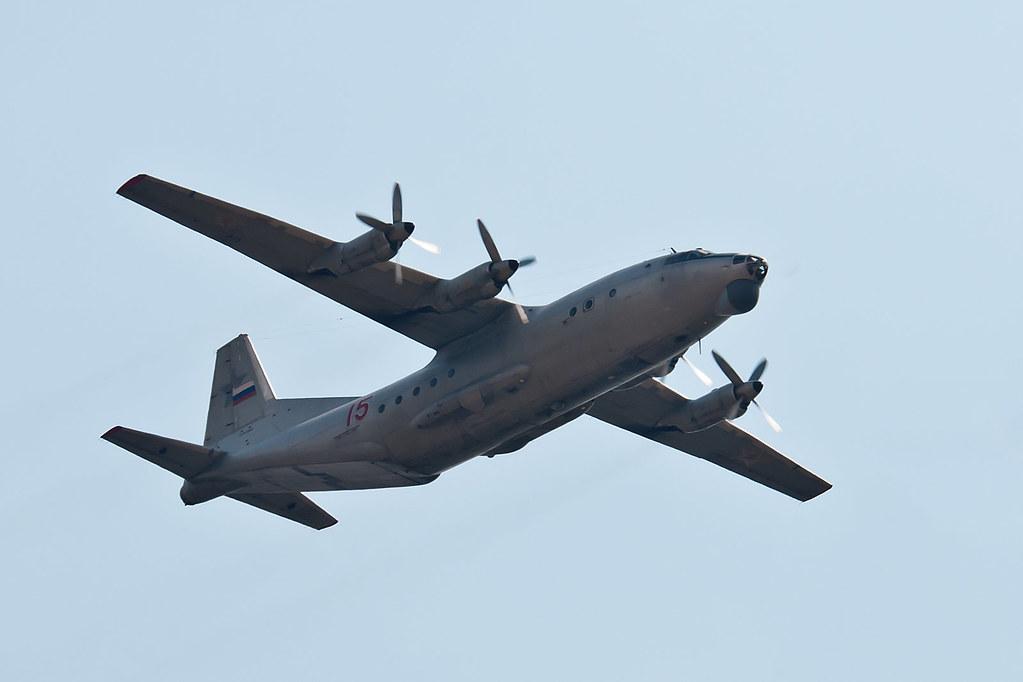
Russian An-12 Transport Crashes in Kemerovo Region Killing 17
A Russian Air Force Antonov An-12 cargo plane crashed near Yagunovo, Siberia, on November 17, killing all 17 on board amid investigation into a possible fuel leak fire.
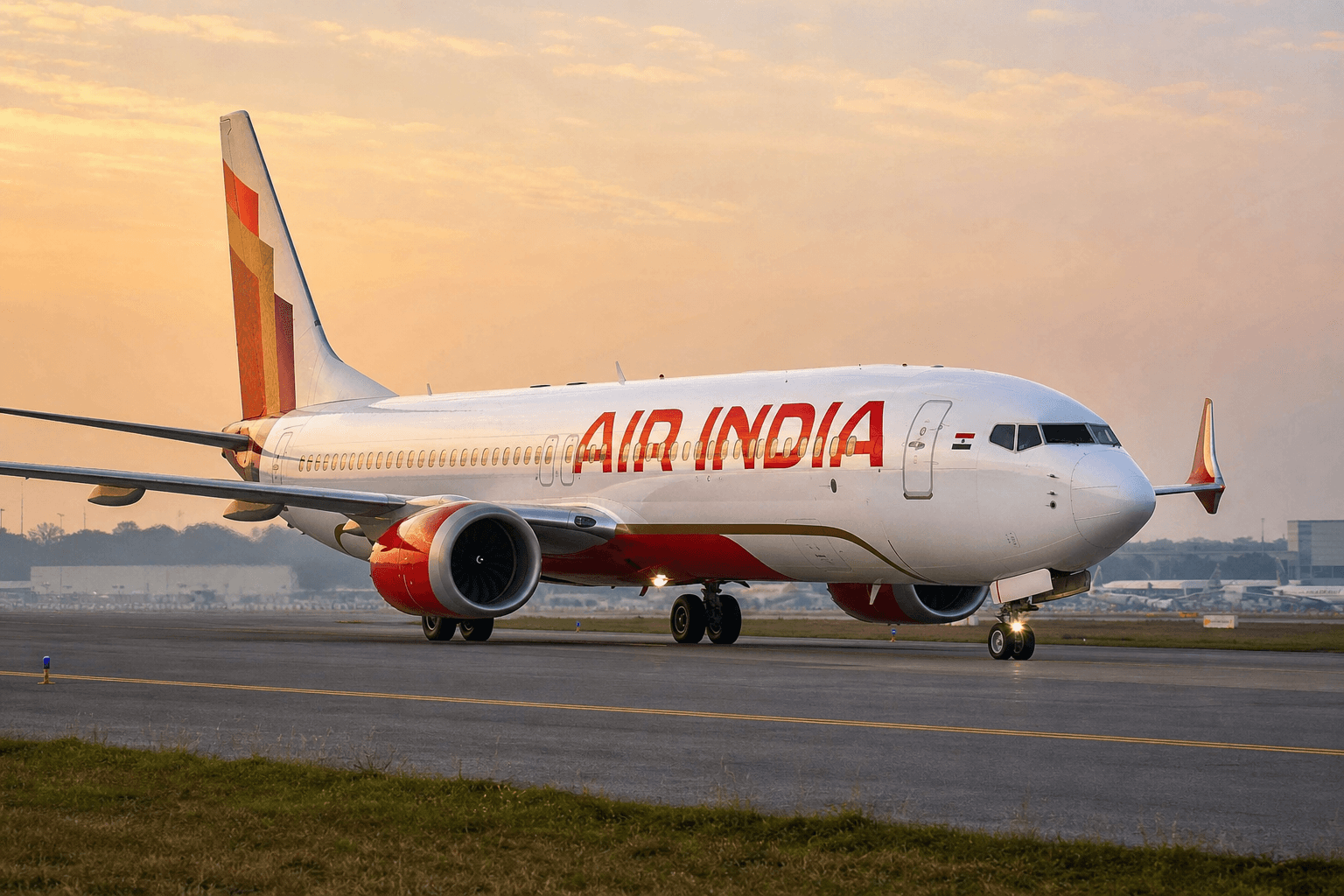
Indian Airlines Anticipate Ordering 1,000 Additional Aircraft Amid Rapid Travel Growth
India's aviation industry plans to boost its fleet by over 1,000 planes as demand surges, with manufacturers urged to speed deliveries to meet expansion needs.
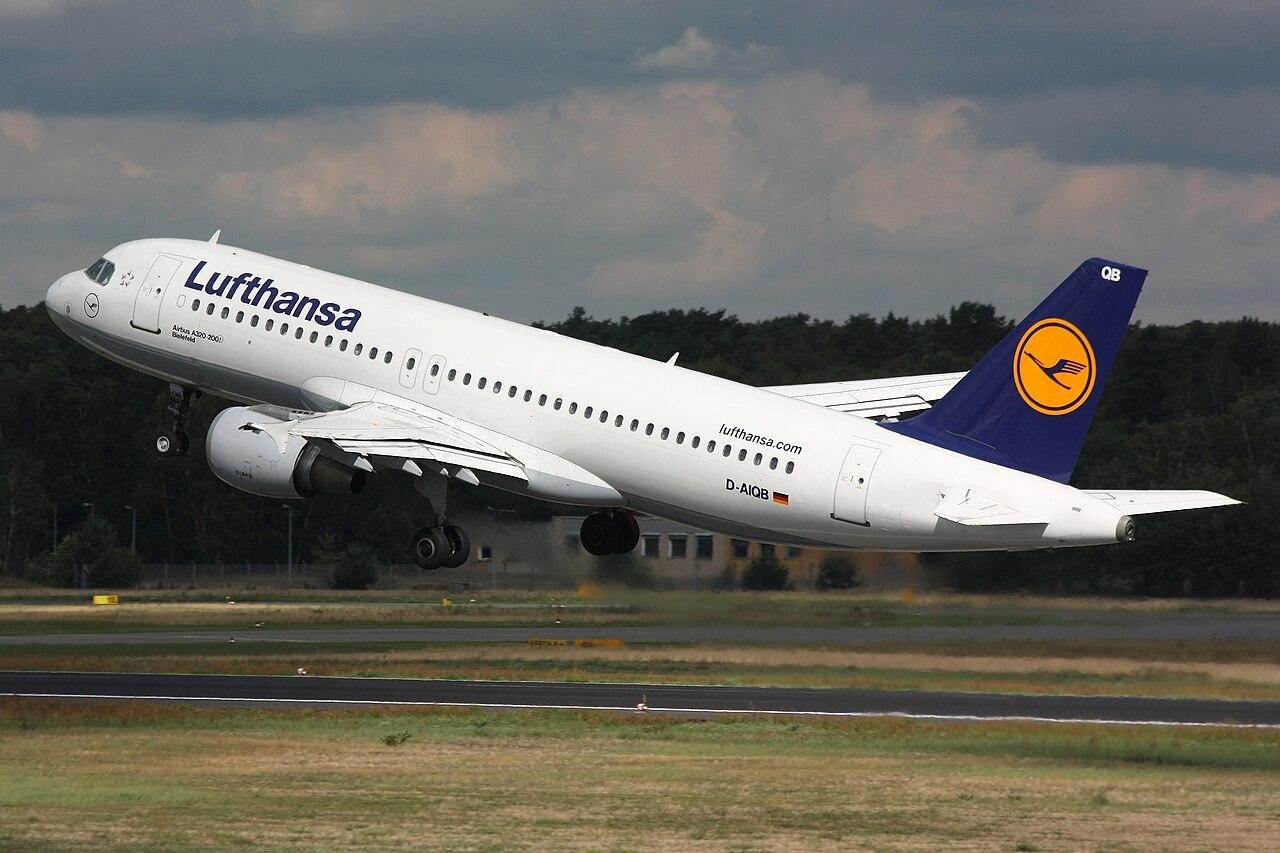
Lufthansa Introduces Premium Business Seats on Select A320 Short-Haul Flights
Lufthansa will offer recliner premium business class seats on six Airbus A320s starting spring 2027, enhancing comfort on routes from Frankfurt to Athens, Cairo, and Nice.
The Daily Touch & Go
The day's best aviation news in your inbox. Free, no spam.