
Image: Aeroprints.com · CC BY-SA 3.0 · via Wikimedia Commons
Aviation Safety
JetBlue A320 Sustains Five Injuries From Severe Turbulence Near Fort Lauderdale
JetBlue Flight 1717 from Puerto Rico to Fort Lauderdale encountered severe turbulence causing five injuries, with all treated on-site and no hospital transports.
The gist
Five people on JetBlue Flight 1717 were injured during severe turbulence but none needed hospital care after landing safely in Fort Lauderdale.
Continuing coverage
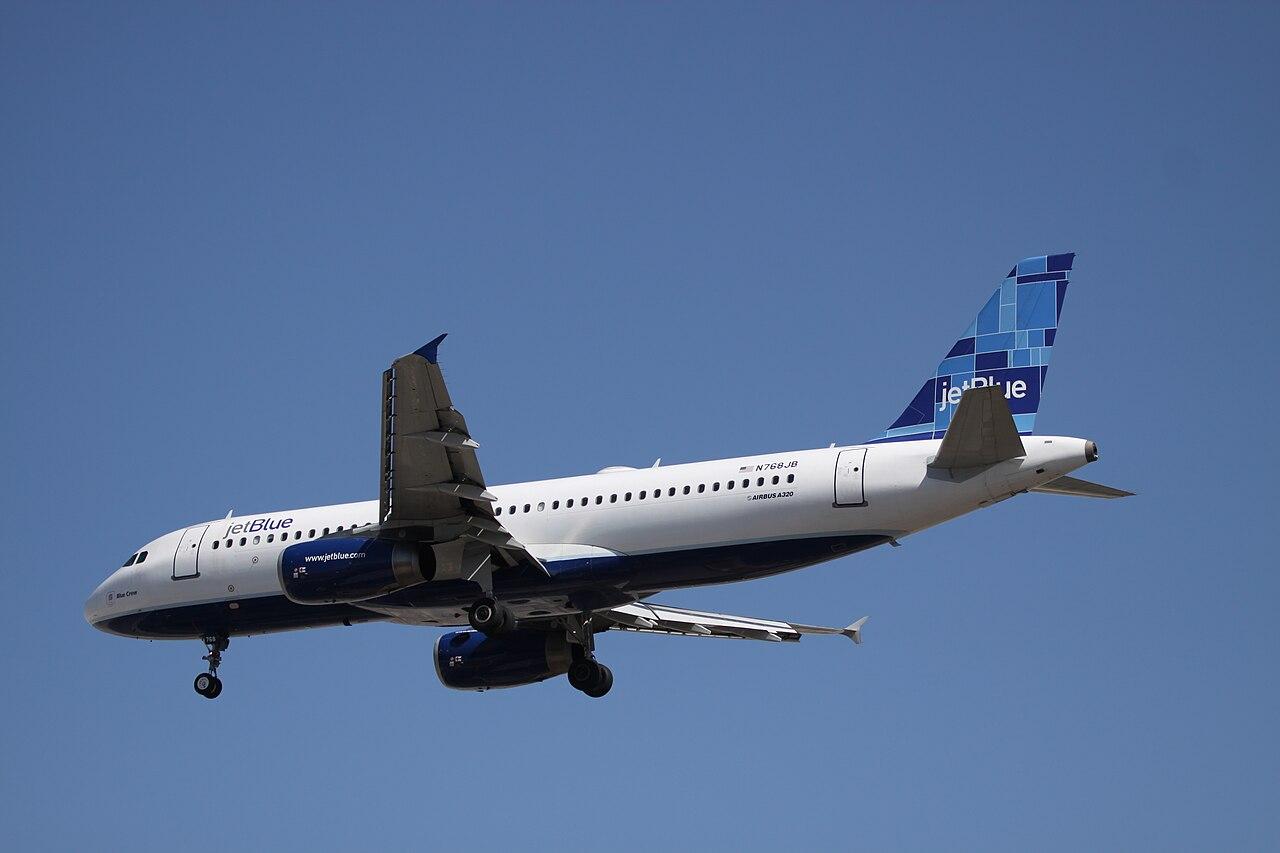
All Jetblue →JetBlue Flight 1717, an Airbus A320-200 registered N524JB, experienced severe turbulence on November 17, 2026, during its route from Ponce Mercedita International Airport in Puerto Rico to Fort Lauderdale-Hollywood International Airport (FLL). The turbulence injured five individuals, including passengers and crew members. The flight landed safely at Fort Lauderdale around 06:58 local time, where emergency responders were ready to assist those affected on board.
Broward Sheriff Fire Rescue responded to reports of multiple injuries just before the aircraft’s arrival, around 06:25 local time. Emergency personnel assessed the injured after the plane reached Terminal 3. Despite the injuries, none of the five people required transportation to hospitals; all were treated and released on site. Authorities confirmed that the aircraft did not suffer any structural damage as a result of the turbulence encounter.
JetBlue issued a statement confirming the situation and saying the safety of customers and crewmembers was their top priority. The airline said medical staff evaluated those affected immediately after landing, reiterating the incident did not lead to hospitalizations or further medical evacuations. The carrier emphasized the aircraft’s safe arrival despite the turbulence event.
The turbulence occurred during an approach phase that coincided with stormy weather affecting the Caribbean region. Meteorological reports indicated thunderstorms in the Turks and Caicos Islands and southern Bahamas area, with storm cells reaching heights up to 46,000 feet. Such conditions often lead to turbulence of varying severity, requiring pilots to adjust routes or altitudes to avoid the worst of the weather.
Severe turbulence is a known hazard that can cause injuries when passengers or crew are not securely seated, especially if sudden aircraft movements throw individuals against cabin structures or loose objects. Cabin crew members face increased risk since their roles often involve moving through the cabin during flight. Turbulence does not generally cause structural damage to modern airliners, which are built to endure significant aerodynamic stress.
This JetBlue incident is part of a wider pattern of severe turbulence events affecting commercial flights recently. In October 2026, an Avianca A320 encountered severe turbulence en route from Medellín to New York, injuring nine people, some of whom required hospital treatment. Earlier in May, a Cathay Pacific A350-900 faced sudden turbulence on a Brisbane to Hong Kong flight, resulting in ten injuries and highlighting dangers during passenger service periods.
Turbulence remains a consistent safety consideration for airlines and regulators who advise passengers to keep seat belts fastened whenever seated. Although pilots use onboard weather radar and reports from other aircraft to navigate around turbulent zones, clear-air turbulence cannot always be predicted visually, making sudden encounters difficult to avoid. The safe landing of Flight 1717, without hospitalizations or aircraft damage, demonstrates adherence to safety protocols despite the turbulence severity.
JetBlue’s quick coordination with ground emergency services and immediate medical evaluations helped mitigate potential harm from the turbulence episode. Passengers were assisted promptly on arrival, and the incident will likely be included in ongoing assessments of turbulence-related safety measures and pilot training for weather avoidance and reaction times in similar environments.
Originally reported by Simple Flying
Read more
All Aviation Safety →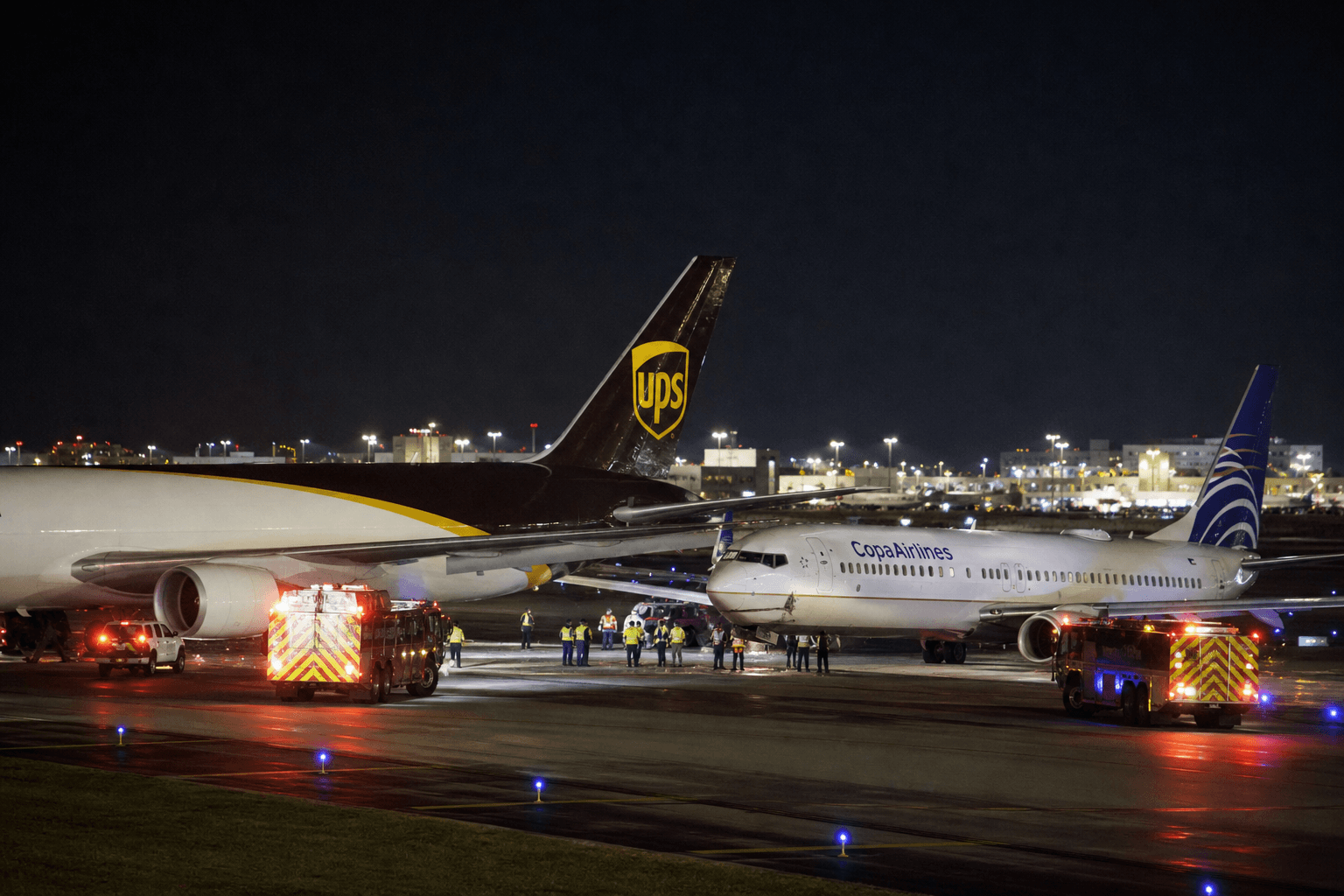
FAA Investigates Ground Collision Between UPS 767 and Copa 737 at Miami
Two aircraft collided on taxiways at Miami International Airport Saturday night causing minor injuries to two Copa Airlines passengers; both jets sustained substantial damage.
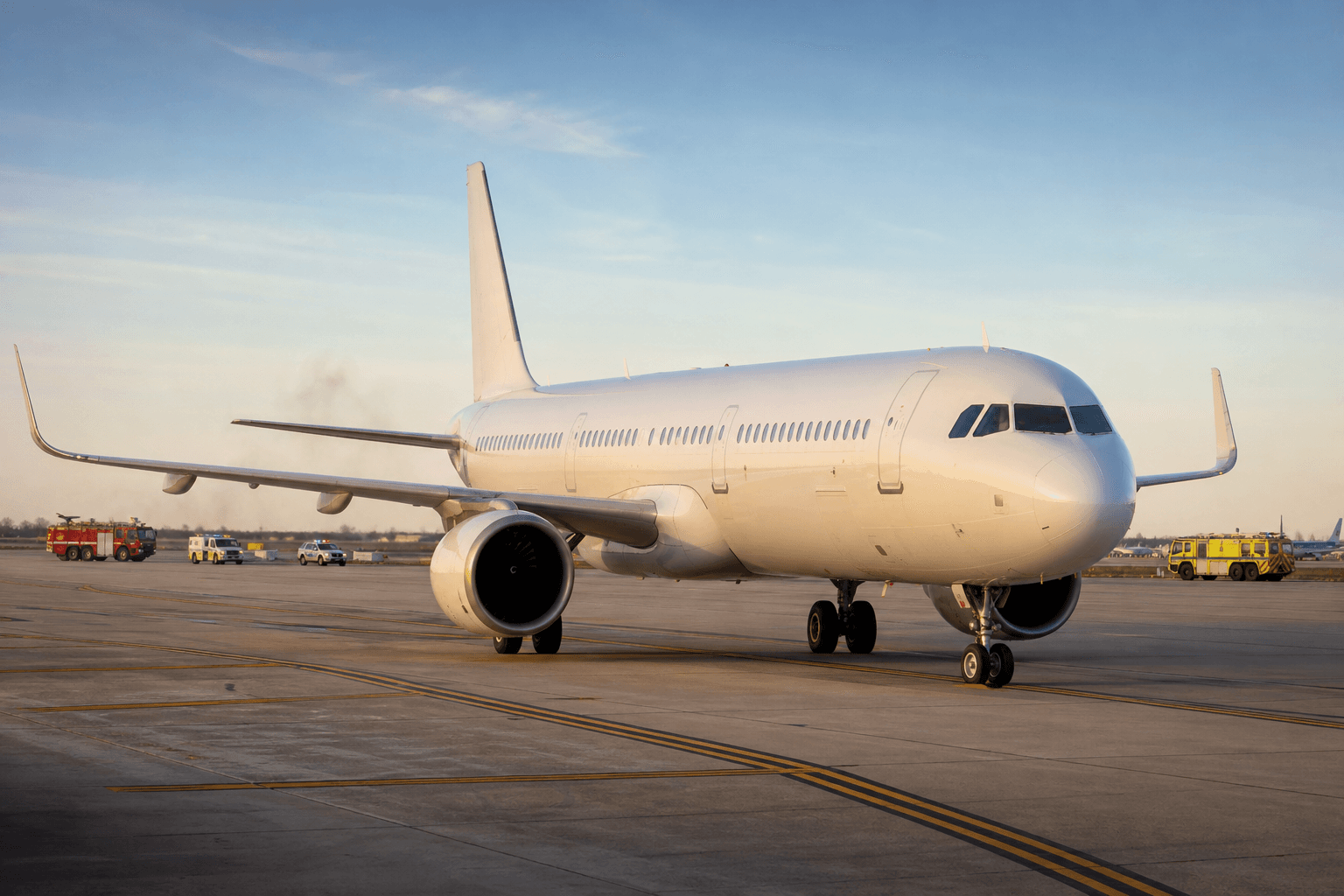
Frontier Airlines A321neo Diverts to Chicago After Lavatory Faucet Leak Floods Cabin
Flight from Denver to Detroit declared mayday at 33,000 feet due to a leaking faucet flooding the cabin floor, prompting diversion to Chicago O'Hare; no injuries reported and aircraft has resumed service.
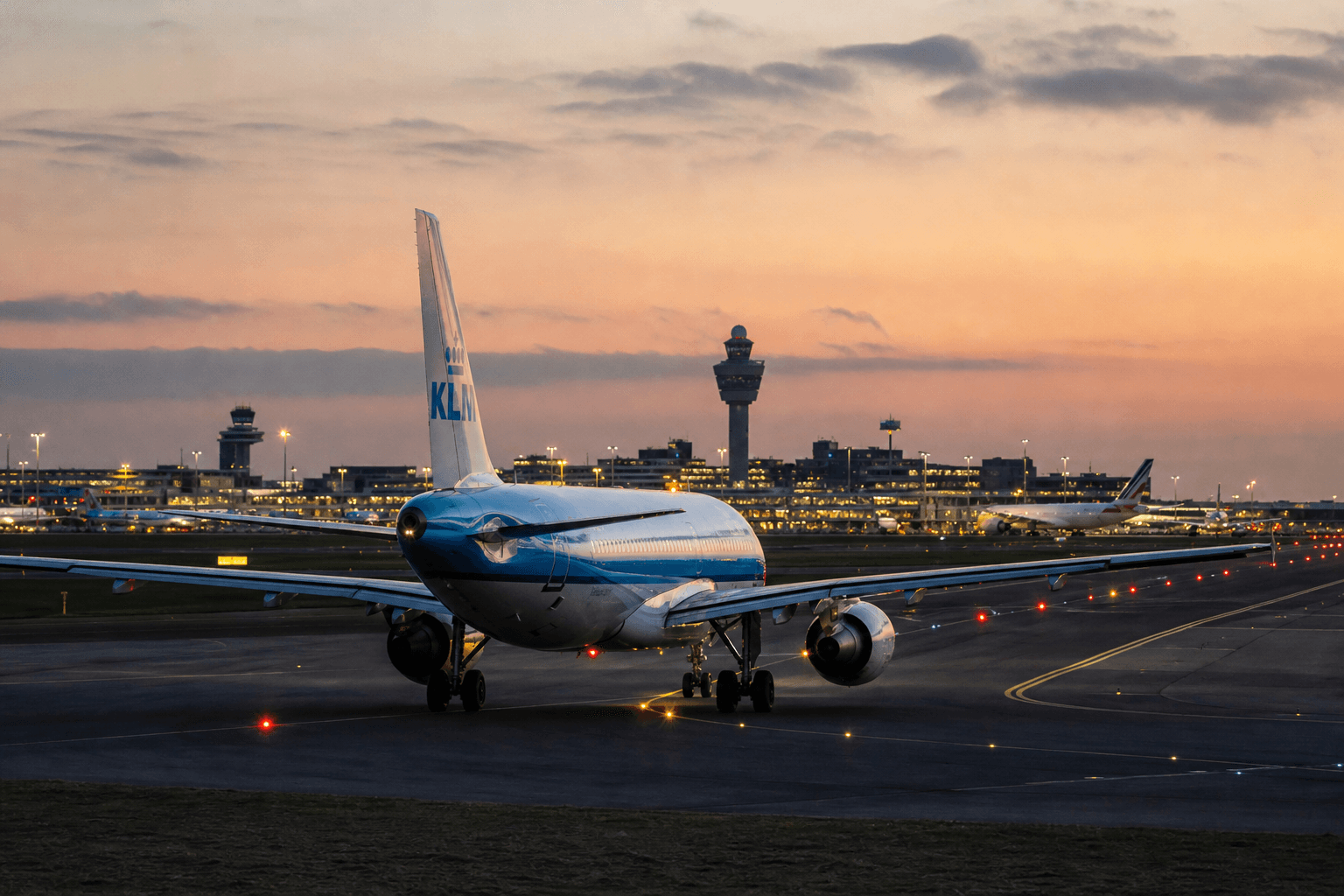
GPS jamming disrupts Amsterdam Schiphol approaches and affects 80 aircraft across North Sea region
Satellite navigation interference on November 9 disrupted required approaches at Schiphol Airport and impacted about 80 flights over the Netherlands and neighboring countries, with suspected origin near a Russian convoy in the North Sea.
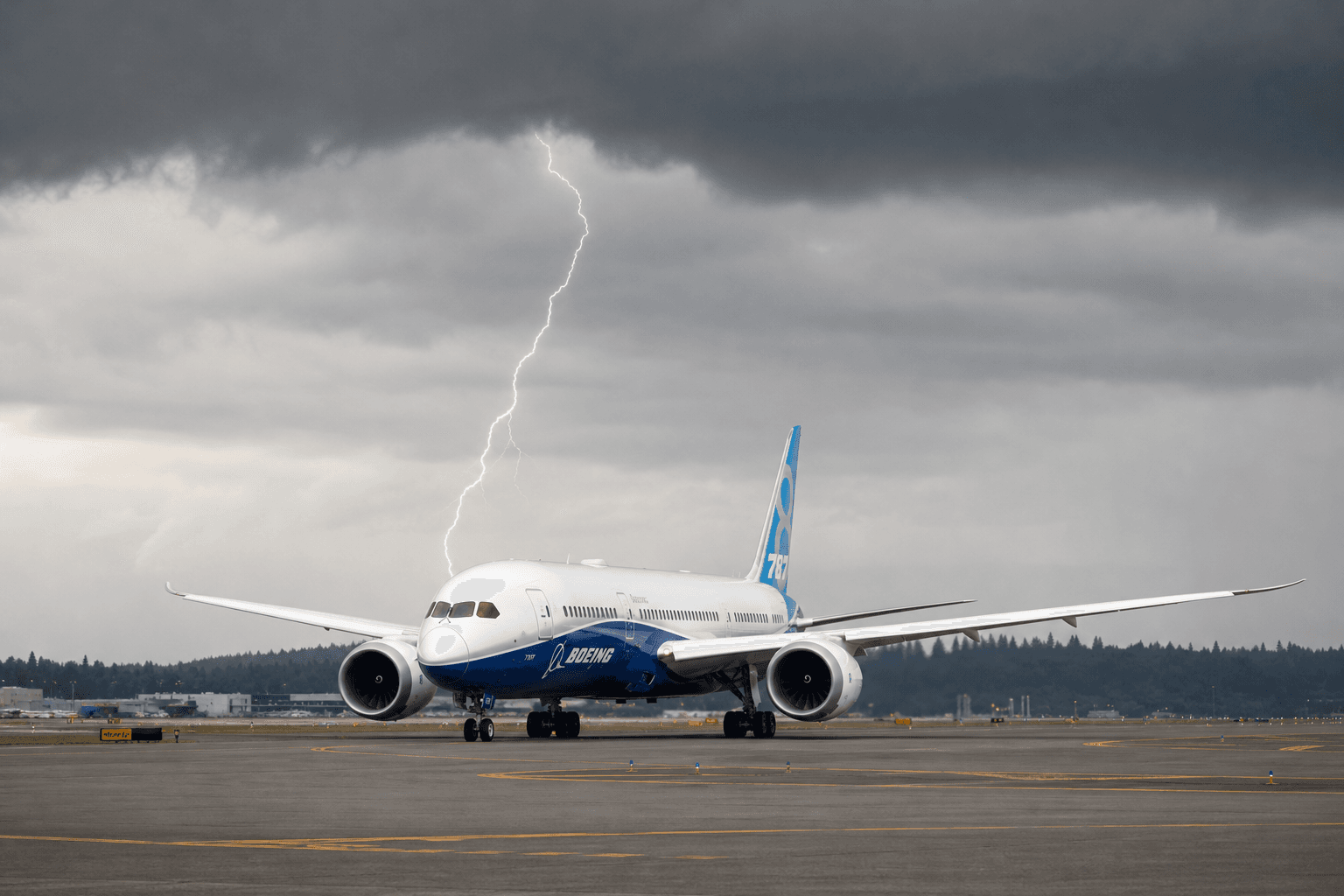
FAA Mandates Inspections on Select Boeing 787s for Potential Fuel Tank Lightning Risk
The FAA will implement inspections next month on certain Boeing 787 variants due to sealant issues that could spark explosions during lightning strikes.
The Daily Touch & Go
The day's best aviation news in your inbox. Free, no spam.