


Shield AI nears first flight of autonomous X-Bat combat jet with test fleet ready
AI specialist Shield AI is concluding assembly of three test X-Bat aircraft ahead of the autonomous VTOL jet's maiden flight planned for late 2026.
The gist
Shield AI is finalizing three test X-Bat aircraft preparing for the autonomous combat jet's debut flight this year.
Shield AI, a leader in artificial intelligence and autonomous systems, is closing in on a pivotal milestone for its X-Bat collaborative combat aircraft programme. The firm is completing production of its first three test assets as it gears up for the X-Bat's inaugural flight expected towards the end of 2026. This marks a significant step in the development of the autonomous vertical take-off and landing (VTOL) jet.
The X-Bat project aims to deliver an innovative, unmanned combat jet that can operate collaboratively within manned-unmanned teaming concepts, enhancing tactical flexibility. The test aircraft are crucial for validating flight dynamics, mission capabilities, and the integration of Shield AI's autonomy stack, which enables sophisticated decision-making onboard the platform without human intervention.
Shield AI's work on X-Bat intersects critical defense priorities, as militaries increasingly seek unmanned systems capable of high-performance combat roles. The autonomous VTOL jet could offer significant advantages in contested environments by reducing pilot risk and enabling new operational doctrines. Furthermore, these test flights will provide data to refine the aircraft's control systems and collaborative behaviors within combat scenarios.
Analysts note that the X-Bat's development timeline aligns with broader trends in military aviation, where emerging technologies are reshaping air combat. The late 2026 first flight will be closely observed as a benchmark of progress in autonomous combat jets, setting the stage for potential future deployments and scaling of the technology.
Looking ahead, Shield AI's success in completing these test assets and achieving the maiden flight will be influential for both defense contractors and armed forces exploring AI-enabled aerial combat solutions. The coming months will reveal the aircraft's performance and the readiness of its autonomy systems, shaping the trajectory of unmanned combat aviation.
Overall, Shield AI's advancement with X-Bat underscores the rising importance of autonomous platforms in defense. As technological barriers fall, the integration of AI with fighter-class aircraft promises to provide tactical edge and operational flexibility in future air operations.
More in Military/Defense
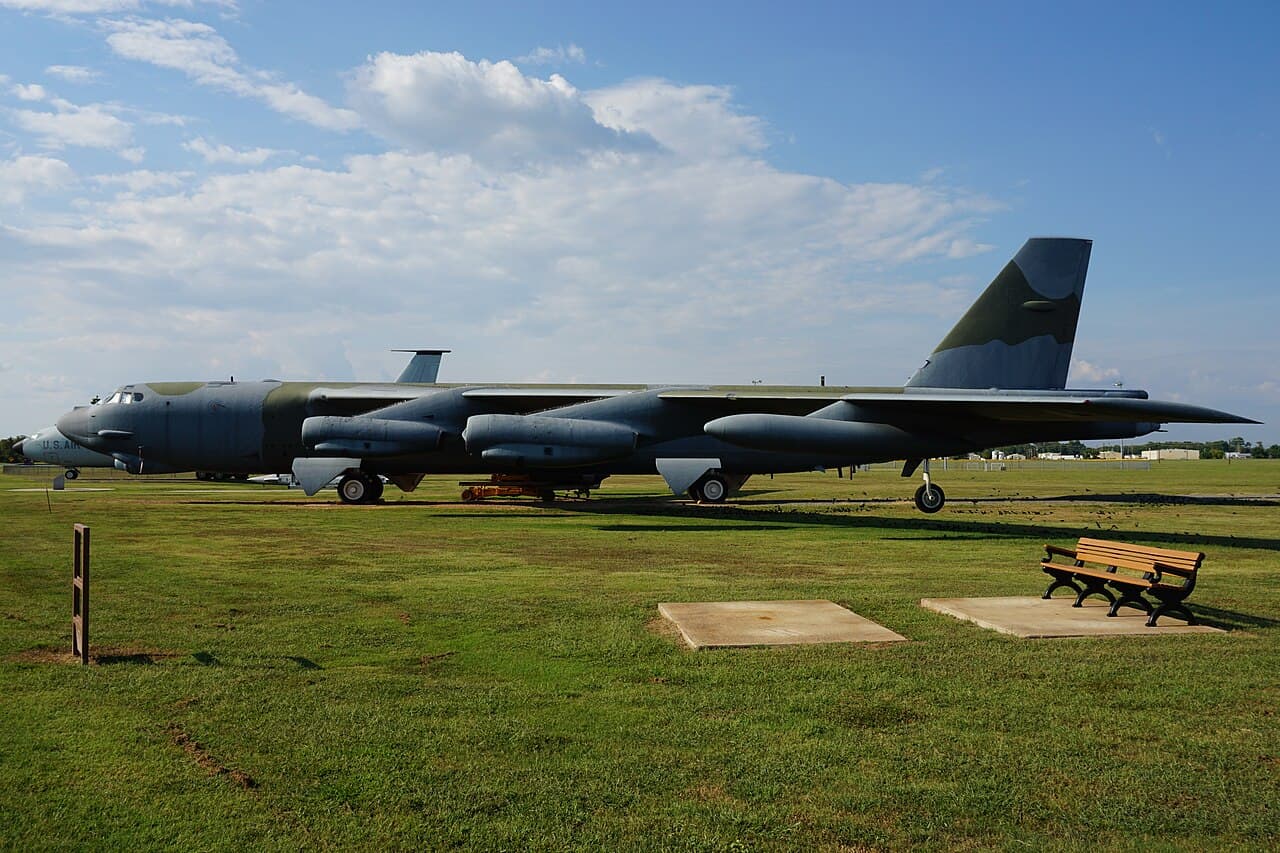
The Cold War Operation That Kept Nuclear-Armed B-52s Minutes From Soviet Airspace At All Times
The reason why the USAF kept nuclear armed B-52s on continual rotation just outside of Soviet airspace...for nearly a decade.
Air Force Awards Uncrewed Fighter Contracts
The service also selected six companies for mission autonomy software as part of its uncrewed fighter program.
Ukraine hits Moscow with heavy drone strikes, igniting oil refinery
The long-range bombardment shows how far Ukraine has come in developing its domestic weapons industry. Ukraine launched a significant attack against the Russian capital on 18 June, targeting energy infrastructure around Moscow with long-range drones. Dozens of one-way attack munitions breached Russia's air defences in the early hours, with strikes continuing into the day. The…
World Cup Drone Violations Draw Federal Response
Federal agencies have reported dozens of drone seizures and mitigations at World Cup sites in the U.S. and Mexico.