
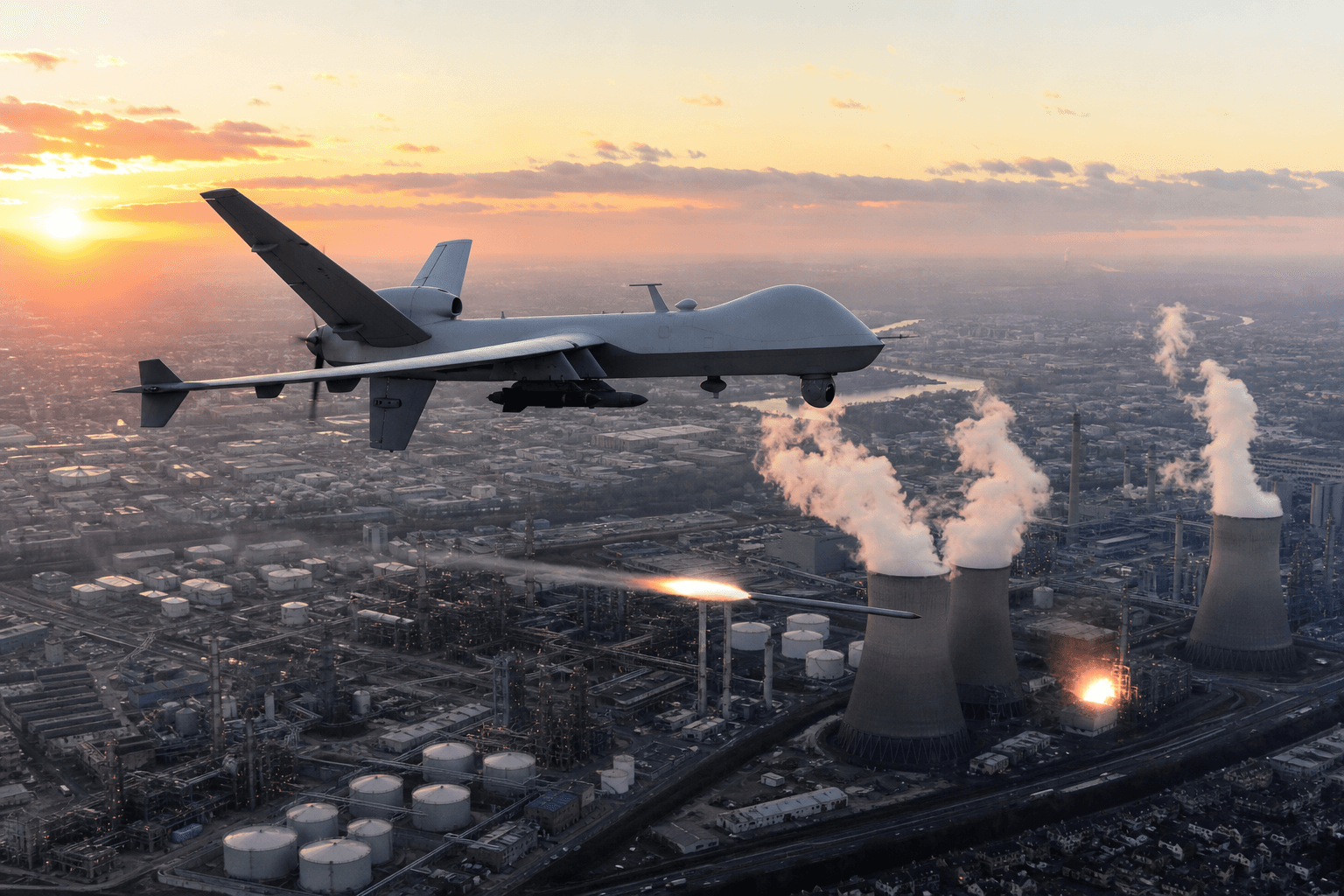
Illustration: The Touch & Go
Ukraine Executes Long-Range Drone Assault on Moscow's Energy Facilities
Ukraine launched a wave of long-range drones targeting key energy infrastructure around Moscow, breaching Russian defenses and igniting an oil refinery during early June 18 strikes.
The gist
Ukraine's drone strike on Moscow's energy infrastructure marks a significant leap in its domestic weapons capabilities and offensive reach.
Ukraine escalated its offensive capabilities on 18 June with a sustained drone attack targeting energy installations near Moscow, highlighting the advancement of its indigenous weapons industry. In a dawn operation, dozens of one-way attack drones penetrated Russian air defenses to strike vital infrastructure, marking a rare and bold effort deep inside Russian territory. These strikes extended into daylight hours, emphasizing the operation's persistence and scale.
The drones specifically targeted energy assets, including an oil refinery that was set ablaze as a result of the bombardment. The ability of these unmanned systems to accurately reach and damage critical infrastructure around the Russian capital underscores both tactical planning and technological gains achieved by Ukraine. The attack also reflects a strategic intent to disrupt energy supply chains, potentially impacting Russia's economic and military resilience.
This offensive marks a significant milestone in Ukraine's domestic weapons development, as long-range drone technology enables strikes at greater distances than previously demonstrated. The scale and success of this operation illustrate growing indigenous innovation in unmanned attack munitions, potentially altering the dynamics of the ongoing conflict by extending Ukraine's reach beyond frontline engagements.
Prior to this attack, Ukraine's drone capabilities had been mostly focused on shorter-range reconnaissance and tactical strikes. The introduction of such long-range systems capable of breaching defended airspace over Moscow represents a substantial evolution. This shift could pose new challenges for Russian air defenses, which now must contend with threats deep in their own rear areas.
Looking ahead, this development may signal an escalation in the types of assets Ukraine can target and the geographic scope of its strikes. Monitoring subsequent drone deployments and their effectiveness will provide insight into how this capability influences the broader strategic balance. The operation also demonstrates the growing role of unmanned systems in modern conflict, emphasizing the need for advanced detection and interception technologies.
More in Military/Defense

US Congress pursues funding to replace MC-130Js and Little Birds lost in Iran rescue operation
Draft legislation from the US Senate would provide $127 million to cover four MH-6 helicopters and two MC-130J special operations transports destroyed while recovering a downed American F-15E crew. Lawmakers in Washington, DC are advancing funding to replace some aircraft lost during combat operations in Iran. The draft legislation, which comes as the Trump Administration…
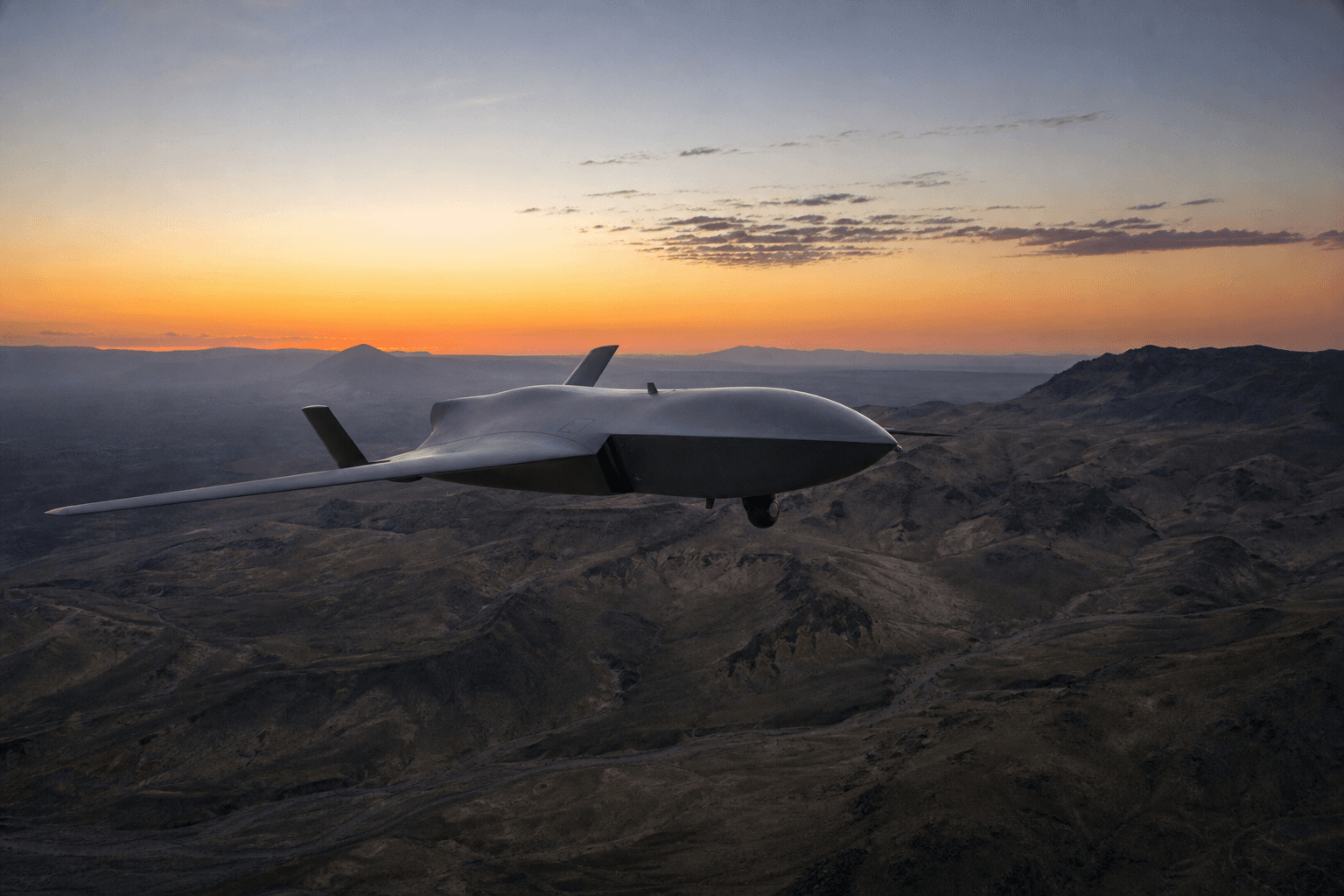
Honeywell launches new navigation system for CCAs
New system is smaller, more effective than existing equipment. Honeywell Aerospace has announced a new navigation system for collaborative combat aircraft (CCA) that can function in contested environments. The Kestrel navigation system is designed to help uncrewed assets operate reliably in environments where GPS signals can be degraded, jammed, or spoofed, says the company. The…
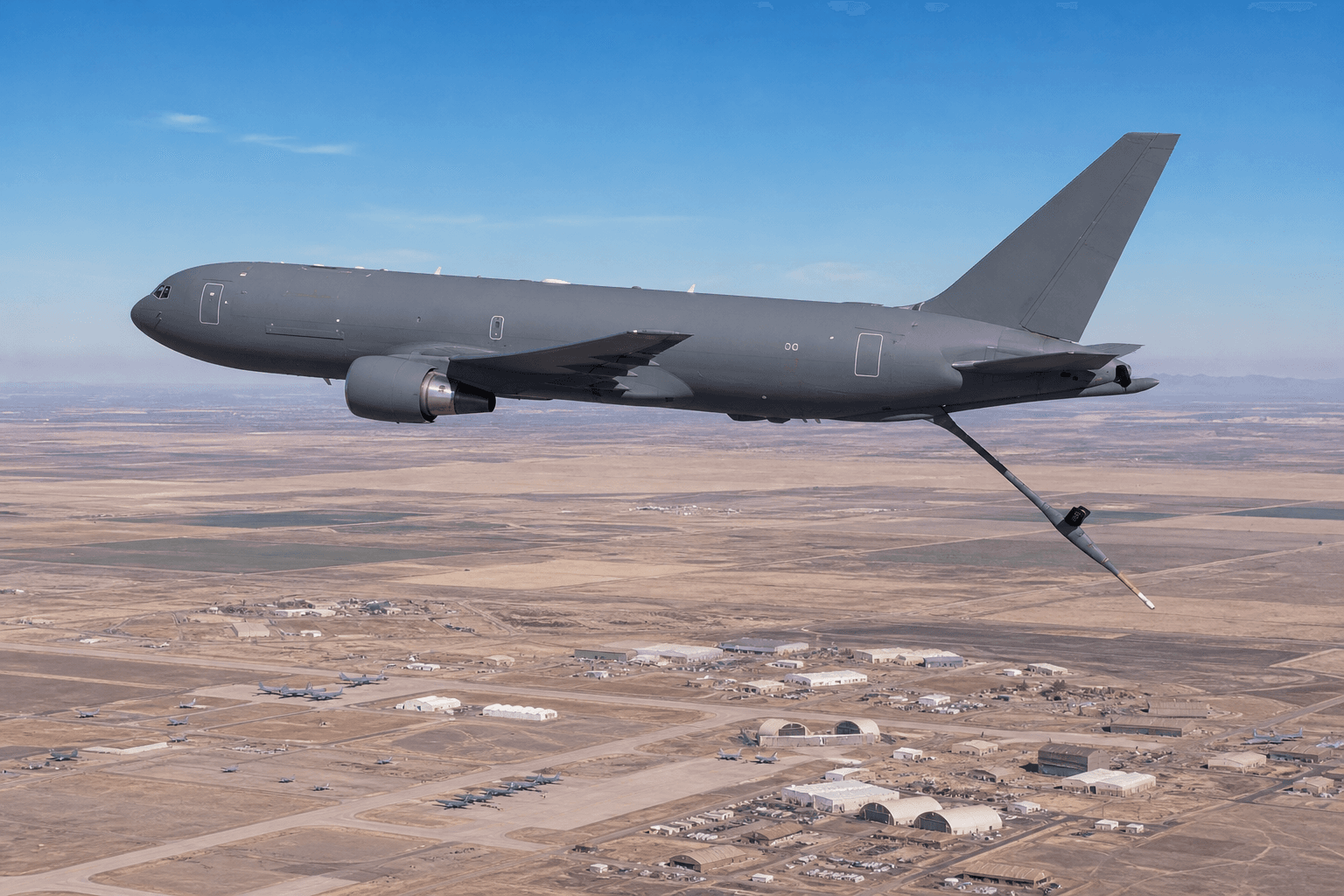
The US Air Force Spent $10 Billion On A Tanker That Still Can't Do Its Most Basic Job
The US Air Force's KC-46 Pegasus remains trapped in a costly limbo more than a decade after development began.
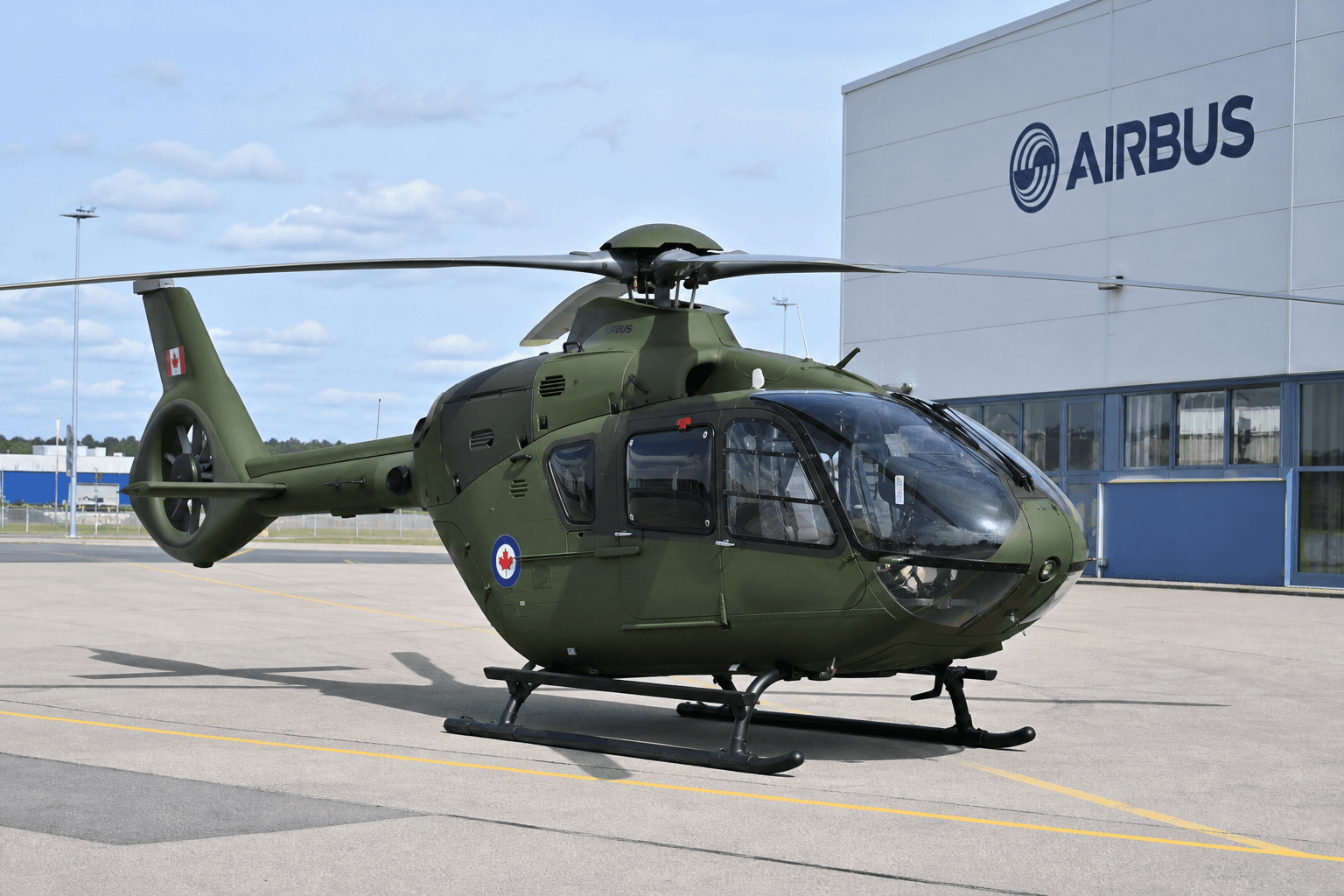
Airbus delivers first H135 helicopter trainer to Canadian air force
The acquisition is part of a wholesale modernisation of Canada's military trainer fleet, including both rotary- and fixed-wing platforms. Airbus Helicopters has delivered the first H135 rotary-wing trainer to the Royal Canadian Air Force. The light twin will enter service with the RCAF as the CT-153 Juno after being turned over from Airbus' completion centre…