
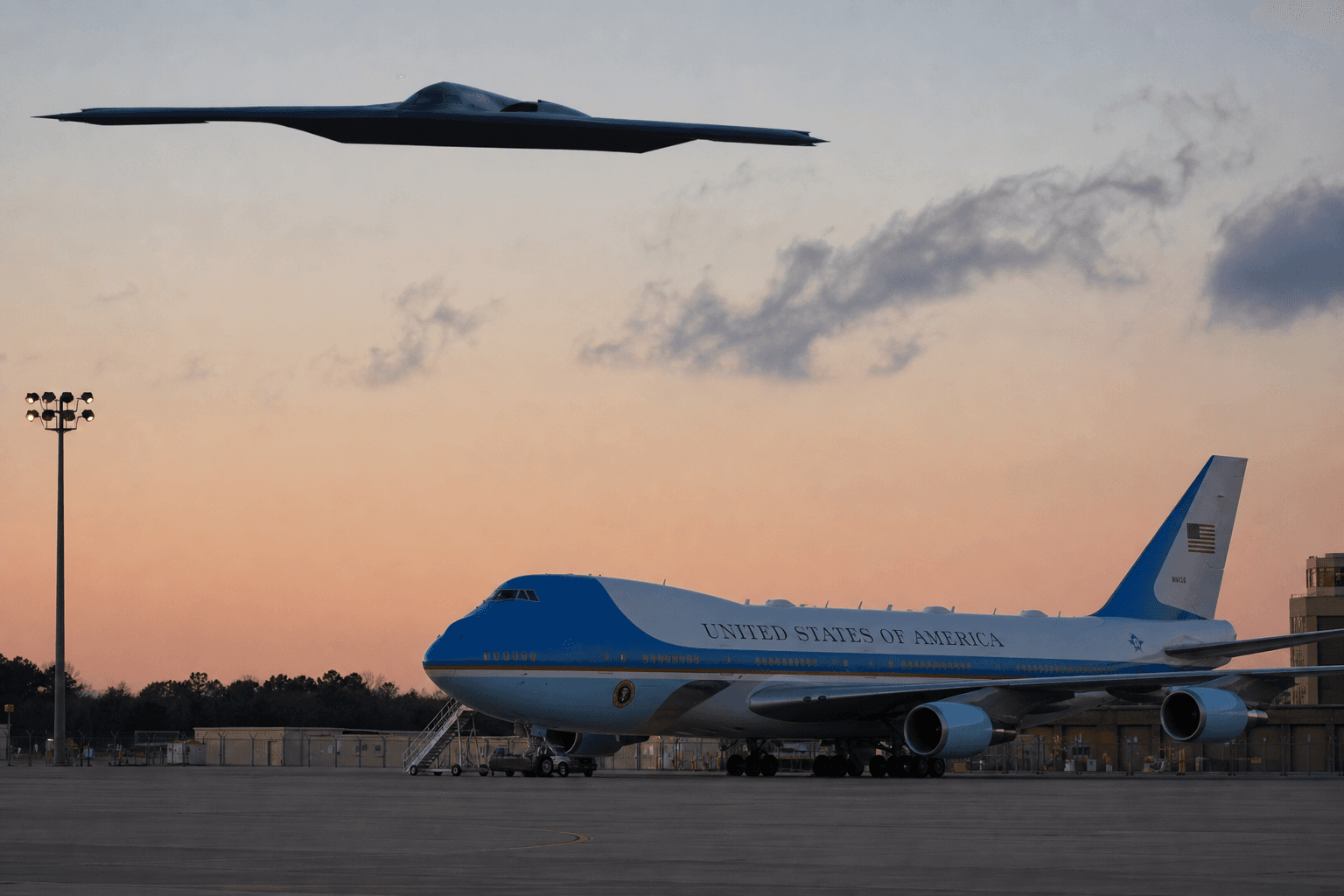
Illustration: The Touch & Go
Top Paying US Air Force Aircrew Roles in 2026 Revealed
Explore the highest-compensated Air Force crew positions in 2026, highlighting key roles and their pay scales within the US military aviation sector.
The gist
In 2026, specific USAF aircrew roles offer top-tier military pay, reflecting their critical responsibilities and unique expertise.
The United States Air Force continues to recognize and reward the expertise required for its most critical aircrew positions. In 2026, the highest-paid roles within USAF aircrew range from pilots of executive transport aircraft to operators of advanced stealth bombers. These positions not only demand exceptional skill and training but also come with compensation packages reflecting their strategic importance and operational risks.
Among the top earners are those serving aboard Air Force One, the aircraft designated for presidential transport. Piloting and crew roles on this aircraft carry significant prestige and responsibility, reflected in their competitive compensation. Similarly, crew members operating the B-2 Spirit stealth bomber, a key asset in U.S. strategic capabilities, are also among the highest-paid due to the mission-critical nature of their duties and the complexity of the platforms they handle.
These high salaries serve multiple purposes: attracting and retaining top talent within demanding and specialized roles, ensuring mission readiness, and recognizing the intense training and dedication required. They also signal the Air Force's ongoing commitment to maintaining a crew force capable of operating some of the most advanced and sensitive military aviation platforms in the world.
The financial incentives for these roles also hint at larger strategic priorities. The focus on executive transport and stealth capabilities indicates continued investment in both national leadership mobility and deterrence strategies. For aspiring Air Force personnel, understanding these pay dynamics can inform career decisions at entry and progression points within aircrew specialties.
Looking forward, the Air Force's compensation strategies may evolve as new aircraft and mission profiles emerge. However, the alignment of pay with operational significance is likely to remain a core principle. Monitoring these trends provides insight into the USAF's priorities and the evolving demands placed on its aircrew members.
More in Military/Defense
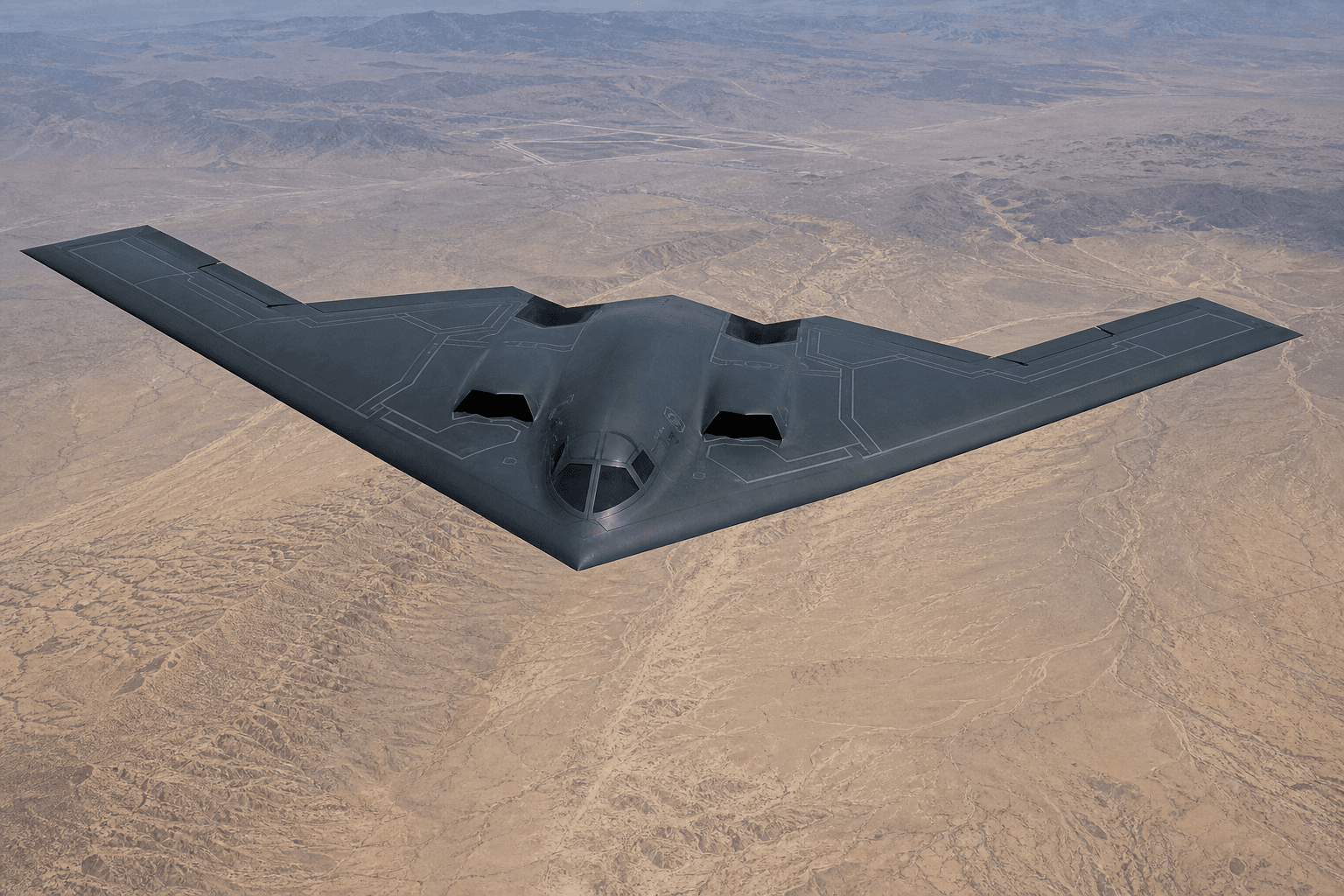
How The B-21 Raider Compares To The B-2 Spirit, B-52 & B-1B – And Why It Wins Every Category
How the B-21 Raider compares with the B-52, B-1B, and B-2—and why it will shape the USAF's future bomber force.
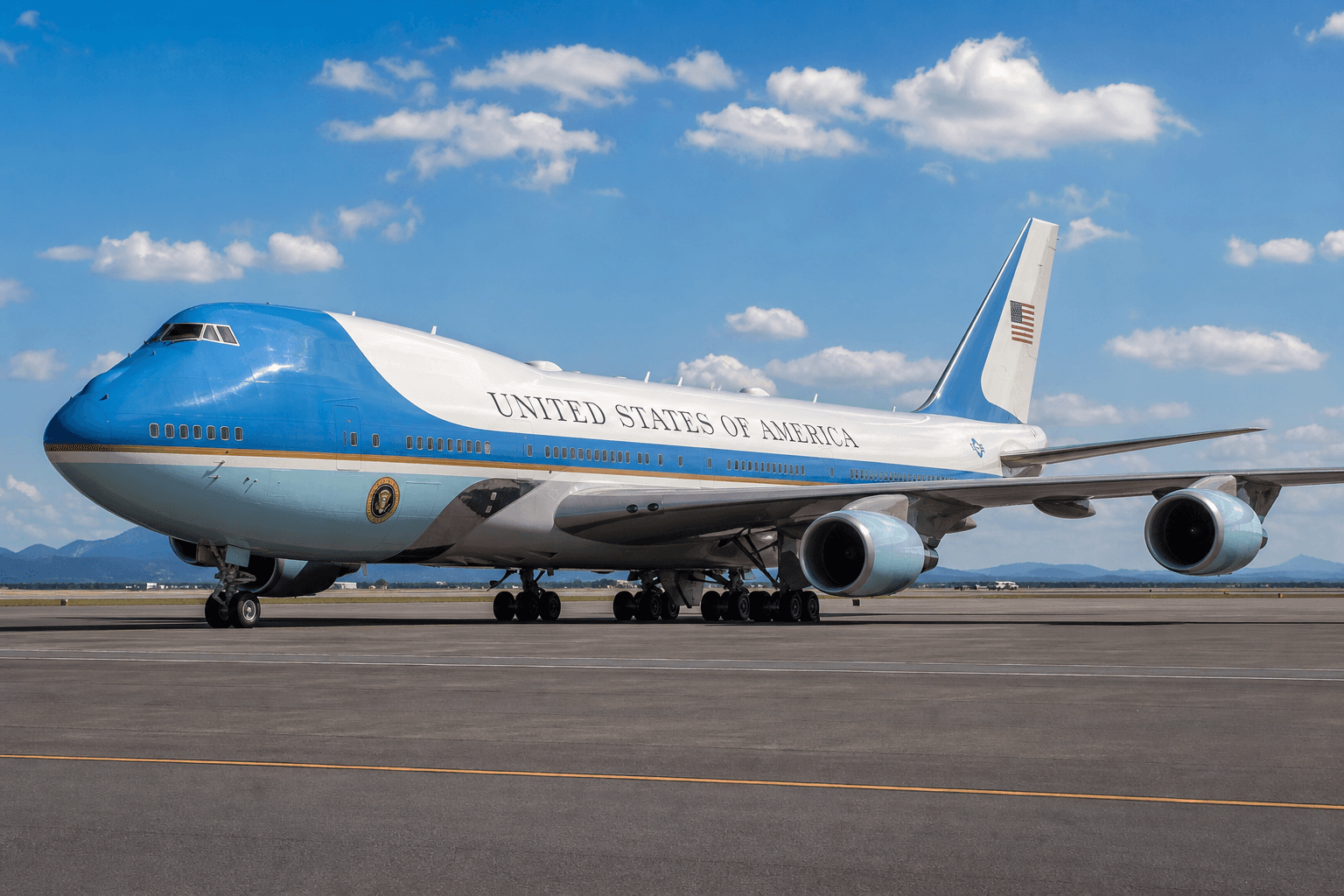
L3Harris delivers first VC-25B presidential jet from converted Qatari 747-8I
The White House says it has already begun retiring one of the ageing VC-25A "Air Force One" jets. US defence contractor L3Harris has delivered the first VC-25B presidential transport jet after finishing the conversion of a Boeing 747-8I business jet. L3Harris confirmed the milestone on 19 June, noting the work took 10 months to accomplish.…
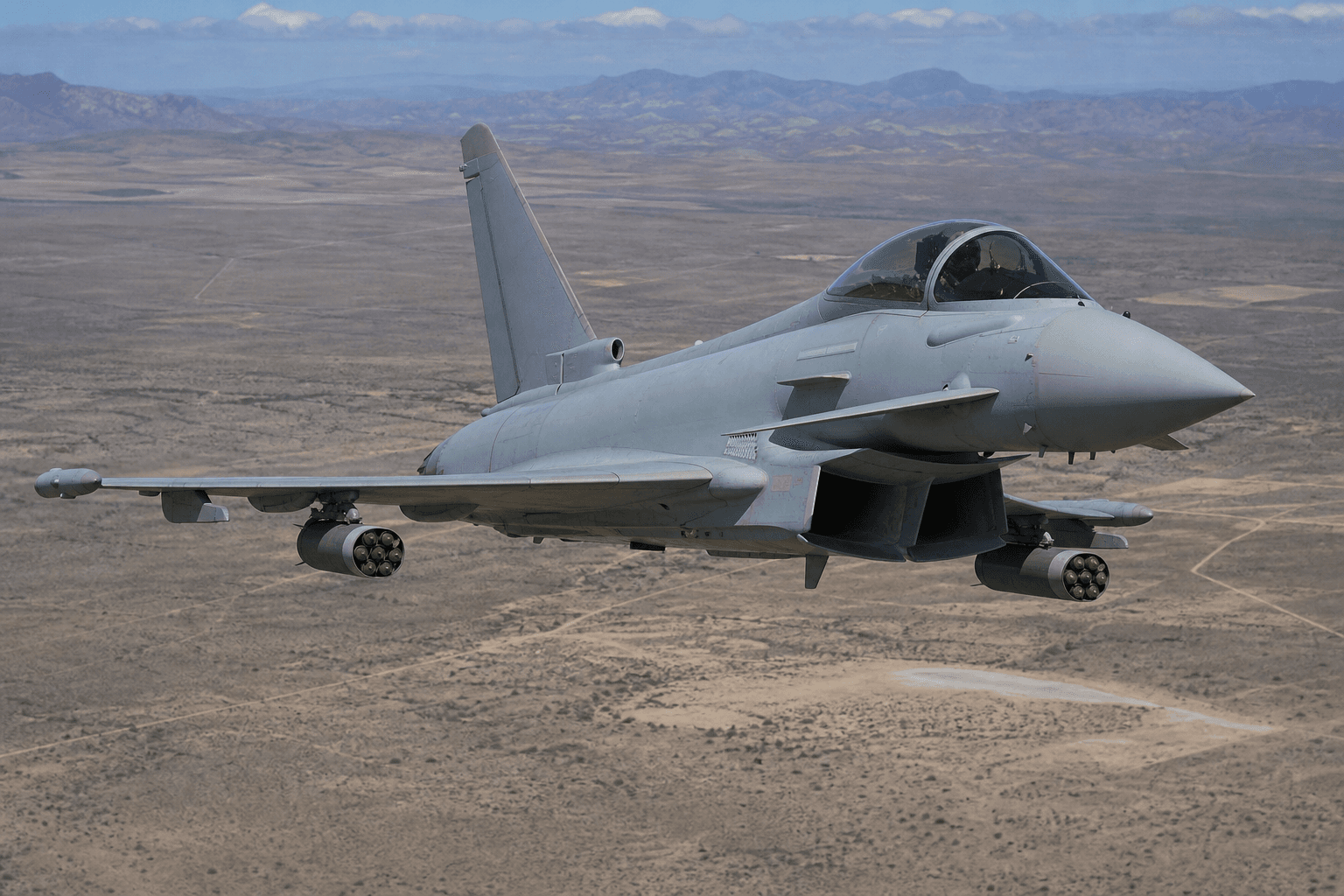
Additional Eurofighter operators eyeing APKWS rocket integration as BAE expands capability
UK company is testing update to enable jet to deploy 14 counter-drone weapons. BAE Systems is completing tests which will enable the UK Royal Air Force's (RAF's) Eurofighter Typhoons to operate with two seven-round launchers for the company's APKWS guided rocket, building on the defensive weapon's recent operational introduction on the platform. "We now have…
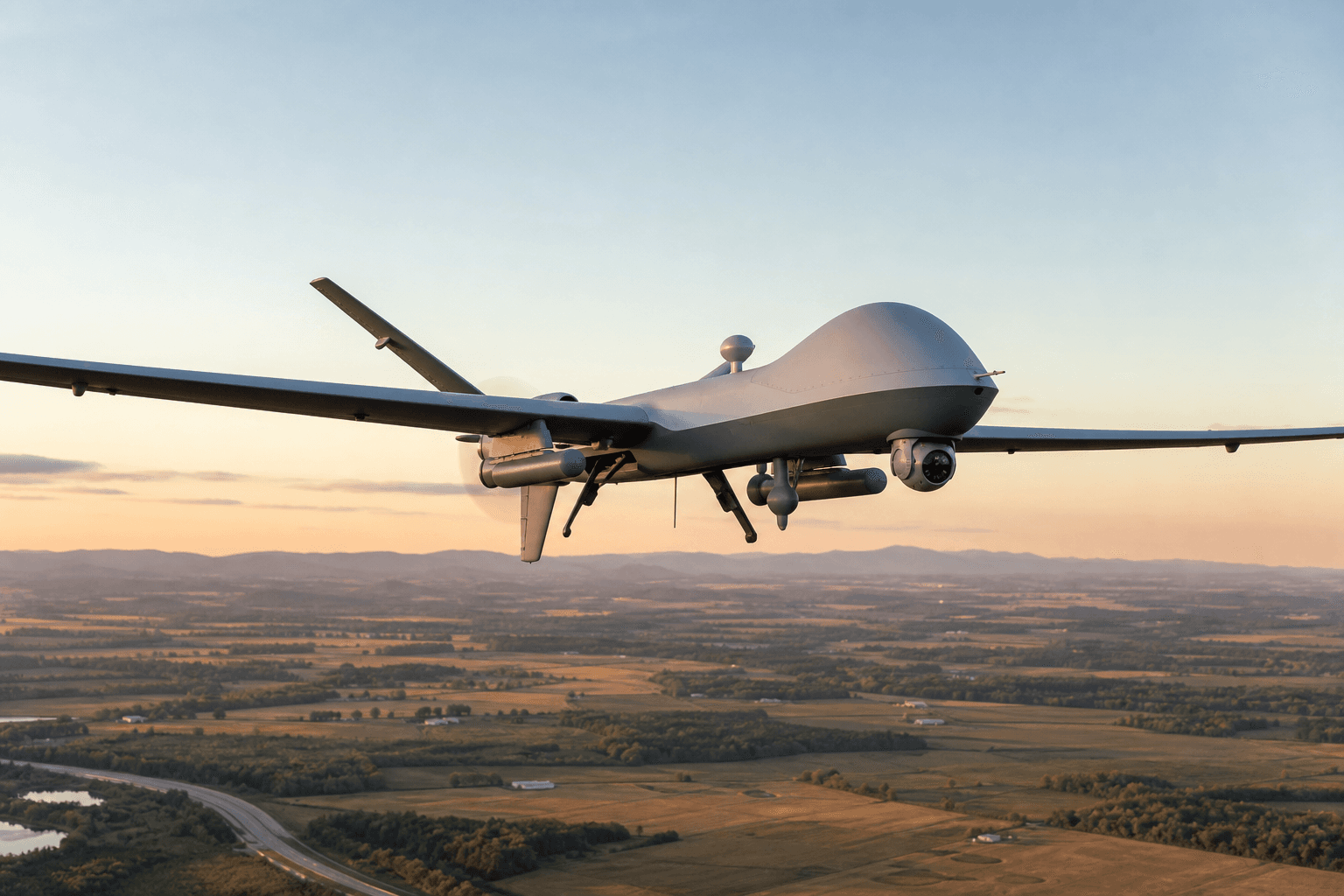
Daher details specifications for future MALE drone
French airframer will boost wingspan, payload and endurance if home nation proceeds with development programme. Daher Aircraft has provided more detail on the performance of the medium-altitude, long-endurance (MALE) drone it could develop for the French armed forces if Paris opts to proceed with such a programme. In December last year, the French airframer announced…