

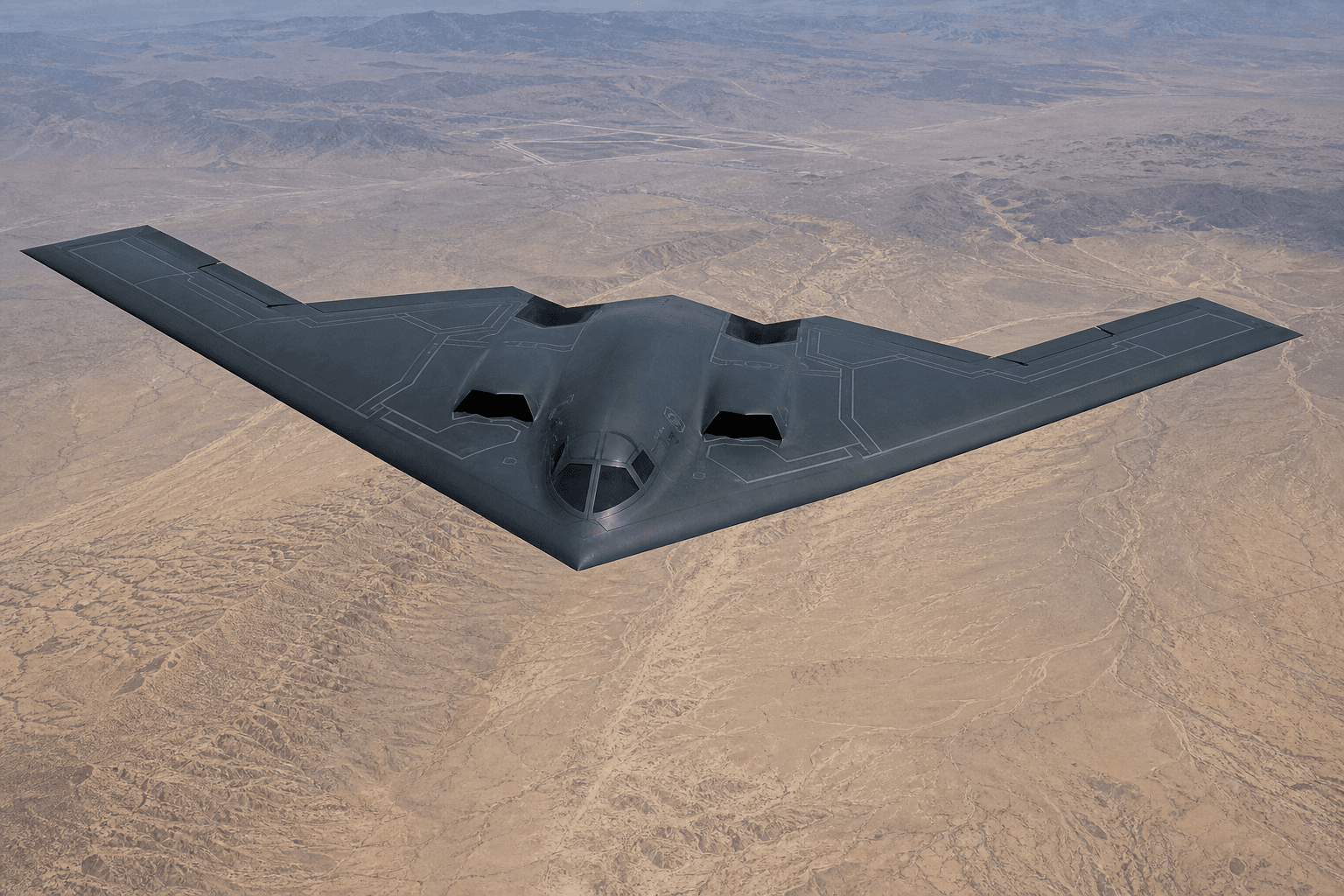
Illustration: The Touch & Go
B-21 Raider Outperforms B-2, B-52, and B-1B Bombers Across All Key Metrics
The US Air Force's new B-21 Raider bomber surpasses legacy platforms in stealth, maintainability, and flexible global strike capabilities, addressing limitations of the aging B-2 Spirit, B-52H, and B-1B aircraft.
The gist
The B-21 Raider sets a new standard for US strategic bombers, solving maintainability and survivability issues faced by older fleet members.
Continuing coverage
All B-21 Raider →- USAF to Convert B-21 Raider Test Jets Directly into Combat Bombers from 2027
- US Navy Admiral Advocates Doubling B-21 Raider Fleet to 200 Bombers for Pacific Defense
- USAF Requests $1.7B to Upgrade B-1 and B-2 as B-21 Raider Production Ramps Up
- USAF Commits $2B to Prepare Ellsworth AFB as First Operational B-21 Raider Base
- USAF's 65-Year-Old KC-135 Stratotankers To Support B-21 Raiders Into 2040s
The US Air Force has introduced the B-21 Raider bomber to modernize its strategic strike capabilities and replace or complement its venerable fleet of the B-52H Stratofortress, B-1B Lancer, and B-2 Spirit. These three aircraft, despite decades of service and recent deployments, face growing operational and technical challenges due to aging structures, limited stealth adaptability, and costly maintenance. The B-21 is engineered to overcome these shortcomings with advanced design, improved maintainability, and enhanced survivability against evolving threat environments.
The B-52H, in service since the early 1950s, will continue flying through the 2050s thanks to the B-52J upgrade program, but this upgrade explicitly limits the aircraft’s mission to operating outside heavily defended airspace. Its airframe is structurally mature but lacks penetration capabilities in contested zones. The B-1B, with a relatively short service life caused by intense low-level flight fatigue, has been increasingly costly to maintain. The Air Force plans to retire the B-1B starting from fiscal year 2028 through the early 2030s. Meanwhile, the B-2 Spirit, despite its revolutionary stealth and performance capabilities, is constrained by a small fleet size of 19 operational planes and high maintenance demands tied to its classified design and multi-billion-dollar unit cost.
The B-2's stealth is exemplary, with radar cross-section comparisons likening it to a small bird despite its 172-foot wingspan. However, its proprietary coated surfaces require climate-controlled hangars and exceptional maintenance—factors that limit its forward deployment capability. Maintenance demands approximate 60 hours for each flight hour, which, combined with the limited number of aircraft, means the B-2 operates more as a strategic asset than as a widely deployable force. These factors have shaped its limited operational use and significant logistical footprint.
In contrast, the B-21 Raider is designed with an emphasis on operational flexibility and sustainability. The aircraft can be housed and serviced in standard environmental facilities, enabling it to deploy from many global locations previously inaccessible to the B-2. Its stealth technology incorporates multi-spectral signature reduction methods that address radar, infrared, acoustic, and electronic signatures simultaneously. This holistic approach goes beyond the B-2’s primarily radar-optimized stealth, broadening the Raider’s ability to evade modern, multi-faceted detection systems.
The B-21 is also architected around an open, software-defined mission system backbone. Unlike the B-2’s proprietary and static architecture that requires specialized teams and extended downtimes to integrate upgrades, the Raider facilitates rapid software-driven integration of new sensors, weapons, and communication systems. Drawing from lessons learned with platforms like the F-35, this modular approach helps maintain technological superiority affordably and adaptively. This architectural choice directly addresses the B-2’s challenge of sustaining relevance against evolving threats without the prohibitive cost of physical modifications.
Comparing payload capabilities, the B-1B still carries the largest internal conventional weapons load in the US inventory, up to 75,000 pounds. The B-2 carries about 40,000 pounds, while the B-21’s publicly stated payload is approximately 30,000 pounds, though exact dimensions and capacities remain classified. While the Raider does not match the B-1B’s payload volume outright, its advanced stealth and survivability in high-threat environments give it a critical advantage in contested strike missions. The B-21 is intended to perform missions that legacy platforms cannot, thus filling the gap between the B-52’s stand-off roles and the B-1B’s payload-heavy conventional missions, addressing future threat environments with a balanced approach.
Operational data from recent deployments have demonstrated the enduring strategic relevance of the older bombers, such as the B-1B’s participation in the 2026 Iran crisis, where it delivered conventional strikes effectively against limited air defenses. However, this performance does not extend to high-end peer conflict scenarios. The B-21 is positioned to be the cornerstone of the Air Force’s global strike strategy, designed from the ground up to operate within contested spaces using stealth and upgraded network systems. Its arrival marks a significant shift towards a future-proof bomber network that can adapt to emerging threats and maintain a persistent global deterrence posture.
The B-21 Raider’s development integrates decades of lessons about bomber survivability, maintenance, and cost-effectiveness. Its smaller size, flexible basing, advanced multi-spectral stealth, and modular architecture directly address the aging fleet’s vulnerabilities. With plans for the phased retirement of the B-1B and the limited upgrade capacity of the B-2, the Air Force expects the Raider to become the backbone of its strategic bombing capabilities for the foreseeable future. As the B-52 remains in service for niche roles, the B-21’s enhanced operational profile sets it apart as the essential modern bomber for 21st-century warfare.
Read more
All Military/Defense →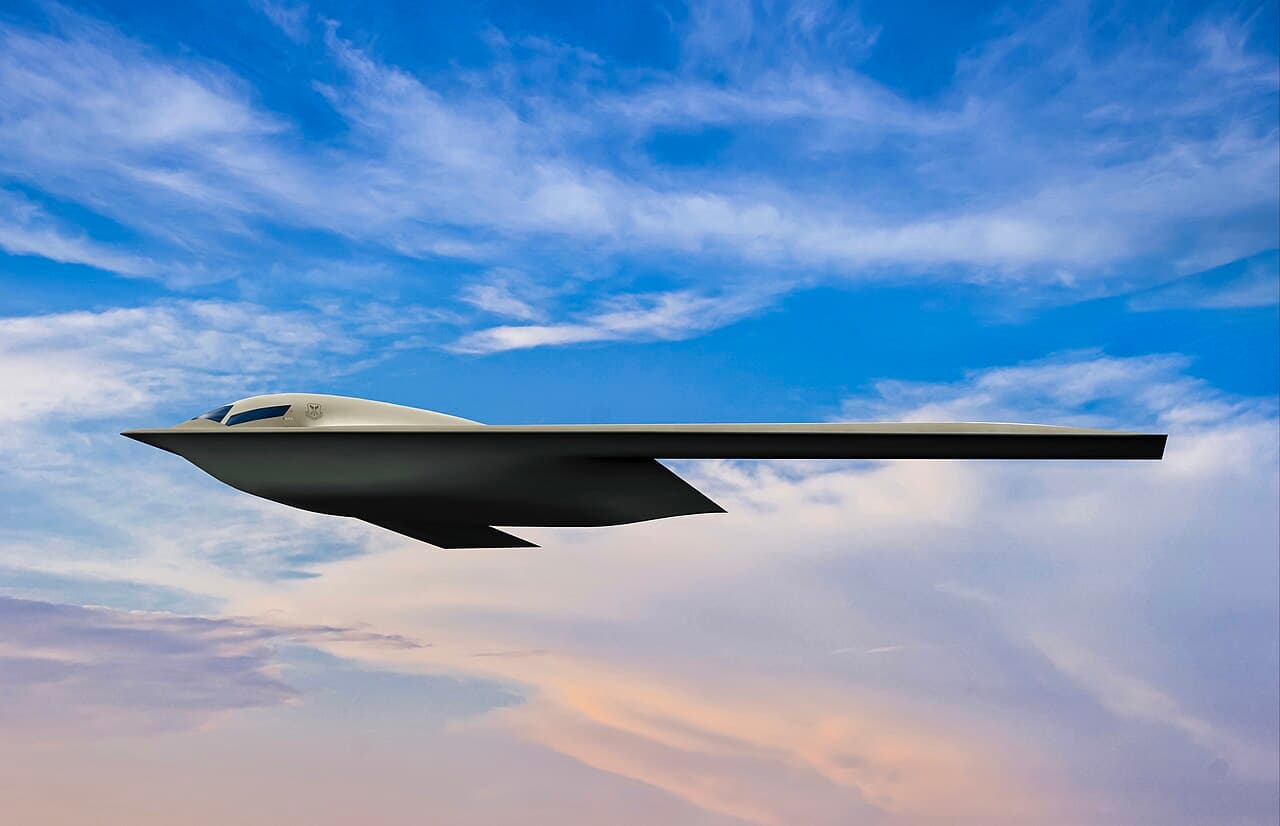
USAF to Convert B-21 Raider Test Jets Directly into Combat Bombers from 2027
The United States Air Force has a couple of test Northrop Grumman B-21 Raiders that are blurring the line between testing and fielding. The B-21 Raider is expected to enter service in 2027, making it the world's first all-new strategic bomber to enter service since the B-2 Spirit entered service in 1997. China is also working to develop its Xi'an H-20 stealthy strategic bomber, but it is unclear when it will enter service.
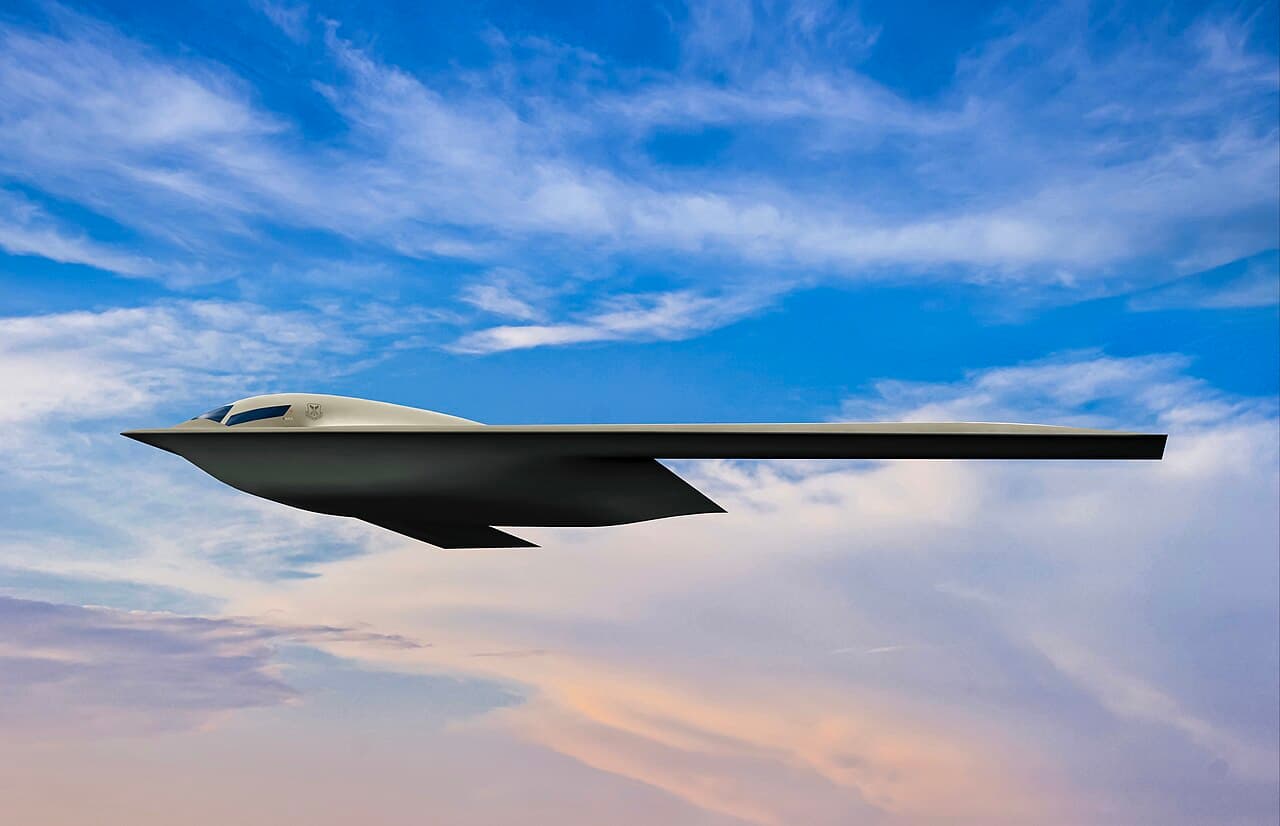
US Navy Admiral Advocates Doubling B-21 Raider Fleet to 200 Bombers for Pacific Defense
Commander of the US Navy Pacific Command, Admiral Samuel Paparo, has expressed support for the US Air Force to drastically increase its procurement plans for the Northrop Grumman B-21 Raider. The initial program goal was to build 100 of the world's first sixth-generation stealth bombers. Air Force leaders and lawmakers are already pushing to increase that number up to at least 145, with other advocates seeking 185. Now, the Navy is championing a fleet of 200 to strengthen the combined-arms strategy that makes joint operations between the different US service branches and regional allies.
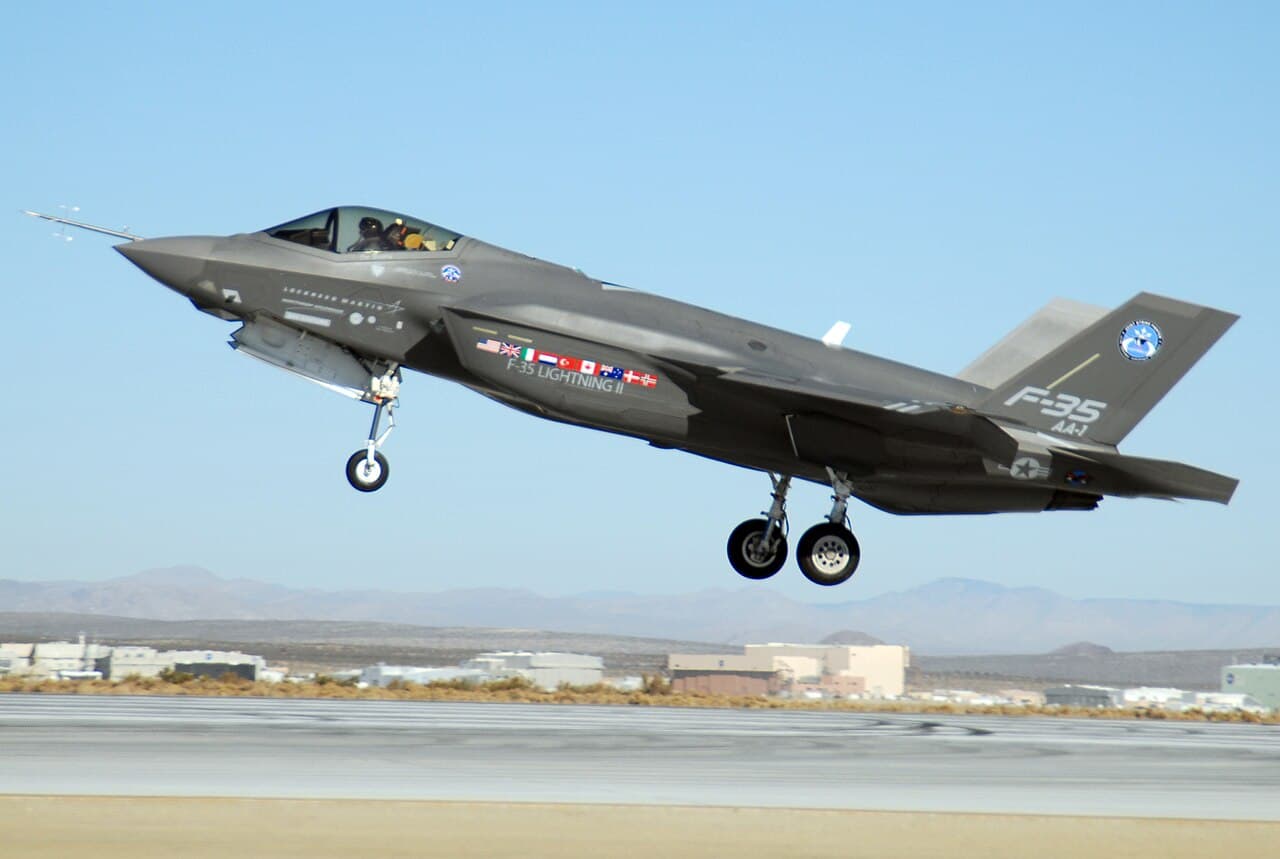
UK delays delivery of expanded F-35 fleet until early 2030s amid strategic and logistical challenges
Due to severe worldwide backlog pressures within the F-35 Joint Program Office and a strategic procurement delay by the Ministry of Defense, the United Kingdom will not receive any new Lockheed Martin F-35 Lightning II jets from its enlarged fleet order until the early 2030s. The upcoming batch introduces the F-35A variant to the UK fleet for the first time, intended to fulfill NATO nuclear-sharing missions.
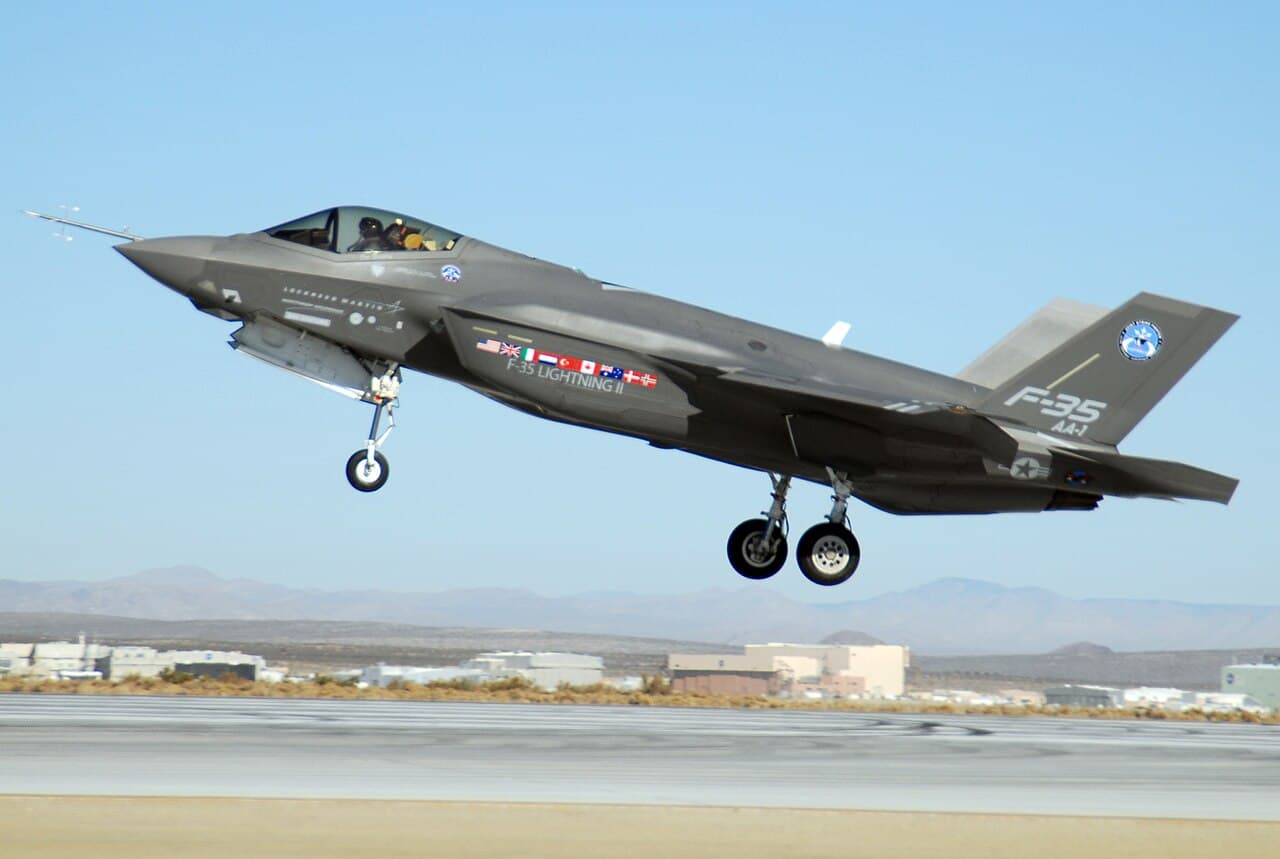
US Controls All F-35 Mission Data Updates, Grounding Allied Squadron Autonomy
The Lockheed Martin F-35 Lightning II is one of the most important weapon systems developed in the 21st century. It represents a major paradigm shift for air power not only in the US Air Force, but the Navy and Marines as well as 19 other US Allied partner nations around the world that are part of the global fleet. In addition to being the most expensive defense industrial project in history, it is also one of the most closely guarded classified projects to ever become a multinational defense program.
The Daily Touch & Go
The day's best aviation news in your inbox. Free, no spam.