

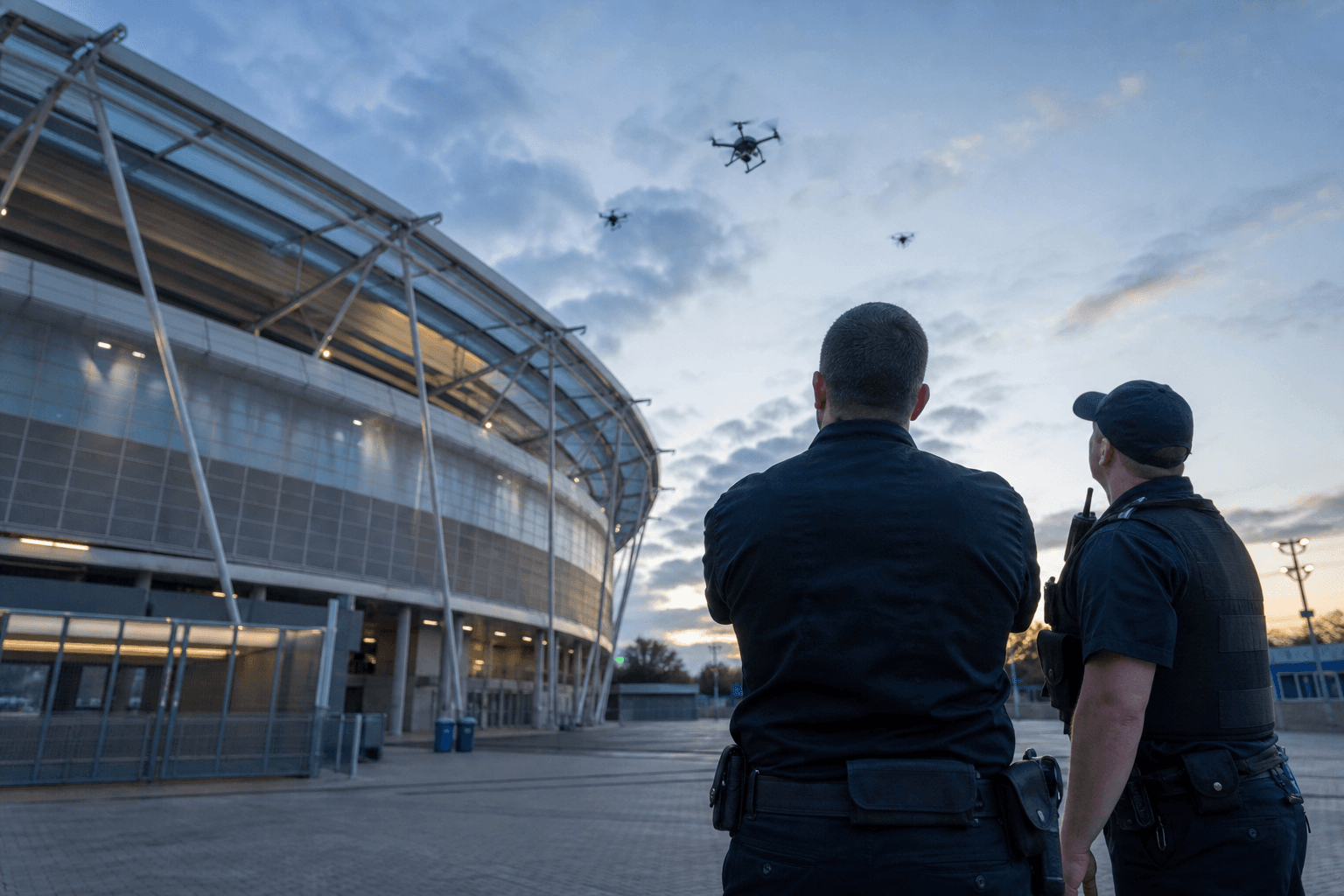
Illustration: The Touch & Go
Hundreds of Rogue Drones Disrupt World Cup Matches, Prompting Federal Response
Federal agencies have invested hundreds of millions in aiding states to counter drone disruptions amid World Cup events.
The gist
World Cup matches face significant interruptions from rogue drones, leading to major federal funding for state mitigation efforts.
The ongoing World Cup has faced operational challenges due to hundreds of unauthorized drones flying over match venues. These rogue drones have raised security concerns and disrupted event proceedings, forcing officials to prioritize aerial safety measures. The incidents highlight the increasing complexities of managing unauthorized unmanned aerial vehicles (UAVs) during major international sporting events.
In response to these challenges, multiple federal agencies have mobilized significant resources, allocating hundreds of millions of dollars to assist individual states in deploying counter-drone technologies and enhancing surveillance. These funds support infrastructure upgrades, specialized equipment purchases, and training for law enforcement tasked with drone detection and neutralization.
The surge in illicit drone activity stems from both spectators and unauthorized actors using UAVs to capture footage or interfere with event security. Given the large crowds and high-profile nature of the World Cup, authorities have been compelled to implement stricter regulatory frameworks and more robust enforcement actions. This is part of a broader strategy to maintain safety and order in the airspace surrounding stadiums and critical infrastructure.
Historically, drones have been a growing concern for event security due to their increasing availability and capability to operate unnoticed or evade detection. The federal investment signals a recognition of drones as a tangible threat requiring coordinated action at the national and state levels. These measures align with ongoing efforts to integrate technological countermeasures within aviation and public safety agencies’ toolkits.
Looking ahead, monitoring and mitigating drone incursions will remain a priority not only for World Cup organizers but also for future large-scale events worldwide. The current funding and operational shifts could establish precedents and frameworks adaptable to evolving drone-related security challenges. Ensuring the integrity of the event's airspace is vital to protect participants, fans, and infrastructure alike.
More in Regulatory
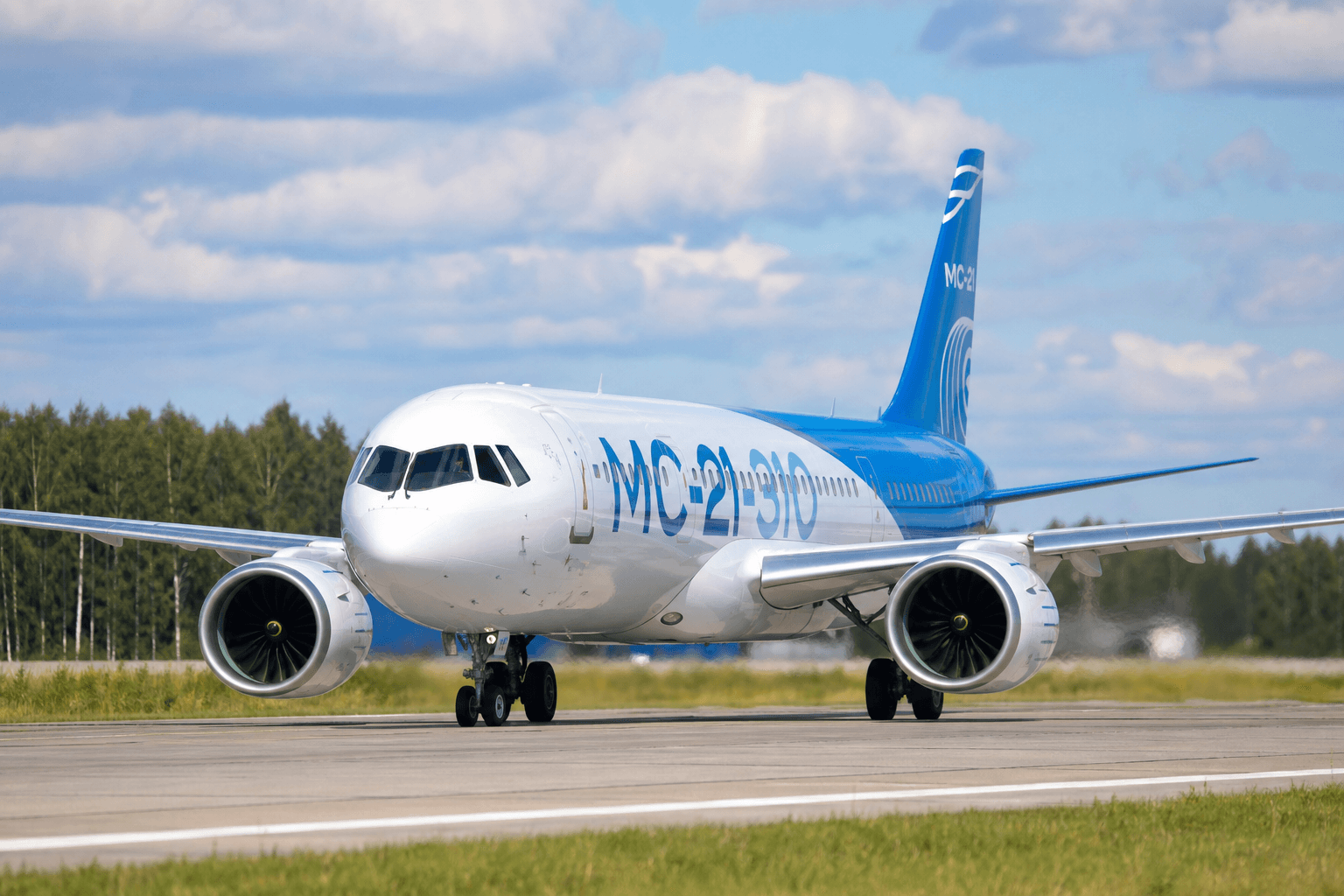
Russian-powered MC-21-310 achieves range of about 2,000nm during operational test
Flight with equivalent of full payload intended to simulate real-life conditions for initial delivery configuration. Russia's Yakovlev MC-21-310 has demonstrated a range of 2,050nm (3,800km), during a series of test flights with payload equating to a full passenger complement. The twinjet, powered by Aviadvigatel PD-14 engines, is still undergoing its certification programme. Propulsion specialist United…

Riyadh Air cleared to begin US flights
US regulators have granted the Saudi start-up a tentative permission for two years. Saudi Arabian start-up Riyadh Air has received approval from the US Department of Transportation (DOT) to begin serving points in the USA. The carrier had requested authority from US regulators on 5 May to operate flights from any points in Saudi Arabia…
Thunderstorm Ground Stop Caused 700+ Flight Delays At Chicago O'Hare
A powerful convective weather system moved across the Midwest, forcing the FAA to halt all inbound traffic at Chicago O'Hare International Airport.