

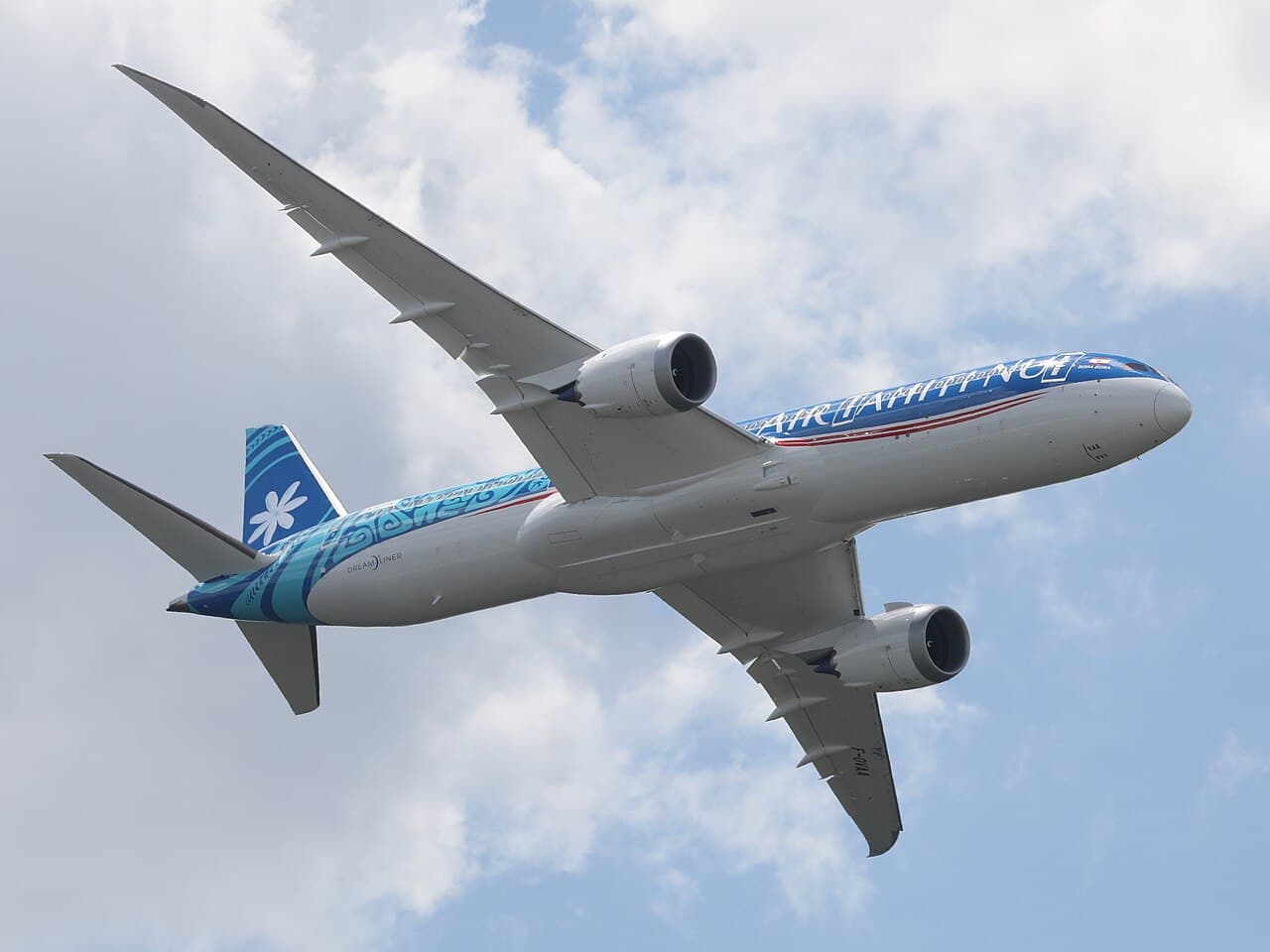
Image: New York-air · CC BY-SA 4.0 · via Wikimedia Commons
Riyadh Air Gets US Approval to Launch Flights with Boeing 787-9 Fleet
The Saudi startup Riyadh Air has received a two-year exemption and tentative foreign carrier permit from the US Department of Transportation to serve US cities from Saudi Arabia.
The gist
Riyadh Air cleared by US regulators to start flights from Saudi Arabia to the USA with Boeing 787-9s in service.
Continuing coverage
All Saudi Arabia →- Riyadh Air Debuts Stunning Hafawa Lounge at King Khalid International Airport
- flynas expands Airbus fleet with 25 new A330-900 and A321neo jets
- US Air Force Retires 119 F-15Es as Saudi Arabia Invests $5 Billion to Upgrade F-15SA Fleet
- Yemen's government strikes Sana'a airport runway to block Iranian Mahan Air flight
- Riyadh Air eyes firm order up to 30 more Boeing 787s amid rapid expansion
Riyadh Air, Saudi Arabia's emerging state-backed airline, has secured a pivotal regulatory clearance from the US Department of Transportation (DOT) to operate flights between Saudi Arabia and the United States. The DOT's June 16 order grants Riyadh Air a two-year exemption authority and tentatively approves its application for a foreign air carrier permit, enabling the airline to serve any US city from any point in Saudi Arabia.
The exemption authority, set to last two years or until the formal foreign carrier permit takes effect, signals US regulators’ confidence in Riyadh Air's operational and financial capability to meet requirements for international service. The DOT's statement emphasizes that granting this authority aligns with the public interest and confirms Riyadh Air's credentials based on a thorough review process.
Riyadh Air formally submitted its request to the US Department of Transportation on May 5, seeking rights to operate a network of US routes. The approval represents a key milestone as the airline prepares to expand its global footprint beyond its initial service offerings. It is expected to open further transatlantic connectivity options for Saudi Arabia, particularly its capital Riyadh, facilitating both passenger and potentially cargo operations.
In recent months, Riyadh Air has commenced operations with Boeing 787-9 aircraft, having taken delivery of its first two of a 72-aircraft order from Boeing. The carrier has initiated flights to several international destinations including London, Jeddah, and Cairo. Notably, it launched full schedule service to London Heathrow on June 10 and announced plans for a Manchester route beginning July 23, underscoring its rapid operational ramp-up.
The DOT permitting complements Riyadh Air’s aggressive growth plans aiming to reach more than 100 destinations by 2030. The authorization to fly to the US, one of the world's most important aviation markets, expands Riyadh Air’s access to global travel hubs and fulfills part of Saudi Arabia's wider Vision 2030 strategy to develop its aviation sector and diversify economic activity.
Riyadh Air’s entry into the US market will mark it as a significant new player among Middle Eastern carriers, joining established airlines with strong transatlantic presence. The regulatory nod is especially significant as Riyadh Air is a nascent carrier, propelling forward with a large 787-9 fleet focused on long-haul routes. The US DOT’s thorough vetting and provisional permit reflect confidence in Riyadh Air’s future operational standards and financial robustness.
The timing of this authorization closely follows Riyadh Air launching early operations on European routes, signaling a deliberate phased expansion strategy. Operating with Boeing 787-9s, the airline leverages the aircraft’s long-range, fuel-efficient capabilities to connect Saudi Arabia with key global cities. This regulatory green light is a critical step toward establishing Riyadh Air as a major international airline for Saudi Arabia.
As Saudi Arabia aims to position Riyadh as a global aviation hub, Riyadh Air’s new US access exemplifies progress in implementing this vision. Securing rights to fly into the US market opens numerous possibilities for commercial growth, increased bilateral travel and cargo volumes, and strengthened ties with one of the world's largest economies. The two-year exemption sets Riyadh Air on a clear path to establishing a permanent operating permit for sustained US operations.
The US Department of Transportation's order leaves Riyadh Air poised to finalize its permit authority following standard procedural show-cause periods. Riyadh Air’s swift operational growth and fleet expansion mean it is well placed to launch services to US cities and integrate itself into international travel networks within the next year.
Read more
All Regulatory →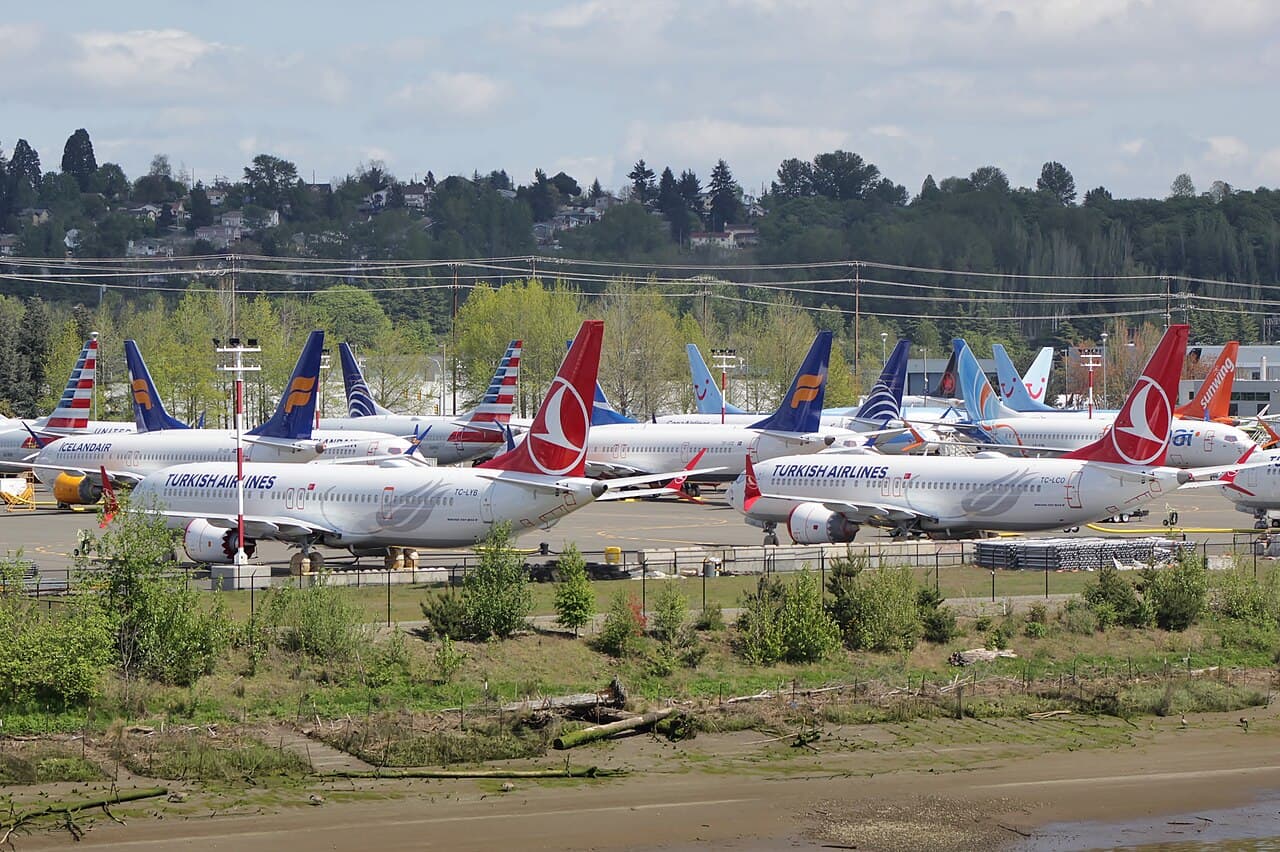
Boeing 737 MAX 7 Receives FAA Type Certification After Eight Years
The Boeing 737 MAX 7 has finally been cleared for commercial service, more than eight years after the smallest member of the 737 MAX family first took to the skies. The Federal Aviation Administration (FAA) granted Boeing an amended type certificate for the aircraft on Monday, bringing one of the manufacturer's longest-running certification programs to an end. The regulator has also added the 737-7 to Boeing's production certificate , allowing the company to manufacture the aircraft under its approved production system.
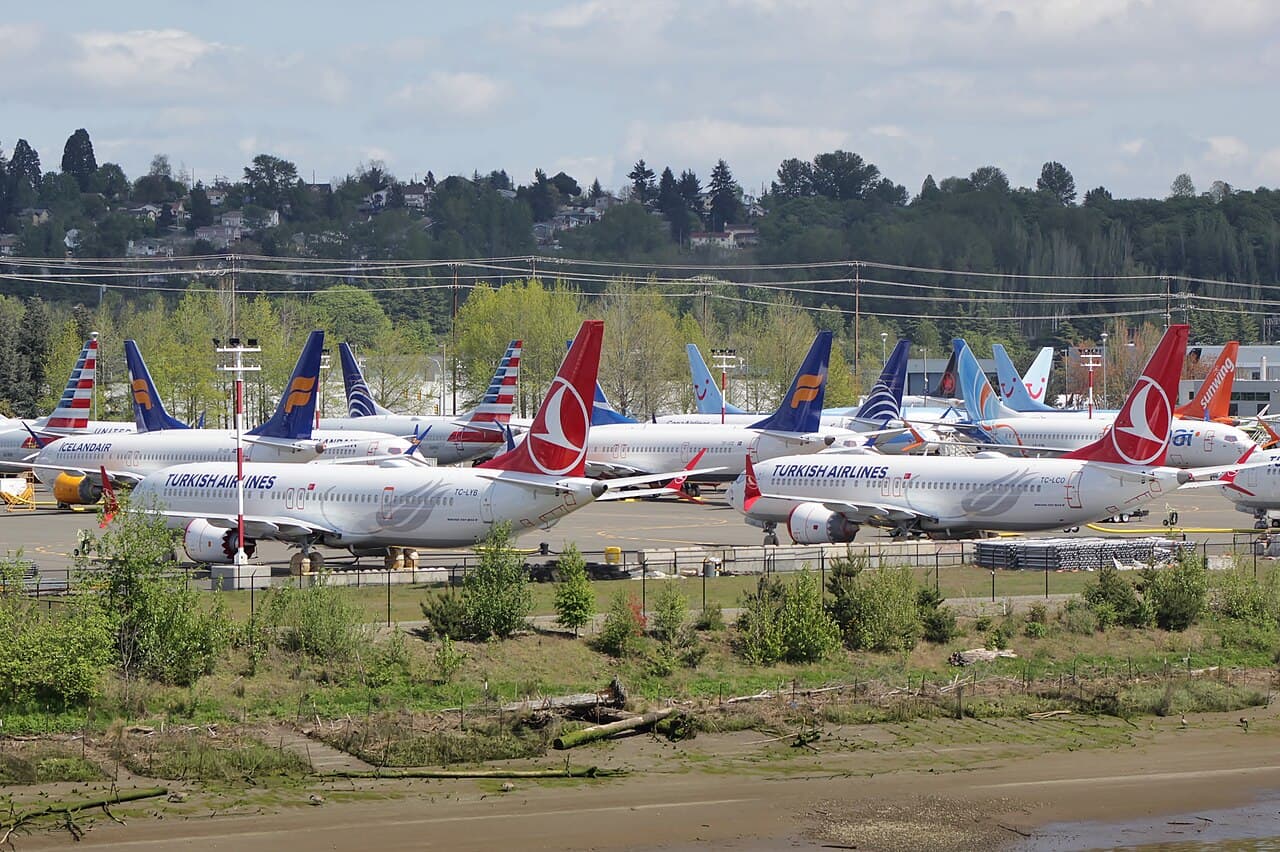
FAA prioritizes certifying Boeing 737 MAX 7 and MAX 10 before 777-9 amid extensive delays
Boeing currently has three aircraft models that have been stuck in certification hell for years: the 737 MAX 7, the MAX 10, and the 777-9. All three of these were supposed to be certified between 2019 and 2020 when initially launched, but over six years later, Boeing has not delivered a single example to an airline. Certification and entry-into-service for all three have been continuously delayed, but earlier in 2026, Boeing provided a more concise timeline. The 737 MAX 7 and MAX 10 will be certified by the end of the 2026 summer season, while the 777-9 will come in 2027.
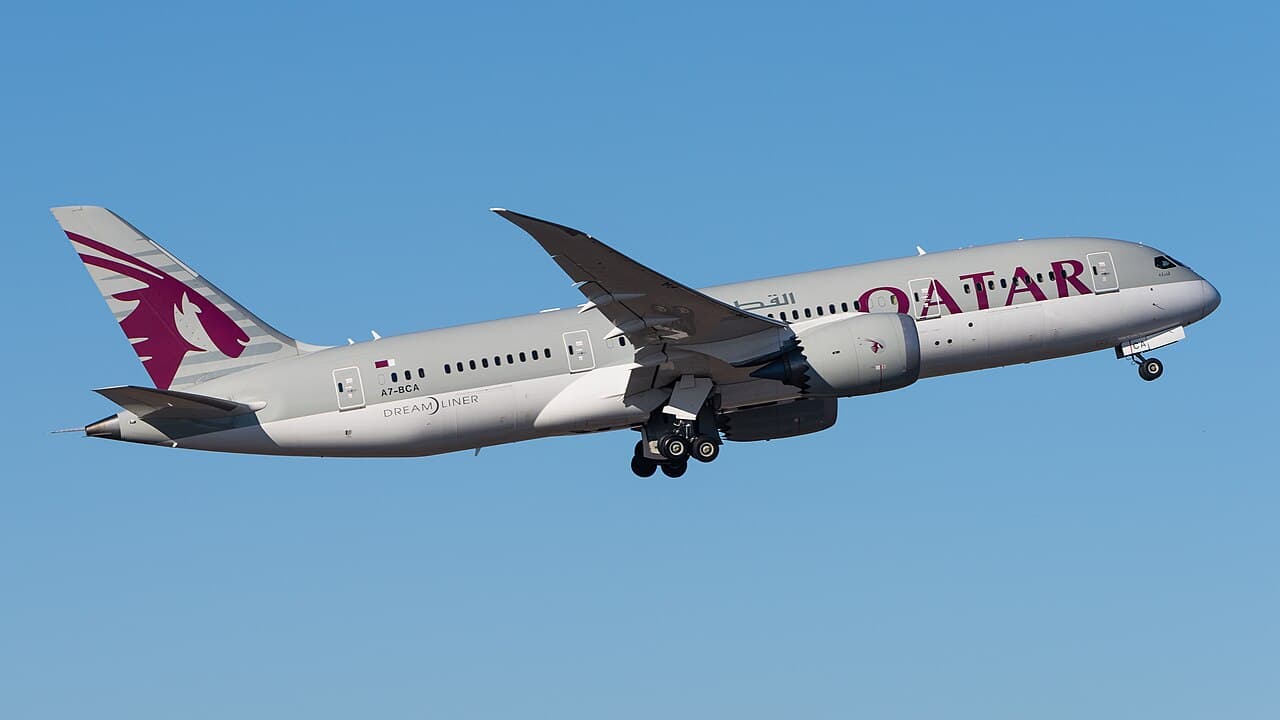
Boeing 787 Core Software Updates Must Go Through Manufacturer and FAA Approval
The Boeing 787 runs on a software architecture that is fundamentally different from any commercial aircraft that came before it. Rather than dozens of independent avionics computers each running their own embedded software, the 787 consolidates most of its major functions onto a shared computing platform called the Common Core System, with approximately 300 Loadable Software Airplane Parts distributed across roughly 1,400-1,500 locations on the aircraft. The software is not a separate product from the airframe. It is part of the aircraft's FAA type certificate.
Easter Island's Remote Mataveri Airport Enables Airbus A350 South Pacific Flight Safety
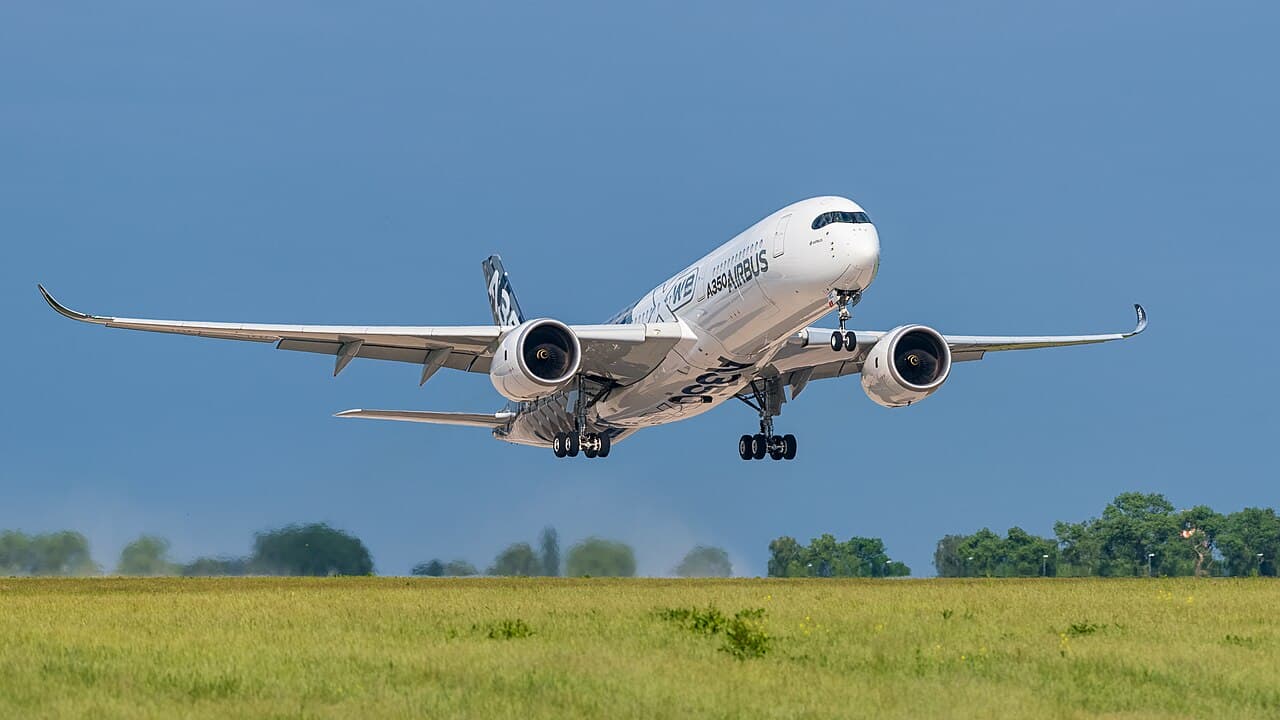
The vast expanse between South America and Oceania has some of the world's loneliest airspace. Even in an age of supremely reliable aircraft and incredibly long Extended-range Twin-engine Operational Performance Standards (ETOPS) certification, it would not be safe to fly this expanse without a fallback option. This comes from Easter Island's Mataveri International Airport (IPC), which serves as the only potential diversion for aircraft making the trip.
The Daily Touch & Go
The day's best aviation news in your inbox. Free, no spam.